US Public Support for Iran War Declines to One-Third, Poll Shows
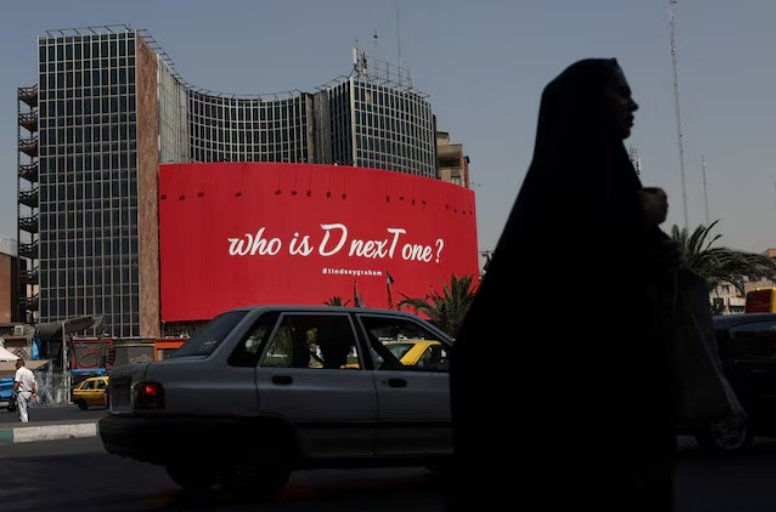
Washington DC. Public support for the Iran war among American citizens has decreased. A survey conducted by Reuters and Ipsos shows that public support for the ongoing war against Iran is continuously declining among American citizens. According to the survey, only about one-third of Americans currently support the war with Iran.
Most citizens stated that President Donald Trump has not clearly explained the purpose of American military involvement. In the survey conducted from Friday to Sunday, only about 33 percent of participants supported the war. This is the lowest support since the war began five months ago.
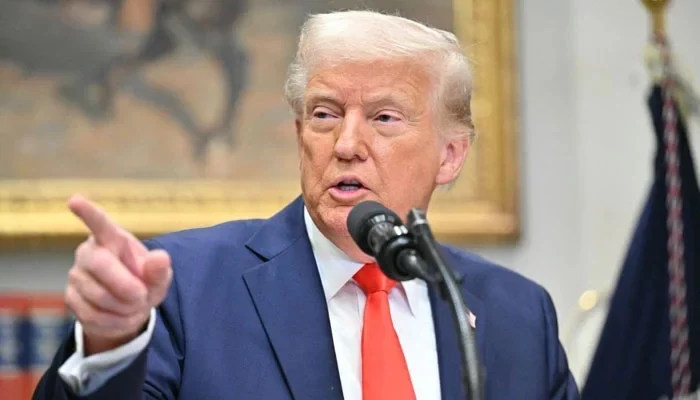
However, President Trump's personal popularity has seen a slight increase during the same period. His approval rating has risen from 34 percent last month to 37 percent. Nevertheless, this rate is still among the weakest popularity ratings of his second term.
The most notable finding of the survey is that the American public feels they have not received clear information about the war's objectives. Approximately 69 percent of respondents stated that the Trump administration has not provided a clear explanation as to why US military intervention in Iran is happening.
This includes about 40 percent of Republican supporters. Trump has presented different objectives at various times since the war began. Sometimes he has stated that he is helping the citizens of Iran to rise up against their leadership, and at other times he has stated the goal is to destroy Iran's ballistic missile capability or to prevent Iran from developing nuclear weapons. This change in objectives is analyzed to have created confusion among many Americans.
White House spokesperson Olivia Wells, however, clarified that the administration does not make decisions based on public opinion polls. According to her, President Trump's priority is to prevent Iran from acquiring nuclear weapons under any circumstances. She stated that the President's decisions are made with the safety of American citizens at the center. Support for the Iran war appears to be significantly lower compared to previous American wars. In the initial phase of the Iraq War, which began in 2003, about 70 percent of Americans supported it. Similarly, in the early period of the Afghanistan War, which began in 2001, about 90 percent of Americans were in favor of the war. However, such widespread public support has not been seen in the Iran war.
The growing dissatisfaction with the war is being analyzed as a challenge for the Republican Party in the upcoming midterm elections in November. As President Trump's party has to defend its limited majority in the US Congress, the impact of public opinion is expected to be significant. Alex Womack, a resident of Stockbridge, Georgia, and a former US Marine, stated that it is still unclear why the war was started. He, a Republican supporter, recalled serving in the Gulf War in 1991 and commented that he could not understand the objective of the current war. According to him, his trust in Trump has also weakened somewhat since the war began.
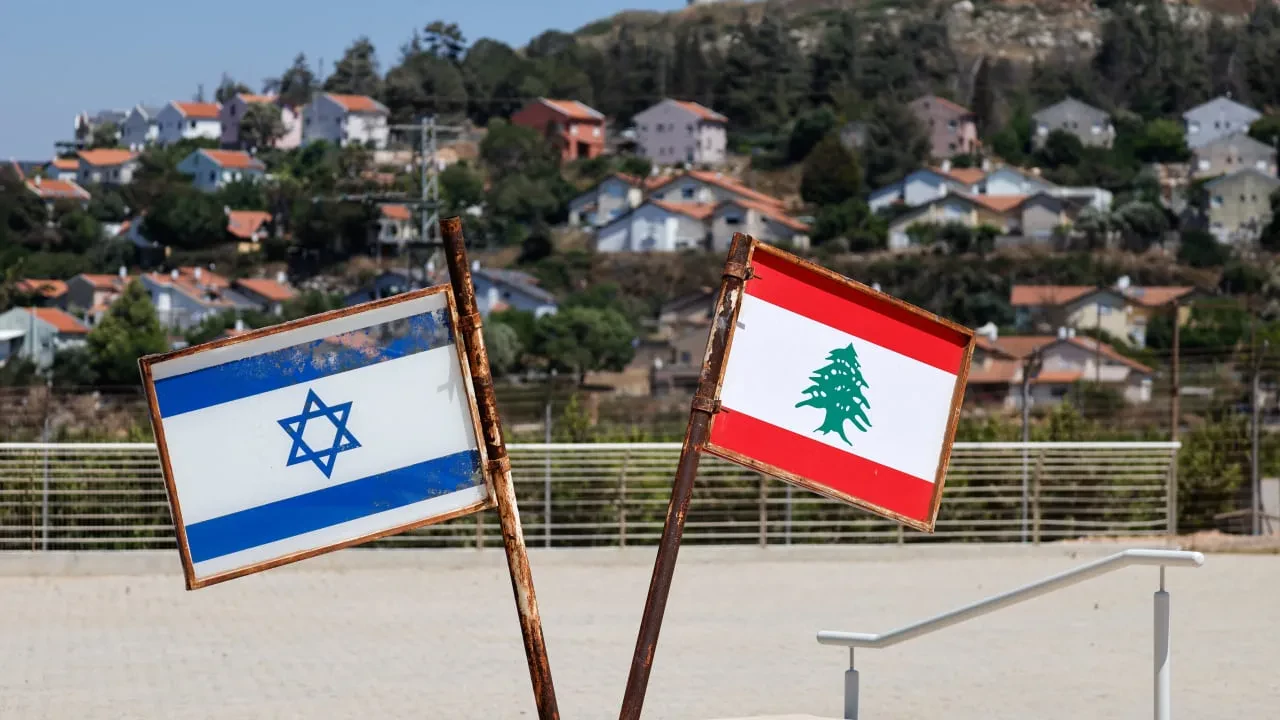
So far, 18 American soldiers have died in the war with Iran, and reports indicate that thousands of people have lost their lives in Iran and Lebanon. There is also ongoing conflict between Iran-backed militant groups and the Israeli army in Lebanon. The impact of the war is also beginning to be seen on the American economy. In particular, the price of gasoline has increased significantly. The average price of gasoline, which was around 3 US dollars per gallon before the war began, has now risen above 4 US dollars. Citizens have expressed concern that the increase in fuel prices has made daily living more expensive.
According to Republican strategist Alex Conant, the war appears to have shifted the government's focus from the economy to foreign policy. He stated that although the administration is trying to convince the public on economic issues, the war is weakening those efforts. The inclination of independent voters has also been seen towards the Democratic Party in the survey. Among independent voters, 36 percent said they would support Democratic candidates in the upcoming election, while only 20 percent chose Republican candidates. Independent voters also appear to trust Democrats more on economic policy.
During his presidential campaign for the 2024 election, Trump had pledged to keep America away from long wars. He initially estimated that the Iran war would end within four to five weeks. However, as the war has dragged on for five months, his prediction has not been fulfilled. Trump has been saying that this war should not be compared to the Vietnam War, but as the war continues, the number of people making such comparisons is increasing.
Reuters/Ipsos has been regularly collecting public opinion on military action against Iran since March. On the day the war began, 27 percent supported it, while 29 percent of respondents were uncertain. Although support increased for some time afterward, it has now declined again to about one-third.
This specific news has been automatically translated by AI. As a result, there may be some inaccuracies or language errors.

_w1ohuluTvQ.png)