Yemen's Houthi Rebels Resume Attacks on Red Sea Shipping, Escalating Regional Tensions
Tehran. Yemen's Houthi rebels have claimed to have resumed attacks on commercial ships in the Red Sea. This move has increased the danger of pushing the already tense situation in West Asia towards a more dire turn.
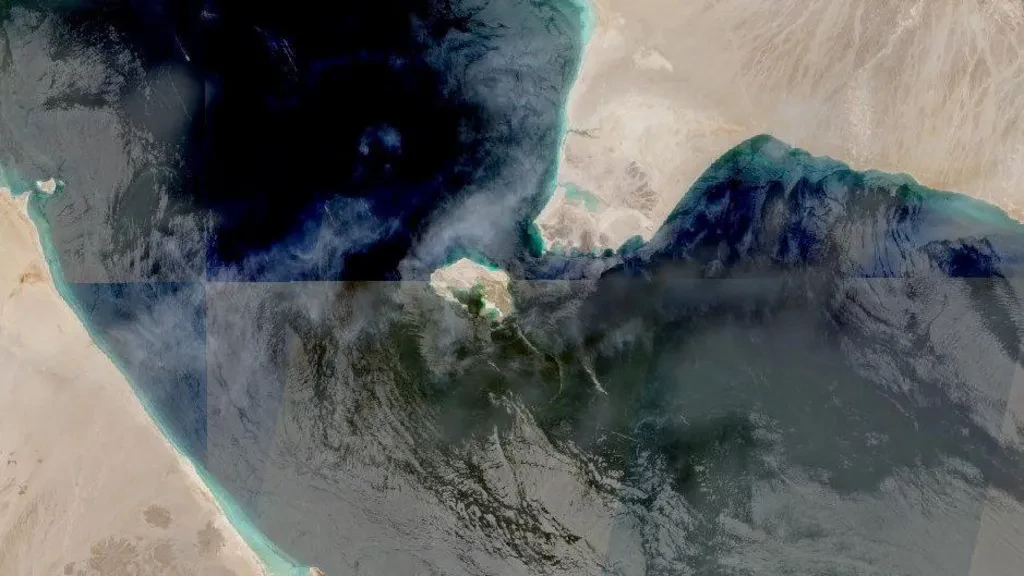
By forcing ships to divert from the Bab el-Mandeb Strait of Hormuz, the Houthis have warned of shutting down the main maritime trade route connecting Europe and Asia.
This incident occurs at a time when air strikes are ongoing between the United States and Iran, and Saudi Arabia's agreement to develop its nuclear industry has increased fears of a nuclear arms race in the region. 2026 is proving to be the most violent year in recent years for some parts of West Asia.
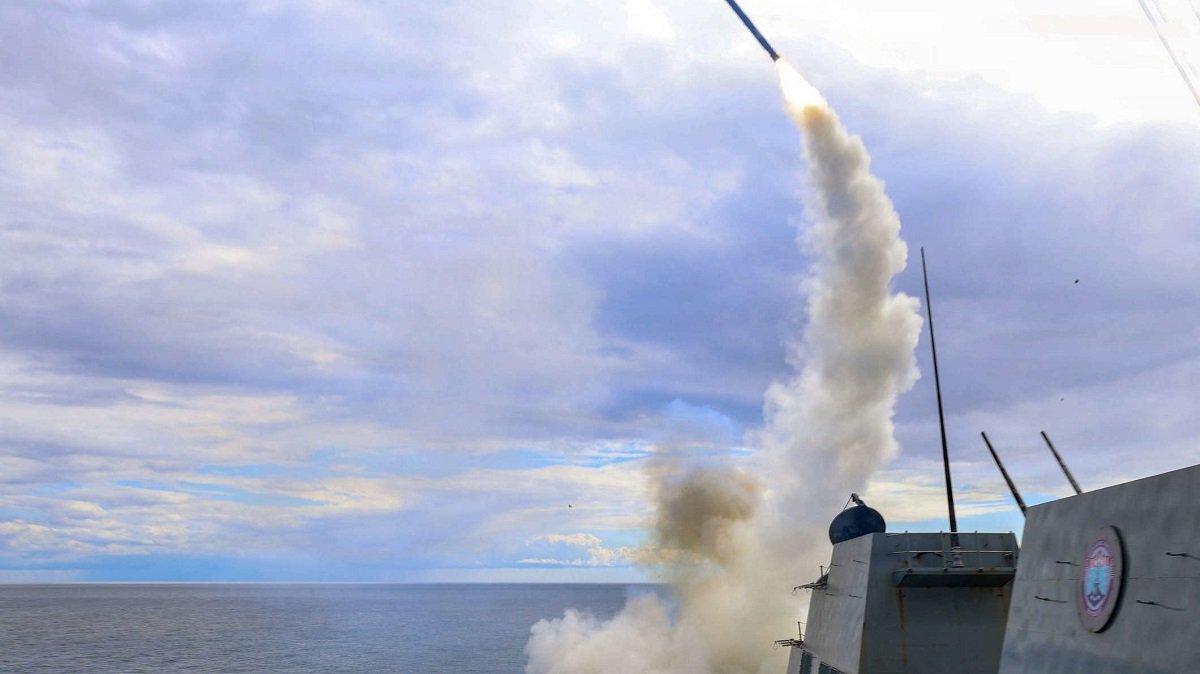
The US Central Command (CENTCOM) has been attacking Iranian military bases, drone storage, communication networks, and coastal surveillance areas for 13 consecutive nights. 'Attacks have been carried out on Iranian military command centers, drone storage, communication networks, and coastal areas to reduce the threat posed by Iran to civilian and commercial ships,' CENTCOM said in a statement.
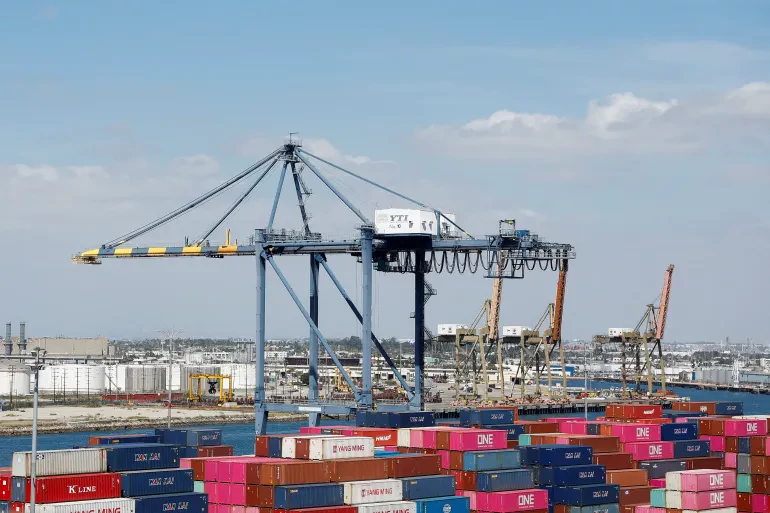
Gulf Arab countries, known for their peace and low taxes, are now forced to face continuous attacks from neighboring Iran and its supported groups. Yemen's Iran-backed Houthis have also joined this conflict after the ceasefire with Saudi Arabia in 2022 was broken. This week, the Houthis fired missiles at two Saudi ships in the Red Sea and turned back 10 other ships, warning them not to approach Saudi ports.
With Iran already disrupting global energy and fertilizer supplies by nearly shutting down the Strait of Hormuz, the new obstruction in Bab el-Mandeb is likely to have a more severe impact on the world economy. Saudi Arabia had sought to keep itself away from the US-Iran war.
After the Strait of Hormuz was closed, Saudi Arabia was exporting oil to Asian markets by sending it through the East-West pipeline to the Yanbu Al-Bahr terminal on the Red Sea. However, due to the Houthi threat and attacks, that route is no longer safe.
Although US President Donald Trump claimed to 'take care of' the Houthis, it seems impossible without a deal. The Houthis, Shia tribal groups around the city of Sada in Yemen, captured the capital Sana'a in 2014 and later the strategic port of Hodeidah.
Although Saudi Arabia launched a war against the Houthis in 2015, it could not defeat them despite long-term bombing. The Houthis have countless caves and tunnels in Yemen's coastal mountains, from where they can easily attack sea routes. From 2023 to 2025, the Houthis also attacked ships connected to Israel in support of the civilians in Gaza.
While other West Asian countries Iraq and Syria are relatively peaceful now, and there is a ceasefire and negotiation situation in Gaza and Lebanon, the crisis in the Gulf and the Arabian Peninsula is escalating. US attacks have not forced Iran's Revolutionary Guard (IRGC) to relinquish control of the Strait of Hormuz.
On the other hand, the announcement of US assistance to Saudi Arabia for developing its civilian nuclear energy program has further increased military tension in West Asia. Although Saudi Arabia has not shown signs of building a nuclear bomb, there are concerns that this will also motivate Turkey and Egypt to increase their nuclear capabilities, adding to regional insecurity. This series of unrest in West Asia is likely to continue for a long time until a long-term and comprehensive agreement is reached between America and Iran. America and Iran.
This specific news has been automatically translated by AI. As a result, there may be some inaccuracies or language errors.