US House Passes Pentagon Funding Bill Amidst Political Polarization

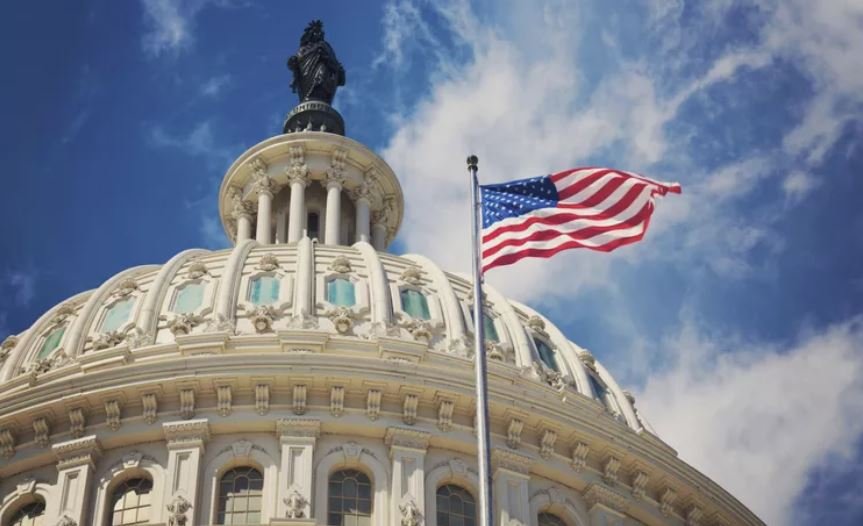
Pentagon. The US lower house House of Representatives narrowly passed the National Defense Authorization Act (NDAA) for 2027, allocating approximately 1.15 trillion US dollars for the Pentagon on Wednesday. The defense bill, which traditionally receives broad bipartisan support, was passed 216-212 votes this time and is seen as a sign of increasing political polarization during President Donald Trump's tenure.
The bill, which still needs to be approved by the Senate, provides for approximately 250 billion dollars more in spending than the 2026 NDAA. It includes a five to seven percent salary increase for US soldiers, plans to strengthen nuclear deterrence capabilities, and provisions for the construction of the 'Golden Dome' missile defense system proposed by the Trump administration. The system is inspired by Israel's 'Iron Dome' and aims to strengthen the security of the US mainland.
House Speaker Mike Johnson stated that the bill would provide soldiers with a long-awaited salary increase and further strengthen nuclear deterrence capabilities and missile defense systems.
Republican members of the House Armed Services Committee noted that this budget is also necessary to rebuild military stockpiles, which have decreased due to the large-scale use of missiles and other projectiles during the war with Iran.
However, Democratic सांसद Jerry Nadler stated that he could not vote in favor of allocating 1.15 trillion dollars for military spending that has gone beyond the Trump administration's control and for activities he considers irresponsible. He described the NDAA as an excessively expensive, poorly drafted bill that finances illegal wars.
Meanwhile, Democrats have strongly protested after Trump's priority 'Save America Act' was included in this bill through procedural measures. It is analyzed that the provision, which includes new nationwide voting restrictions, could further complicate the process of the bill being passed by the Senate.
Another controversial aspect of the bill has become the provision to further expand cooperation between the US and Israeli armed forces, which has been the subject of intense debate in US political circles in recent weeks.
This specific news has been automatically translated by AI. As a result, there may be some inaccuracies or language errors.