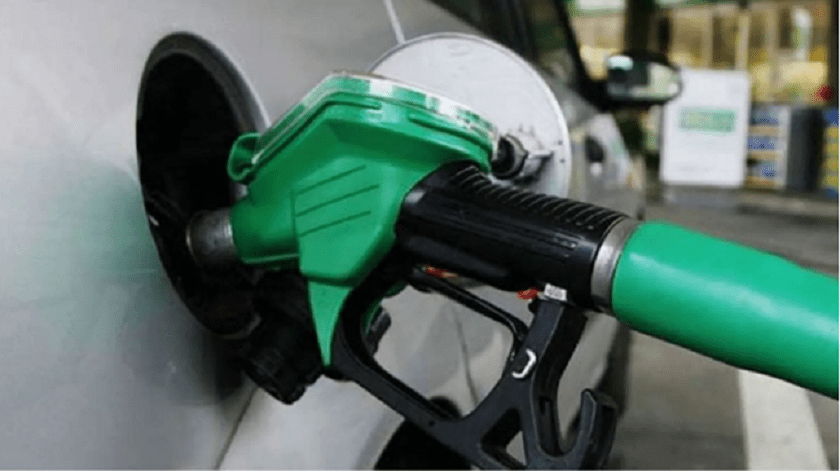
Two oil tankers carrying Saudi crude oil rerouted due to Houthi blockade
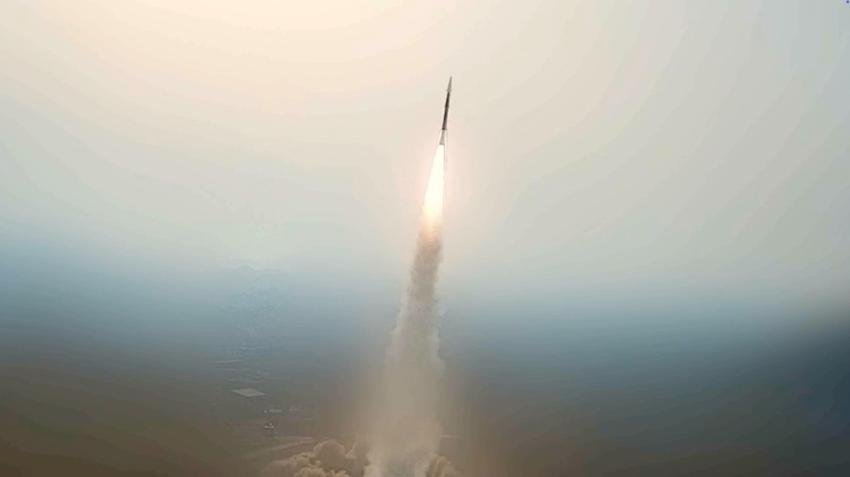
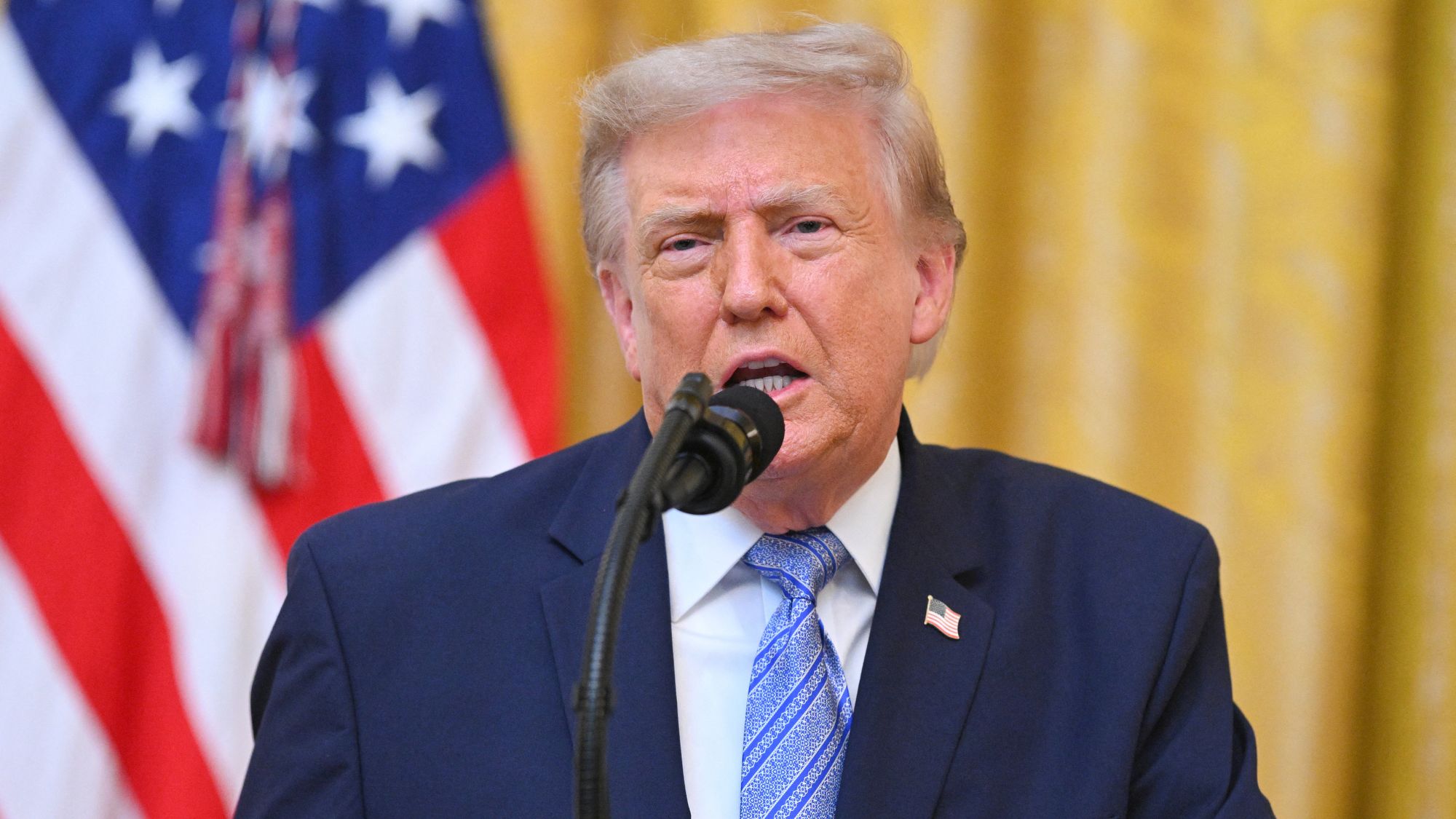
Jeddah. After the Iran-backed Houthi rebel group in Yemen announced a maritime blockade against Saudi Arabia, two oil tankers carrying Saudi crude oil to Asia have been forced to change their course in the Red Sea. This has signaled that the US-Iran war is affecting two important international waterways in the Middle East, creating a new crisis in global energy supply. With increased maritime security risks, two tankers carrying oil from Saudi Arabia's Yanbu port for China and India have turned back towards the Suez Canal instead of entering the Indian Ocean via Bab al-Mandab. The Houthi group, which controls the northern and western coastal areas of Yemen, announced a maritime blockade against Saudi Arabia on Monday, warning that it would attack any ship loading or unloading Saudi oil. This announcement has been analyzed as increasing the possibility of a new front opening in the US-Iran war. Meanwhile, the US military has stated that it has carried out airstrikes on various Iranian military targets for the 11th consecutive night. According to Iran's semi-official Fars News Agency, air defense systems were activated in the capital Tehran. Explosions also occurred in Chabahar, Konarak, and Bushehr. Iran's only nuclear power plant is located in Bushehr. According to the US Central Command (CENTCOM), attacks have so far targeted Iran's military command centers, missile and drone launch sites, naval military structures, and air defense systems. Earlier, Iran had stated that it had attacked US military bases in Bahrain, Kuwait, and Jordan. Iran has also claimed to have attacked infrastructure related to Amazon's regional data center in Bahrain. However, this claim has not been independently verified. Kuwait has stated that it has deployed its air defense system to intercept drone and missile attacks. US President Donald Trump has warned that if the Houthis completely block the Bab al-Mandab strait, the US will take direct action against it. He mentioned that the strait is not completely blocked yet and that the US will take necessary steps if it is. Trump also confirmed that 18 US soldiers have been killed in the war so far, four of whom died in Iranian attacks on US military bases in Jordan and Iraq in the past few days. The Red Sea had become a major alternative route for Saudi oil exports after risks increased in the Strait of Hormuz. However, with the Houthis also creating a threat in Bab al-Mandab, concerns about further disruption to global oil supply have increased. This has also had an impact on the international market. On Wednesday, the price of Brent crude, the international benchmark for crude oil, rose by more than 2% to over $91 per barrel. According to the British Maritime Trade Operations (UKMTO), a tanker in the Strait of Hormuz was affected by a missile. After the attack, the crew had to abandon the ship and take refuge in a lifeboat. Iran's Islamic Revolutionary Guards also claimed that two oil tankers traveling through the southern waterway of Hormuz caught fire after an explosion. Iran has been pressuring ships to use its northern coastal route and has also put forward a plan to charge fees for using that route in the future.
This specific news has been automatically translated by AI. As a result, there may be some inaccuracies or language errors.