
Bagmati Province Government Faces Uncertainty Amidst Shifting Alliances

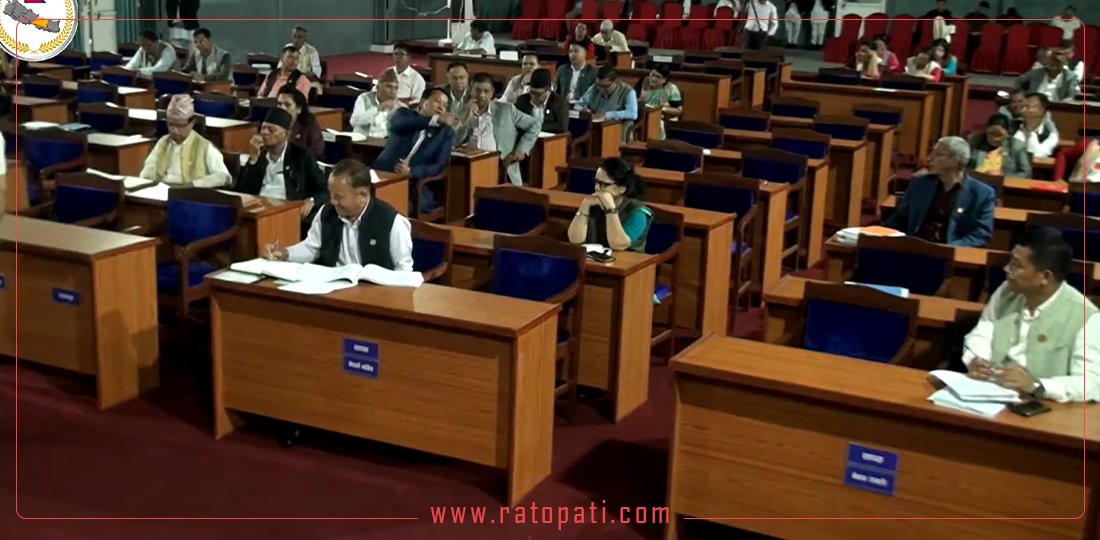
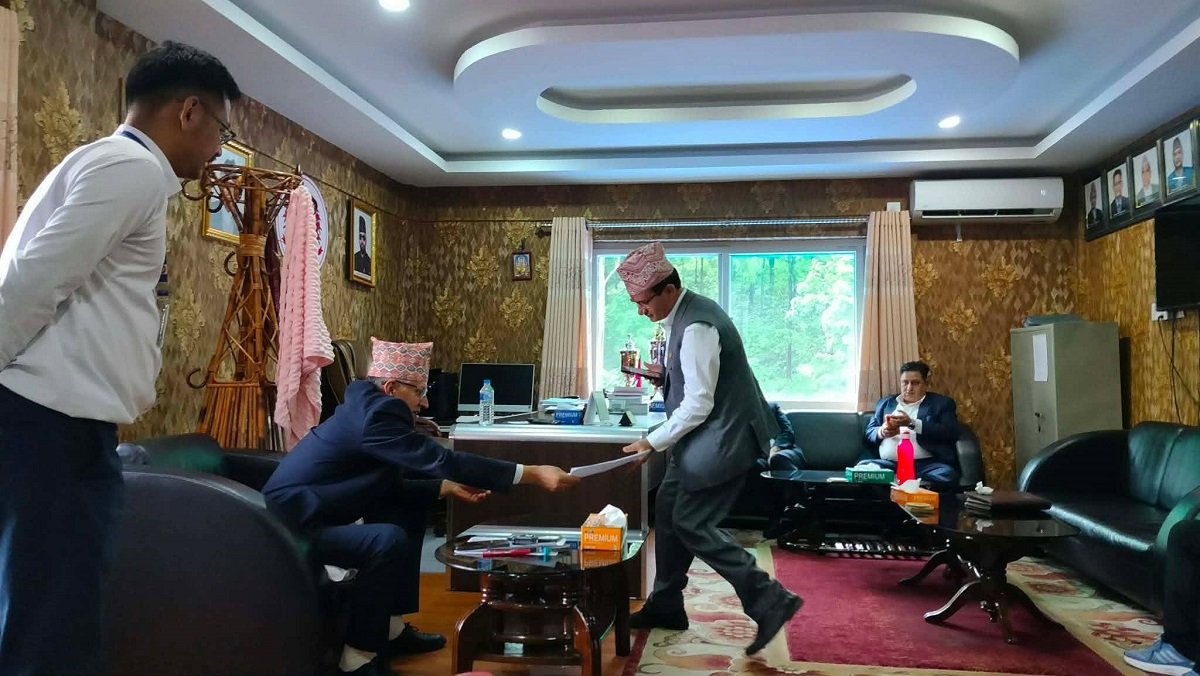
Hetauda. Various speculations have started regarding the future of the Bagmati Province government. The current government of Chief Minister Indrabahadur Baniyan is in crisis.
Preparations are underway to stake a claim for forming a government under a new coalition. However, the process of government formation in Bagmati does not appear to be as easy as it seems mathematically. The situation is challenging for a majority despite appearing easy in terms of numbers.
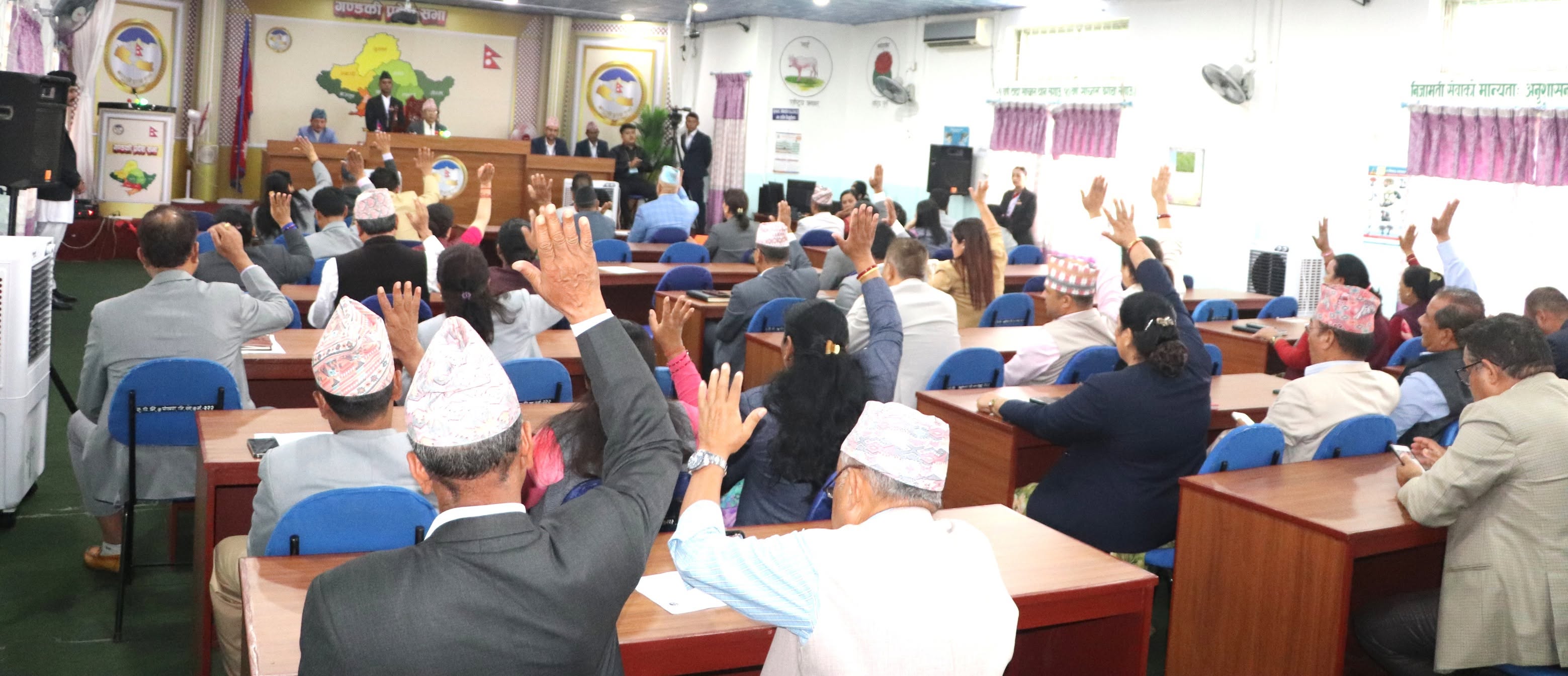
Out of the 110-member Bagmati Provincial Assembly, which currently has 104 members, 53 seats are required for a majority. In the Bagmati Provincial Assembly, the Nepali Congress has 36 seats, UML has 25 (including the Deputy Speaker), CPN (Maoist Centre) has 26, RPP has 12, Nepal Majdoor Kisan Party has 3, and Hamro Nepali Party has 2 seats.
The combined seats of UML (25) and CPN (Maoist Centre) (26) reach only 51 seats. An additional 2 seats are needed for a majority. In this situation, the role of Hamro Nepali Party, with 2 seats, appears decisive. If Hamro Nepali Party provides support, the required number for government formation will reach 53.
In that scenario, there will be constitutional hurdles for the CPN (Maoist Centre) and UML to form a government from the left alliance. Currently, in Bagmati, the government under Article 168(2) of the constitution is in place, led by the CPN (Maoist Centre). The biggest technical obstacle to forming a government from the left alliance in Bagmati could be Article 186 of the Nepal Constitution.
Article 186 states, 'Any proposal presented for decision in the Provincial Assembly shall be decided by a majority of the members present and voting. The person presiding shall not have the right to vote. However, if the votes are equal, they shall cast their decisive vote.'
Currently, the Speaker's position in the Bagmati Provincial Assembly is vacant. Deputy Speaker Apsara Chapagain has been carrying out the duties in the capacity of Speaker. Deputy Speaker Chapagain became a proportional representative from UML. If the situation becomes a tie of 53/53 for government formation, only the presiding person gets to vote. However, when 53 seats need to be secured, the Speaker or Deputy Speaker cannot vote initially.
According to Prakash Chapagain, spokesperson and law under-secretary of the Provincial Assembly, technically, the Deputy Speaker can stake a claim to form a government in a coalition involving the CPN (Maoist Centre), UML, and Hamro Nepali Party, as they hold the status of a Provincial Assembly member. However, the decision rests with the Provincial Assembly. He stated that if the CPN (Maoist Centre) and UML alliance is supported by Hamro Nepali Party, the government will have 52 votes in favor, while 51 votes will be against or neutral. In such a situation, the Deputy Speaker does not have the right to vote. In that situation, the Deputy Speaker can resign to cast a vote.
If there is no Speaker or if the Speaker resigns, the Deputy Speaker has to conduct the session. This is the situation in Bagmati. The constitutional crisis seen in Koshi Province has already set a precedent. According to the Supreme Court's decision regarding Koshi Province, the person presiding over the assembly cannot support or vote for confidence in the formation of the government.
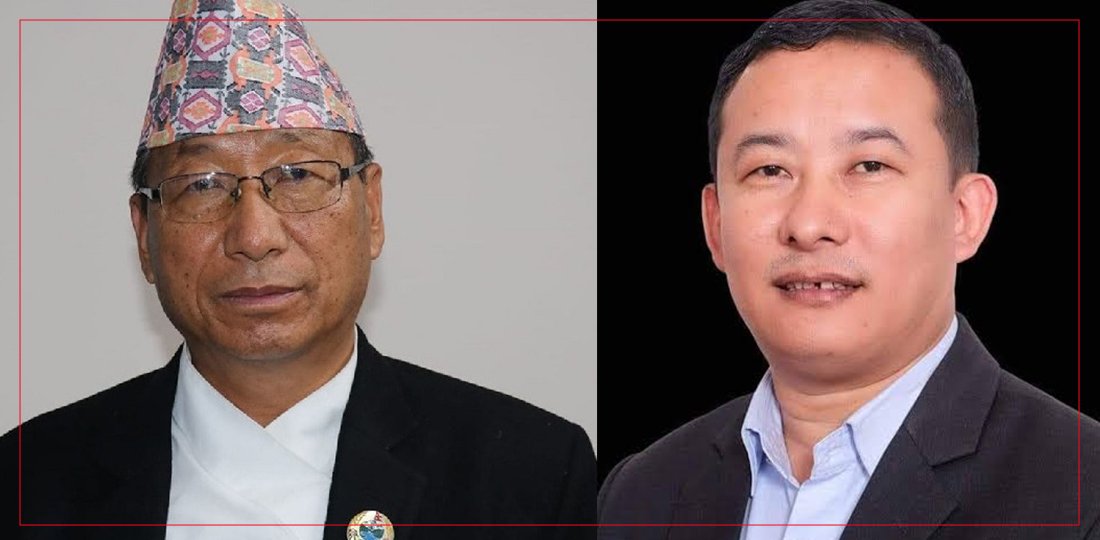
If the UML-CPN (Maoist Centre) alliance in Bagmati tries to form a government by using the Deputy Speaker's vote, there is a strong possibility that it will be constitutionally illegal. In that situation, the Speaker can resign and vote only as a member. However, doing so creates another confusion about who will preside over the session. According to the provisions of the constitution, in that situation, the eldest member of the Provincial Assembly is also a CPN (Maoist Centre) MP. In that situation, if the CPN (Maoist Centre) MP Ram Prasad Dhungana presides over the session as the eldest member, he also cannot cast a decisive vote.
According to spokesperson Chapagain, technically, forming a government from the CPN (Maoist Centre) and UML alliance is difficult. He stated that the provision in Article 186 of the constitution necessitates seeking support from a new party for the government of the CPN (Maoist Centre) and UML alliance.
In Bagmati, a left alliance government cannot be formed unless the RPP (12 seats) explicitly supports it. The immediate entry of RPP into a left alliance government is highly unlikely.
This specific news has been automatically translated by AI. As a result, there may be some inaccuracies or language errors.
_cvUCBlwFTZ.jpg)