FIFA World Cup 2026 Projected to Earn Over $10 Billion

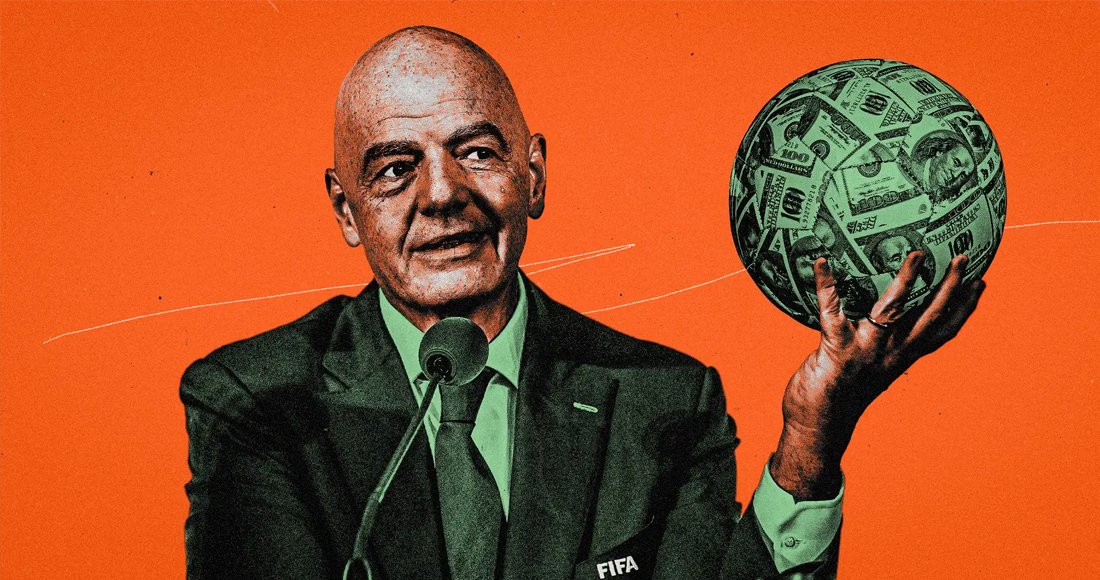
FIFA proudly presented its achievements in its 2022 financial report, and for good reason. In the year that concluded with the winter World Cup in Qatar, FIFA earned $5.8 billion USD (approximately NPR 895.868 billion at current exchange rates). FIFA called it an 'unprecedented financial achievement'.
At that time, the highest body of world football had never earned such a large sum in just a few weeks. Commercial partnerships, television broadcasting rights, and ticket sales – income from all sectors reached new heights. The total income from the Qatar World Cup was more than the Russia (2018) and Brazil (2014) World Cups, and nearly double the $3.36 billion earned from the World Cup held in South Africa 16 years earlier.
However, the record set by the Qatar World Cup did not last long. FIFA President Gianni Infantino has publicly announced that the income from the 2026 World Cup will be nearly double that of the Qatar World Cup. This means the World Cup, jointly hosted by the United States, Mexico, and Canada, is estimated to become the first sporting event in history to earn $10 billion USD (approximately NPR 1544.60 billion).
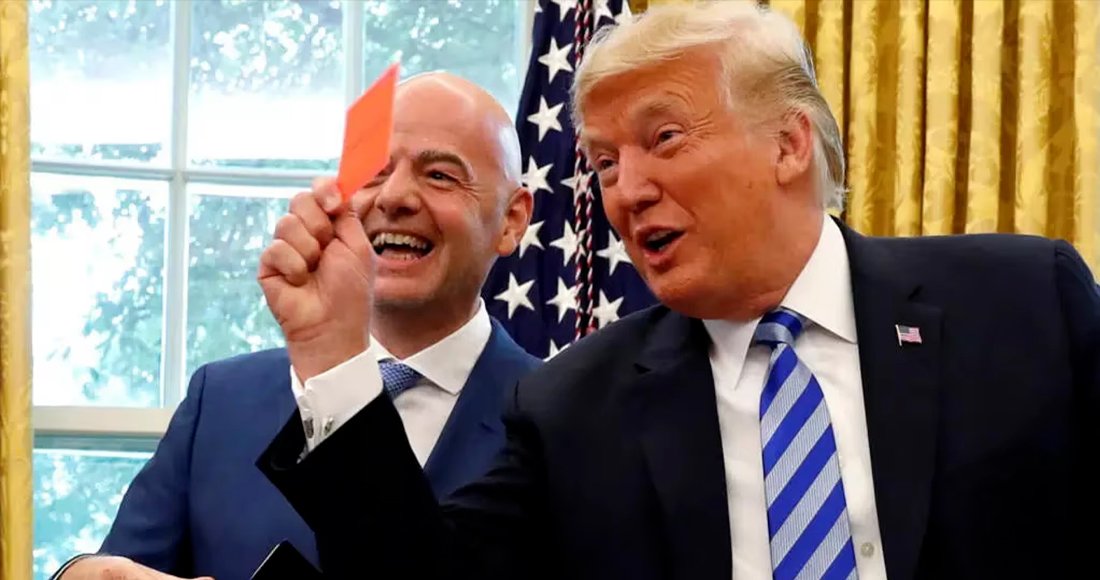
- Expanded World Cup Opens New Financial Era
This World Cup, hosted in the United States, Mexico, and Canada, has opened new doors of financial potential for FIFA. With 48 teams, 104 matches, and more ticket sales than ever before, income has increased unprecedentedly.
Although the extremely high ticket prices for the World Cup have been widely discussed, they have significantly boosted FIFA's commercial revenue. FIFA also expects to set new records in broadcasting rights and commercial agreements.
- Greater Financial Power Than the Olympics
At one time, the Summer Olympics were considered the biggest sporting event in the world. But now, the World Cup has surpassed that position.
The Summer Olympics held in Paris two years ago generated approximately $5 billion USD (NPR 772.30 billion). The European Championship (Euro) held in Germany the same year generated $2.9 billion USD (NPR 447.934 billion).
However, the 2026 World Cup is set to leave all these events far behind financially.
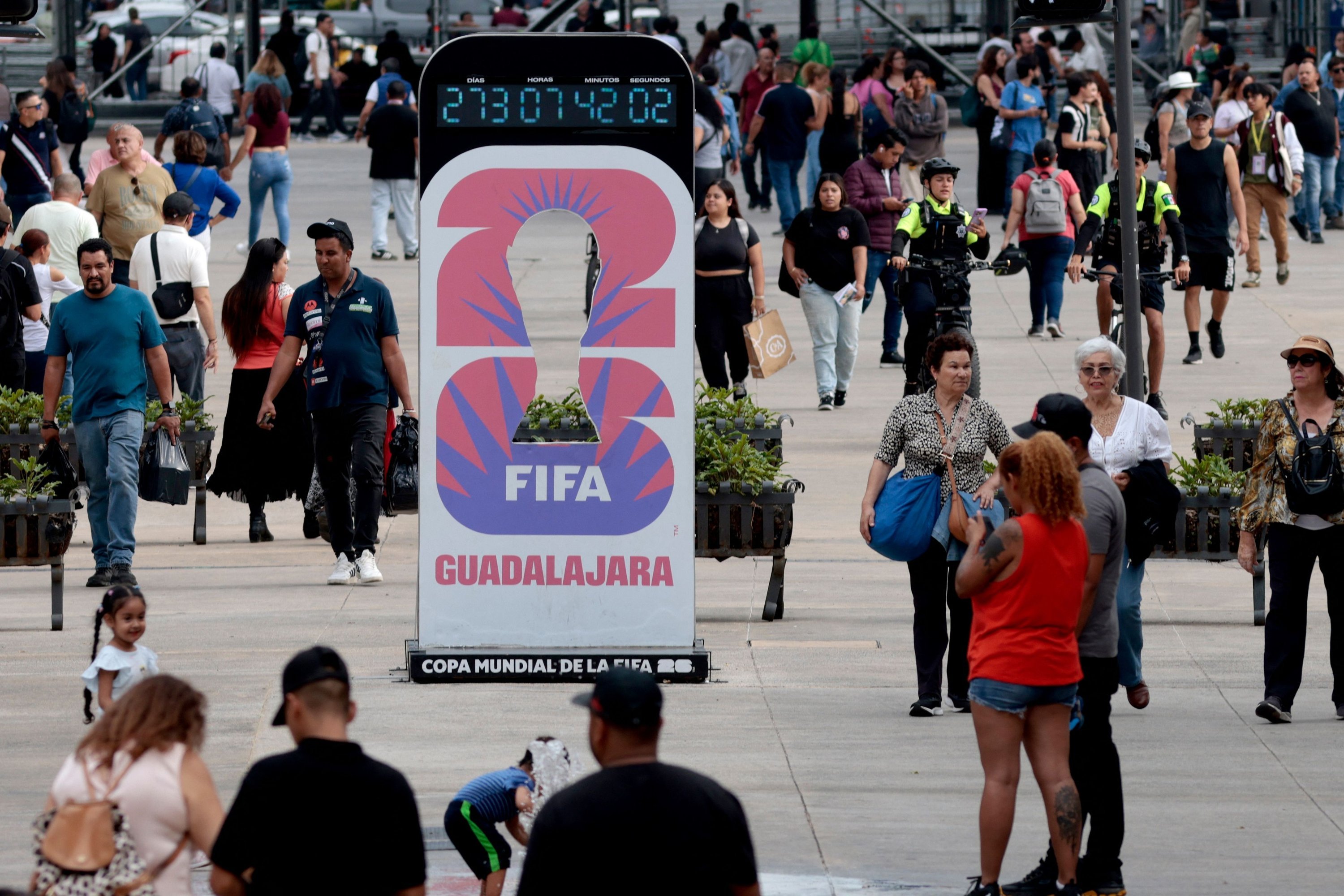
- 'A Game of Supply and Demand'
According to Professor Rob Wilson, Dean of the University Campus of Football Business (UCFB) in the UK, the financial success of the World Cup is based on the principle of supply and demand.
He states that since the World Cup is held only once every four years, its supply is extremely limited, but its demand has increased rapidly over the past two decades.
He says, 'It is at this intersection of limited supply and high demand that FIFA sets its prices. It knows the true value of its competition.'
- America Provided a Golden Opportunity
Out of the 104 matches in this World Cup, 78 were held in the United States. All matches from the Round of 16 onwards were also held in the US. Hosting the World Cup in the world's most developed sports market presented a huge financial opportunity for FIFA.
Here, spectators are accustomed to paying high prices for games, so ticket prices were significantly increased. Despite this, over 6 million spectators attended the matches. They were willing to pay the high ticket prices.

- $3.5 Billion from Ticket Sales Alone
According to FIFA's projections released last year, it was expected to earn $3.5 billion USD (NPR 540.61 billion) from ticket sales and hospitality services alone in the 2023-2026 four-year cycle. This amount is three times more than the record set by the Qatar World Cup.
The main reasons for this are the increase in the number of teams from 32 to 48, the increase in the number of matches from 64 to 104, and the doubling of available tickets.
- Additional Earnings from 'Dynamic Pricing'
This time, FIFA has implemented a dynamic pricing system. In this system, ticket prices change according to demand. Similarly, when tickets are sold through resale platforms, FIFA has arranged to charge a 15-15% fee on each transaction. This has further increased FIFA's revenue.
However, according to FIFA's own estimates, it will be very difficult to double the ticket revenue from the 2030 World Cup as it was in the current one. The 2025 financial report projects a decrease in revenue from tickets and hospitality services by approximately $938 million in the 2027-30 period. It is analyzed that even with the expansion to 64 teams, it will not be easy to replicate the financial success of 2026.
- America Opened a Vast Market for Commercial Opportunities
Not only from ticket sales, but the 2026 World Cup has also brought unprecedented revenue to FIFA through commercial partnerships and sponsorships. With most of the games held in the United States, the world's largest consumer market created new opportunities for the World Cup. According to a senior FIFA commercial official, the World Cups held in Russia and Qatar were challenging commercially, but the World Cup to be held in the US was viewed as the 'biggest target' from the outset.
FIFA's long-term partners (Adidas, Coca-Cola, Visa, Aramco, and Hyundai) pay between $80 to $100 million USD annually. In addition, new sponsors like Bank of America and McDonald's have also spent up to approximately $100 million USD (NPR 15.446 billion) to associate with the World Cup.
Similarly, 14 'supporter' companies, including Home Depot and American Airlines, have also made deals worth up to approximately $40 million USD (NPR 6.1784 billion).
According to Phil Carling, Head of Football at international sports and entertainment agency Octagon, participating in a World Cup hosted in their own domestic market was a matter of prestige for many American companies. Some companies were not particularly associated with football before, but because the US was the host, they also made significant investments.
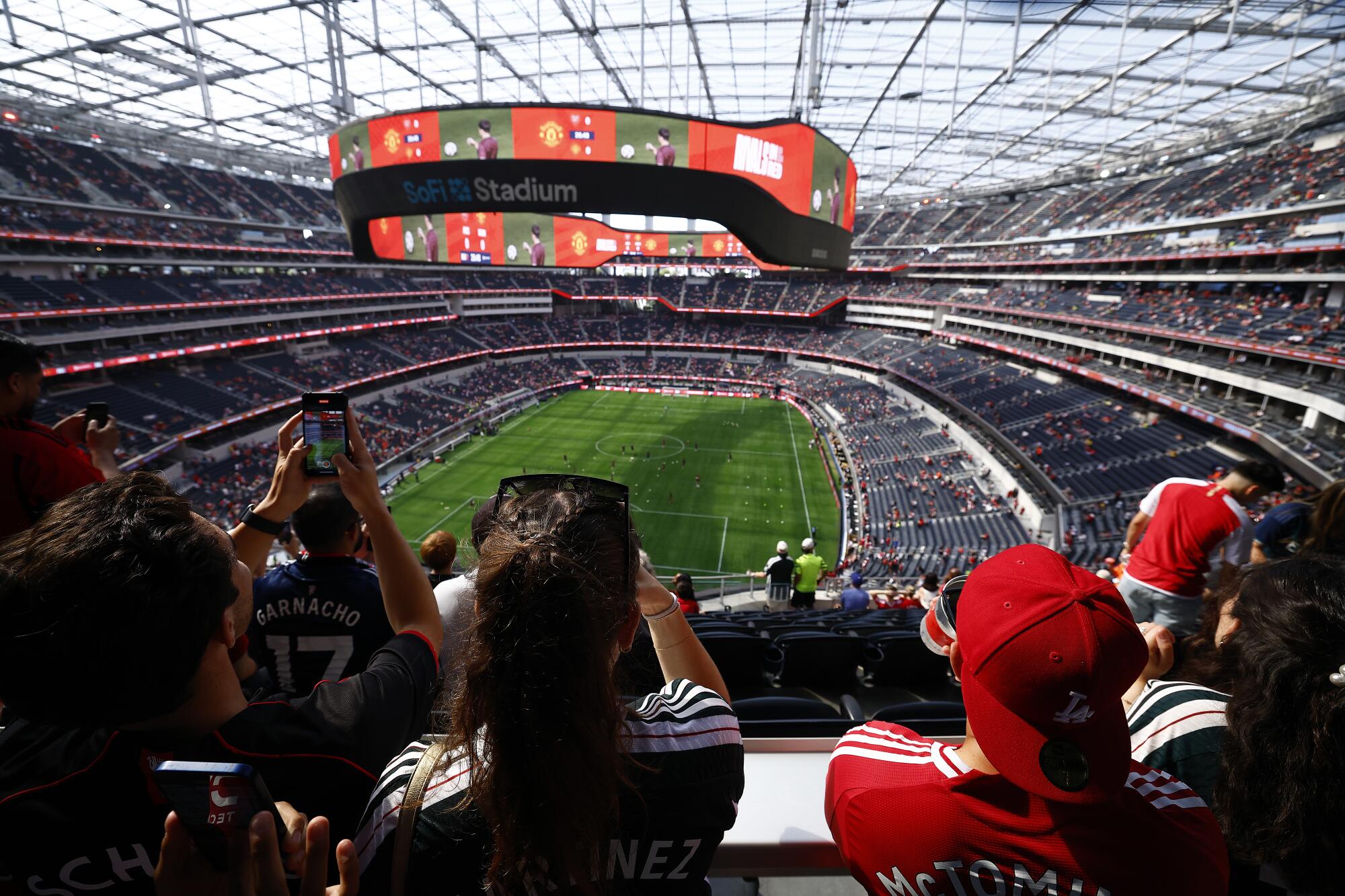
- Football is No Longer Just a Game, but a Global Cultural Force
FIFA believes that the biggest financial potential in the coming years will come from marketing rights. Following the Qatar World Cup, the global popularity of football has further increased, leading to rapid expansion of commercial revenue. Compared to the 2007-10 cycle, FIFA's commercial revenue has increased nearly fourfold.
Phil Carling says, 'Football is no longer just a game, it has become a global cultural phenomenon. There is no other mega-event like the World Cup. Even the Olympics cannot match it. Neither is the Super Bowl nor any other competition close to it.'
- World Cup Followed by 6 Billion People
FIFA estimates that this World Cup has been followed in some form by 6 billion people worldwide. However, this number includes the overall participation of people connected to the event through news, social media, and other means, not just direct television viewers.
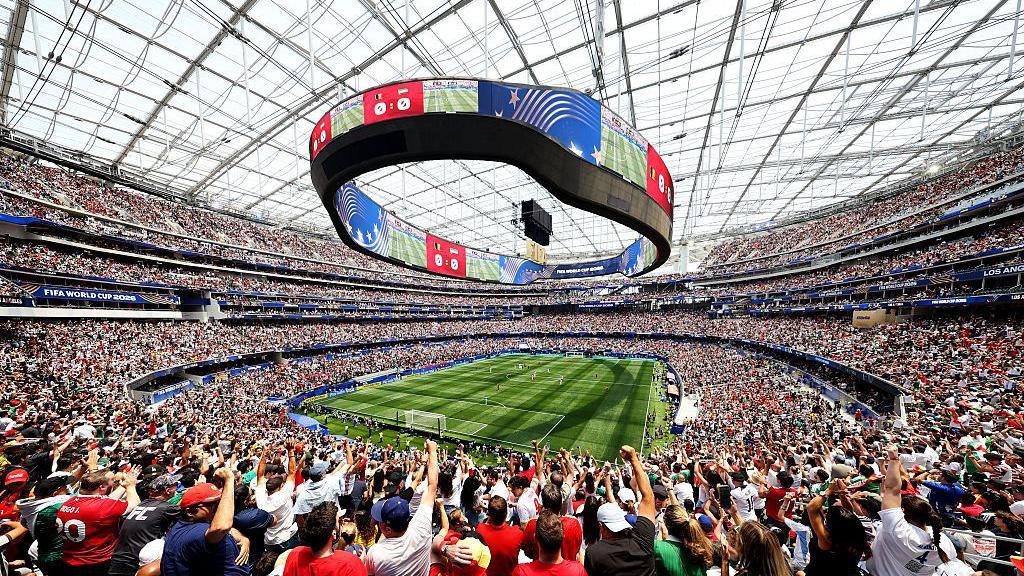
Television statistics also show that interest in the World Cup has increased. In the United States, the final 16 match of the home team was watched by 30 million viewers on Fox television, setting a new record there. In Canada, the match against Morocco was watched by 5.4 million viewers, which is said to be the highest number of television viewers in Canadian football history.
In European countries like Portugal and Norway, nearly half of the population watched their team's matches. FIFA states that in Sweden, the opening match against Tunisia captured 96 percent of the domestic television audience.
- Over $5 Billion from Broadcasting Rights Alone
The biggest source of income for the World Cup is still television broadcasting rights. FIFA estimates that in the 2023-2026 cycle, broadcasting rights alone will generate $5.2 billion USD (NPR 803.192 billion). This maintains broadcasting rights as FIFA's largest revenue source.
However, there are some legal limitations to increasing FIFA's revenue in the European market. According to a European Commission decision, World Cup matches must be available for free viewing by everyone, so in many countries, broadcasting rights can only be purchased by public television organizations like BBC, ITV, ARD, and ZDF. Experts say this has reduced competition and prevented FIFA from charging higher prices.
According to television rights expert Pierre Messa, 'FIFA cannot sell its product to the richest buyers. Therefore, it has become difficult to increase revenue from broadcasting rights in Europe.' For this reason, Europe's share is decreasing. While Europe accounted for 50 percent of broadcasting revenue in 2007-10, it has now fallen to 31 percent.
Instead, the Middle East, North Africa, and North American markets are emerging as new opportunities for FIFA.
- FIFA's New Target: Over $13 Billion in Revenue
Although the 2026 World Cup is expected to generate approximately $10 billion USD in revenue, FIFA's ambition is not limited to this. The organization has already announced a target of earning over $13 billion USD (NPR 2007.98 billion) in the four-year cycle from 2027 to 2030. This is an increase of nearly 30 percent compared to the previous cycle.
However, there is also a major challenge. The 2026 World Cup was held in a vast sports market like the United States, resulting in extraordinary revenue from ticket sales, hospitality, and sponsorships. The 2030 World Cup will be hosted in Spain, Portugal, and Morocco, with the first three opening matches taking place in South America – Argentina, Uruguay, and Paraguay. FIFA itself estimates that it will not be easy to replicate the commercial potential of the US there.
- Projected Decrease in Ticket Revenue
According to FIFA's published financial projections, ticket sales and hospitality revenue for the 2030 World Cup may decrease by approximately $940 million USD compared to 2026. Therefore, the organization is now adopting a strategy to make broadcasting rights, digital content, new commercial partnerships, and global marketing its primary future revenue sources.
- Will the 64-Team World Cup Change the Picture Again?
FIFA President Gianni Infantino has also hinted that discussions are ongoing about the possibility of expanding the 2030 World Cup to include up to 64 teams.
If this happens, revenue from the number of matches, ticket sales, broadcasting rights, and sponsorships could increase significantly. However, concerns have also been raised about the quality of the competition, the workload on players, and the excessive length of the tournament.
- World Cup: Now Not Just a Game, but a Global Industry
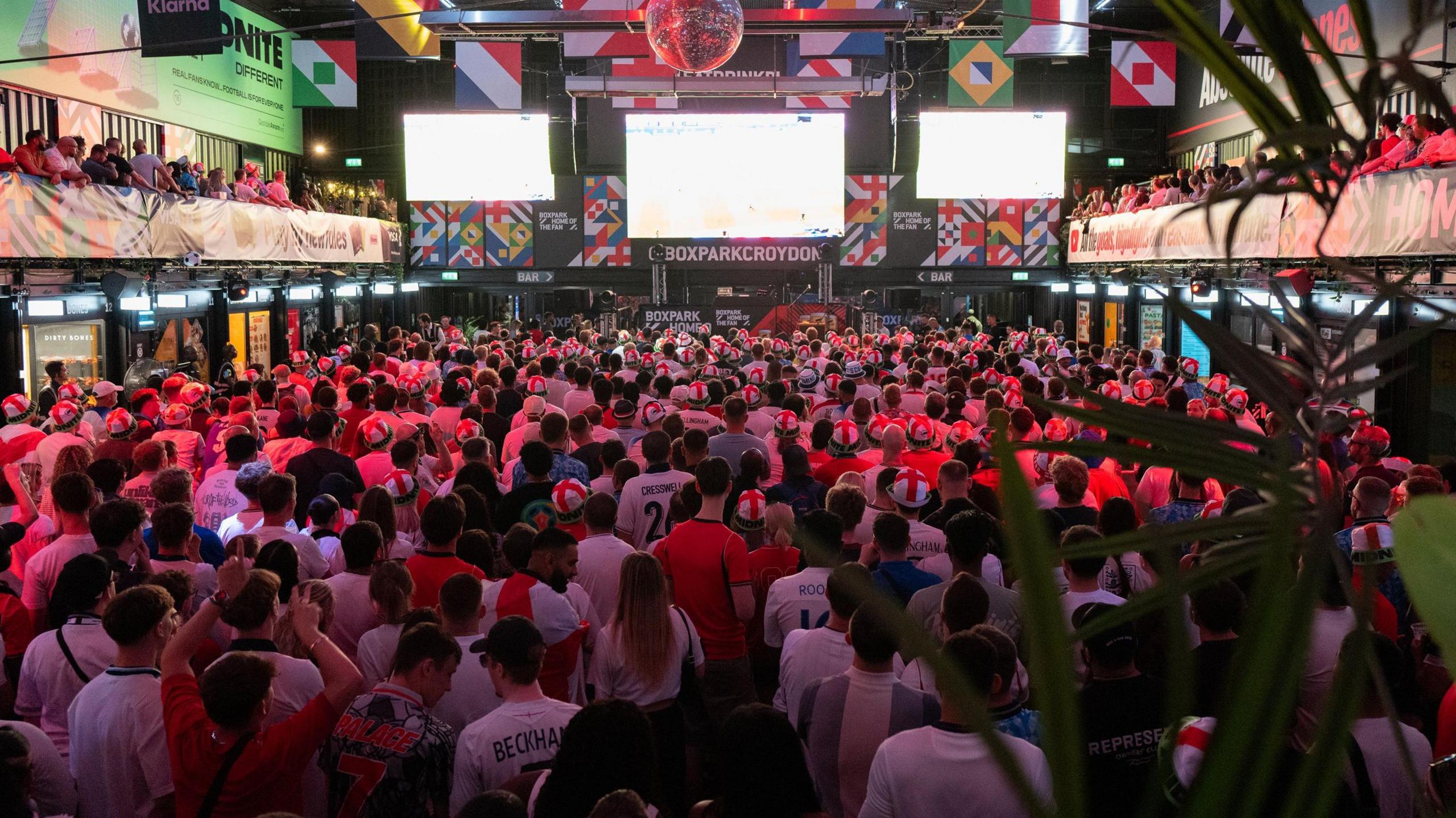
Football was once just a sporting event. But now, the World Cup has become a massive global industry for entertainment, business, advertising, broadcasting, and digital content.
FIFA's financial data shows that the World Cup is no longer limited to just 90 minutes of play. It has transformed into a multi-billion dollar economic system connecting major global companies, broadcasting institutions, digital platforms, the tourism industry, and millions of fans.
- New Financial Benchmark for World Sports
According to experts, the 2026 World Cup has sent a clear message – football is now the most powerful sports brand in the world.
No other sporting event, including the Olympics, Super Bowl, or any other competition, can create the same global audience, commercial partnerships, broadcasting market, and economic impact as the World Cup. Therefore, the 2026 World Cup will be remembered not only as an excellent football competition but also as the first sports mega-event in history to earn $10 billion USD (trillions in Nepali Rupees).
This specific news has been automatically translated by AI. As a result, there may be some inaccuracies or language errors.





_iL3K2wYemS.jpg)