Prime Minister Balen Shah Engages with Private Sector on Footwear Industry Challenges


Kathmandu. Prime Minister Balen Shah has been busy in discussions with the private sector for the past two weeks. Prime Minister Shah, who did not meet anyone for the first 100 days of his premiership, has been in continuous dialogue with the private sector for the last two weeks.
Initially, he discussed with the chairpersons and representatives of the three umbrella organizations of the private sector, and then continued discussions with industrialists and businessmen from various sectors.
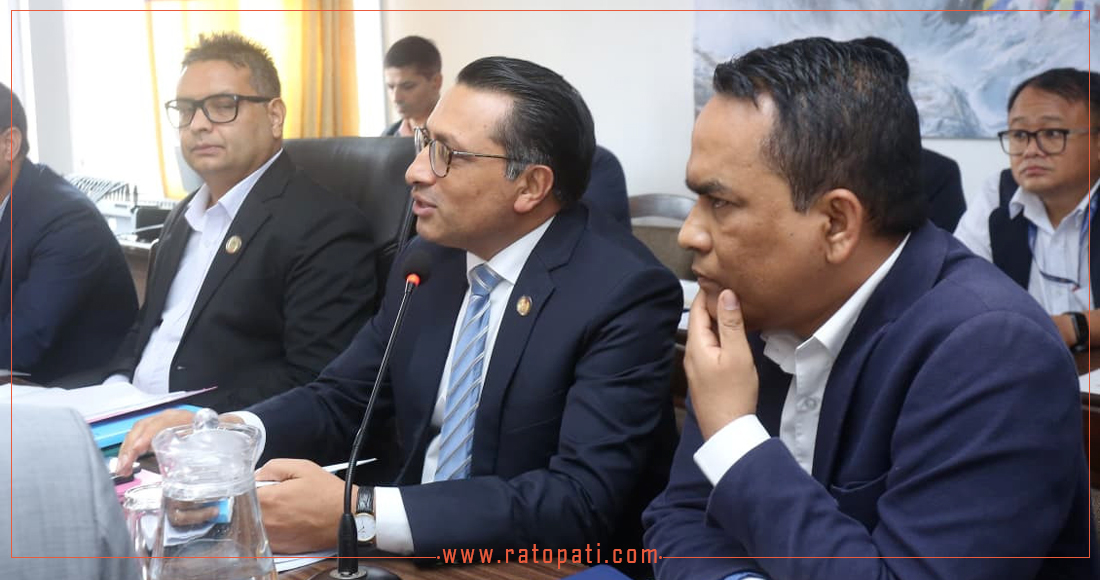
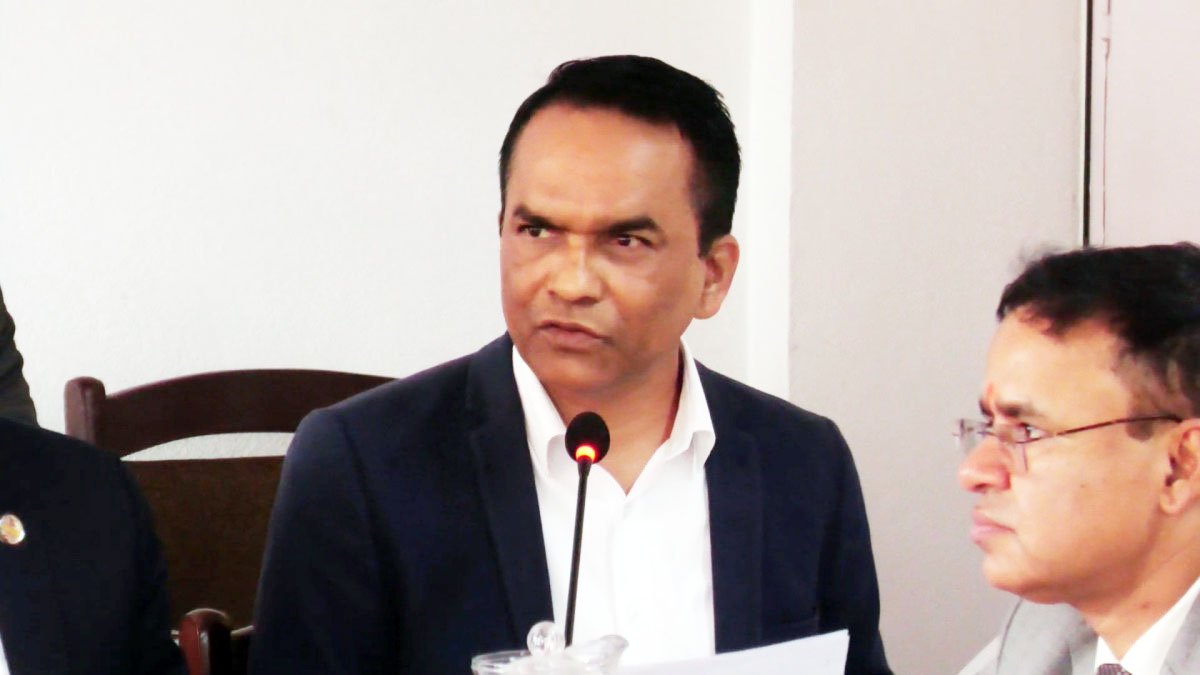
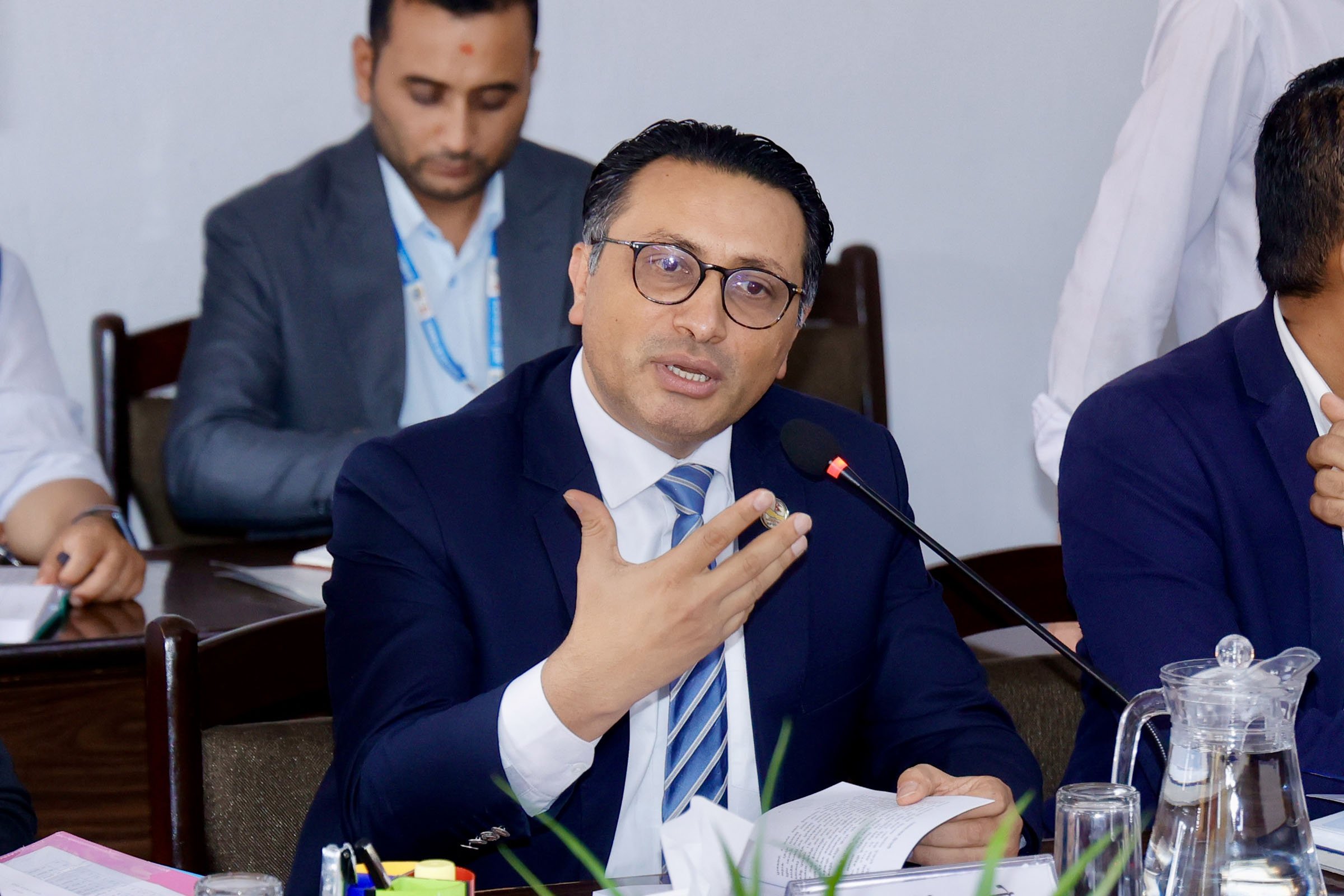
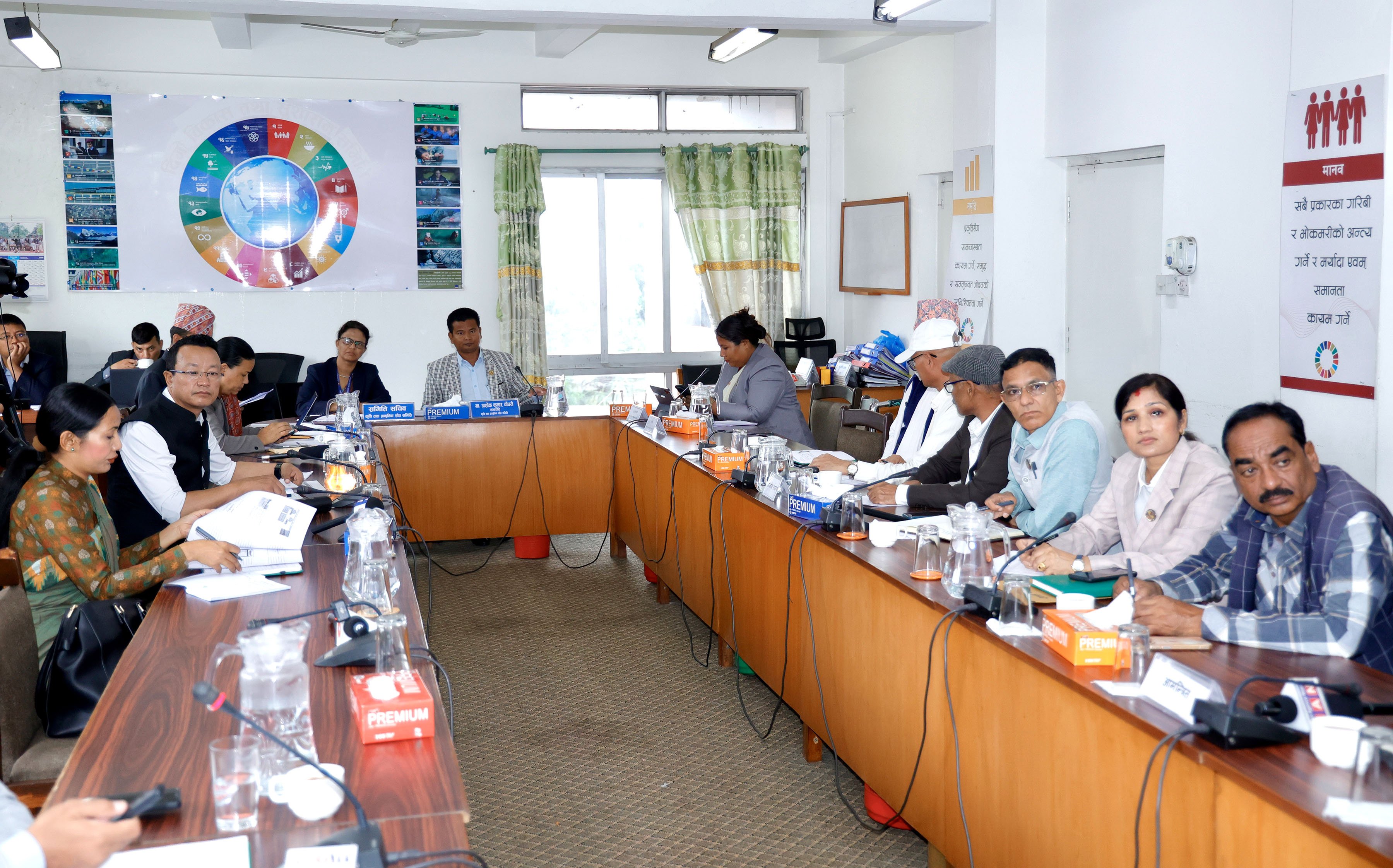
In this regard, on Friday, the Prime Minister held a serious discussion with representatives of the Manufacturers Association of Nepal (FMAN). During the discussion, businessmen complained that domestic industries have been devastated due to illegal smuggling (smuggling) through various Indian borders. Prime Minister Shah took seriously the issue that domestic products cannot compete as the market is captured by shoes and slippers entering without bills and with low valuation.
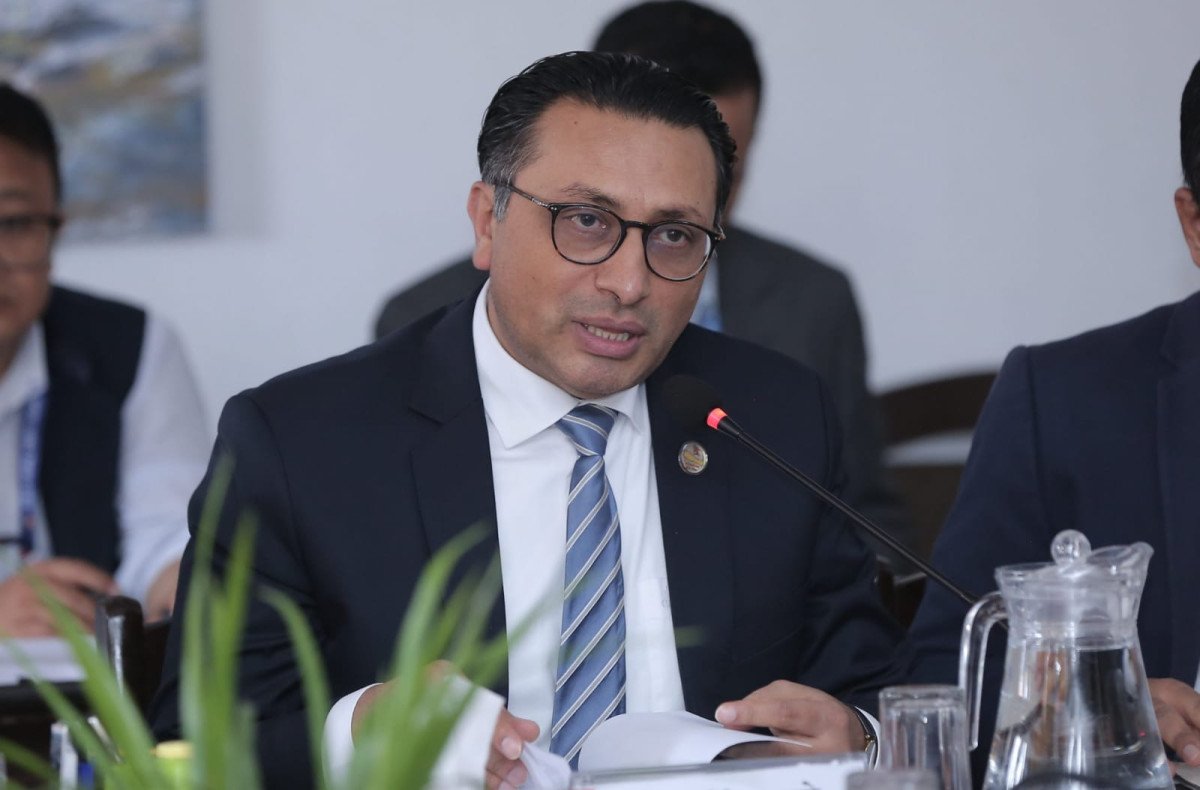
In the discussion, Prime Minister Shah expressed his commitment to take concrete steps at the policy and institutional level for the promotion of domestic products, import substitution, and job creation with footwear businessmen. He also said that a special task force would be formed to control smuggling.
According to Suraj Banjade, Chairman of the Manufacturers Association of Nepal, who participated in the discussion, Prime Minister Shah said, 'Goods sold without bills will be strictly controlled. A special task force will be formed in coordination with customs, the Department of Commerce, the Nepal Police, and the Armed Police Force to effectively control smuggling.'
This step is expected to control revenue leakage and create an environment for domestic entrepreneurs to invest with confidence.
Currently, about 1,200 shoe and slipper industries, including small, medium, and large, are in operation in Nepal. These industries are providing employment to thousands of Nepali youths. However, this sector has been facing various challenges for a long time due to open borders and weak regulation.
- Strictness on Quality and 'Country of Origin'
In the discussion, businessmen demanded that mandatory quality testing should be implemented for shoes and slippers imported from third countries, and that 'Country of Origin', MRP, and labeling should be clear. The association drew the government's attention to the fact that low-quality and cheap imported materials also affect public health.
In response, the Prime Minister said that mandatory quality standards would be implemented for imported shoes and slippers and market monitoring would be intensified, informed Chairman Banjade. The Prime Minister also assured the businessmen that the tracking and record management for raw material imports would be made effective through a digital system according to the production capacity of the industries.
Another major problem faced by Nepali industries is the lack of skilled manpower. To address this, the government has agreed to conduct a 'skill-based training' program in coordination with all three levels of government. This is expected to make Nepali youth skilled in shoe manufacturing and reduce the trend of going for foreign employment to some extent.
Similarly, the government is going to prepare a 'rapid response mechanism' to immediately resolve disruptions in the supply chain of industries. This mechanism will quickly solve the problem of raw materials taking months to arrive due to disorganized highways and customs procedures.
- Concessions and Export Promotion
To make Nepal self-reliant in shoes and slippers and move towards export, businessmen demanded concessions in taxes and electricity charges from the government during the discussion. Regarding the businessmen's demands, Prime Minister Shah said, 'Direct cash grants may not always be possible, but we will encourage export-oriented industries by providing concessions in tax and electricity charges.'
- Interesting Dialogue Between Prime Minister and MP Bidushi Rana
MP and entrepreneur Bidushi Rana of the Rastriya Swatantra Party also participated in the discussion. During the discussion, Prime Minister Shah asked an interesting question regarding MP Rana's role.
According to a businessman present, the Prime Minister asked MP Rana, 'Many MPs have come from the private sector in the past, but they could not raise the voice of the private sector, banking, and entrepreneurs as effectively as you have. How did you succeed?'
In response, MP Rana attributed her success more to the leadership's willingness than to her own efforts. Responding to the Prime Minister's question, she said, 'I am just a medium. If these problems are heard today and move towards solutions, the main reason is the leadership of the honorable Prime Minister. Change is possible only when the country's leadership is ready to listen, understand, and work.'
- New Enthusiasm Among Businessmen
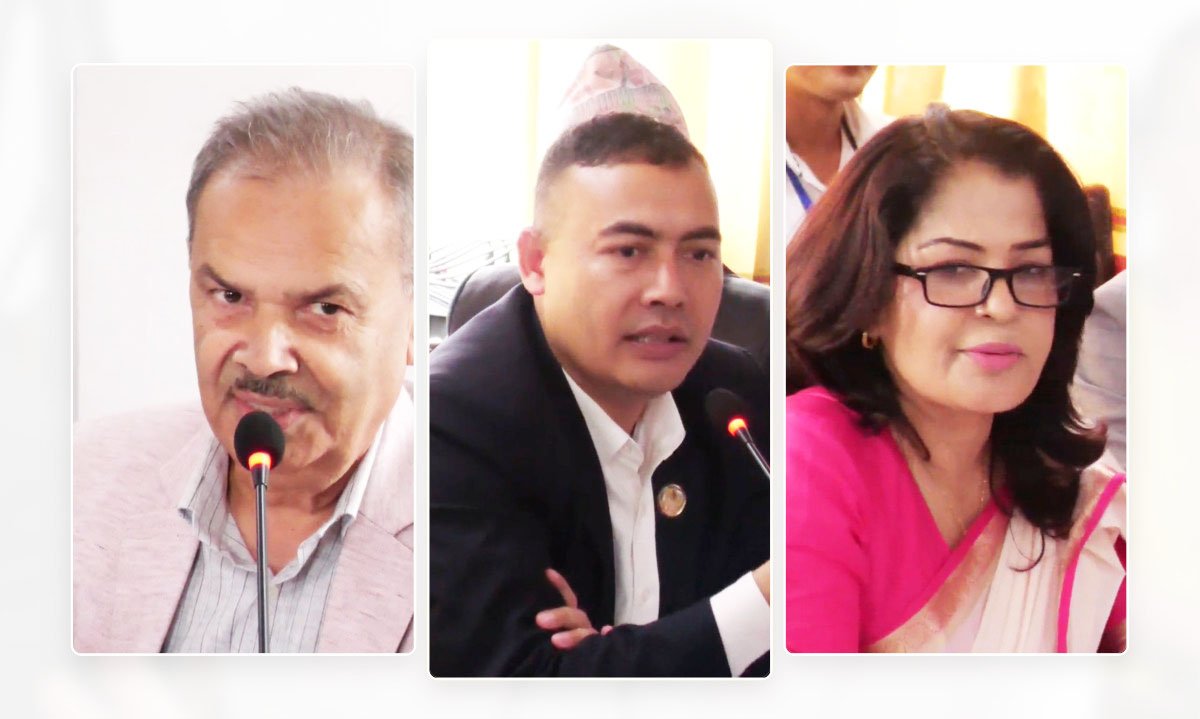
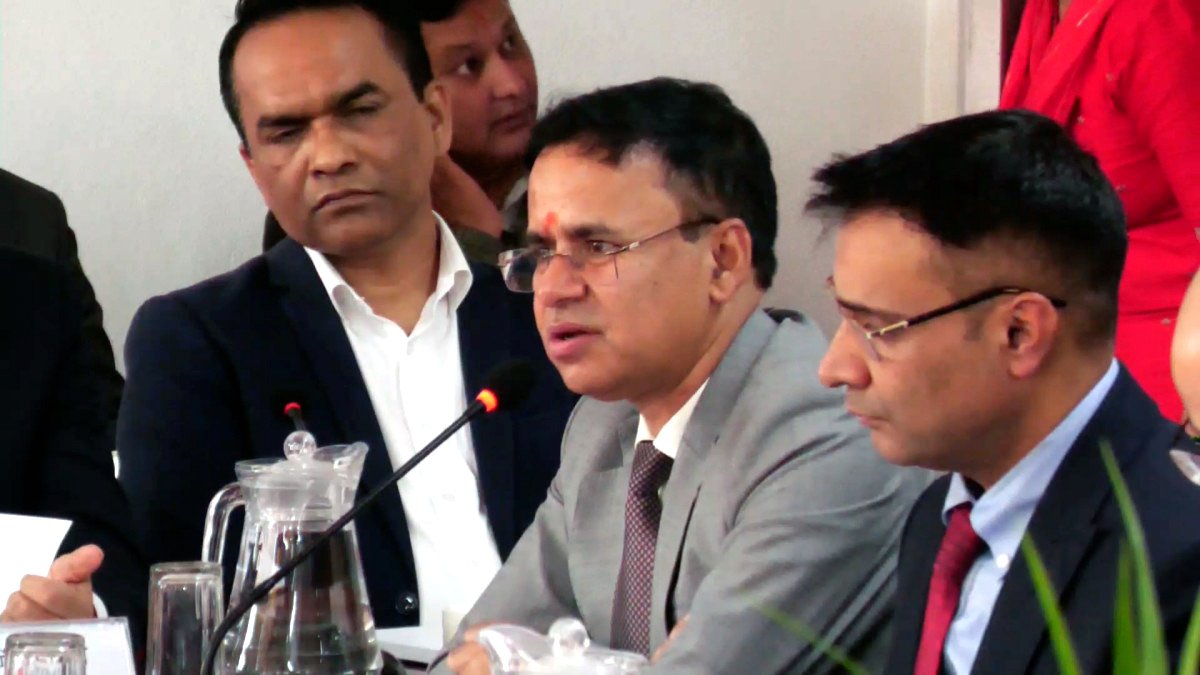
In the discussion, Association Chairman Suraj Banjade mentioned the difficulties faced by industrialists due to hassles in raw material import and the poor condition of highways, urging for immediate action. Similarly, former chairman Rudra Neupane, General Secretary Nirmal Bhattarai, and advisor Kalidas Gautam claimed that Nepali shoe industries are capable of competing in the global market if the government protects the market.
The Prime Minister's positive commitment and clear action plan for problem-solving have added new enthusiasm among shoe and slipper manufacturers who have been neglected for years. Banjade said that if the government's commitments are implemented, Nepal's shoe industry will make a significant contribution to the country's Gross Domestic Product (GDP) and the 'Make in Nepal' campaign will be realized.
This specific news has been automatically translated by AI. As a result, there may be some inaccuracies or language errors.