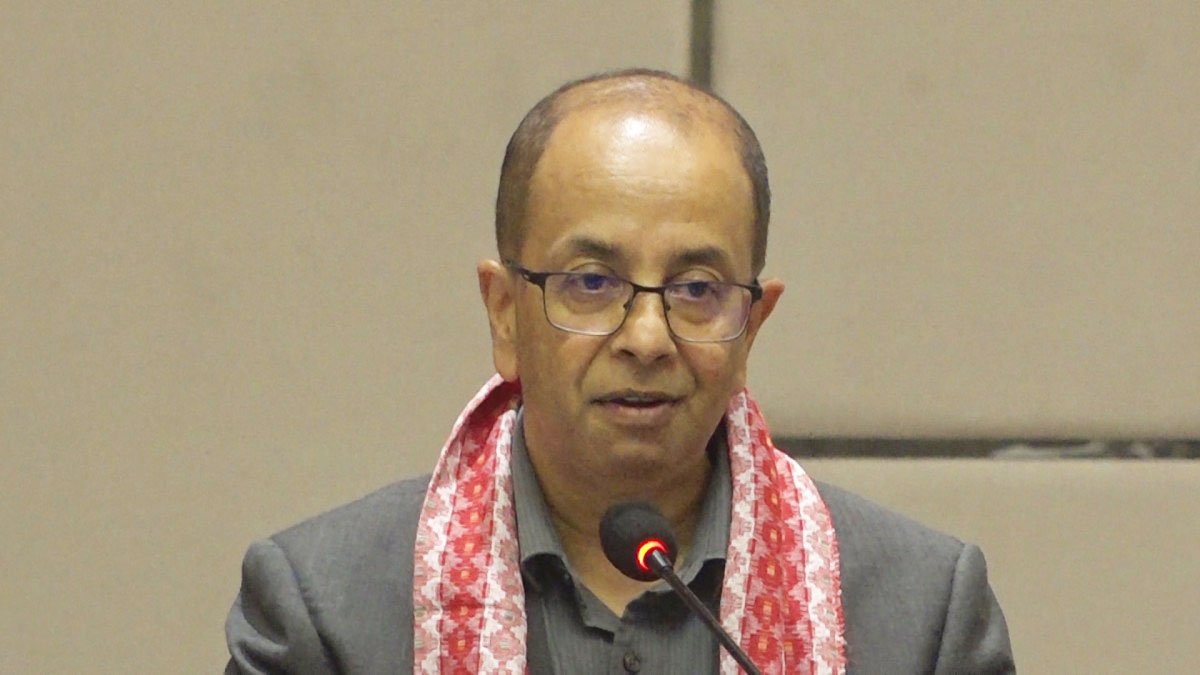
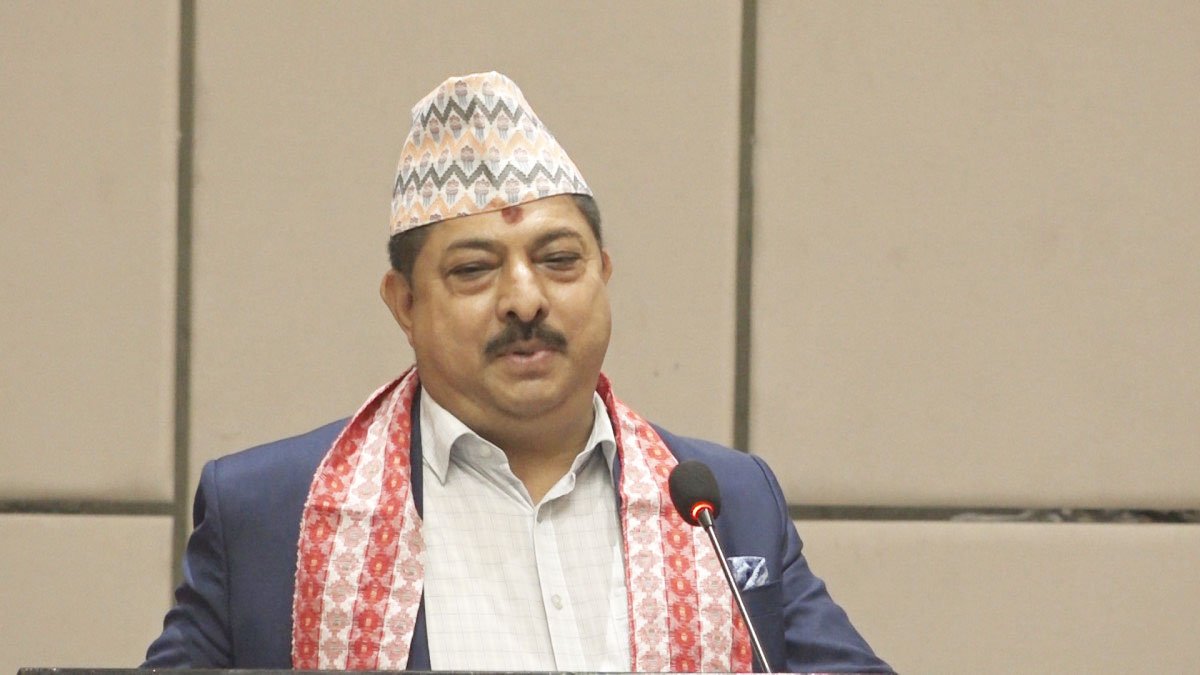
Parliamentary Committee Discusses Nepal Rastra Bank Act Amendment Bill

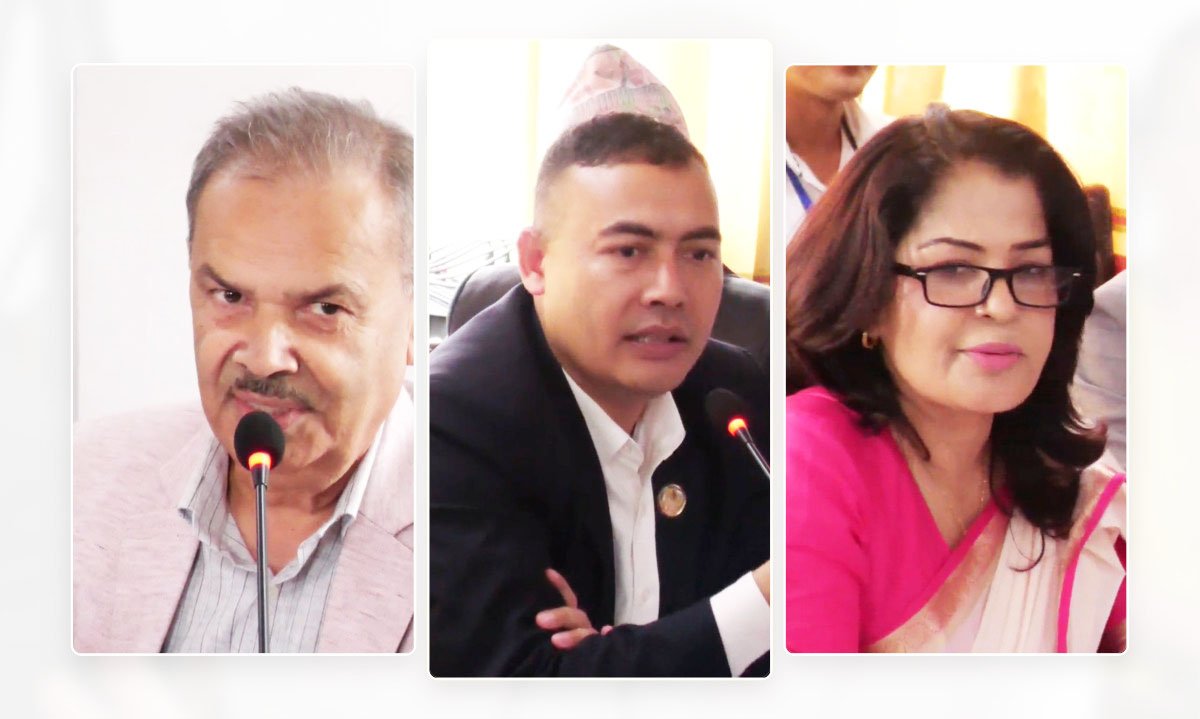
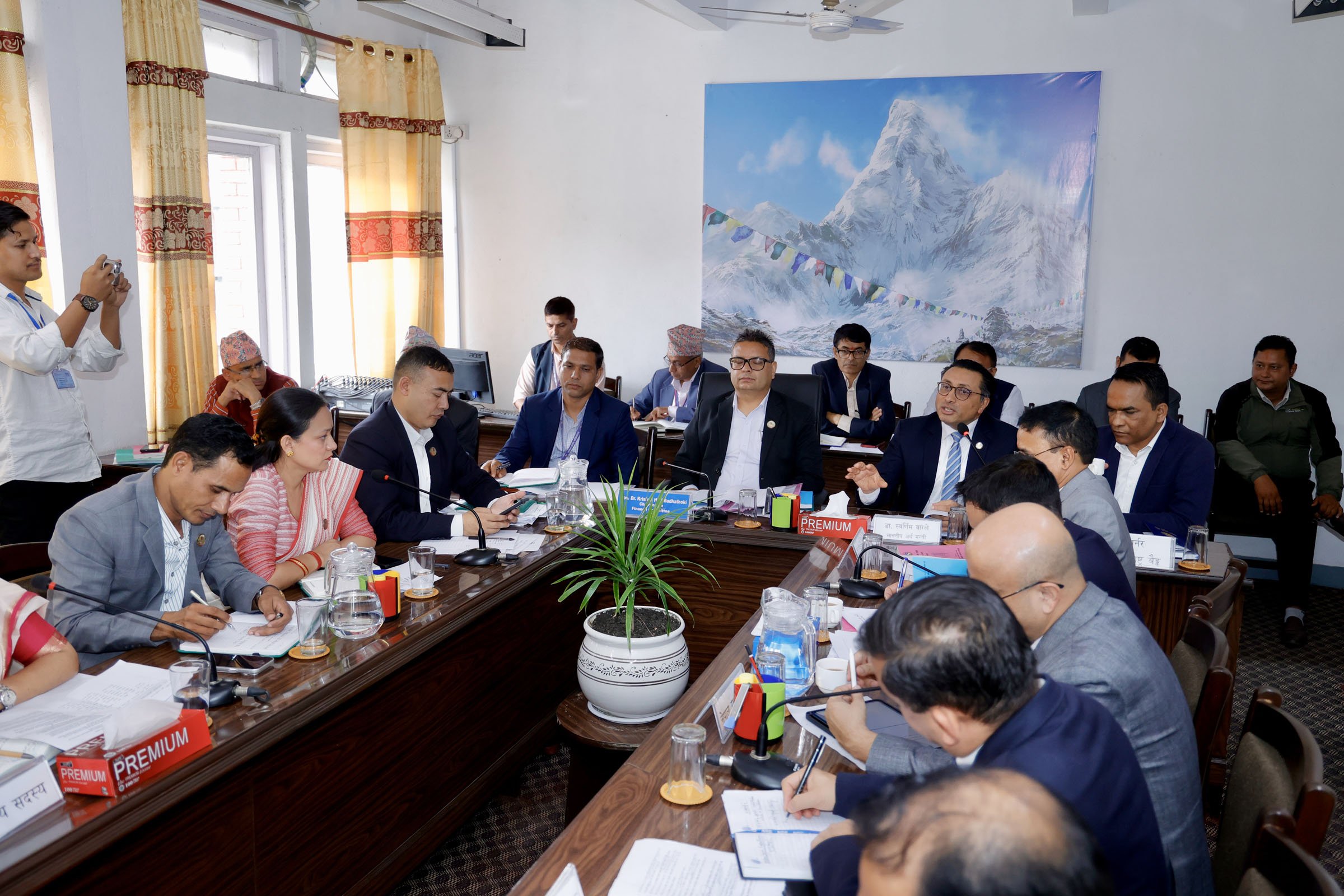
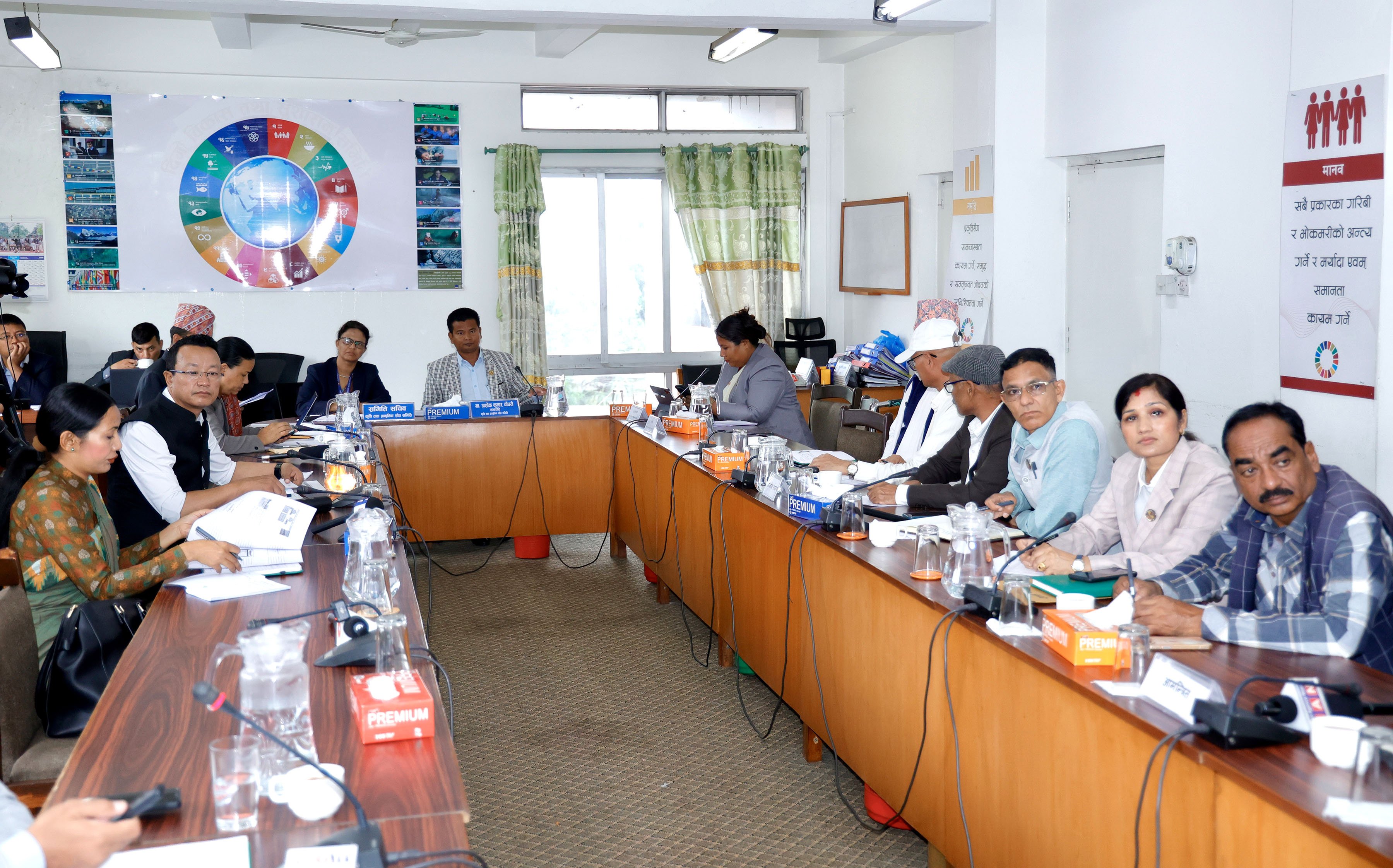
Kathmandu. Preliminary discussions were held in the Finance Committee of the Federal Parliament on the 'Bill to Amend the Nepal Rastra Bank Act, 2058'.
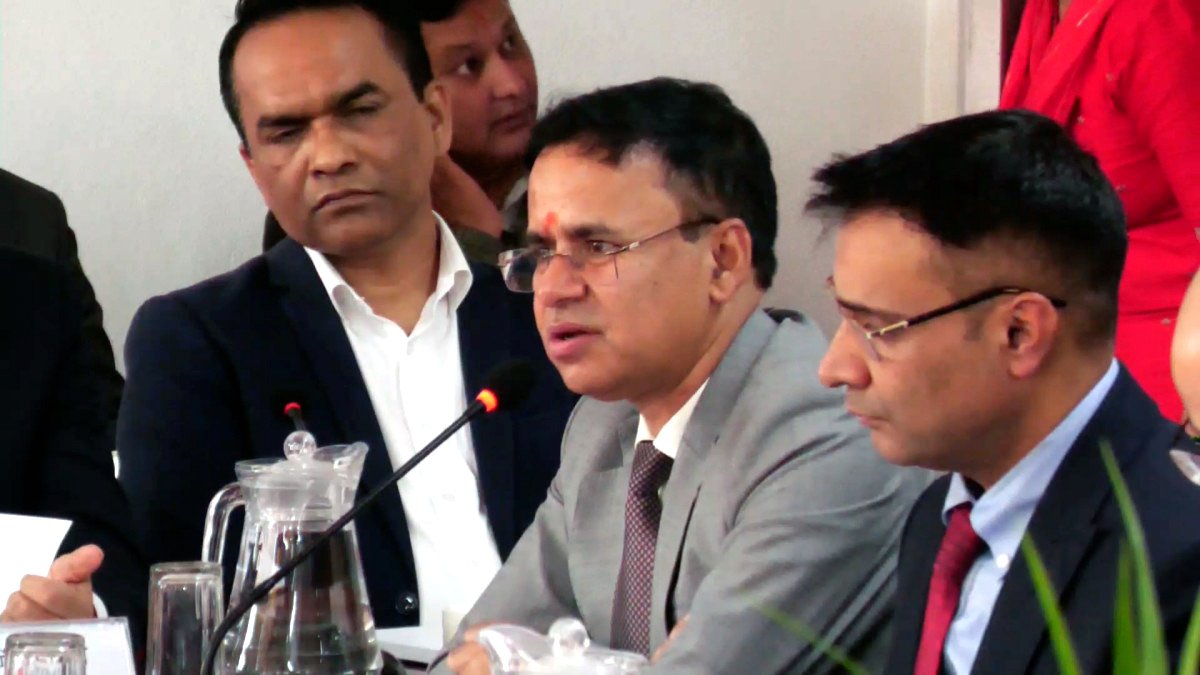
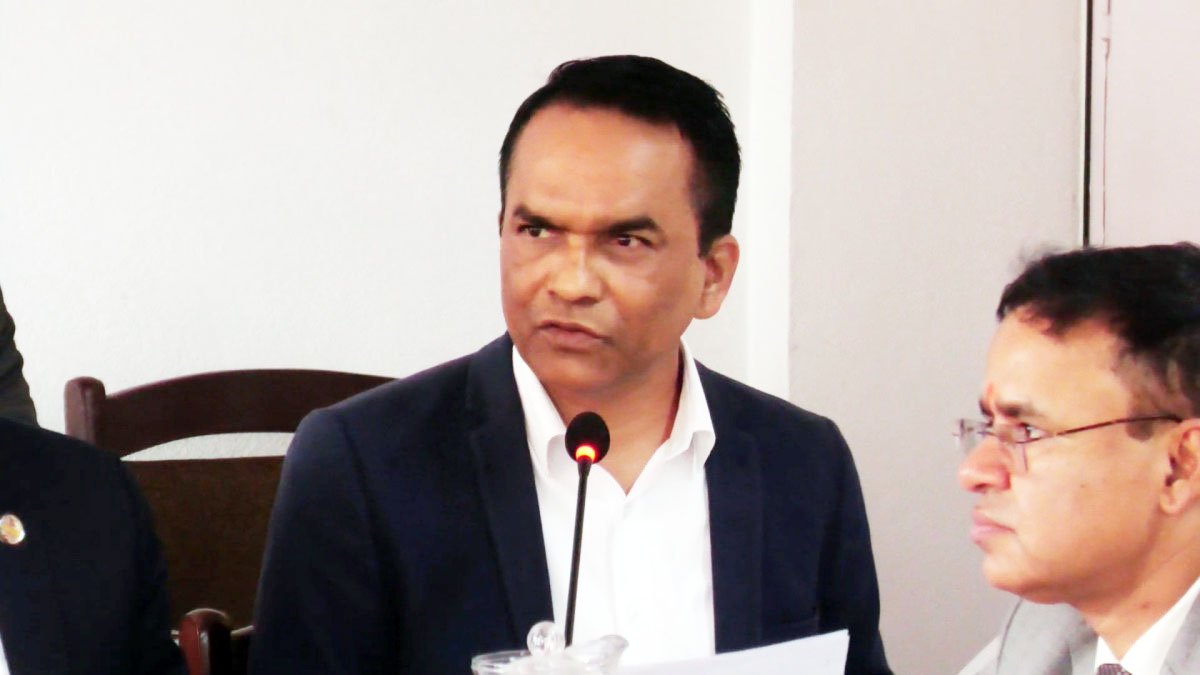
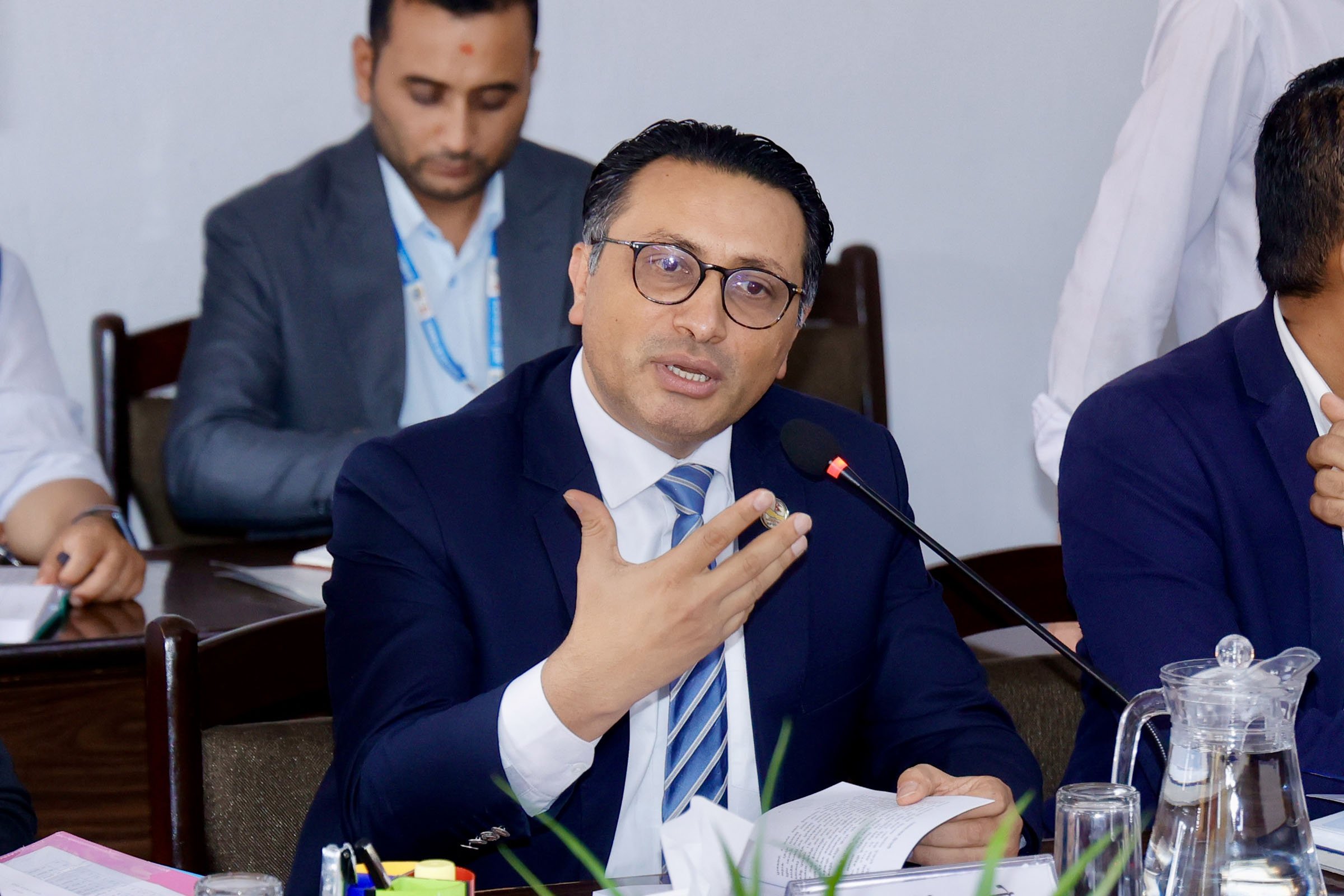
In the meeting, MPs expressed their views on the autonomy of the central bank, the structure of the board of directors, and contemporary reforms in the financial sector. During the discussion, MPs presented various suggestions to maintain the independence of the bank.
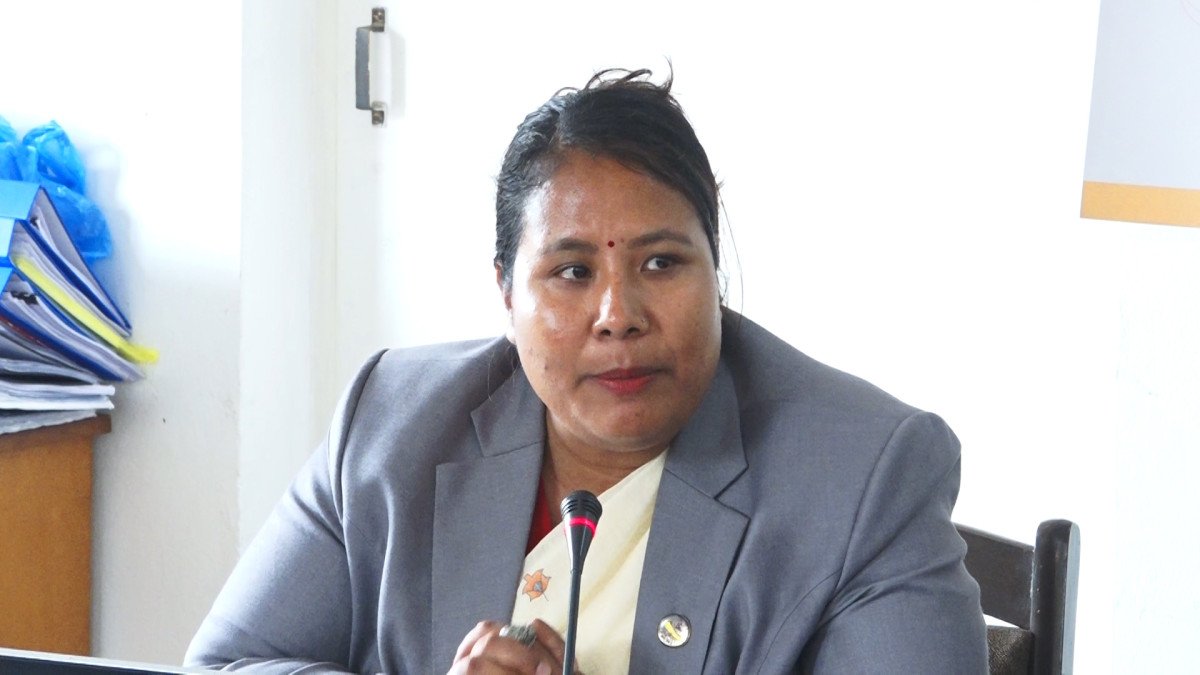
During the discussion, Rastriya Swatantra Party (RSP) MP Lima Adhikari Acharya proposed that the Finance Secretary should not be included in the board of directors to strengthen the autonomy of the Rastra Bank. Pointing out the possibility of direct executive interference in monetary policy, she argued that the representative of the Ministry of Finance should only be an invited member or observer.
Similarly, she emphasized that at least one woman member should be mandatory on the board of directors and that qualified experts from outside the bank should also be included in the appointment process of the Deputy Governor.
Speaking about the career development of employees and legal errors, MP Acharya said, 'The cooling period for Rastra Bank employees should be reduced from three years to two years.'
To make monetary policy more transparent, she suggested establishing a 'Monetary Policy Committee' and making its decisions public. She demanded that the existing provision of disqualifying bank chief executive officers (CEOs) or directors for up to five years due to technical errors be corrected as it is irrelevant.
- Interest in 'New and Energetic Workforce' and Digital Banking Costs
Another RSP MP, Sushil Khadka, stated that while the operational autonomy of the Rastra Bank is indispensable, it is a body of the state, and therefore, the strategic guidance of the government is necessary. He emphasized the use of 'new and energetic workforce' (new blood) to advance the institution's momentum in line with market needs in the era of technology and fintech.
MP Parshuram Tamang, however, expressed concern about the cost of banking digitalization and its potential impact on Gross Domestic Product (GDP). Mentioning that digital banking is very expensive for least developed countries, he demanded a plan of action from the Rastra Bank to mitigate the risks created by cryptocurrency.
CPN-UML MP Dr. Pushparaj Kandel suggested that the amendments to the Nepal Rastra Bank Act, the Banks and Financial Institutions Act (BAFIA), and the Banking Offenses Act should be advanced together. He stated that separate discussions could lead to legal complexities as these acts are interrelated.
The clause-by-clause discussion on the bill in the Finance Committee will continue in the upcoming meetings.
This specific news has been automatically translated by AI. As a result, there may be some inaccuracies or language errors.
_A6FeUF9WWh.jpg)