
Lawmakers Urge Integration of Forest Policy with Economy, Production

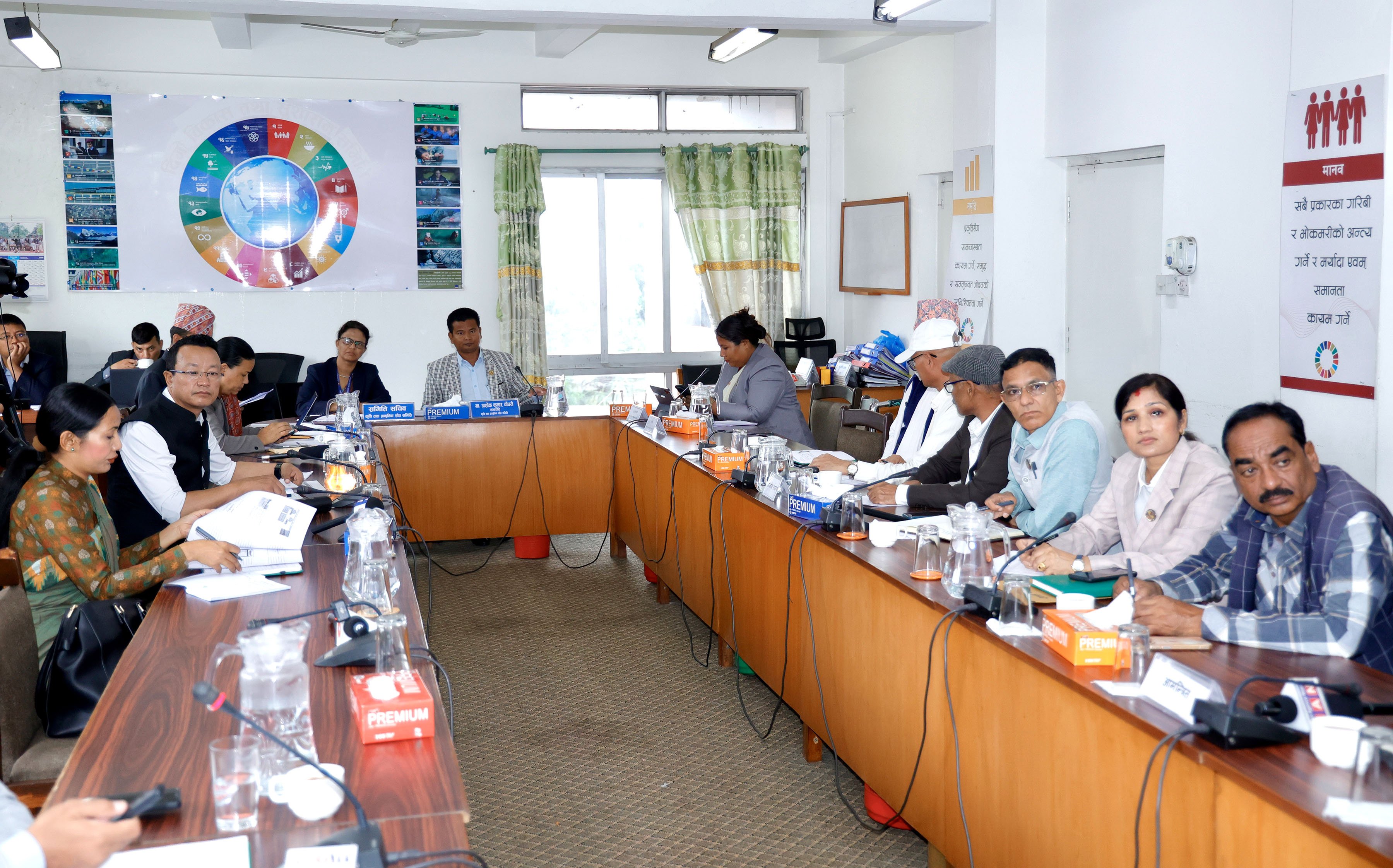
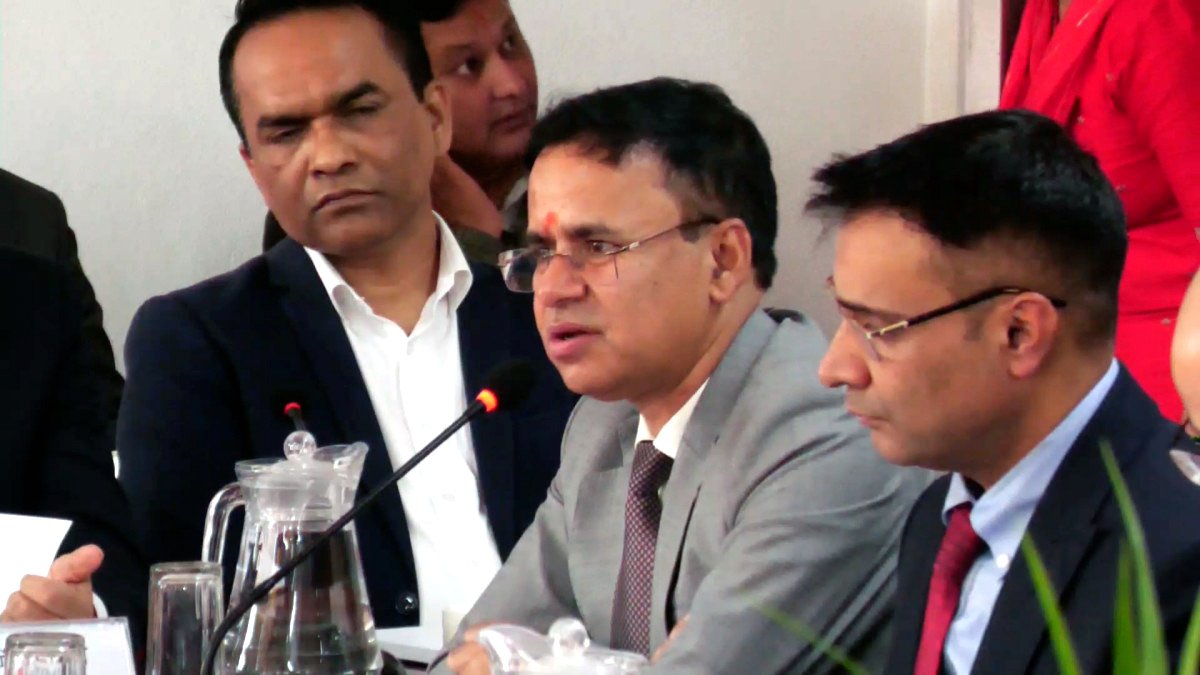
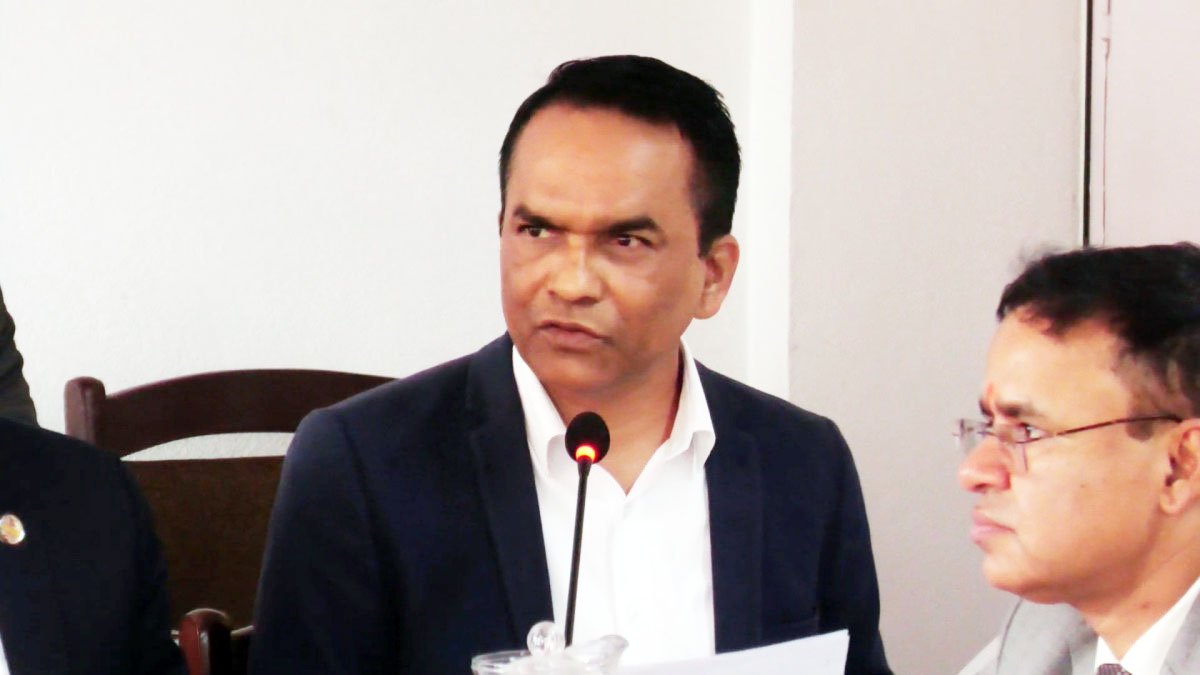
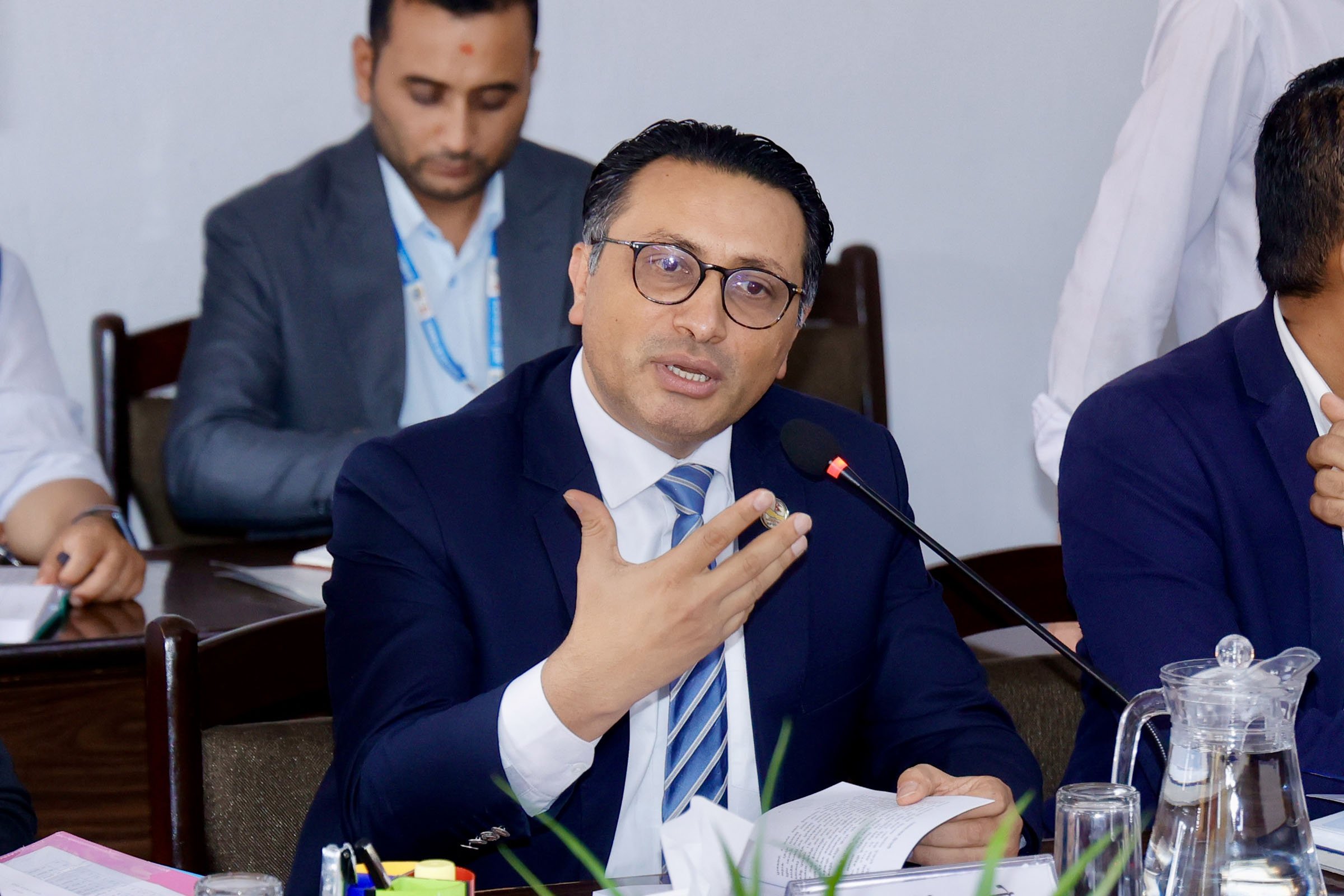
Kathmandu. In a meeting of the Agriculture, Cooperative, and Natural Resources Committee of the Federal Parliament held at Singha Durbar on Friday, lawmakers emphasized the need to directly link Nepal's forest policy with production and the national economy, rather than limiting it solely to conservation. Discussing the progress review and future work plan of the Ministry of Forests and Environment, the lawmakers highlighted the necessity for the development of forest product-based industries and scientific management. The meeting called for the government to introduce clear policies for mitigating human-wildlife conflict, climate adaptation, Chure conservation, and the promotion of indigenous crops. Sagar Dhakal, a lawmaker from the ruling Rastriya Swatantra Party, stated that Nepal's forest sector should be directly linked to industrial production and the economy. He noted that the government's attention has not been focused on the development of forest product-based industries, and commented that the widespread pine forests that have spread over the past 30 years have caused problems in environmental and biological balance. He argued that pine forests have led to the drying up of water sources, increased the risk of forest fires, and created a shortage of food sources for wildlife. Expressing happiness that the government has introduced a plan through its policies and programs to gradually replace pine forests with other useful species, he demanded its effective implementation. Speaking about the economic use of forests, lawmaker Dhakal said, 'We must seriously consider the economic use of forests along with conservation. Instead of just focusing on the increase of forests, we now need to focus on how to benefit employment, industry, and the national economy from them.' Citing the example of Malaysia's furniture industry, he added, 'Malaysia's Muar city is world-famous for its furniture industry. But despite having abundant forest resources in Nepal, we have not been able to develop any sector as a center for the furniture industry.' Ganga Laxmi Awal, a lawmaker from the main opposition party Nepali Congress, emphasized the use of indigenous knowledge and environment-friendly technology for agriculture and environmental conservation. She pointed out the need for promoting millet farming, rainwater harvesting, and bio-engineering to mitigate the effects of climate change. Lawmaker Awal urged the government to widely publicize the 'Millet Day' to be celebrated on the 16th of Shrawan. Lawmaker Awal said, 'Millet is a climate-change-resilient crop that can be grown with less water and is highly nutritious. It contains many nutrients, including iron, making its promotion necessary from the perspective of climate adaptation and nutritional security.' Regarding soil conservation and water resource management, she added, 'The risk of landslides has increased due to haphazard road construction and indiscriminate use of bulldozers. For its long-term solution, traditional knowledge should be used along with scientific technology. The use of local vegetation such as bamboo, reeds, and banyan can provide effective support in controlling soil erosion and managing landslides.' She stated that rainwater harvesting for wetland conservation and water recharge needs to be given policy priority. Tahir Ali Bhat, a lawmaker from the Rastriya Prajatantra Party, said that to make the slogan 'Green Forest is Nepal's Wealth' meaningful, the fallen and rotten wood within the forests must be properly managed. He argued that if the wood being wasted within the forests could be properly utilized, it would contribute significantly to the country's economic prosperity. He proposed celebrating 'Forest Festival' for forest conservation and promotion and sending a positive message globally by planting millions of saplings in a single day. Speaking about the cycle of wood import and export, lawmaker Bhat said, 'It is positive that wood exports are higher than imports. However, it is necessary to analyze not only the price but also the quantity and type of wood. He emphasized the need to adopt a policy of self-sufficiency by reducing wood imports, producing and managing the necessary wood within Nepal. Prem Bahadur Byak, a lawmaker from the Communist Party of Nepal, emphasized the need for the government to bring a scientific plan to conserve the forest sector, reduce human-wildlife conflict, and curb irregularities in the forest sector. He questioned the government's presented data of 46 percent forest cover, claiming that although the forest area appears to have increased on paper, deforestation is actually happening on the ground. Expressing doubt about the utilization of the budget allocated for forest conservation, he demanded control over timber smuggling and illegal excavation that occurs with the collusion of forest employees, smugglers, and middlemen. Speaking about human-wildlife conflict, lawmaker Byak said, 'The damage caused by wildlife to farmers is increasing. Instead of debating whether to conserve or control, it is necessary to find scientific and long-term solutions. This problem can only be reduced if we ensure a safe habitat for wildlife along with forest conservation.' He stated that community forests should be made more effective and that tree planting, conservation, and public awareness programs should be expanded with community participation. Laxmi Prasad Pokharel, a lawmaker from the CPN-UML, mentioned that the agricultural sector has suffered irreparable damage due to wild boars and demanded the introduction of new laws to control them by listing them as 'harmful wildlife.' He claimed that the number of wild boars in Karnali Province has exceeded the human population and that farmers are being displaced from villages due to the terror of wild boars. Lawmaker Pokharel said, 'Wild boars are causing significant damage to farmers' crops, especially in maize fields. Farmers are even being forced to leave their villages due to the destruction of agricultural produce. Therefore, the government needs to introduce a separate bill for the control of harmful wildlife, in addition to the existing bills.' He demanded that the government introduce 14 bills instead of the 13 bills it is preparing to present in parliament, with one bill specifically for the control of harmful wildlife.
This specific news has been automatically translated by AI. As a result, there may be some inaccuracies or language errors.

_hCartPTylX.jpg)