National Independent Party's Proposal to Abolish Provincial Assemblies Sparks Debate

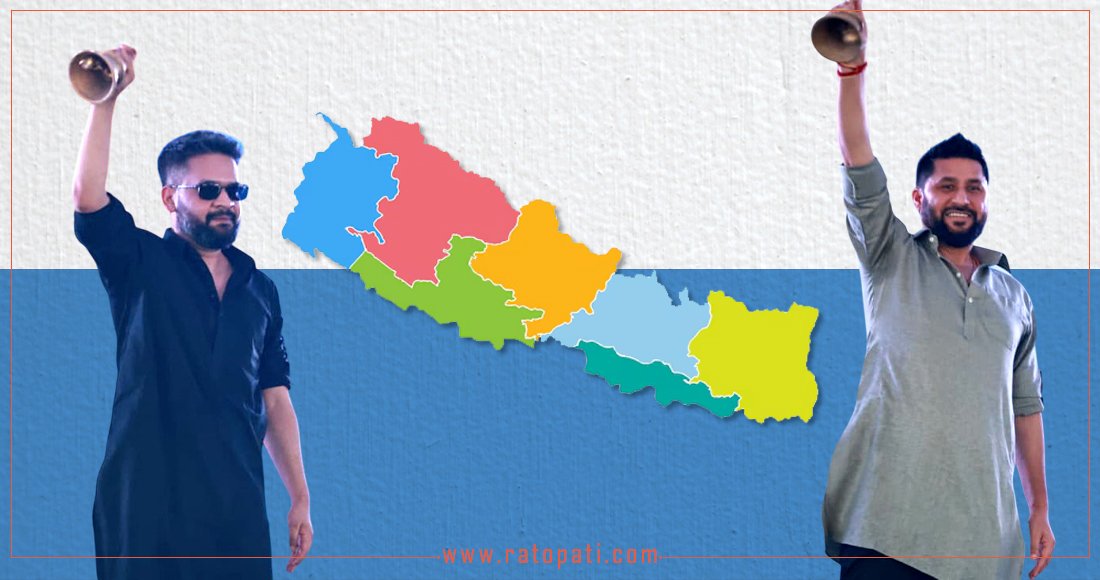
Kathmandu. At the first general convention of the Rastriya Swatantra Party (RSP), the proposal to abolish provincial assemblies was presented through two separate reports, which the old political parties interpreted as a conspiracy to dismantle federalism.
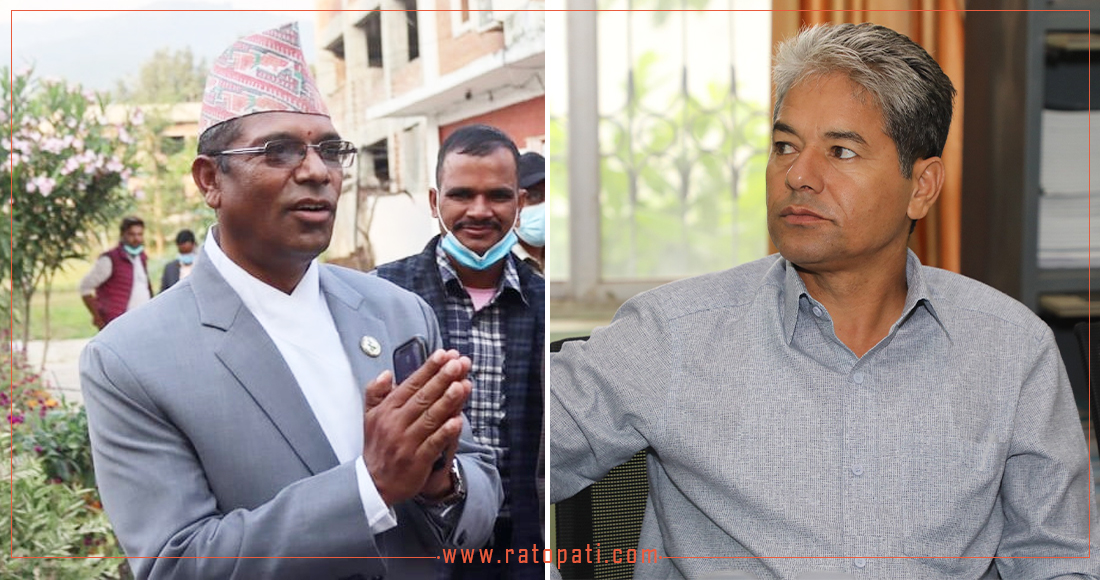
The proposal to abolish provincial assemblies was put forward in separate reports by RSP Chairman Rabi Lamichhane and Vice-Chairman Swarnim Wagle. These proposals were also passed by the closed session of the general convention.
The proposal put forward by the party leading the federal government, and which came to power with nearly a two-thirds majority, cannot be taken lightly. Naturally, the proposal not only stirred the political circle but also drew objections from the old parties.
The old parties, Nepali Congress, CPN (UML), and Communist Party of Nepal, continue to cite the RSP's proposal to abolish provincial assemblies as the primary example when portraying the RSP as an anti-federalism party. Debates on this issue are ongoing.
Amidst this situation, these same old parties are actively engaged in games of changing governments in various provinces. In Sudurpashchim Province, the ruling coalition partner CPN (UML) has already withdrawn its support for the government, while in Karnali, the opposition party and ruling coalition parties have filed a no-confidence motion against the chief minister. The impact of this is also spreading to other provinces.
The tenure of all seven provincial assemblies is nearing completion, almost four years. In this context, the parties' eagerness to change provincial governments cannot be considered appropriate from any perspective other than self-interest in power. Some leaders of the old parties, who have led provincial governments and played roles as coalition partners, are now stating that there is no justification for changing provincial governments.

CPN (UML) Secretary Yogesh Bhattarai wrote on social media, 'Changing provincial governments at the end of their term is not appropriate. Why, who, and for what purpose is this being done? This needs to be investigated. It reveals instability and lust for power.'
Efforts to change governments are underway in all seven provinces. Although UML Secretary Bhattarai raised questions on social media about why, who, and for what purpose provincial governments are being changed, leaders in the provinces have made it clear that without the party center's directive, no province can play a role in forming or dissolving a government. Furthermore, they have stated that there is no justification for changing governments at this time.
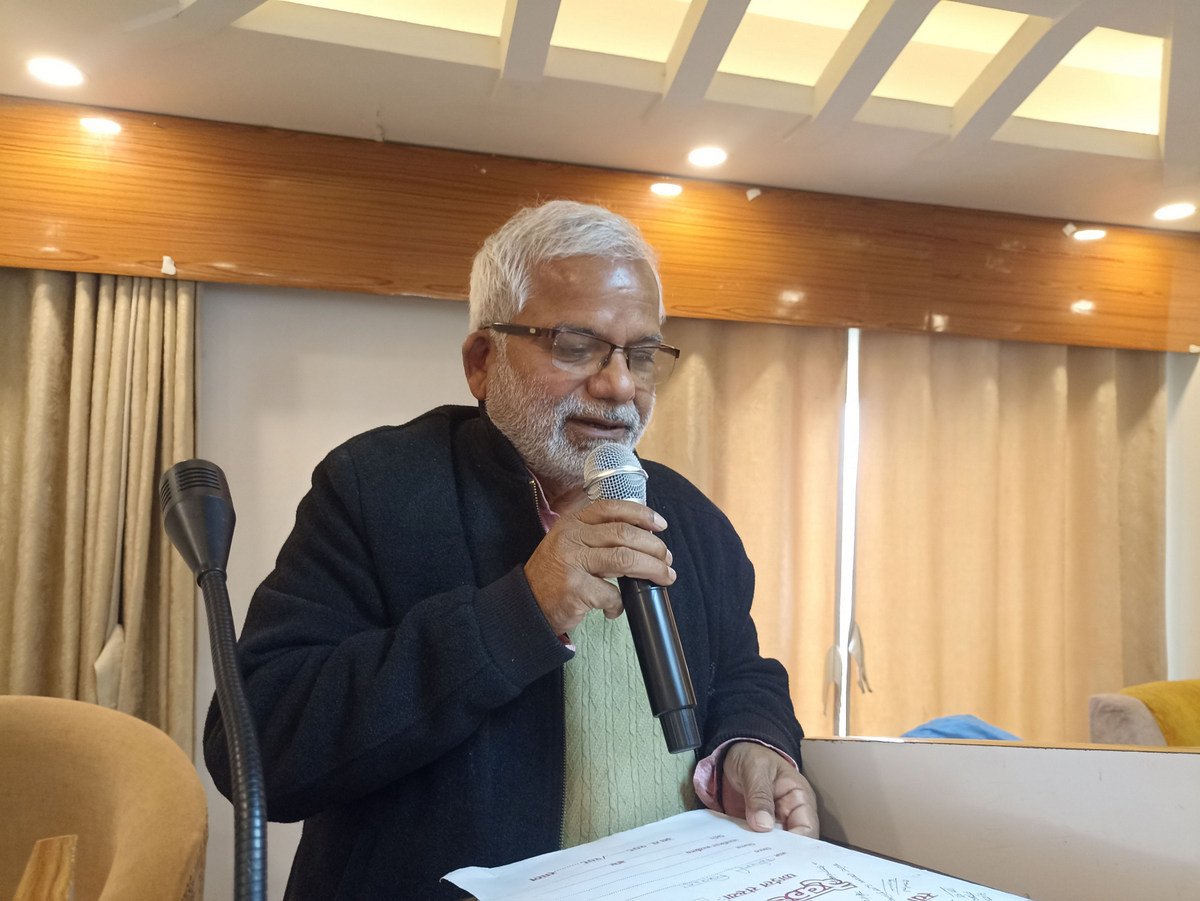
Madhesh Province Assembly member of Nepali Congress, Jangi Lal Rai, clarified that regardless of how strong the provincial structure is, there is no alternative to following the decisions made by the center. He questioned, 'Provincial assemblies work according to the center's guidelines, power equations change from there, so what can we do?'
Madhesh Province Assembly member of the Communist Party of Nepal, Jawaharlal Kushwaha, also stated that the influence of national politics is the main factor behind changes in provincial governments. He said, 'Such frequent changes in power mean we are still lagging behind in terms of good governance. This can create more problems in the future.' Asserting that the public wants a stable government, he clarified that parties must understand the public's wishes.
Devika Pahari, Chief Whip of the CPN (UML) Gandaki Province, said that political parties must understand what message is being conveyed to the public through frequent changes in government. 'The game of forming and collapsing governments does not benefit the country. Parties need to show maturity by learning from past experiences. Especially in the case of provinces, changes in power increase extreme disappointment among the public. This is because some people already have negative perceptions of federalism,' she said.
Since the provincial assembly elections in 2079 BS, governments have been changed repeatedly in all provinces. During the first term of the provincial assembly, five provincial governments, excluding Madhesh and Sudurpashchim provinces, were changed multiple times. However, in the second term of the provincial assembly, no provincial government has remained stable. In most provinces, governments have been changed three or more times. The tradition of changing provincial governments in accordance with changes in the central coalition is becoming increasingly prevalent.
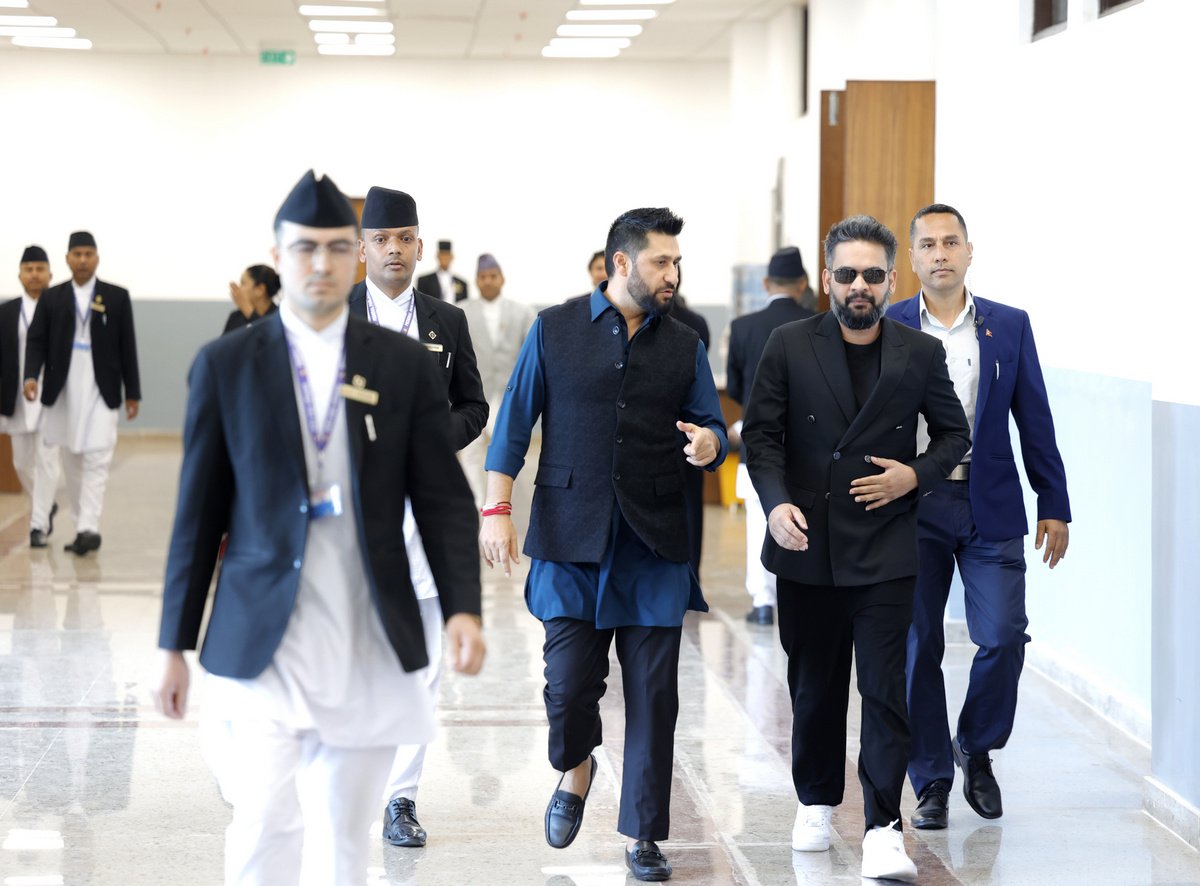
In the general elections held in February, the old parties Nepali Congress, CPN (UML), Communist Party of Nepal (formerly Maoist Center and Unified Socialist), and Madhesh-based parties were severely defeated. After the Rastriya Swatantra Party formed a single-party government with nearly a two-thirds majority at the center, the old parties were excluded from the federal power equation. However, they remain the main players in the power games in the provinces. Therefore, under the pretext of rotational leadership or the excuse of moving against the spirit of the government coalition, parties have initiated the process of changing governments.
There is a constitutional compulsion to hold provincial assembly elections next year. The Rastriya Swatantra Party, which has nearly a two-thirds majority in the center, did not participate in the previous provincial assembly elections. However, its participation in the upcoming elections is almost certain. This party, which has zero representation in the National Assembly, is preparing to present agendas with the aim of achieving miraculous results in the provincial assemblies, similar to the general elections. In this context, it has put forward the agenda of abolishing provincial assemblies. It is clear that the Rastriya Swatantra Party has put forward this agenda to garner votes from the public tired of frequent government changes. Despite this, the old parties are actively, knowingly or unknowingly, playing a role in strengthening the Rastriya Swatantra Party's agenda by preparing to change governments, at least for one year.
CPN (UML) Sudurpashchim Province Chief Whip Chakra Malla says that the federal democratic republic came about through great sacrifice, struggle, and martyrdom. When asked about the Rastriya Swatantra Party's agenda to abolish provincial assemblies, he said, 'Those parties that did not participate in its struggle do not understand its essence and necessity. Provincial government is the government at the doorstep of the people. These are things said by RSP friends based on hearsay.'
He stated that the Rastriya Swatantra Party does not understand the essence of federalism, just as a child does not understand the value of a home. He said, 'Regarding distortions, yes, there are certainly some weaknesses. Sometimes negative messages may have been conveyed due to the thinking of individuals, but UML always stands against those anomalies and malpractices. We are ready to give up power, but we will not allow the system to be ruined.'
Pancharam Gurung, leader of the Rastriya Prajatantra Party (RPP) parliamentary party in Gandaki Province, complains that federalism has been turned into a tool for power-sharing. 'In reality, this is not its core purpose, but in our country, it has been made a means of power-sharing, which is a sad thing,' he said. 'We have repeatedly said that this game of power-sharing will have a fatal impact on the country, which has now been proven.'
He warned that if political parties do not take this seriously, the country will face further crises in the future. He said, 'Therefore, instead of leading this to conflict, all parties must work together through cooperation and coordination to find a way out.'
This specific news has been automatically translated by AI. As a result, there may be some inaccuracies or language errors.