Experts Suggest Focusing on Community Rights and Representation in Intangible Cultural Heritage Bill

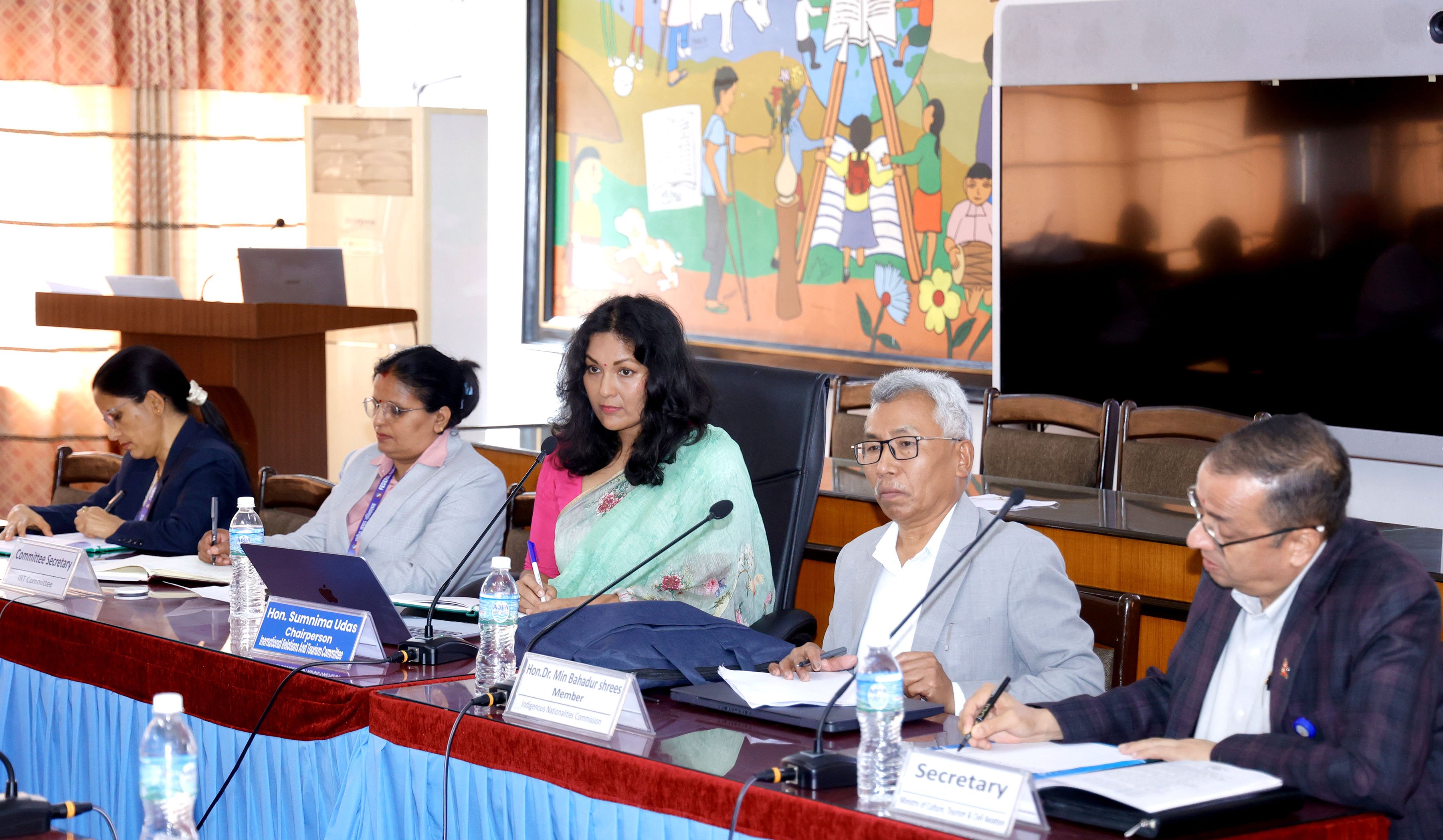
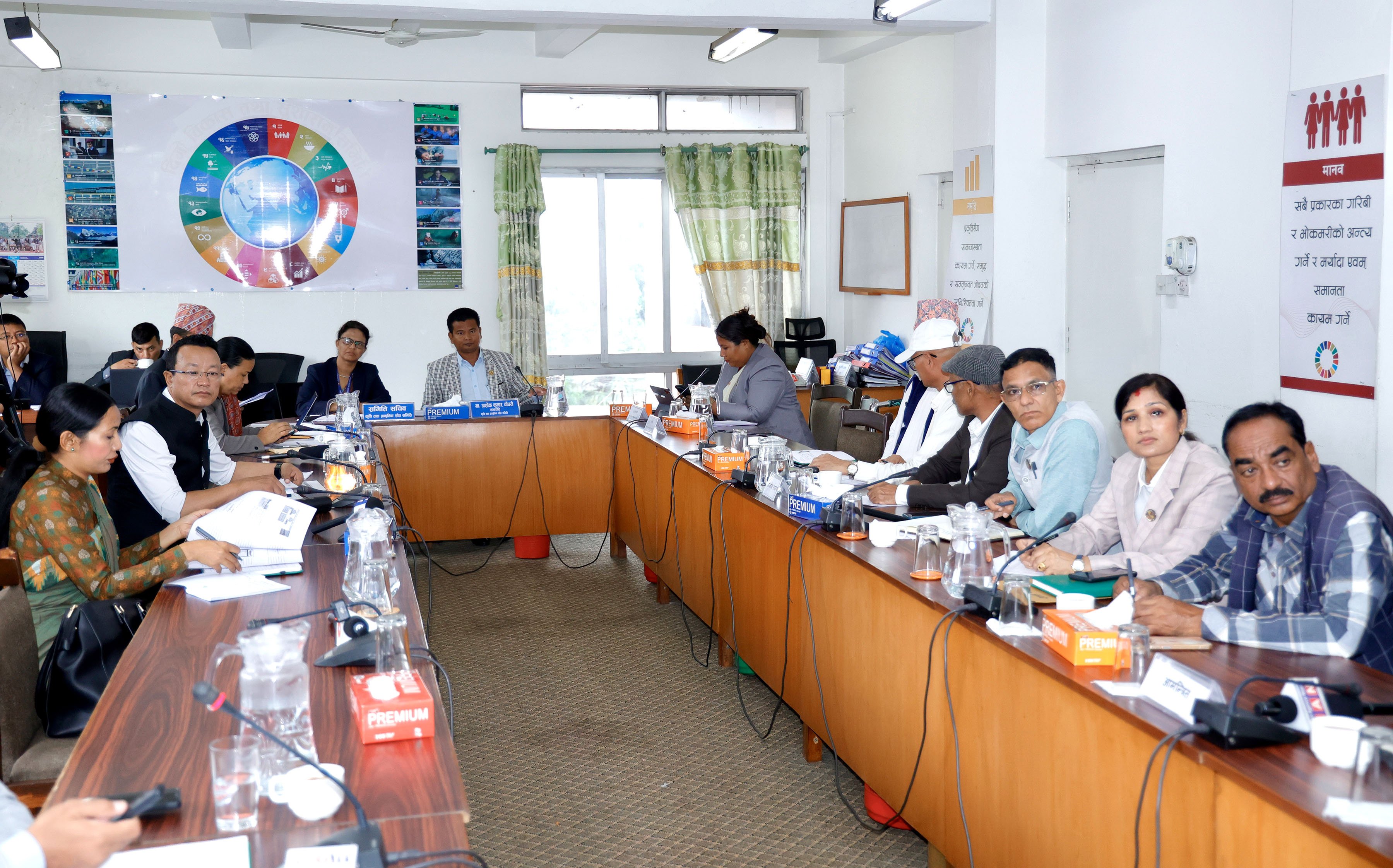
Kathmandu. In the meeting of the International Relations and Tourism Committee under the House of Representatives, experts have suggested focusing on the community's legal expectations, constitutional rights, and representation of indigenous peoples in the bill related to the protection of intangible cultural heritage. The meeting held in Singh Durbar on Friday emphasized the need to further enrich the bill by seriously studying international laws and treaties related to intangible heritage.
During the discussion, advocate and expert Bhim Nepal stated that the legal assurance of the citizen's right to practice their religion, culture, and traditions as guaranteed by the constitution must be ensured. He pointed out that there is still a lack of laws related to cultural heritage guaranteed by the constitution in the country. Highlighting the priority of bill construction, advocate Nepal said, 'The constitutional right to practice one's religion, culture, and traditions must be legally secured. There is also a responsibility to ensure the constitutional provision that discrimination, exploitation, and injustice based on religion, culture, customs, traditions, and practices are not allowed in the state's policy-making principles.' He further added, 'In the context of cultural preservation, the community's legal expectations are paramount. If we can do this, it can help in the preservation of intangible culture. This must be kept at the center during the bill construction.'
- Preservation of Living Heritage is Positive, but Awareness is Severely Lacking
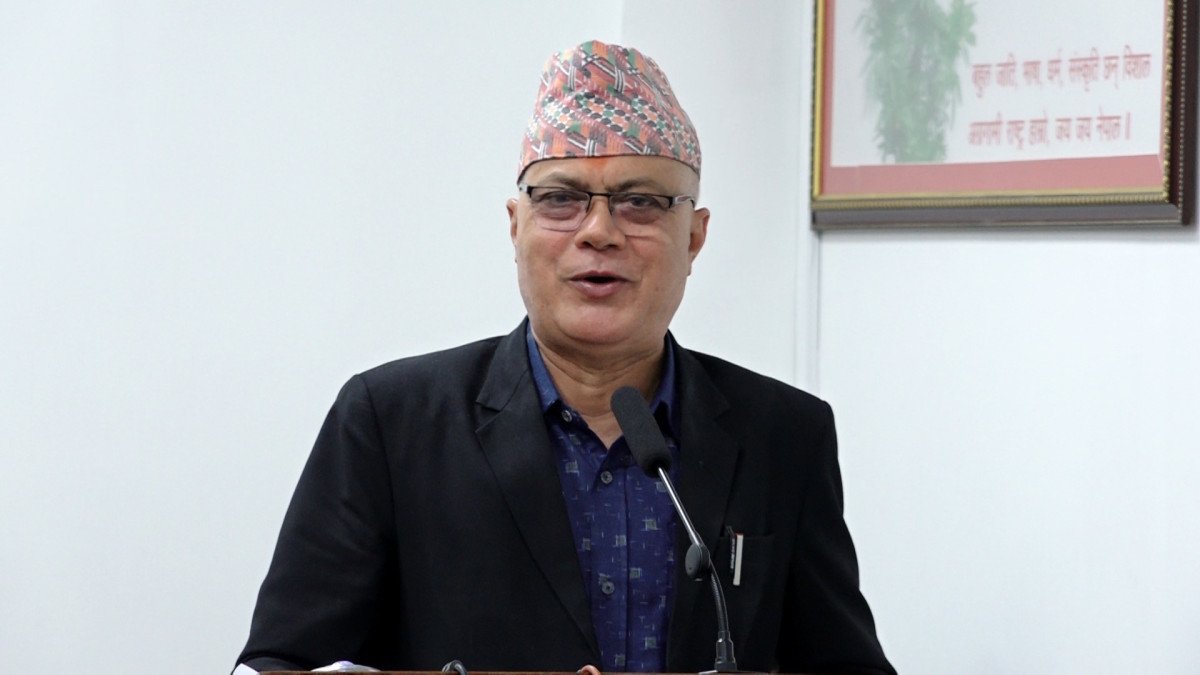
Culture and heritage expert Dr. Som Dhital stated that the inclusion of provisions for the preservation of traditional living heritage, development of mutual respect among communities, and enhancement of the international importance of intangible heritage in the bill is very positive. However, he noted that a nationwide public awareness campaign is necessary as there is still insufficient awareness in many communities about the importance of intangible heritage and legal provisions. Describing the reality of villages and settlements, Dr. Dhital said, 'Even now, in remote settlements, awareness about the importance of heritage, its preservation, the issue of heritage inventory, related laws, and the state's actions in this regard has not reached.' He added, 'A large campaign is needed to spread public awareness about intangible heritage and culture. I request the committee and all honorable members for this.'
- Urged Not to Ignore Indigenous Peoples' Commission and Communities
Min Bahadur Shrees, a member of the Indigenous Peoples' Commission, expressed the view that since the constitution and existing laws have given the commission the responsibility of international treaties related to indigenous peoples, cultural heritage preservation, and policy recommendations, the commission and organizations representing indigenous communities should not be ignored in the bill construction. Clarifying the provisions of the constitution and laws, member Shrees said, 'Nepal's constitution and the Indigenous Peoples' Act have established the commission to accept Nepal's cultural diversity, linguistic rights, inclusivity, and participatory governance, and to represent indigenous communities. The commission has been assigned the responsibility of making policy recommendations to the Government of Nepal for the management of physical and intangible cultural heritage.' Highlighting the main role of indigenous peoples in the preservation of Nepal's intangible heritage, he added, 'This act cannot ignore organizations representing indigenous communities. In the context of Nepal, most intangible cultural heritages have been preserved for generations by the traditions of indigenous peoples and local communities.' Most of the MPs who spoke at the meeting expressed the view that laws should be enacted for the three tiers of government to work together in the preservation of Nepal's physical and intangible cultural heritage.
This specific news has been automatically translated by AI. As a result, there may be some inaccuracies or language errors.