Pote Market Sees Increased Activity with Start of Saun Month

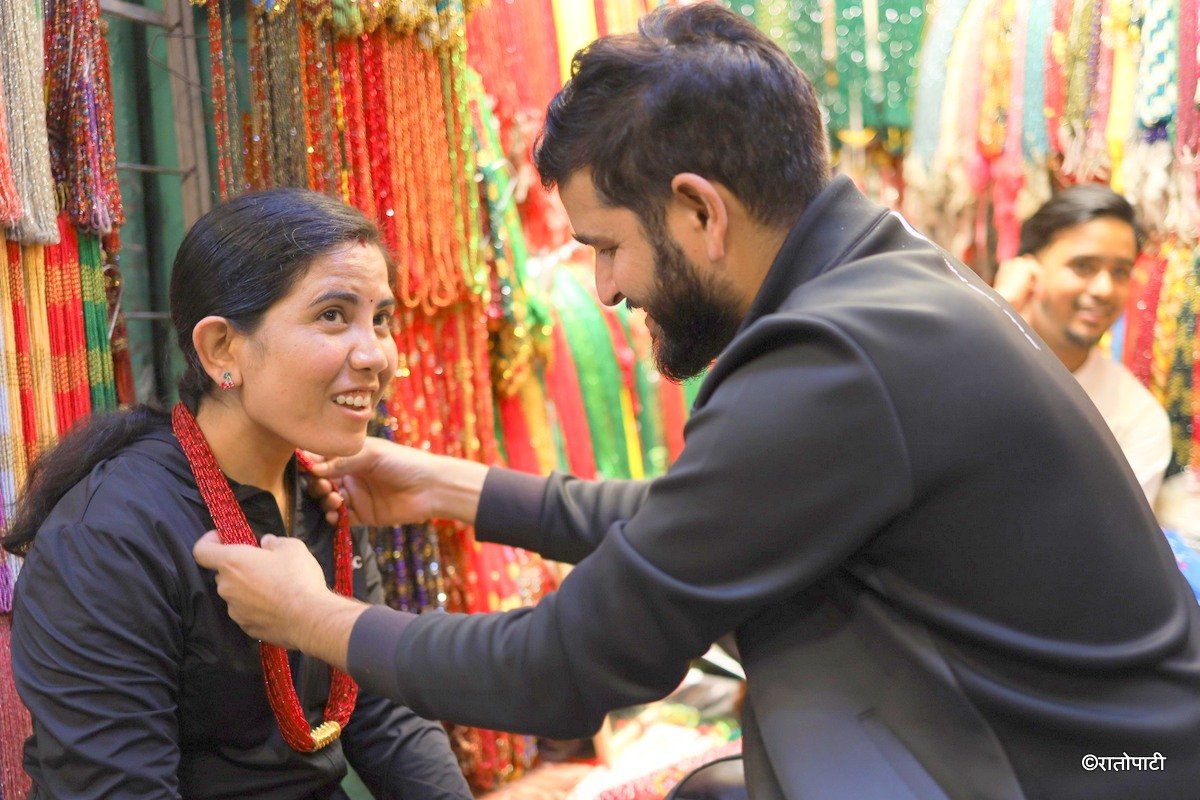
Kathmandu. With the beginning of the month of Saun, the pote market in Indrachok, Kathmandu has seen a significant increase in hustle and bustle. Especially in the holy month of the year, women are flocking to shops in Indrachok and Asan areas to buy green and yellow bangles and pote.
According to Hindu religious beliefs, the month of Saun is a special time for worshipping Lord Shiva. Throughout this month, women wear green, red, and yellow pote and bangles. It is believed that nature also becomes lush green in the month of Saun, and wearing green attire and bangles/pote during this time brings happiness, peace, and good fortune.
In recent times, this culture is not limited only to Hindu women. Women and young women of other religions and communities are also seen wearing green bangles/pote and applying henna on their hands as a fashion and desire in the month of Saun.
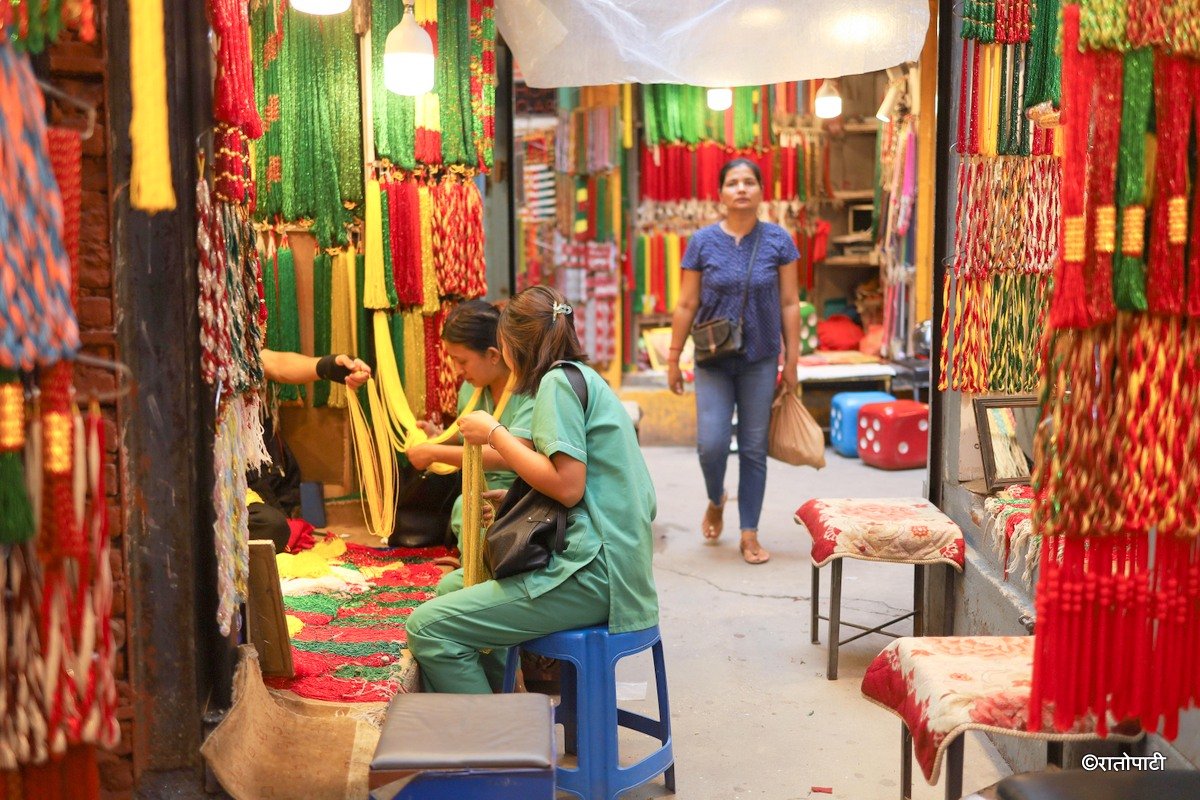
The history of pote, considered a symbol of marriage and good fortune in Hinduism, is quite interesting. This pote, considered an indicator of good fortune, is actually an ancient Iranian jewelry. After entering Nepal, it has made an integral place in Nepali culture and tradition.
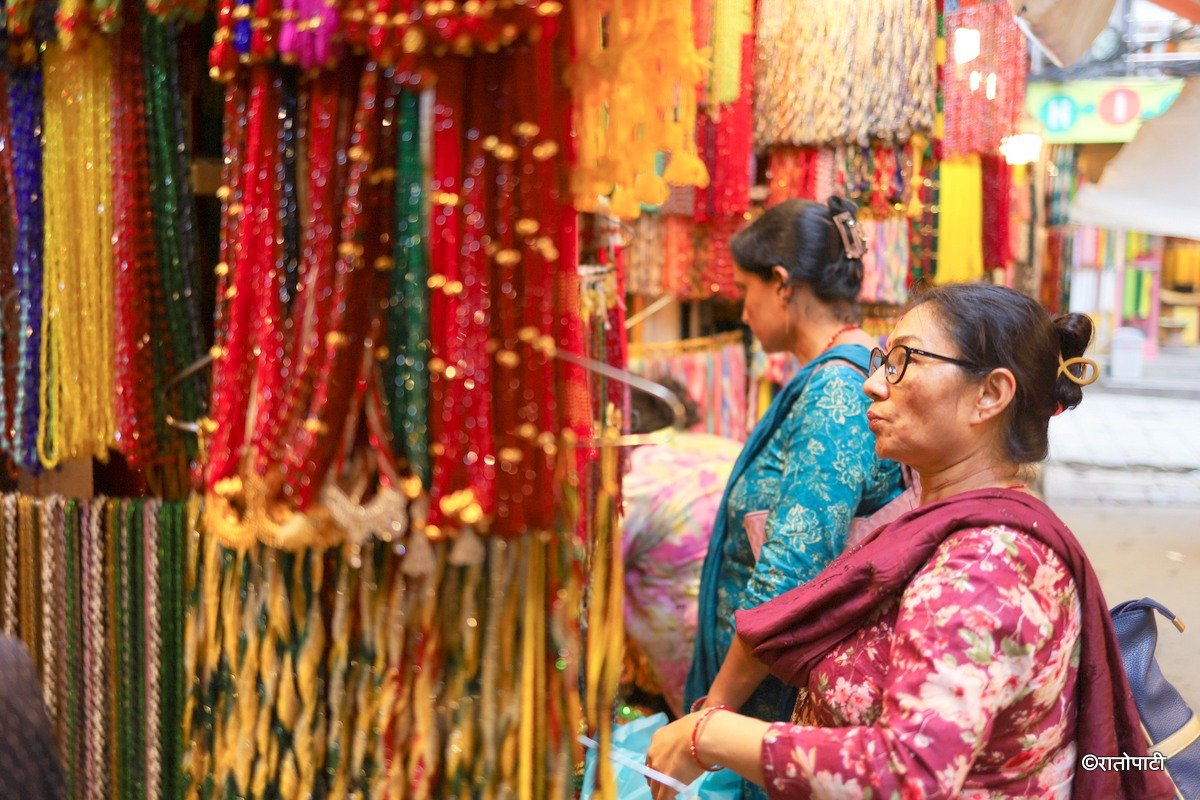
The trade of pote and bangles is not uniform throughout the year. It is mainly a seasonal trade. Only in the months of Saun, Teej, and during auspicious wedding dates do the alleys of Asan and Indrachok see a huge crowd of customers. The business here remains normal during other times.
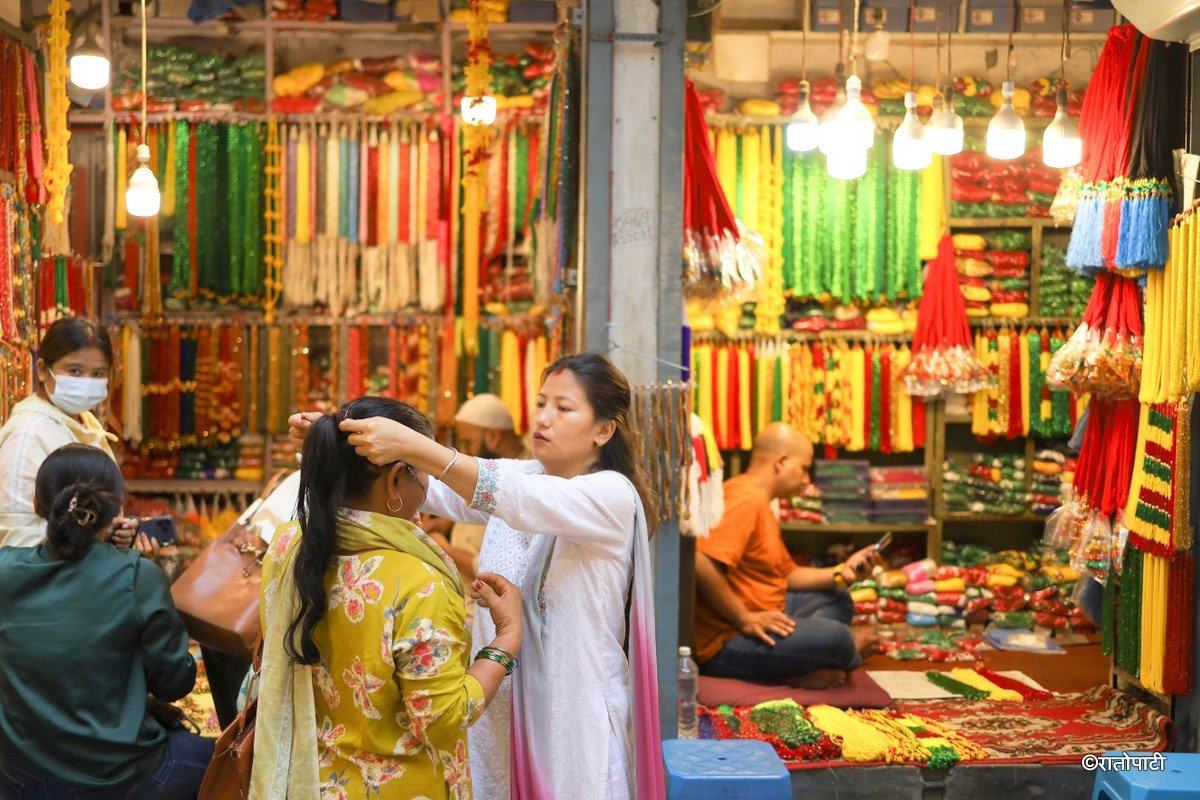
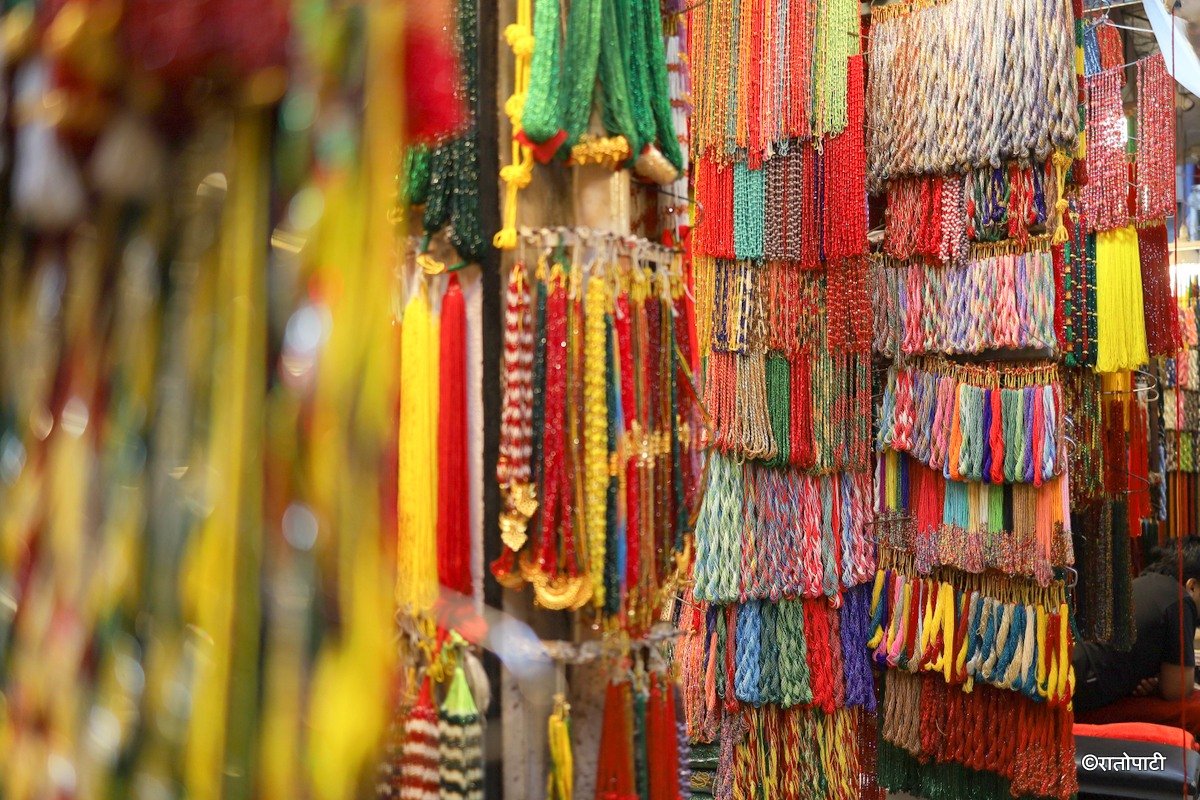
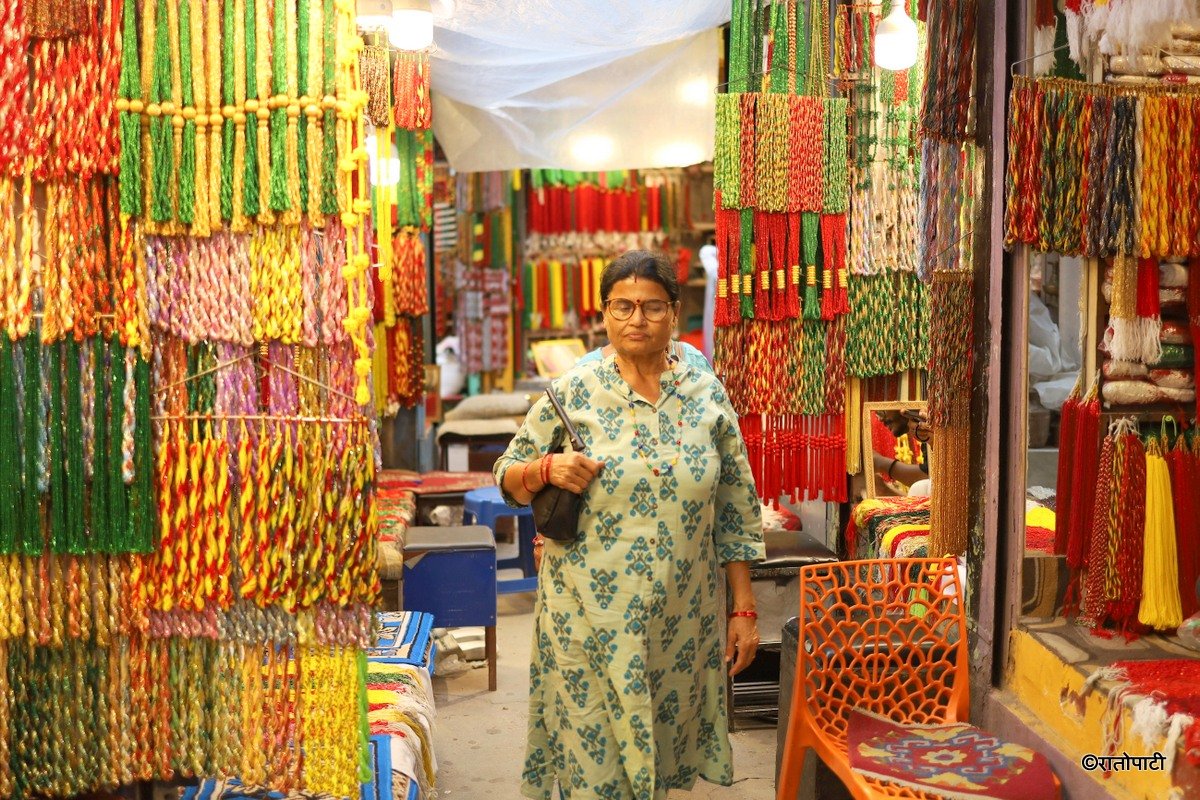
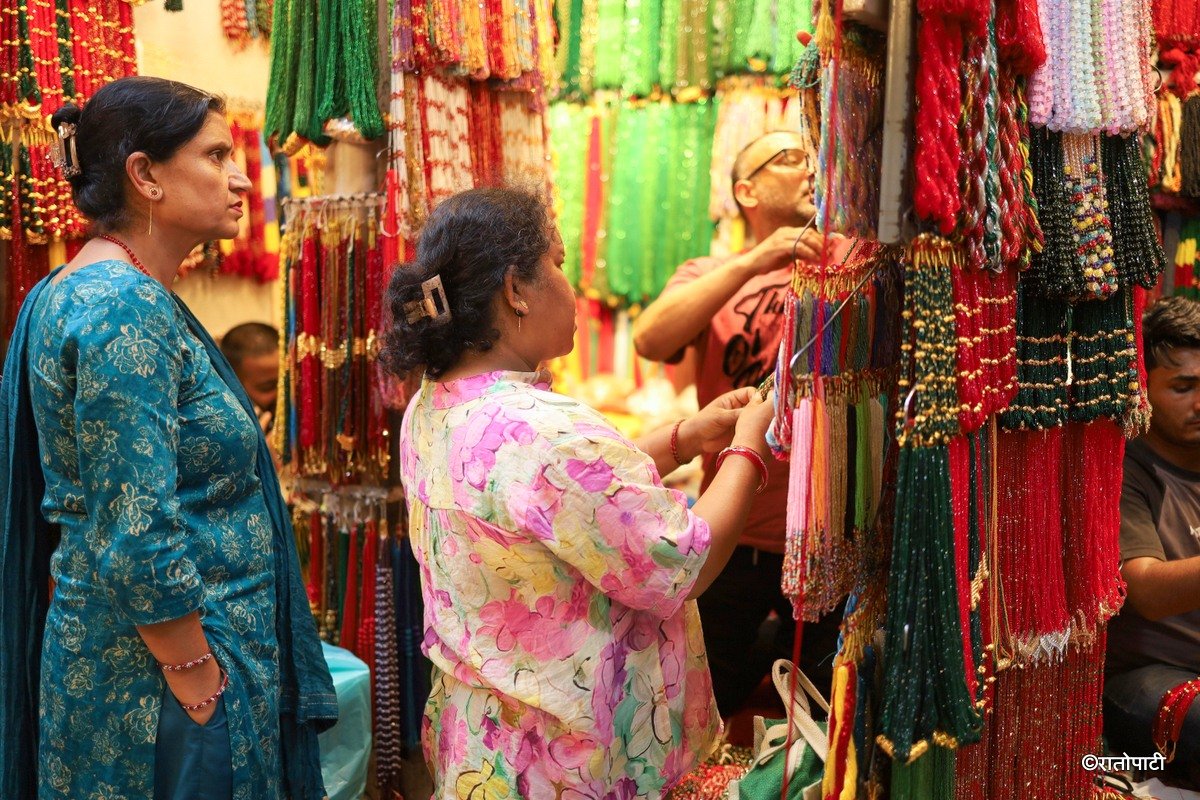
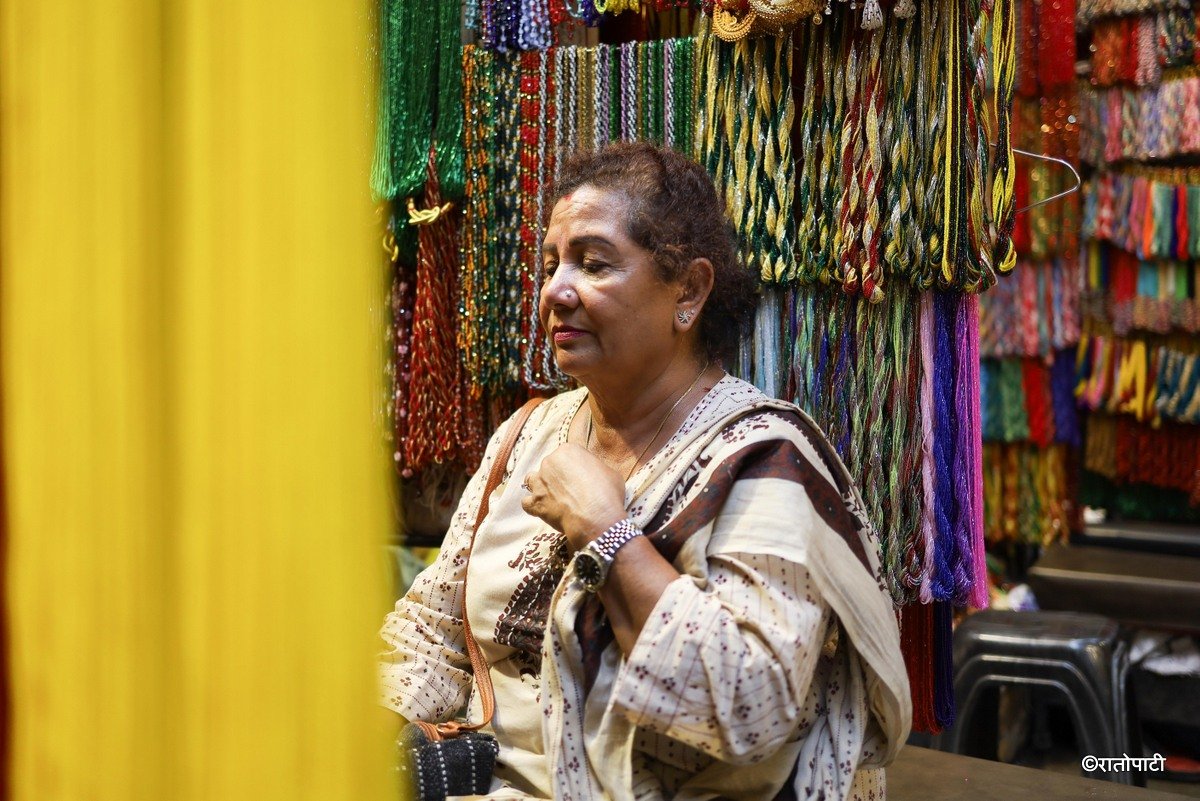
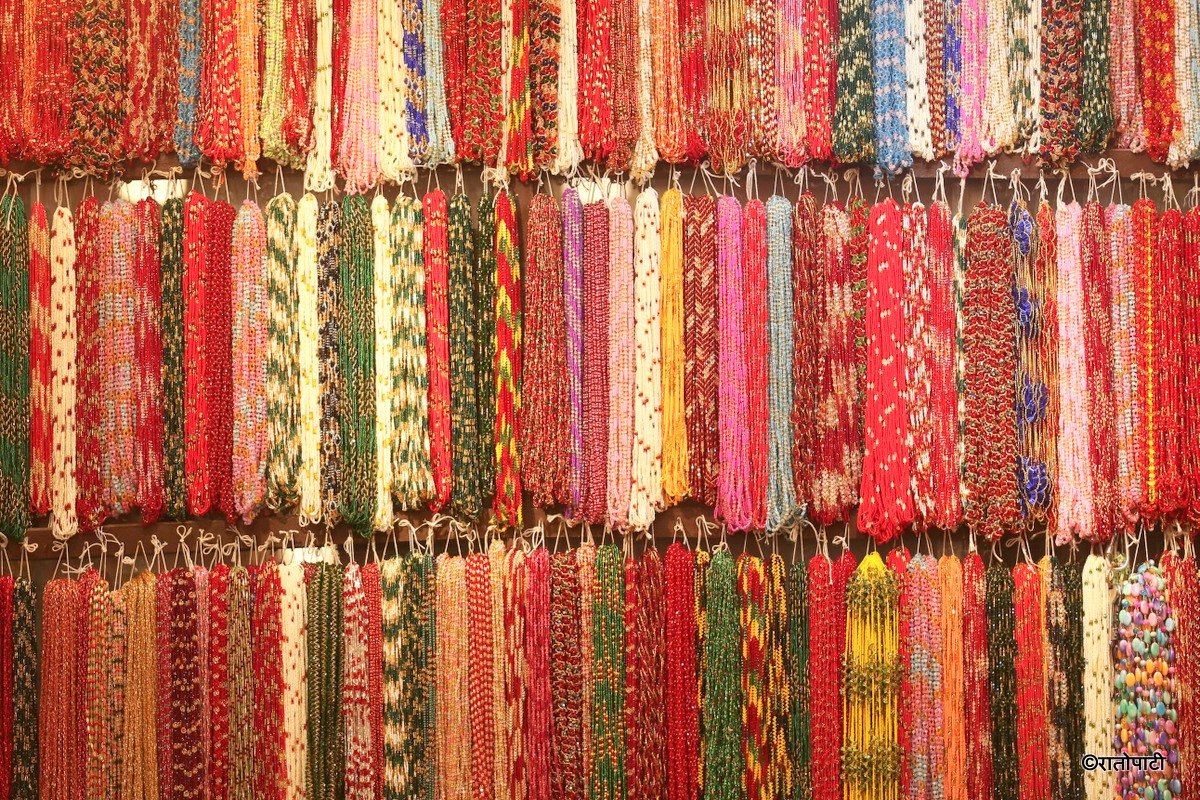
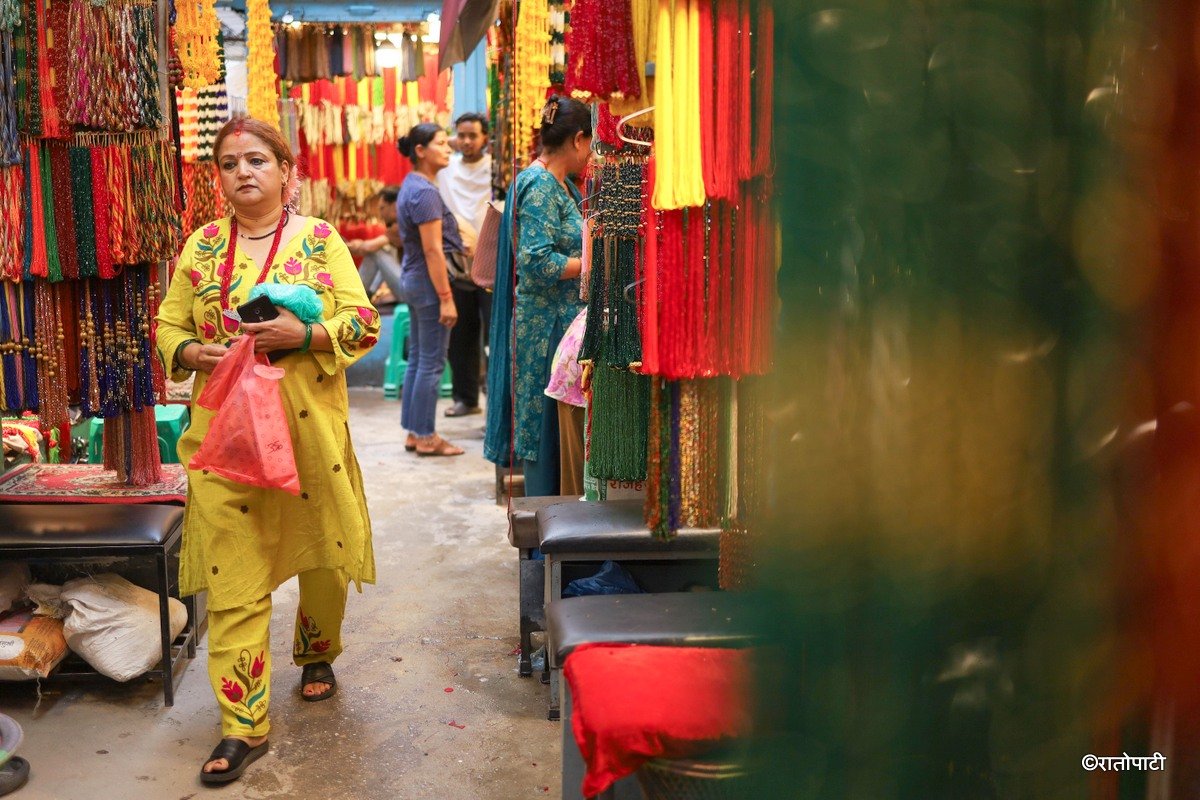
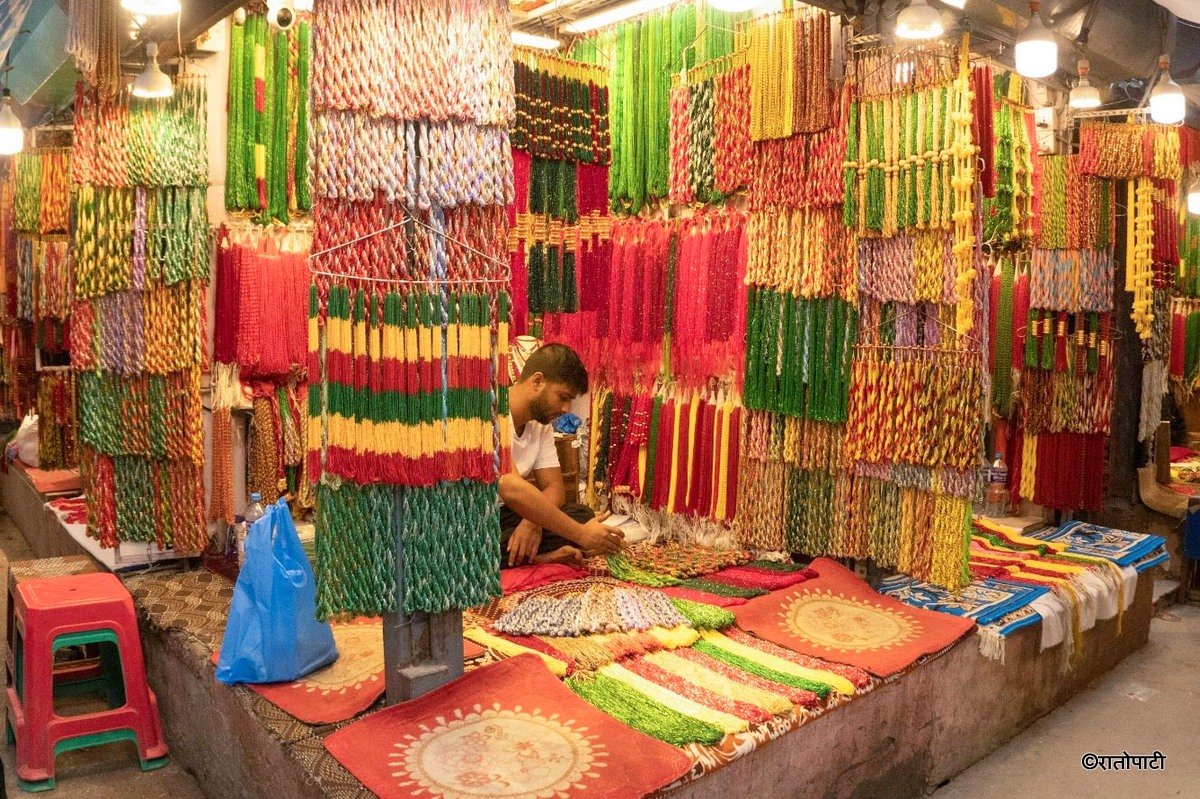
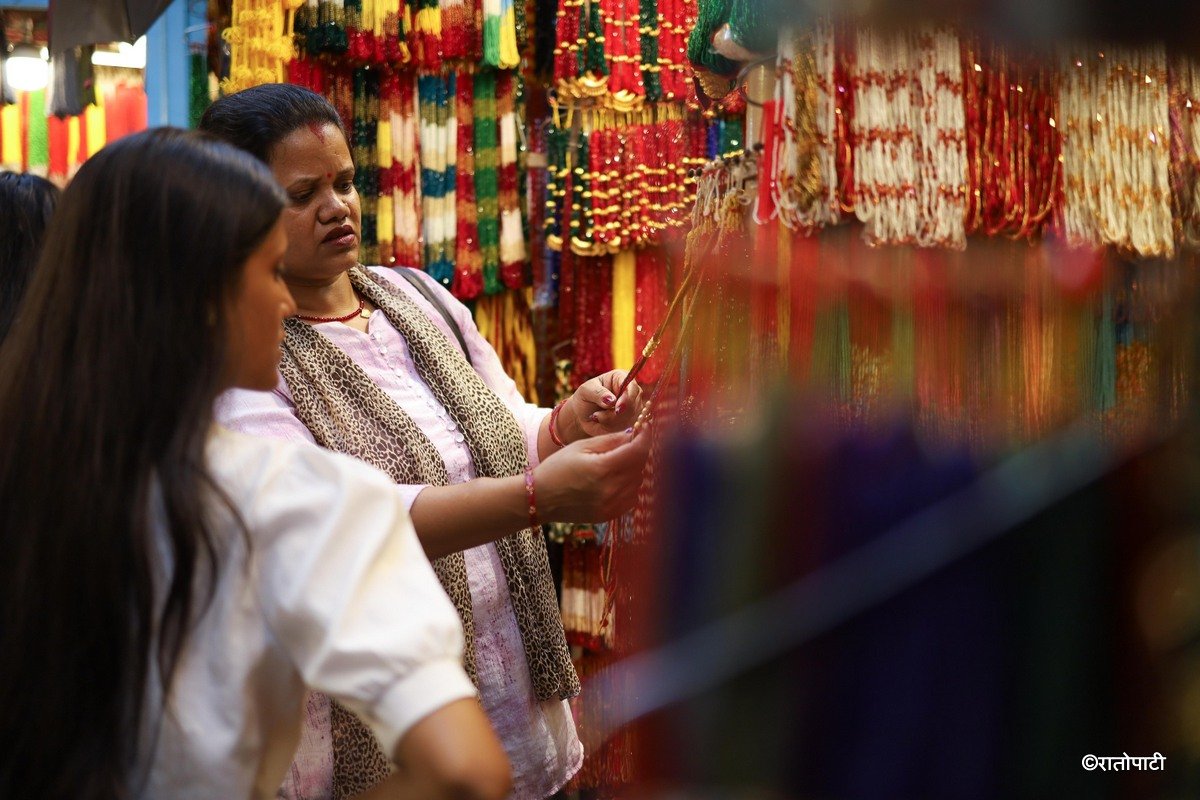
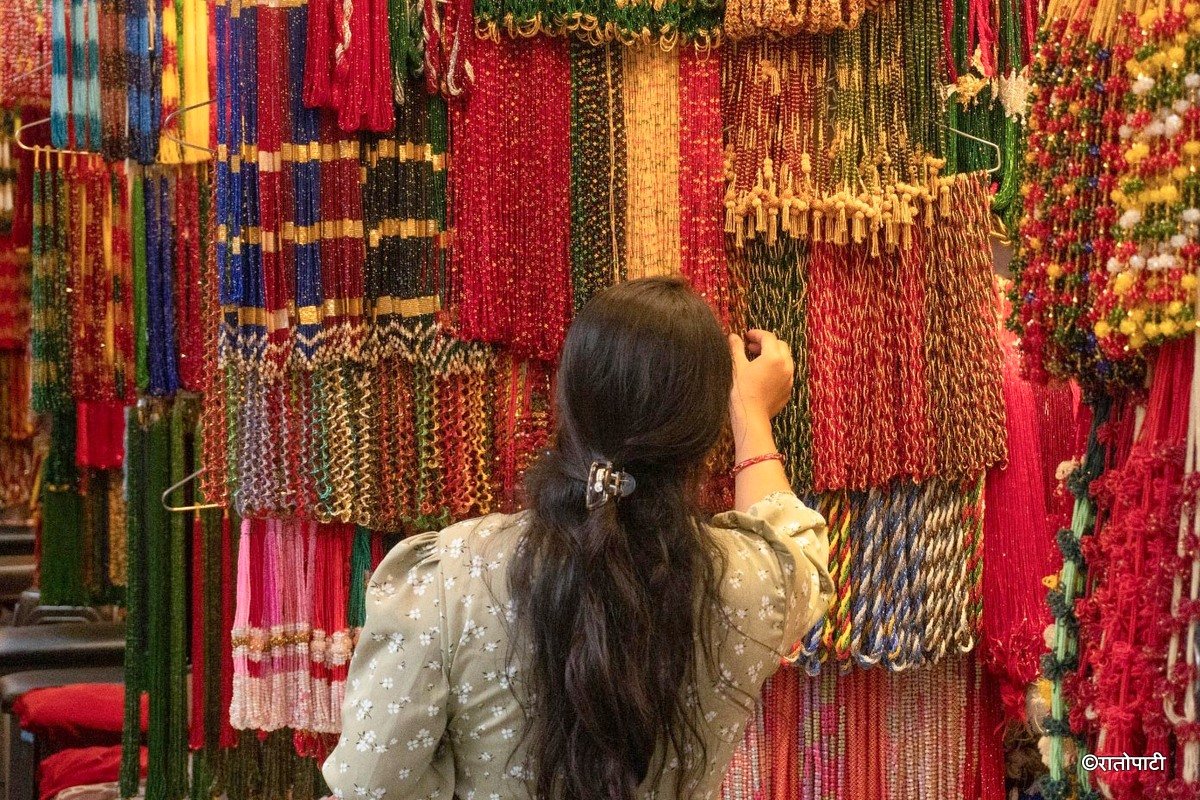
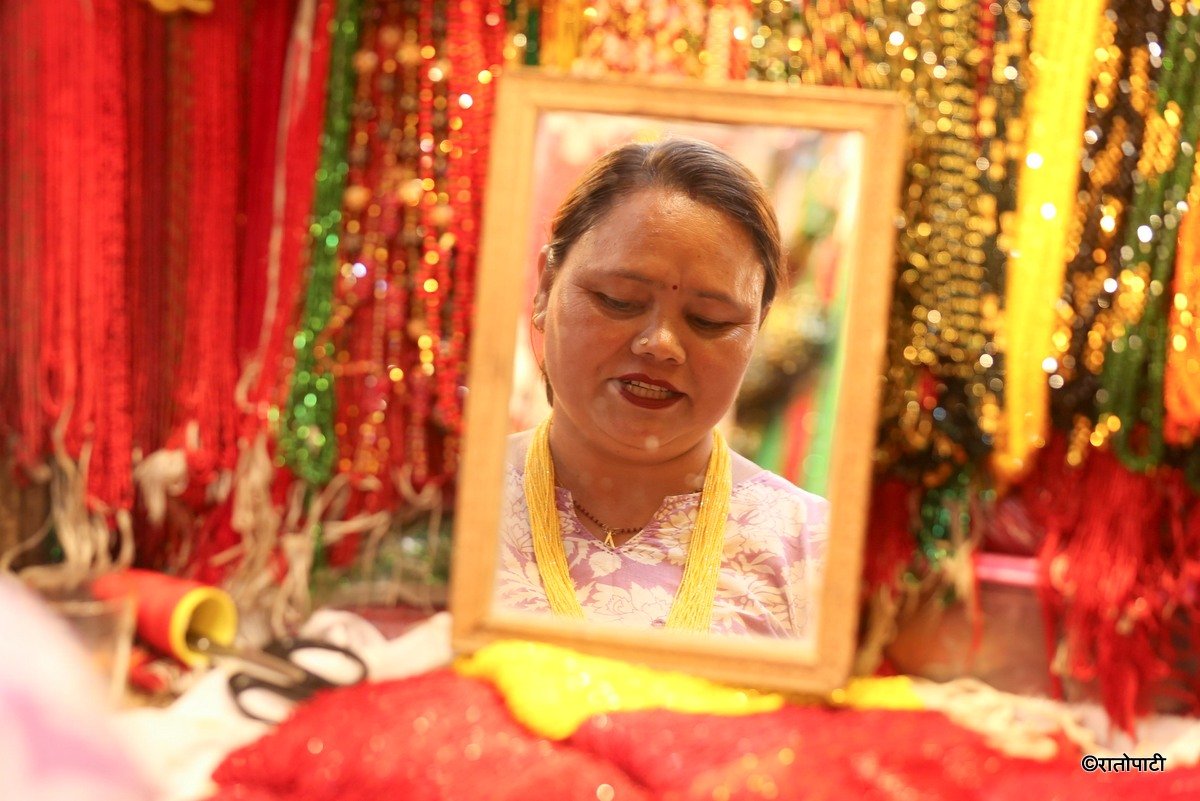
Photo: Abhas Ranjit / Nepal Photo Library
This specific news has been automatically translated by AI. As a result, there may be some inaccuracies or language errors.
_zp49KLQnq8.jpg)