Rastriya Swatantra Party MP Anushka Shrestha Emphasizes Prioritizing Small and Medium Industries


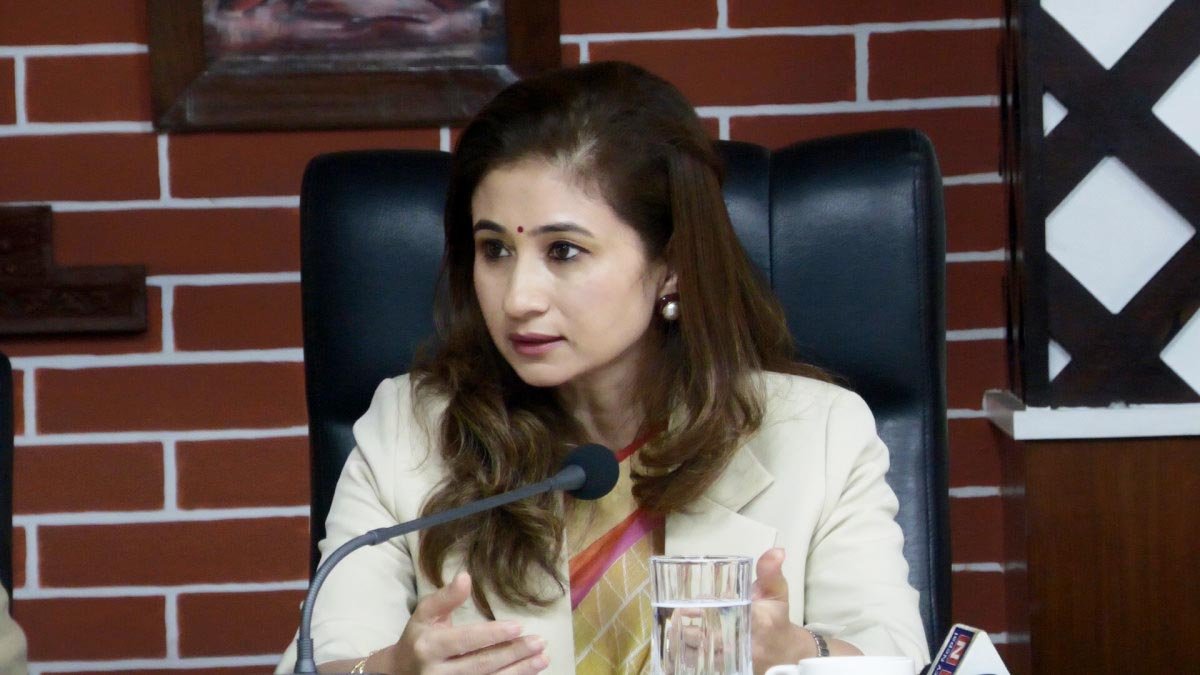
Kathmandu. Rastriya Swatantra Party MP Anushka Shrestha has emphasized the need to prioritize the sector of micro, small, and medium industries, stating that their contribution to the country's economy is 99 percent.
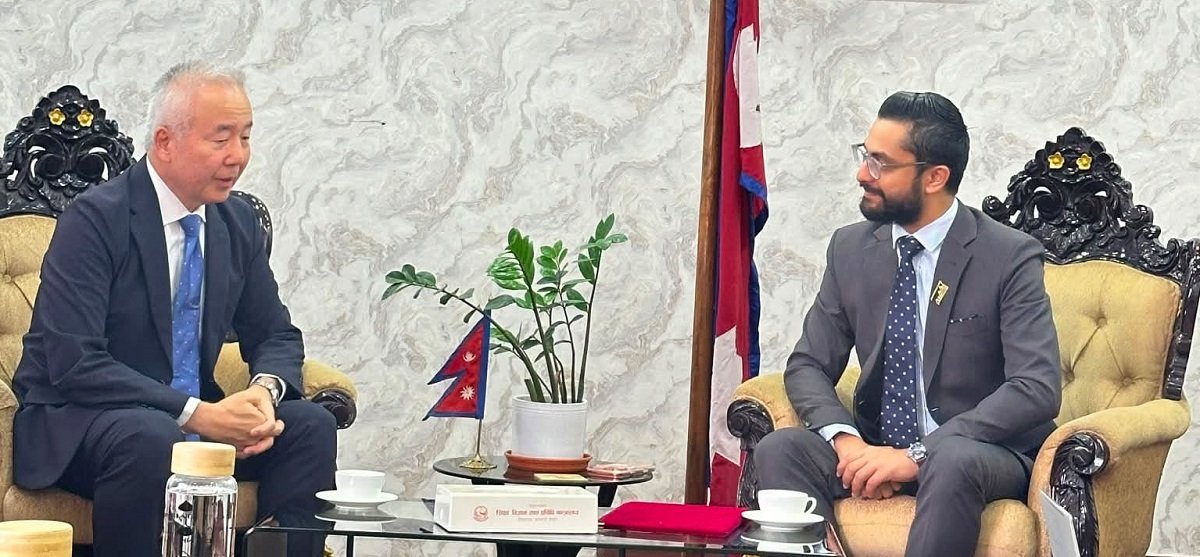
Speaking at a discussion with industrialists and entrepreneurs organized at the Ministry of Youth, Labor, and Employment in Singhdarbar on Thursday, she stressed prioritizing small and medium industries. While large industries have their own importance, she stated that the government should pay special attention to small entrepreneurs who employ 5 to 50 people, given their significant number and contribution.
MP Shrestha also questioned the practical aspects of the Social Security Fund. She argued that although the fund's objective is good, a review is necessary to determine whether it is easy for workers to withdraw funds during emergencies such as health issues or other needs.
She pointed out the paradoxical situation in Nepal where, on one hand, the number of youth going abroad due to lack of employment is increasing, and on the other hand, domestic industries are unable to find skilled manpower. She mentioned that it is particularly difficult to find medium-skilled and skilled Nepali workers in sectors like administration, sales, and marketing.
Stating that the 'exchange rate' has a significant impact on the comparison between the allure of youth going abroad and income in the country, she suggested working on managing the thoughts and aspirations of the youth. For this, she said that success stories of entrepreneurs who have succeeded in the country should be promoted through social media to inspire the youth.
Expressing that there is a large gap between the programs introduced by the government and the targeted beneficiaries, MP Shrestha suggested creating an effective digital portal that integrates training and employment opportunities. 'When we talk about job creation, it seems appropriate to communicate with various existing job portals,' she said, 'While highly skilled manpower can be found through headhunting, the shortage of medium-skilled manpower is clearly visible.'
She emphasized the use of platforms like LinkedIn for professional employment, stating that this shows the gap between policy and actual beneficiaries. She also suggested that the ministry itself, which discusses employment and job creation, should be active on LinkedIn.
She stated that more effective collaboration with the Ministry of Education is necessary for coordination between skill development and education. 'If we can develop a system to regularly keep records, evaluate, and encourage educational institutions that yield good results regarding how employable youth graduating from universities or colleges are,' she added, 'it will help make the relationship between education and employment more effective.'
In addition, she mentioned the need to introduce schemes like the 'Employer Award' to encourage employers to maintain gender equality. Connecting it to the 'Intangible Cultural Heritage Bill' currently under discussion, she expressed the view that traditional skills such as making chariots, playing musical instruments, or preparing traditional dishes should also be linked to employment and apprenticeships. She believes that if the state provides incentives to employers who preserve such skills, the original identity will be maintained, and new employment sectors will open up.
This specific news has been automatically translated by AI. As a result, there may be some inaccuracies or language errors.