2026 FIFA World Cup Marked by Controversies and Criticisms
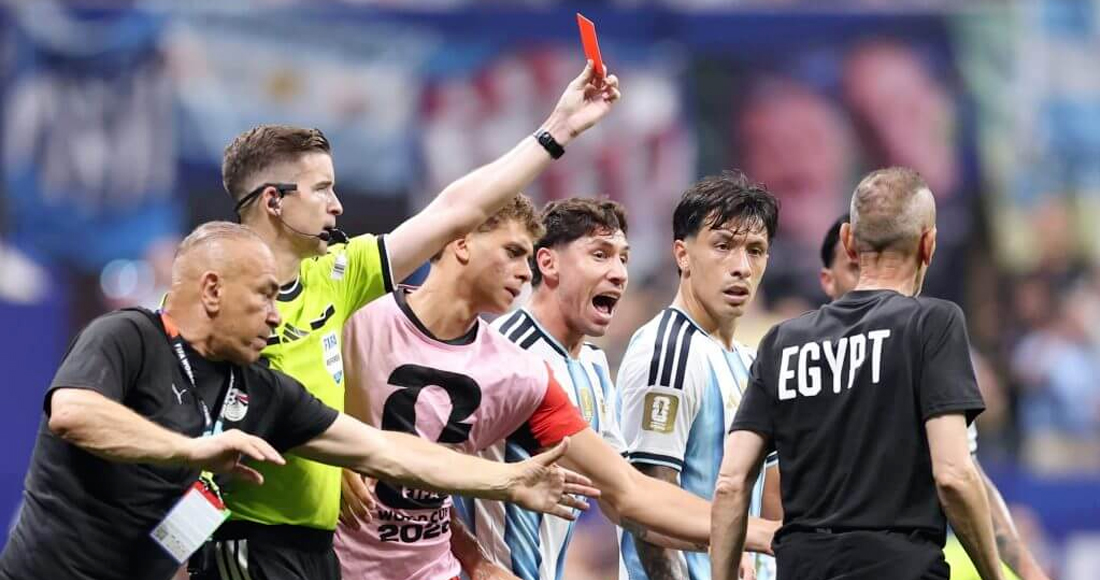
The 2026 FIFA World Cup was in the spotlight not only for excellent play but also for controversies, criticisms, and allegations of conspiracy. Various decisions made before and during the tournament have raised serious questions about FIFA's transparency, governance, and impartiality.
Some controversies appeared to arise from the disappointment of losing teams, while some were related to genuine concerns about the decision-making process. Here are the 10 major controversies related to the World Cup–
1. Suspension of Cristiano Ronaldo's Ban
Portuguese captain Cristiano Ronaldo was part of a three-match ban for elbowing an opponent in a World Cup qualifier against Ireland. According to the rules, he was set to miss the first two matches of the World Cup, but FIFA suspended the ban for one year using Article 27 of the Disciplinary Code.
_E9F9hM8yXy.webp)
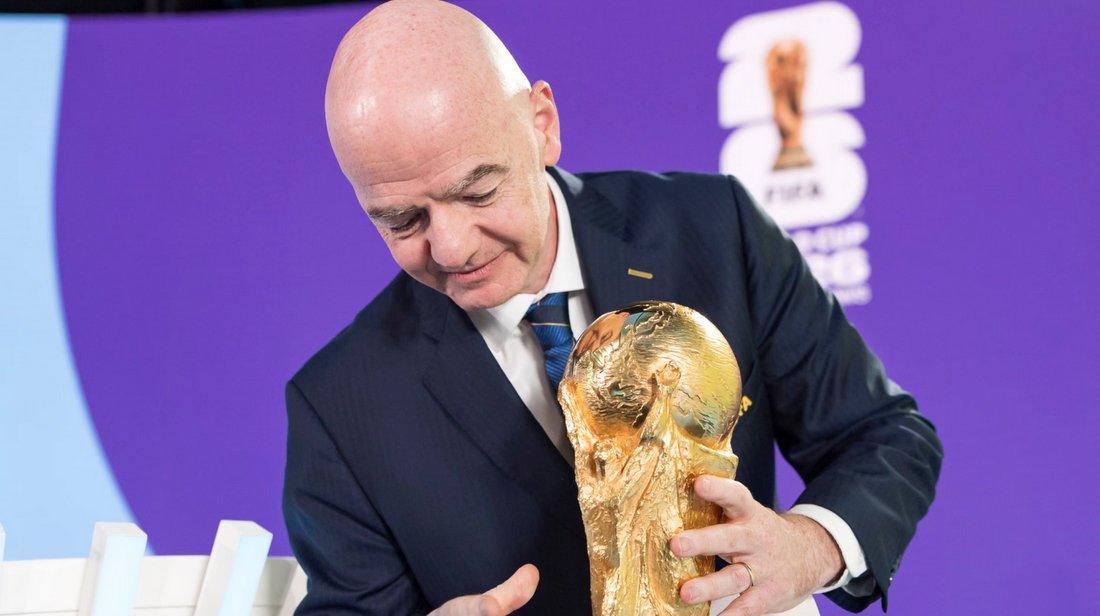
This decision led to accusations that FIFA was lenient with the rules to ensure the participation of a superstar in the tournament. Suspicion grew with Ronaldo's participation in a dinner with FIFA President Gianni Infantino and Saudi Crown Prince Mohammed bin Salman at the White House before the World Cup.
2. FIFA 'Peace Prize' to Donald Trump
FIFA presented its first-ever 'FIFA Peace Prize' to US President Donald Trump. Surprisingly, many members of the FIFA Council were not informed about this award beforehand. The selection process, criteria, or discussions were not made public.
Criticism arose that FIFA was giving Trump an alternative honor, as he had been nominated for the Nobel Peace Prize. The award ceremony and its political context raised questions about FIFA's impartiality.
3. Change in World Cup Draw System
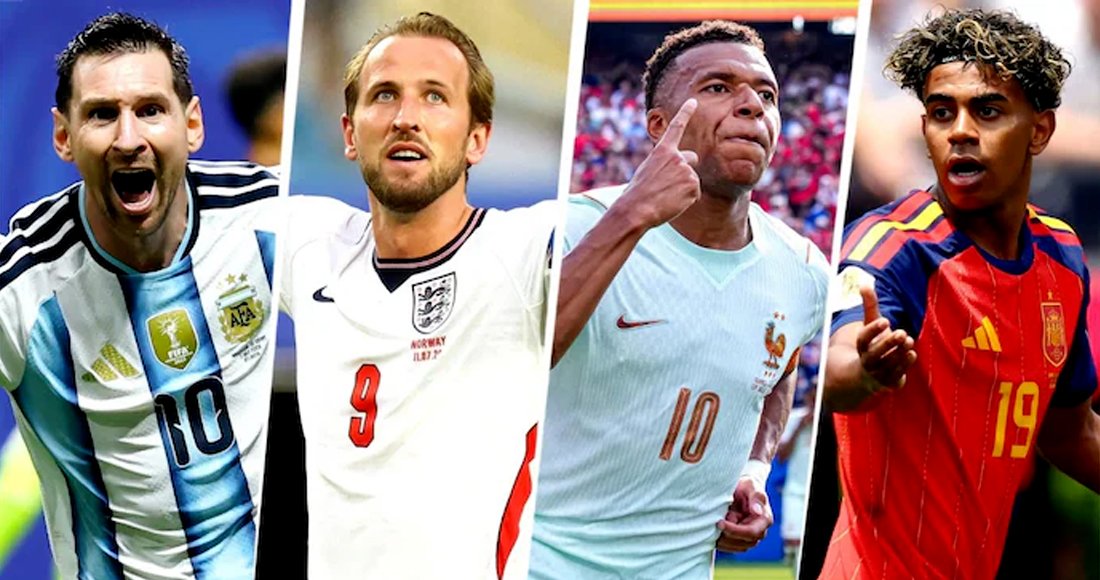
This World Cup adopted a tennis-style seeding system for the first time. This ensured that the top-ranked teams would not play each other before the semi-finals. As a result, the top four ranked teams, Spain, Argentina, France, and England, reached the semi-finals.
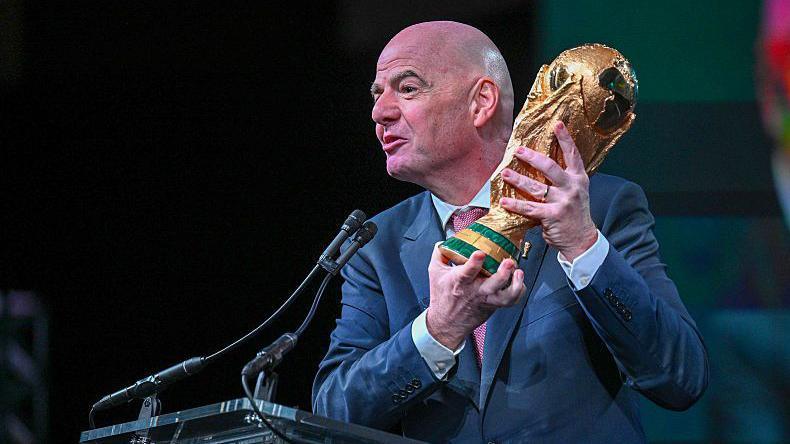
Critics argued that this system benefited the top teams and created a difficult path for mid-level teams. For example, Norway had to play strong teams from the group stage, while Argentina faced relatively easier opponents.
4. Mandatory 'Hydration Break'
FIFA implemented a mandatory three-minute 'hydration break' in each half for the first time. This made the game seem divided into four segments. Although claimed to be for player health due to heat, the rule was applied even in temperature-controlled stadiums.
Critics suggested that this created additional advertising time for television broadcasts. Coaches, players, and analysts said it disrupted the natural flow of the game.
5. Allegations of Refereeing Decisions Favoring Argentina
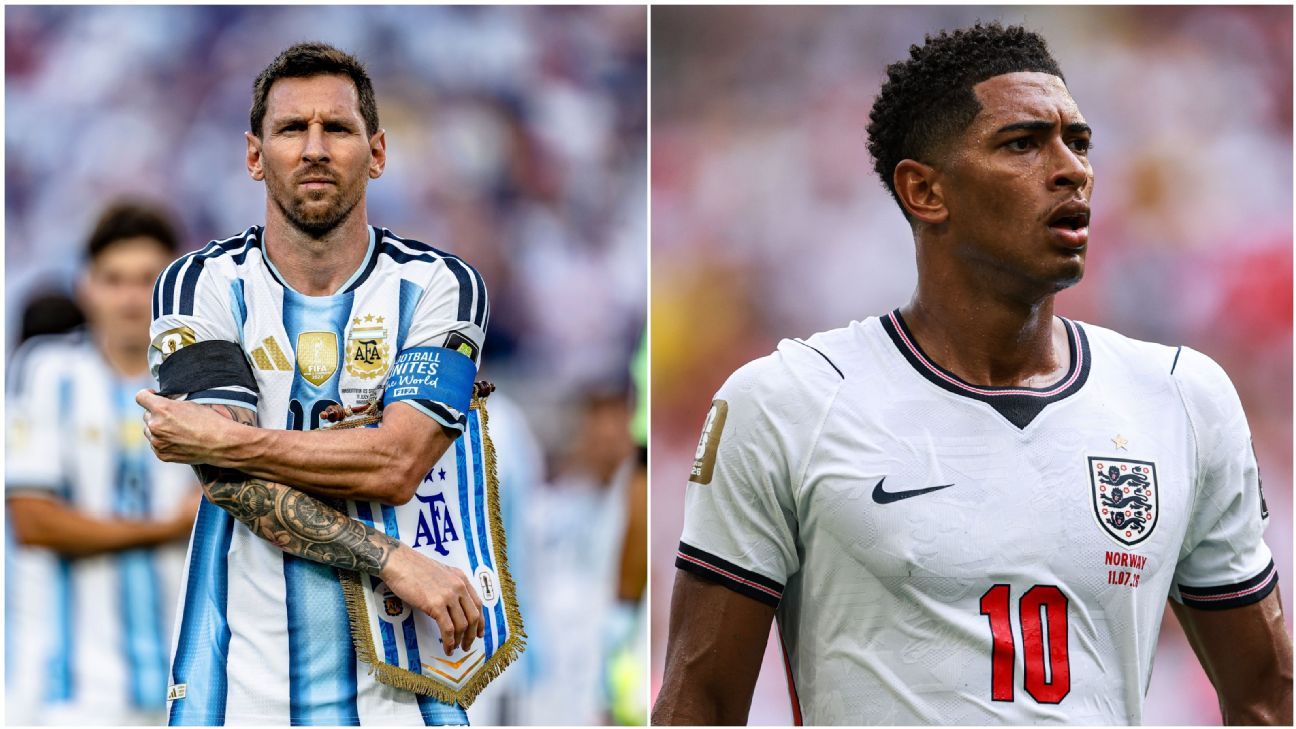
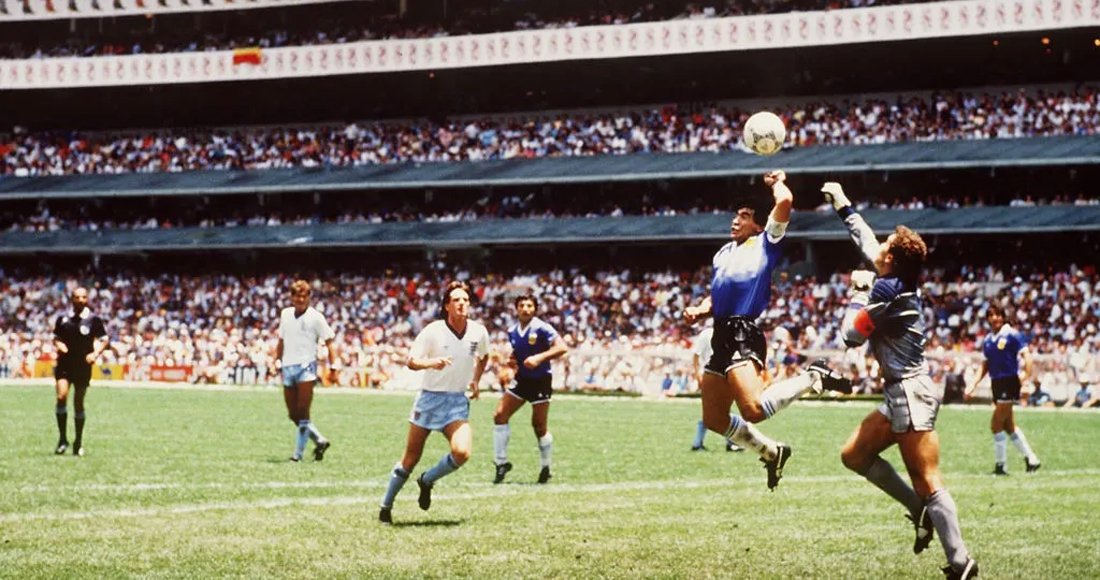
The biggest controversy of the World Cup was linked to Argentina. In the group stage, there was protest against the lack of action on Lionel Messi's dangerous tackle against Algeria. The controversy intensified with Argentina's comeback win against Egypt in the Round of 16.
Egypt's second goal was disallowed on the recommendation of the Video Assistant Referee (VAR). Allegations were also made that Argentina was not awarded a penalty. Egypt's coach Hossam Hassan and player Mostafa Zico claimed that decisions were made with the intention of making Argentina win the World Cup. However, FIFA defended the referees' impartiality and denied allegations of conspiracy. Former Premier League referee Graham Scott commented that disallowing Egypt's goal was a wrong decision.
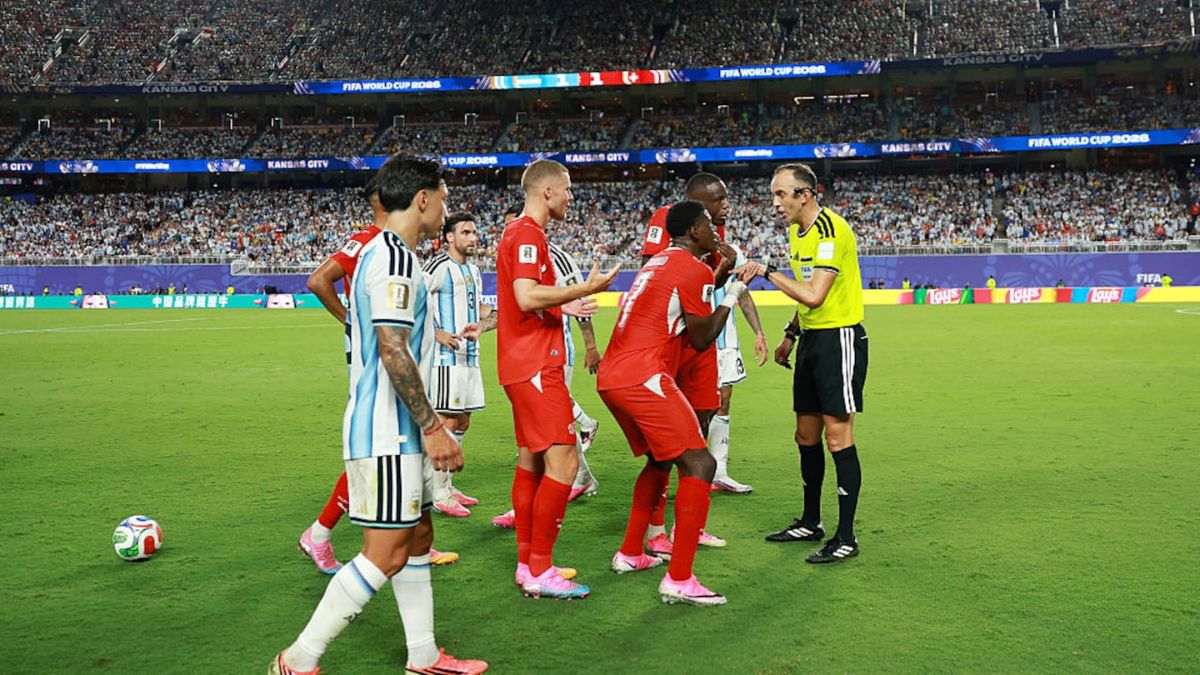
6. VAR Decision Against Switzerland
The incident in the quarter-final against Argentina, where Switzerland's Breel Embolo was shown a red card after initially being shown a second yellow card, also caused controversy. VAR corrected the initial card shown to the Argentinian player and deemed Embolo guilty. Although the decision was correct according to the rules, the Swiss team criticized it as disrupting the flow of the game.
7. Folarin Balogun Incident
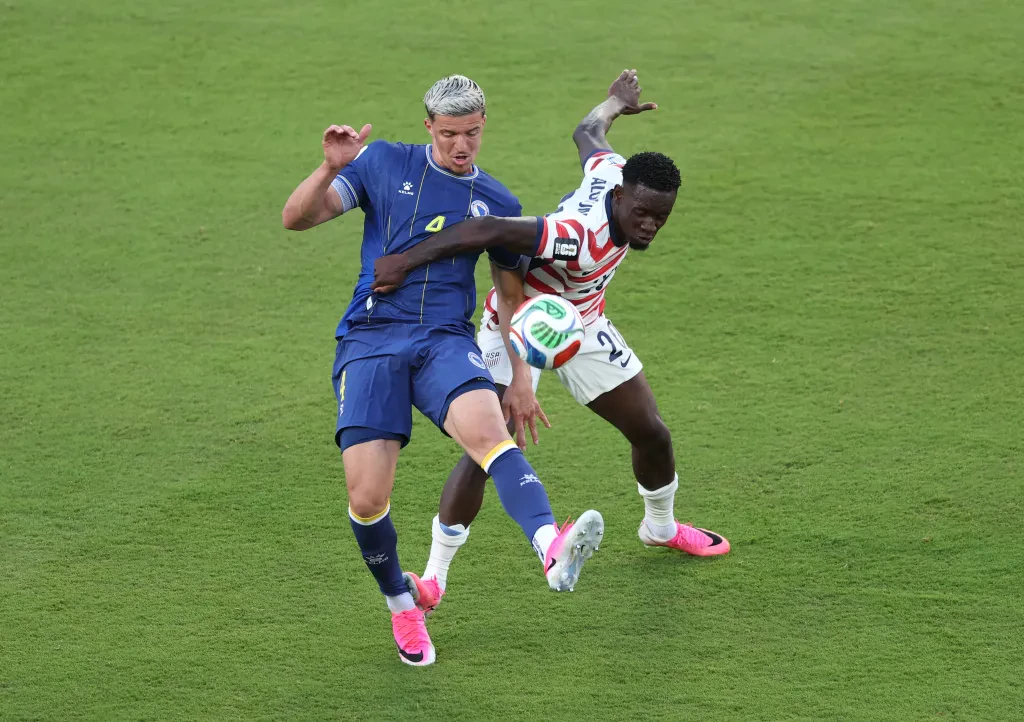
Although American player Folarin Balogun was banned due to a red card, FIFA suspended his ban after intervention from US President Trump. Despite Belgium protesting, FIFA rejected their appeal. This incident fueled allegations that FIFA's disciplinary system was influenced by political pressure.
8. 'Skycam' Controversy in England-Norway Match
It was claimed that the direction of Norway's goalkeeper's long kick was changed after hitting the skycam during the England-Norway quarter-final. England then scored an equalizer. Although FIFA stated that the ball's chip technology confirmed no collision, the Norwegian team remained unconvinced.
9. Attempt to Change Mexico-England Match Time
48 hours before the Round of 16 match between Mexico and England, FIFA planned to move the match time forward by 6 hours. Although officially attributed to weather, it was revealed that the real reason was security concerns. Both the England and Mexico Football Associations protested, and the match was eventually played at its scheduled time.
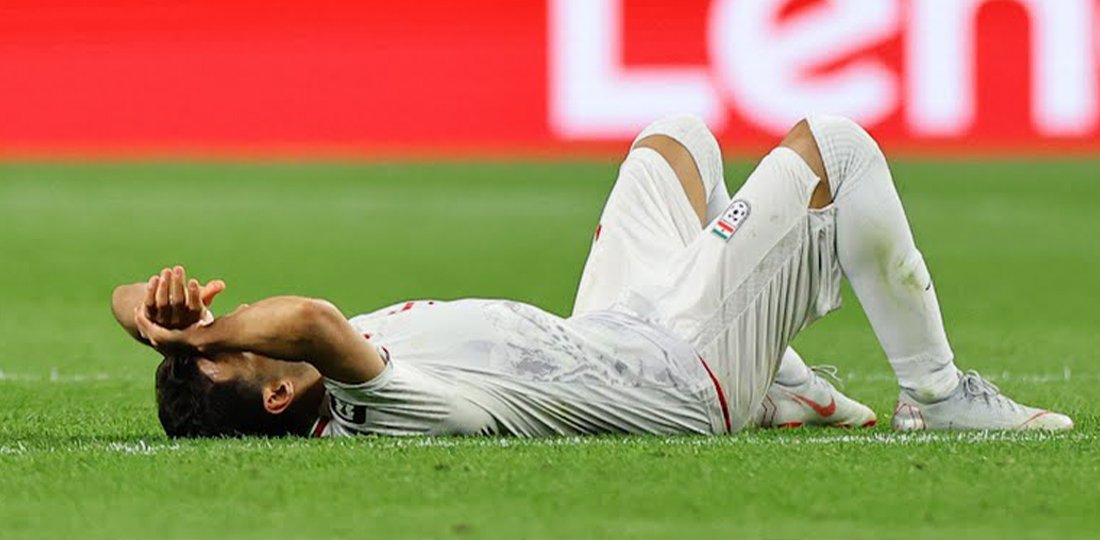
10. Algeria-Austria Match and Iran's Exit
After Algeria and Austria drew 3-3 in their final group stage match, both teams advanced to the knockout stage, and Iran was eliminated. The way both teams played without taking risks in the final moments of the match was reminiscent of the infamous 1982 'Disgrace of Gijon'. However, both coaches denied any pre-match agreement.
- Conclusion
The 2026 FIFA World Cup generated serious debate about FIFA's decision-making process, transparency, and governance, alongside excellent football. Special treatment for superstar players, political influence, new competition structures, VAR-related controversies, and referee decisions raised questions about the tournament's credibility.
Although many allegations remained unproven, this World Cup clearly demonstrated the need for FIFA to make its decision-making process more open, transparent, and accountable.
This specific news has been automatically translated by AI. As a result, there may be some inaccuracies or language errors.