FIFA World Cup 2026 Draw System Sparks Controversy

Kathmandu. The new 'seeding' (draw) system, implemented in a tennis style for the first time in the 2026 FIFA World Cup, has become one of the most discussed controversies of the tournament. Although FIFA claims this system has been implemented to make the tournament more organized and competitive, many analysts and supporters have accused it of clearly benefiting top-seeded teams.
According to FIFA's official statement, 'Two separate competitive pathways have been determined for the major teams reaching the semi-finals to maintain competitive balance in the tournament.' According to FIFA, the objective of this system is to organize the overall tournament by not having top-seeded teams clash with each other until the final stages of the tournament.
Regarding this issue, BBC Sport's football rules analyst Dale Johnson says, 'Under the new draw system, the world's top-seeded teams have been placed on different competitive pathways in the knockout stage. Therefore, they will not have to play each other before the final stage of the tournament. This has made the tournament structure more predictable compared to previous World Cups.'
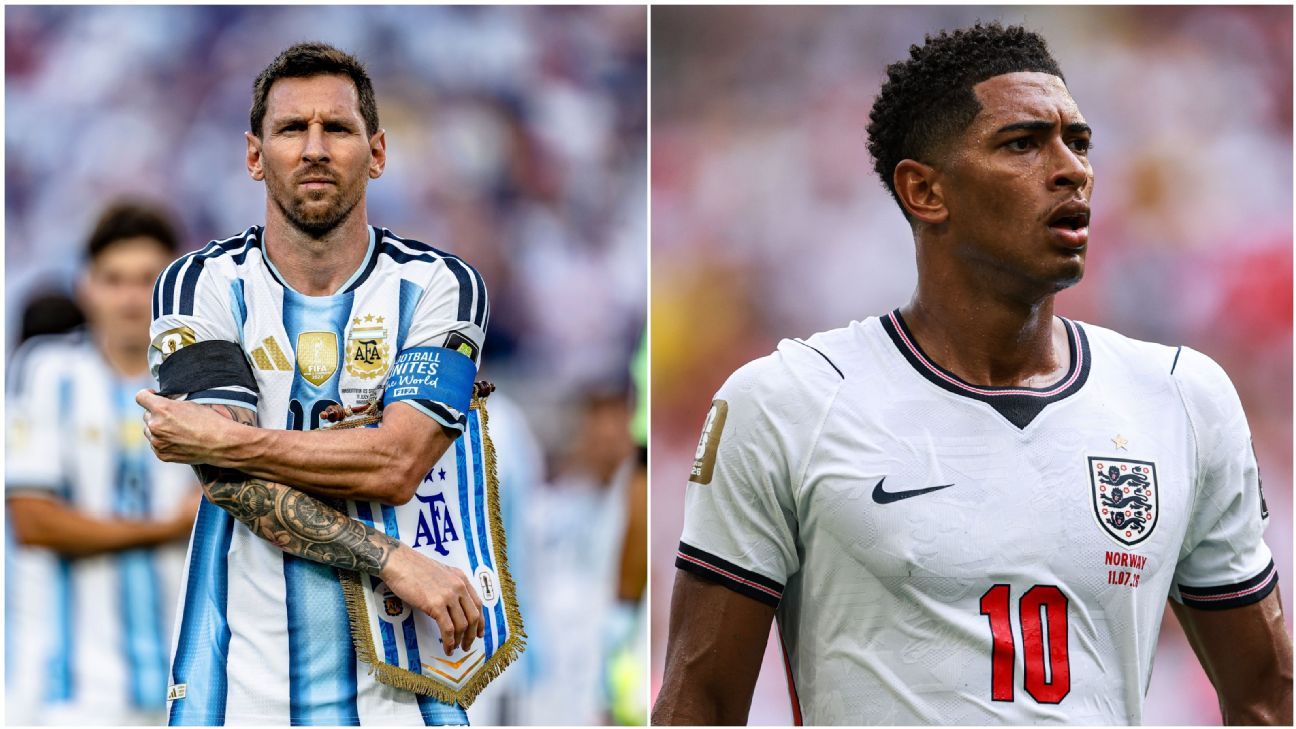
In previous World Cups, the knockout stage draw was determined based on group stage results. Therefore, there was a possibility of strong teams facing each other in the initial knockout stages. But this time, the top-seeded teams were placed in different brackets from the beginning. As a direct result, the top four teams in the world rankings, Spain, Argentina, France, and England, managed to reach the semi-finals.
This is why questions have started to arise about the new draw system. According to many analysts, this arrangement has provided a relatively easier journey for the top teams, while mid-level teams have had to face tough opponents from the beginning. For example, Norway had to play Brazil in the knockout stage, while Argentina got the opportunity to compete against teams with relatively weaker rankings. It has been commented that this has affected the competitive balance of the tournament.
Reuters has also raised questions about this in its analysis. The news agency wrote, 'The new structure and technology-based decision-making process of the World Cup has created a debate over fairness and competitive credibility. Criticism is being leveled that the changes made in the tournament format and officiating have generated more controversy instead of increasing confidence in the World Cup.'
Similarly, according to the British daily The Guardian, 'The new tennis-style seeding system was specifically designed to place the top four seeded teams in different brackets of the knockout stage so that they do not play each other before the semi-finals. This is one of the biggest changes in the World Cup draw system in recent decades.'
According to critics, this has also reduced the excitement of the tournament. They say that the attraction of the World Cup lies in the uncertainty that strong teams can face each other at any stage. It is alleged that the new system has reduced such possibilities and an attempt has been made to keep the top teams safe until the final stage.
Another argument from football analysts is that all teams should get equal opportunities in a prestigious tournament like the World Cup. If the tournament structure itself creates an easier path for some teams and a difficult one for others, it can weaken the principle of fair competition.
However, FIFA has denied these accusations, stating that the new draw system has made the tournament's operation, team travel management, and broadcast schedule more effective.
This debate has intensified after Spain, Argentina, France, and England reached the semi-finals. Whether FIFA will continue with this system in future World Cups or review it has now become the focus of an important debate in the football world.
This specific news has been automatically translated by AI. As a result, there may be some inaccuracies or language errors.