Nepal Faces Public Health Challenge Due to Burns

Kathmandu. According to government data, burn injuries have emerged as a public health challenge in Nepal. The latest data from the Integrated Health Management Branch of the Management Division under the Department of Health Services shows that 37,438 burn patients have been identified in health institutions across the country.
According to the branch, 3,993 in Koshi, 6,005 in Madhesh, 14,366 in Bagmati, 2,767 in Gandaki, 6,402 in Lumbini, 1,978 in Karnali, and 1,927 in Sudurpashchim are receiving burn-related treatment.
Praveen Chauhan, a computer officer at the branch, stated that they receive burn-related reports from health institutions nationwide.
There is an extreme shortage of specialist doctors even in hospitals specialized for burn patients and those that have burn units. Specialist doctors involved in burn treatment include plastic and reconstructive surgeons, burn specialists, general surgeons, and physiotherapists. The condition of specialist doctors registered in plastic surgery, which holds the primary responsibility for burn treatment, appears very concerning and scarce.
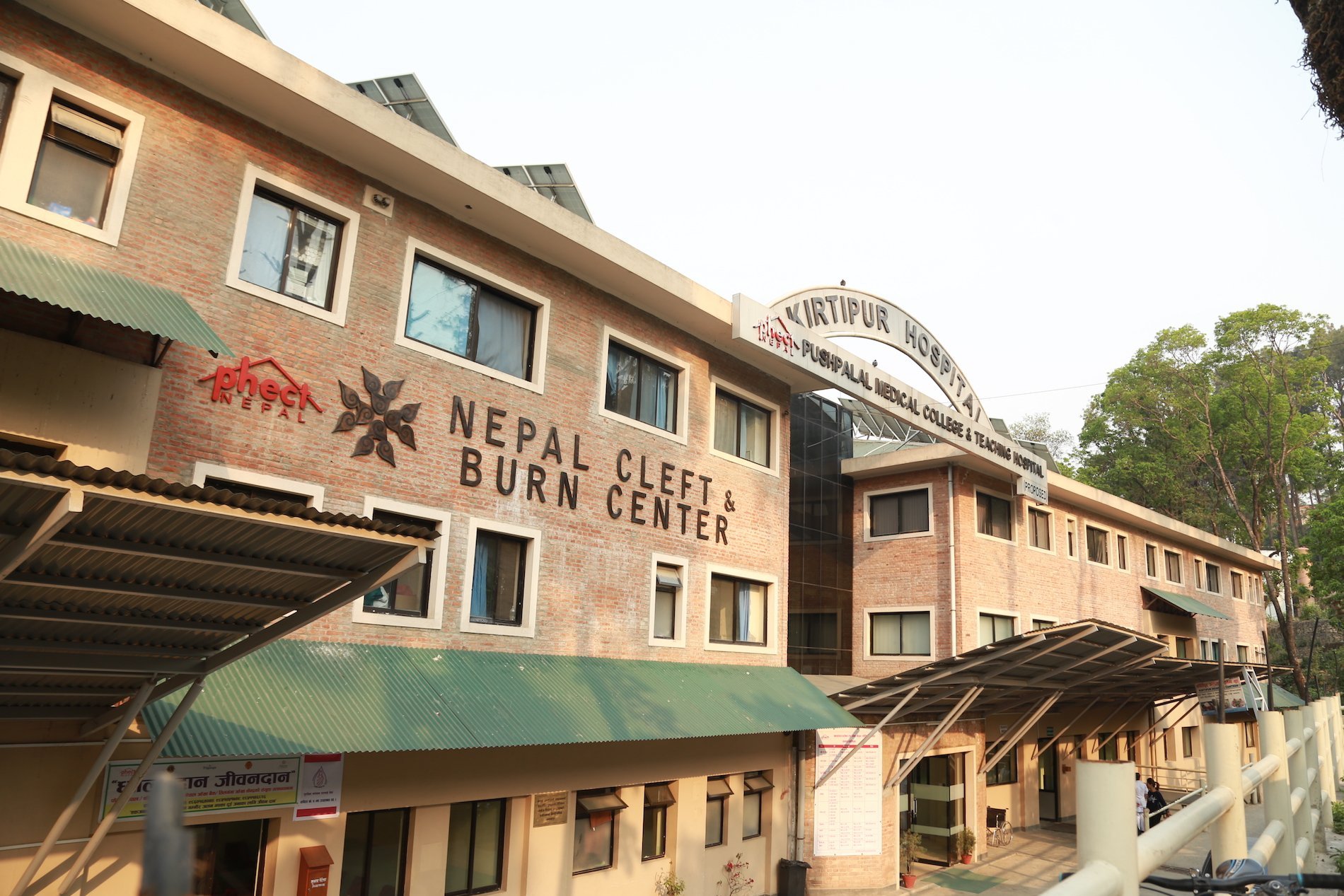
According to the updated data from the Nepal Medical Council, there are only 13 doctors involved in burn treatment (plastic surgery). The government has announced the establishment of burn treatment departments in federal and specialized hospitals. In the budget speech for the upcoming fiscal year (2083/084), Finance Minister Dr. Swarnim Wagle announced the expansion of capacity for intensive burn treatment at Bir Hospital and Kirtipur Hospital, but there are doubts about its implementation.
Although burn treatment units with 5 to 10 beds are designated in health institutions, due to the lack of skilled manpower and necessary infrastructure, patients are referred to federal hospitals in Kathmandu.
Point 85 (e) of the governance reform agenda states, 'To address the increasing mortality, disability, and long-term rehabilitation problems due to the lack of well-equipped hospitals at the provincial level for burn treatment, the process of establishing 'burn wards' in most hospitals will be initiated within 30 days. Arrangements will be made for subsidized treatment for burn patients.'
However, most government hospitals across the country still lack burn wards. As per the one-hundred-day government commitment, special units and wards for burn treatment have been operationalized in 14 federal and 4 provincial hospitals. According to the Ministry of Health and Population, 109 health workers have been provided with basic and 217 with specialized burn treatment training.
Currently, separate wards for burn treatment have been established at Kanti Children's Hospital, Tribhuvan University Teaching Hospital, Koshi Hospital, Narayani Hospital, Bharatpur Hospital, Dadeldhura Hospital, Bheri Hospital, National Medical College-Bir Hospital, BP Koirala Institute of Health Sciences, Patan Academy of Health Sciences, Pokhara Academy of Health Sciences, and Rapti Academy of Health Sciences.
The procedure for expanding intensive burn treatment services, 2081, mentions that the Ministry of Health will formulate necessary policies and regulations to ensure the quality of intensive burn treatment services, establish and implement standardized treatment protocols for intensive burn care, and monitor intensive burn treatment services. However, this seems to be limited to the procedure itself.
Although burn treatment training is being conducted in hospitals outside Kathmandu recently, patients are being referred to Kathmandu due to the shortage of specialist doctors.
Dr. Bishal Karki, Head of the Plastic Surgery Department and Senior Consultant Plastic Surgeon at Kirtipur Burn Hospital, stated that the hospital receives all types of burn patients, including those burned by fire, hot liquids (milk, oil, water), electricity, chemicals, acid, and lightning. He said, 'First aid is most important in burn incidents. If the burned area is immediately moved away from the source of fire or heat and kept in running cold water for 20 to 30 minutes, the wound does not deepen and can be healed with dressing.'
According to Dr. Karki, if the wound deepens, there is a risk of skin necrosis and infection, for which dead skin must be removed through surgery and new skin transplanted (skin grafting). He stated that if more than 20 percent of the total body surface area (TBSA) is burned in adults and more than 10 percent in children, it is considered 'major burn'. 'This can cause severe damage to internal organs such as the heart, kidneys, and lungs, requiring intensive treatment in the ICU,' he said.
Although burn treatment training is being conducted in hospitals outside Kathmandu recently, patients are being referred to Kathmandu due to the shortage of specialist doctors. According to Dr. Karki, the first 24 hours after a burn are called the 'golden hour'. It is wise to provide first aid at the local health facility and send the patient with saline instead of rushing them to Kathmandu immediately during this critical time.
Dr. Karki said, 'If the patient does not receive saline in the ambulance during a long journey, the patient's condition can worsen, and the golden time can be lost. Depending on the severity of the burn and the effect of hot smoke on the respiratory system, the patient is treated in a ward or ICU. If proper first aid and management are provided at the beginning, the damage from burns can be significantly reduced, and the patient's life can be saved.'
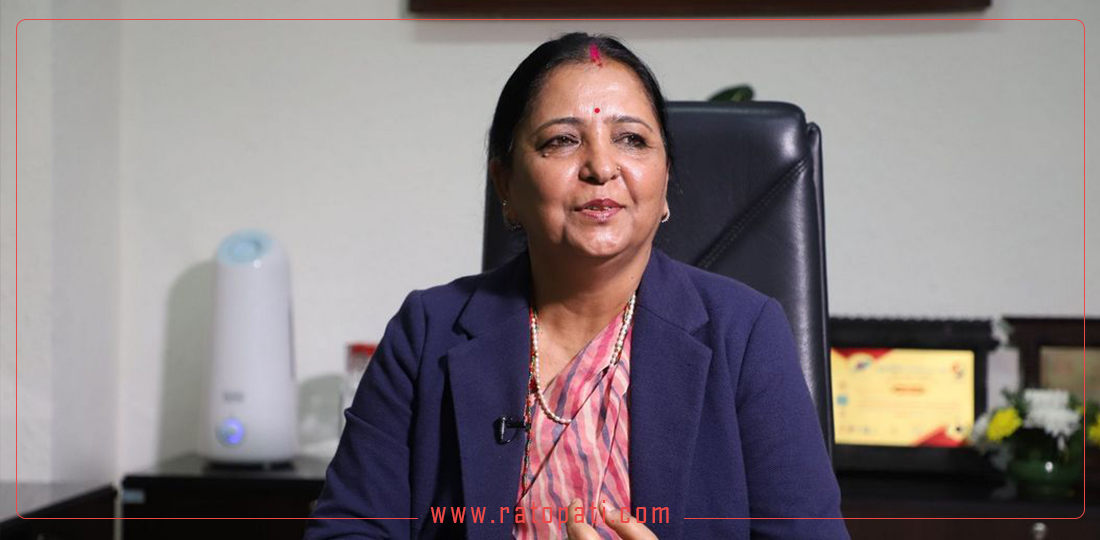
Dr. Nijina Tamrakar, Medical Director of Kirtipur Burn Hospital, stated that the hospital primarily receives cases of burns caused by fire and electric current. She said, 'Especially during winter, adults who get injured while warming themselves by the fire and children burned by hot water at home are the main categories of patients reaching the hospital.'
She asserted that due to a lack of public awareness, there are still incorrect and misleading home practices such as applying ink, Colgate, or ghee to the burned area immediately after a burn, and these practices further infect and complicate the wound. 'The best first aid for a burn is to keep the affected part in running clean water for the first 30 minutes, which prevents superficial burns from becoming deep burns and helps the patient recover quickly,' she said.
Tamrakar stated that due to excessive loss of fluids and salts from the body in burn cases, 'resuscitation' (fluid supply) in the hospital and timely dressing or, if necessary, skin grafting for infection prevention are the main medical procedures.
Tamrakar said that regardless of the extent of the burn, it is mandatory to show the patient to the nearest hospital immediately after first aid. She said, 'Although burns are classified as first, second, and third degree based on severity, a wound that appears superficial initially can become deep the next day, so it is mandatory to show it to the nearest hospital immediately after first aid, no matter how minor (1% or 2%) the burn is.'
Tamrakar stated that due to excessive loss of fluids and salts from the body in burn cases, 'resuscitation' (fluid supply) in the hospital and timely dressing or, if necessary, skin grafting for infection prevention are the main medical procedures. According to her, burns not only cause physical damage but also cause severe trauma to the patient's daily activities and mental health in the future due to 'post-burn contracture' (skin shrinkage), physical disfigurement, and disability. 'Therefore, for successful burn treatment, there is an integrated role of plastic surgeons, specialists, and physiotherapists, along with continuous psychological counseling and balanced nutrition,' she said.
Tamrakar stated that due to Nepal's geographical conditions and limited resources, it is difficult to provide specialized plastic surgery services immediately in rural areas. She said, 'In collaboration with the Government of Nepal and Kirtipur Hospital, primary burn treatment training is being conducted targeting health workers from all seven provinces. This aims to prepare skilled manpower for initial burn management at the local level.'
Furthermore, using modern technology and telemedicine, doctors in rural areas send pictures of the burned area through platforms like Viber to consult directly with plastic surgeons in Kathmandu. This coordination has reduced the compulsion for patients with minor burns to travel to Kathmandu for simple treatment, making quality consultation possible in rural areas, she said.
Burn specialists say that the complexity of a burn depends not only on the percentage of the burn but also on the patient's age, health background, and the timeliness of first aid. Dr. Tamrakar said, 'Sometimes, due to delays, even a 15-20 percent burn can be fatal, while even a minor burn can become complicated in older individuals. However, due to advancements in the medical field and the hard work of skilled teams, the survival rate of burn patients in Nepal is currently showing significant improvement and increase.'
This specific news has been automatically translated by AI. As a result, there may be some inaccuracies or language errors.