Gagan Thapa Criticizes Government's Constitution Amendment Approach

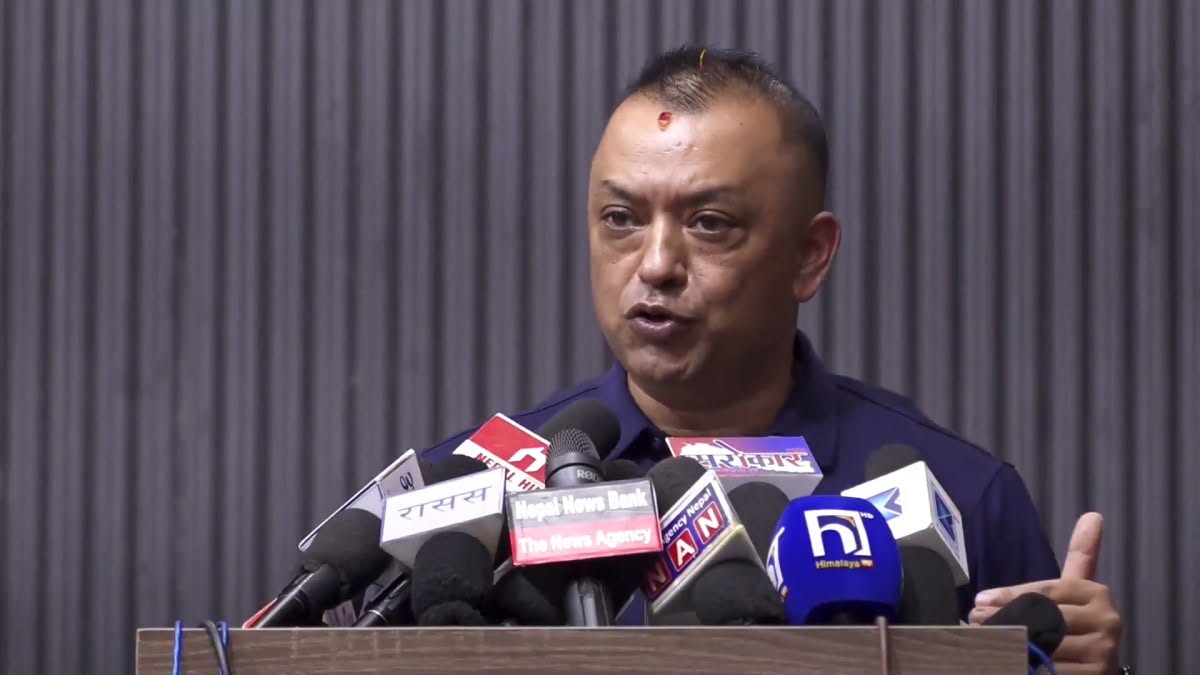
Kathmandu. Nepali Congress President Gagan Kumar Thapa has objected to the government's move to advance the process of constitution amendment without identifying clear priorities and specific problems.
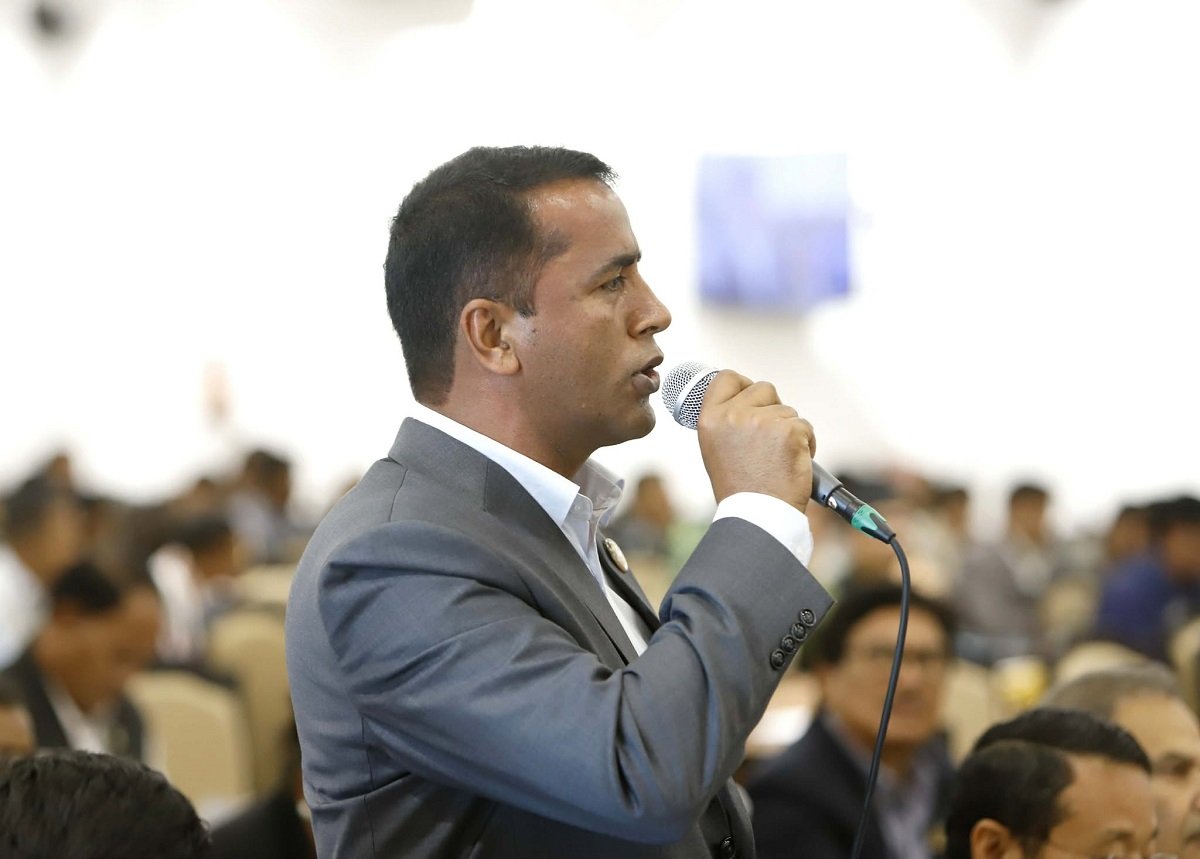
Speaking at a discussion program on 'Nepali Congress's Perspective on Constitution Amendment' organized at the party's central office in Sanepa, Lalitpur on Thursday, Thapa questioned the process, procedures, and leadership of the task force formed by the government.
Thapa commented that the amendment is being sought by forgetting the historical background of constitution making, the pain of the armed conflict, and the sensitivities of the achievements gained through the sacrifice of thousands of citizens. Stating that it is not clear what specific problem the government wants to solve through the amendment, he argued that discussing the entire content of the constitution at once could lead to unexpected constitutional and legal complexities and extreme party polarization.
He said, 'We cannot ignore the fact of what political conflict Nepal has gone through to reach this point and how the Constituent Assembly made the constitution.' Even if the issue of 17-18 thousand people being killed is confined to one paragraph, he said that each deceased person's story and their family's emotions are connected.
He further stated that it is worrying to suddenly seek to amend the constitution by forgetting all those things, adding, 'Opening the door for constitution amendment haphazardly can break the fundamental foundations that hold society and geography together.' He said that this could destabilize the entire governance system and that such risks are visible when the government proceeds without setting priorities.
Thapa said that the main agenda of constitution amendment should be good governance and effective service delivery. He expressed concern that issues of good governance and public service have been overshadowed, stating that a review of the constitutional and legal structure is necessary to control corruption.
He specifically raised questions about the appointment process of constitutional bodies like the Commission for the Investigation of Abuse of Authority, arguing that although the Constitutional Council system was established to maintain the balance of power, in practice, the influence of political parties' demands and power-sharing has increased over merit. He said, 'There is a growing concern that a person who cannot remain independent of the Prime Minister's influence, fears the Prime Minister, and gets startled upon seeing the Prime Minister, might end up leading the Commission for the Investigation of Abuse of Authority.'
He clarified that if the chief of the Commission for the Investigation of Abuse of Authority cannot remain free from the Prime Minister's influence or pressure, the objective of controlling corruption cannot be achieved. Describing corruption as the biggest enemy of the federal governance system, he said that the goal of good governance cannot be achieved without structural reforms.
Thapa clarified that the party will not compromise on the fundamental issues of the constitution and democratic values. He stated that democracy, republic, federalism, parliamentary system, and proportional inclusive representation are immutable for the Nepali Congress.
He said, 'These issues can be broadened, expanded, but anything that narrows them down is unacceptable to the Nepali Congress party under any circumstances.'
He said that the Congress's stance is that the constitution should be amended where necessary to make democracy result-oriented, empower citizens further, and make good governance and service delivery efficient, without narrowing down the substantive issues of the constitution. He clarified that the Nepali Congress will play a leading and proactive role in the necessary amendment process for this.
This specific news has been automatically translated by AI. As a result, there may be some inaccuracies or language errors.