Heart Attack Warning Signs: 6 Symptoms Never to Ignore

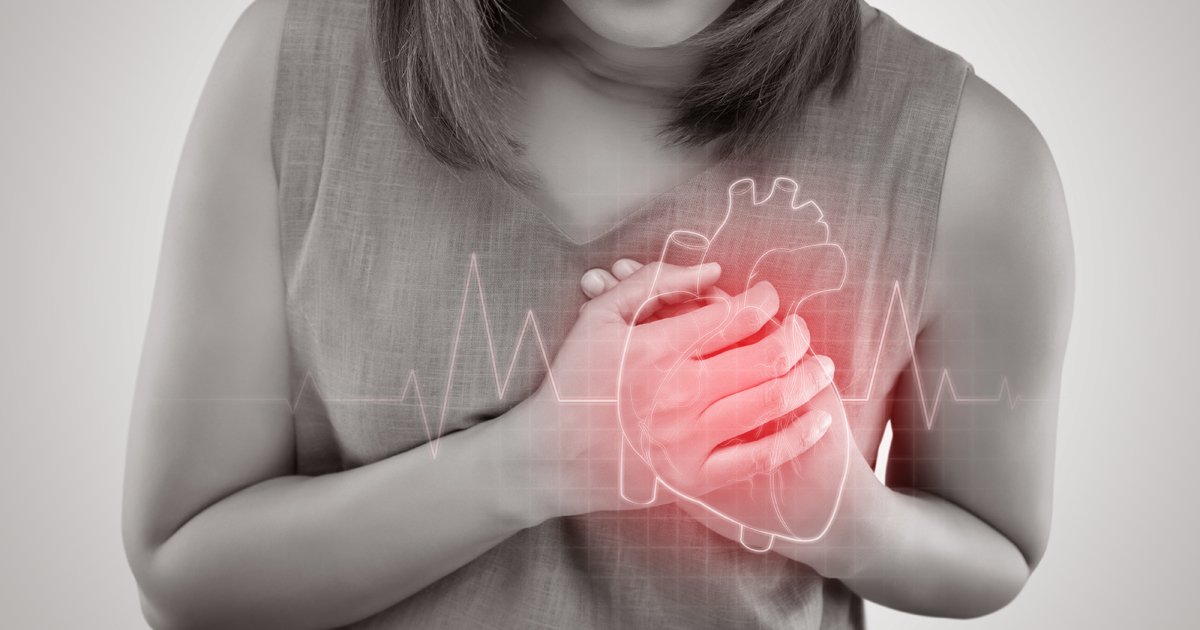
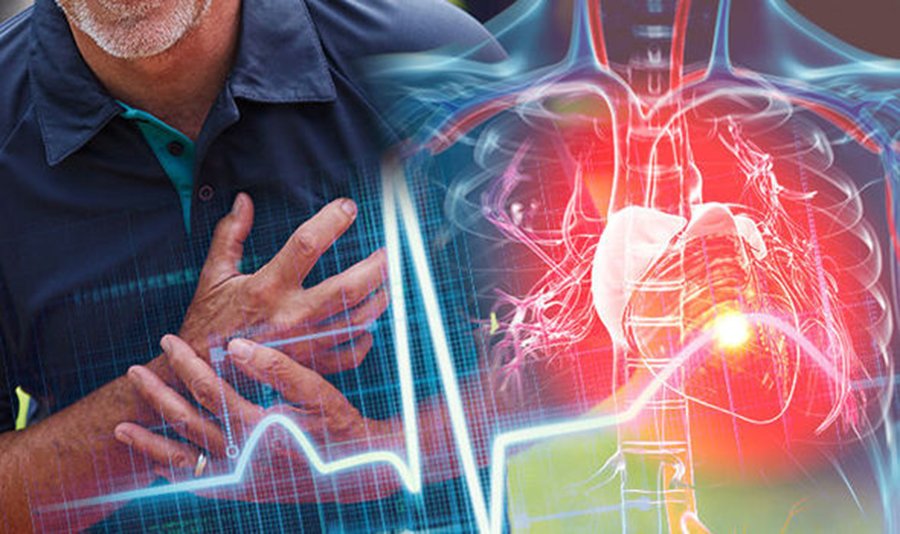
Kathmandu. Nowadays, heart attack has become a serious health problem. However, its symptoms do not appear in the same way in all individuals. In some individuals, early signs may appear a few days before a heart attack, while in others, a heart attack may occur without any warning. Therefore, it is not correct to say that the same symptoms appear in every individual exactly 14 days before a heart attack. However, there are some signs that should never be ignored:
1. Chest pain or pressure Chest heaviness, pressure, tightness, or burning sensation is considered the most common symptom of a heart attack. This pain can last for a few minutes or recur intermittently. If the problem does not subside even after resting, consult a doctor immediately.
2. Difficulty breathing If you experience difficulty breathing without strenuous activity, or excessive shortness of breath while doing normal activities or climbing stairs, do not consider it normal. Such a problem can be a sign of heart-related disease.
3. Feeling excessive fatigue Unusual fatigue, weakness, or lack of energy for several days without any apparent reason can also be an early sign of heart problems. This symptom may be more common in women.
4. Pain spreading to other parts of the body Heart-related pain is not limited to the chest only. Such pain can spread to the left arm, both arms, shoulder, neck, back, jaw, or upper abdomen. Such symptoms need to be taken seriously.
5. Cold sweat, nausea, or dizziness Sudden cold sweat, nausea, feeling like vomiting, or dizziness can also be a sign of a heart attack in some individuals. Be alert, especially if such symptoms appear along with chest pain.
6. Feeling restless or excessively anxious Some individuals may experience sudden restlessness, discomfort, or a feeling that 'something is wrong' before a heart attack. However, this alone is not a definitive sign of a heart attack. But, if such a problem appears along with other symptoms, seek immediate medical advice.
- How to reduce the risk of heart attack?
To reduce the risk of heart attack, one should consume a balanced diet beneficial for the heart. Regular exercise, avoiding smoking and tobacco products, and regular monitoring of blood pressure, blood sugar levels, and cholesterol should be adopted. In addition, it is also necessary to adopt relaxation techniques to reduce stress and get enough sleep.
(Disclaimer: This content with advice provides general information only, always consult an expert or your doctor for more information.)
This specific news has been automatically translated by AI. As a result, there may be some inaccuracies or language errors.