International Solstice Day Celebrated Worldwide

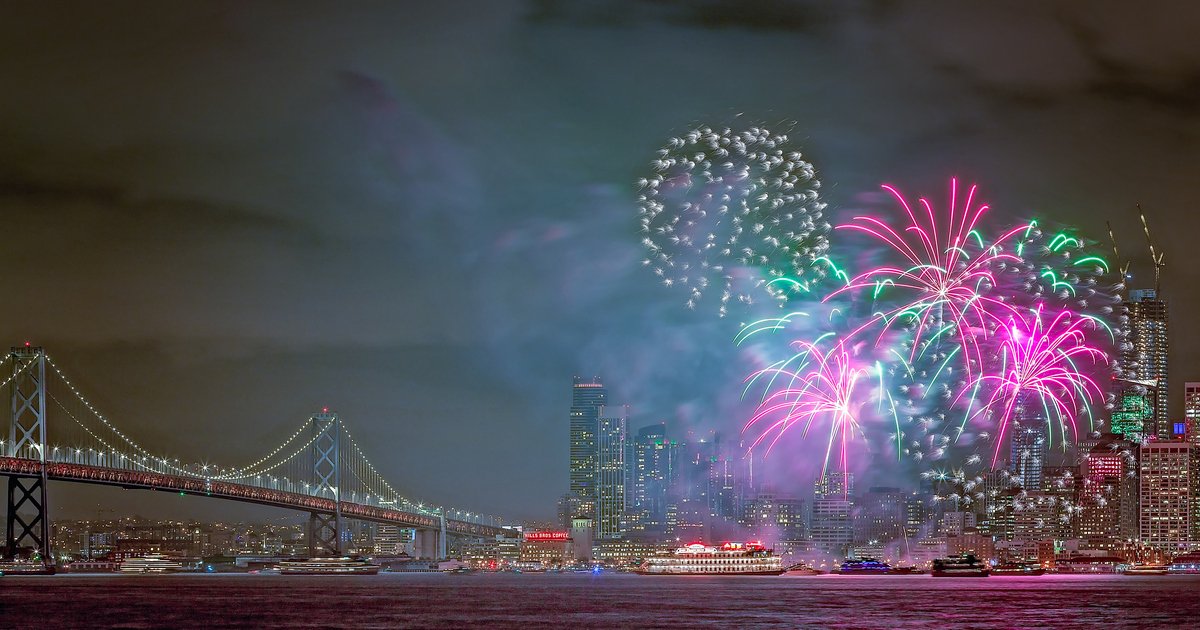
Kathmandu. Today, International Solstice Day (a celestial event occurring twice a year when the Sun reaches its northernmost or southernmost point in its journey relative to Earth's equator) is being celebrated with various programs in different parts of the world.
The United Nations General Assembly declared June 21 as International Solstice Day, recognizing solstice and equinox (a day when the duration of day and night is approximately equal in most parts of the world) as important natural and cultural events linked to cultural heritage, agricultural traditions, and human civilization.
According to the UN, culture is the sum of specific spiritual, material, intellectual, and emotional characteristics of a society or social group. It encompasses art, literature, lifestyle, values, traditions, and beliefs. As cultural diversity is a common heritage of humanity, its preservation, respect, and promotion are essential for the benefit of present and future generations.
The General Assembly has recognized solstice and equinox as symbols of land fertility, agriculture and food production systems, cultural heritage, and thousands of years old traditions. It is believed that solstice and equinox celebrations contribute significantly to strengthening relations between different communities and nations based on the ideals of mutual respect, peace, and good neighborly relations.
Astronomically, solstice is the moment when the Sun's apparent annual path reaches its northernmost or southernmost point relative to Earth's equator. Solstice occurs twice a year. The summer solstice, occurring around June 21, is considered the longest day of the year and the beginning of summer in the Northern Hemisphere, while the winter solstice, occurring around December 21, is known as the shortest day and the beginning of winter.
Similarly, equinox occurs twice a year, generally around March 20 and September 23. As the duration of day and night is approximately equal during this time, it is considered an important indicator of seasonal change.
Solstice, equinox, and their associated seasonal cycles are closely linked to agriculture, harvest times, and daily life. This is why various cultures and civilizations around the world celebrate them through special festivals, celebrations, and religious-cultural traditions. The UN believes that such traditions help enhance understanding, tolerance, and cultural dialogue among humankind.
This specific news has been automatically translated by AI. As a result, there may be some inaccuracies or language errors.