Nepal Rastra Bank Governor Calls for Special Powers to Address Financial Crises

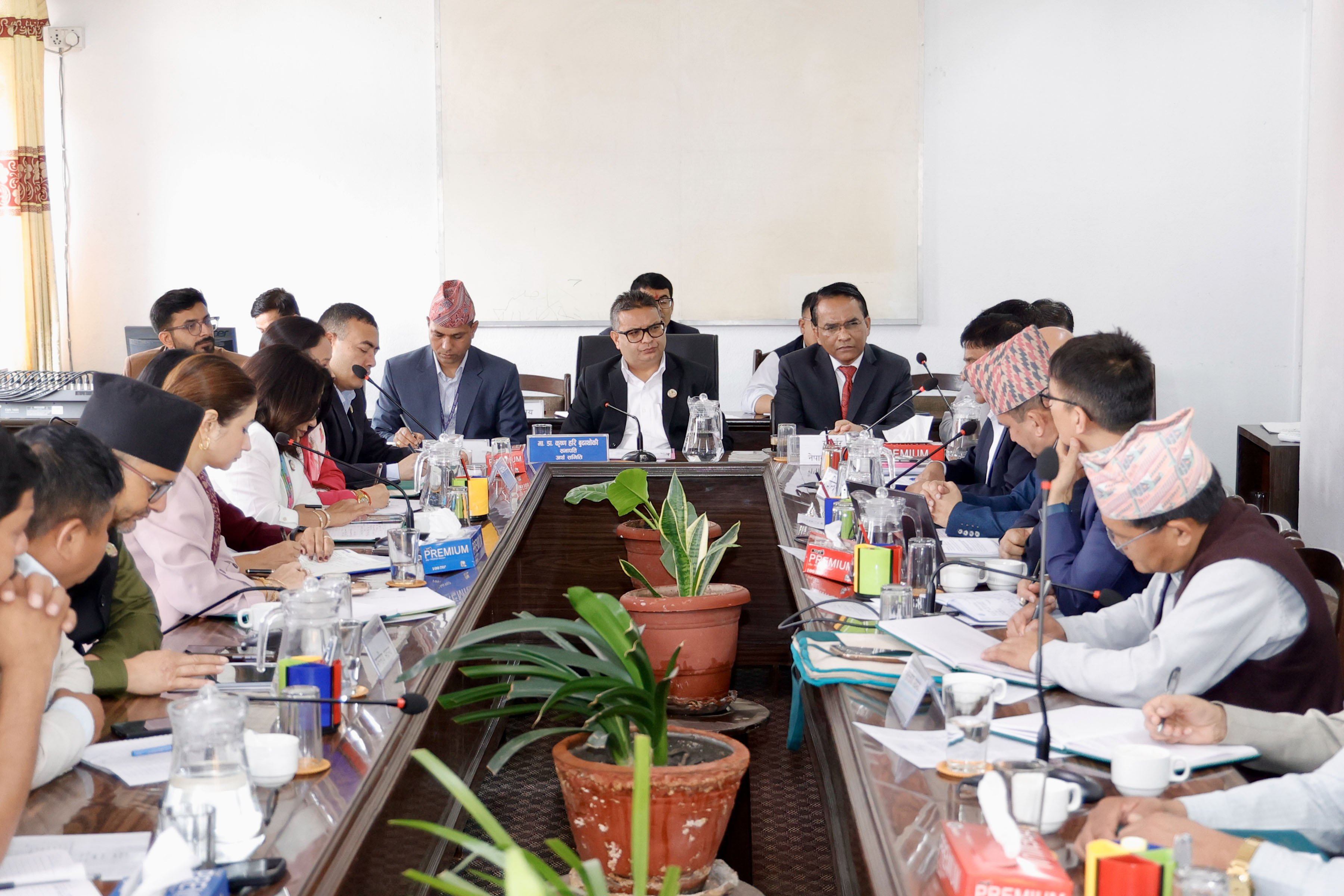
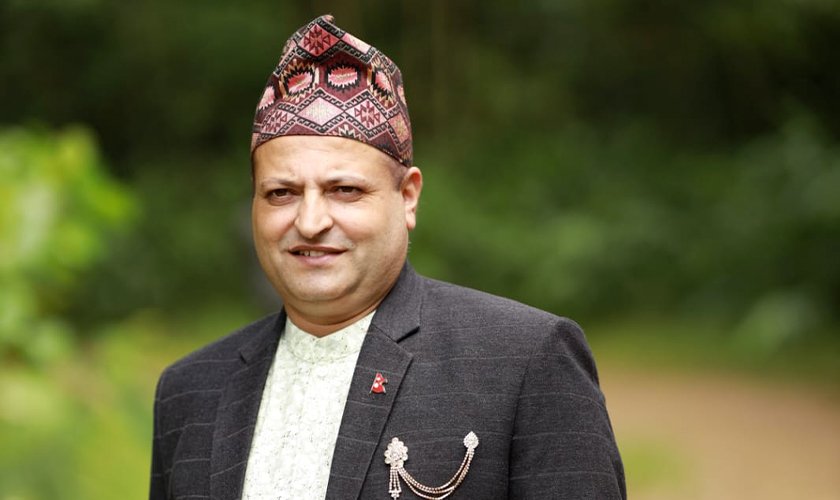
Kathmandu. Nepal Rastra Bank Governor Dr. Vishwanath Poudel has demanded that the central bank be given special and decisive authority to immediately resolve potential banking and financial crises in the country.
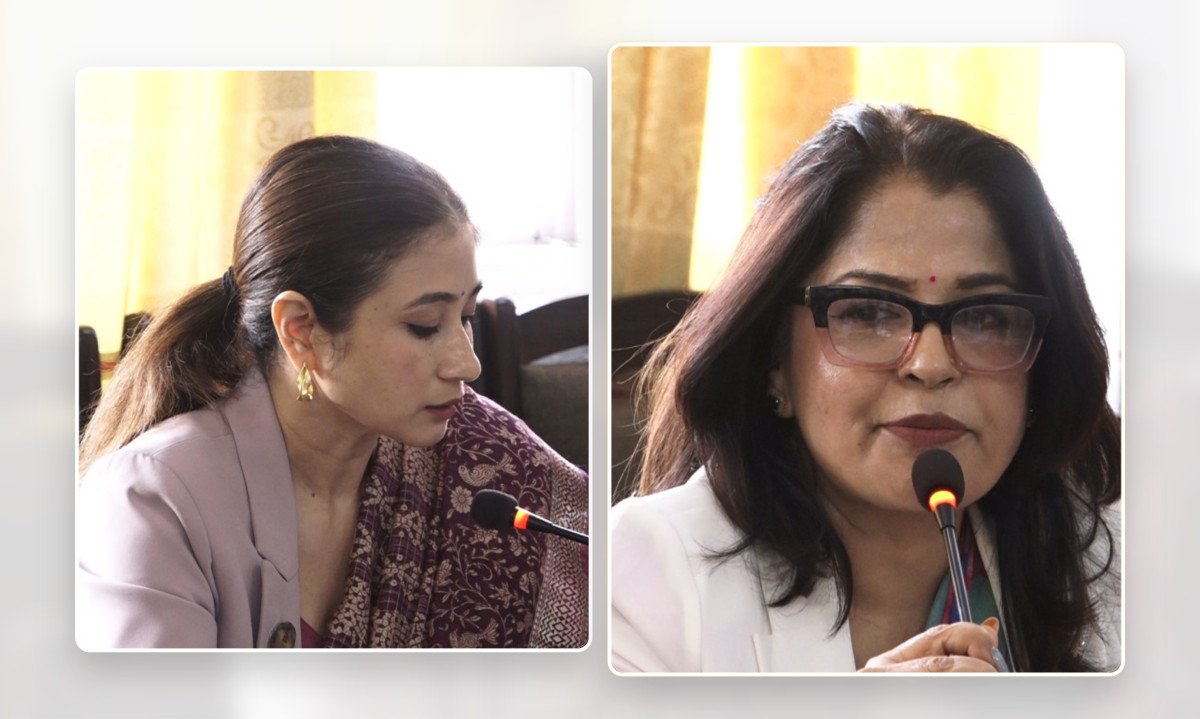
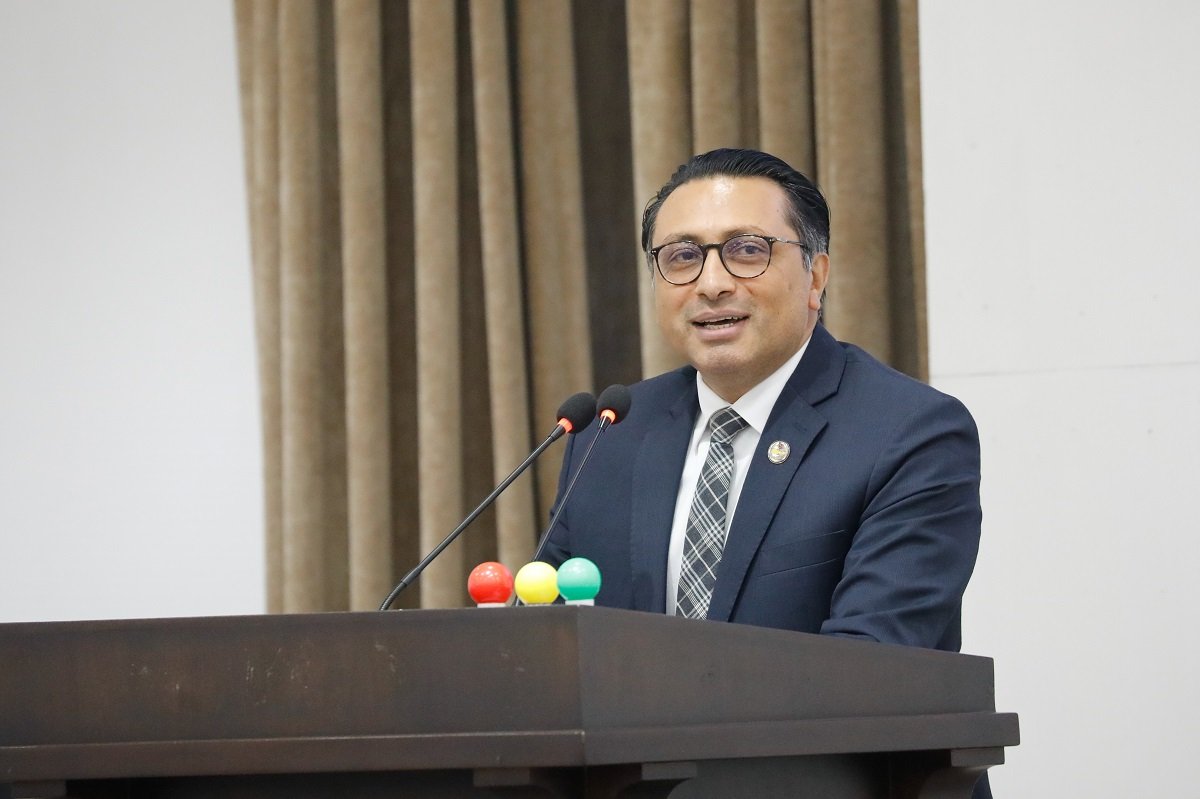
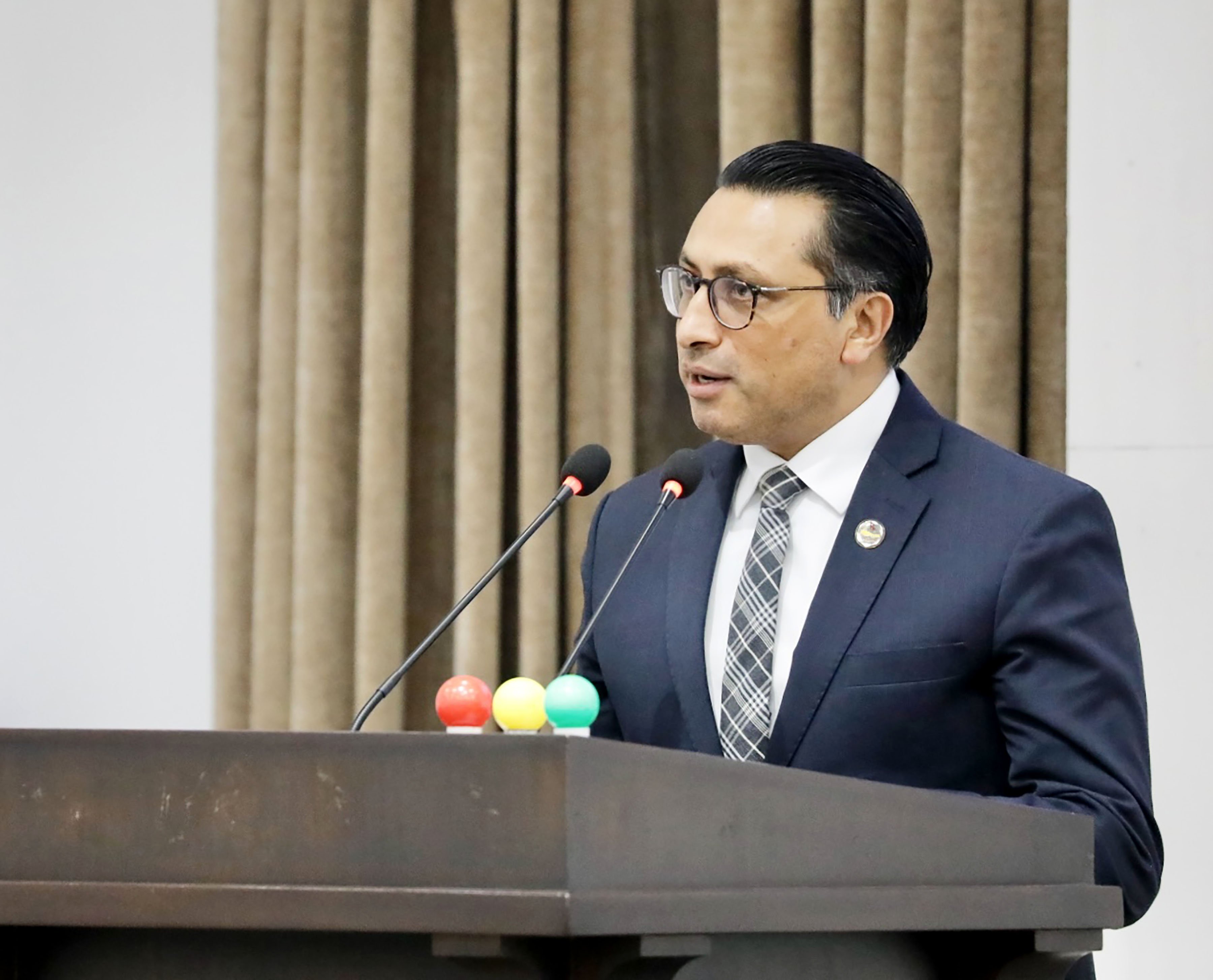
Speaking at the Finance Committee of the House of Representatives, Governor Poudel stated that the central bank needs legal basis to make immediate and swift decisions for the sensitivity of the financial system and the security of depositors. He mentioned that the central bank is facing problems in making swift decisions due to the currently existing multi-tiered regulatory process and ambiguity in rules. Shedding light on legal and policy reforms related to the financial sector, Governor Poudel informed that the draft of the Banks and Financial Institutions Act and the Nepal Rastra Bank Act has already been registered in the parliament. He also stated that drafts of 6 important laws, including the Banking Offenses and Punishment Act, Financial Customer Protection Act, and Payment and Settlement Act, have been submitted to the Ministry of Finance. Furthermore, he informed the committee that discussions are underway on 4 other proposals including the amendment of the Exchange Entitlement Act, restructuring of financial assets, and provisions related to unclaimed deposits in the central bank's board of directors.
Governor Poudel informed the committee that Nepal currently has foreign exchange reserves of over 22 billion dollars. Stating that about 60 percent of the total reserves are invested in US Treasuries as safe assets, he drew the parliament's attention to the impact of fluctuations in international interest rates. He said, 'If any bank falls into crisis, we need the authority to resolve it overnight by sitting together, the Governor, the Finance Minister, and the Prime Minister. A 1 percent decrease in the US federal interest rate alone can cause a loss of return of about 30 to 35 billion rupees to the central bank. The size of agricultural loans has increased significantly, but we need to conduct a detailed evaluation of whether this disbursed loan has been utilized properly or not. We cannot make businessmen entrepreneurs by nagging, confining, blacklisting, or imprisoning them in all matters; they need a suitable ecosystem to work in.' He stated that it has become necessary for the parliament and the government to discuss the option of establishing a Sovereign Wealth Fund and investing in safe mutual funds to mitigate such risks and diversify returns. While clarifying the queries raised by MPs regarding agricultural loans, Governor Poudel said that although the flow of agricultural loans has not decreased in the last 10 years, it is necessary to monitor and evaluate whether they have been utilized properly. He clarified that the flow of agricultural loans, which was 250 billion rupees in FY 2076, has now increased to 710 billion rupees. Informing the committee about the inability to disburse loans as per the target, Governor Poudel said that the overall economic ecosystem is responsible for only about 7 percent disbursement when a target of 12 percent was set. Stating that entrepreneurs or businessmen cannot be created merely by forcibly disbursing loans, Governor Poudel emphasized the need to provide proper protection to entrepreneurs even when they make mistakes and to create a conducive environment for business operations. He urged the parliamentarians to understand the reality of the functional differences between the central bank and the government. He clarified that while Singha Durbar is an entity that collects and spends revenue, the central bank has the primary responsibility of ensuring the security of people's deposits and maintaining monetary stability. He mentioned that balancing the conflicting desires of depositors seeking higher interest and borrowers seeking cheaper loans is the main challenge for the central bank. He stated that due to the strong external sector, a relaxed policy of allowing investment of up to 1 million dollars abroad has been adopted to facilitate the country's information technology sector, and this is yielding positive results. Recalling the problems seen in the financial system due to the government raising a large amount of domestic debt in the past fiscal years, he presented a historical analysis of how the mobilization of up to 300 billion rupees in government debt annually led to a contraction of liquidity in the market and an increase in interest rates. He committed that the upcoming monetary policy will be formulated not only in secrecy but also in a way that fully succeeds the government's budget and fiscal policy. He stated that the country's economic goals can be achieved only through proper coordination of monetary and fiscal policies, and for this, the constructive cooperation of all parties is necessary.
This specific news has been automatically translated by AI. As a result, there may be some inaccuracies or language errors.
_7T0c1rnsA6.jpg)