Finance Minister Dr. Swarnim Wagle States Tax Policies Modified for Economic Formalization and Social Justice

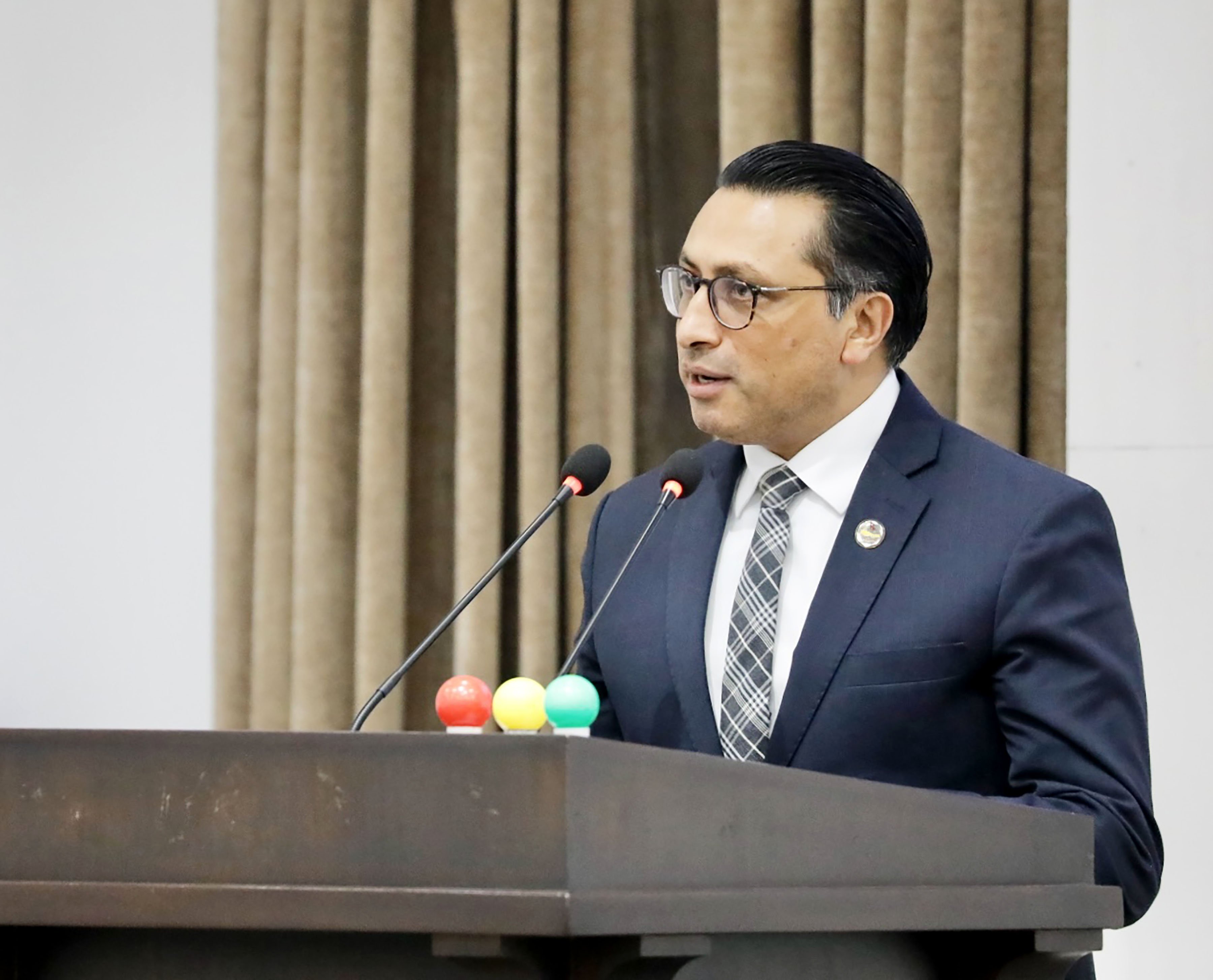
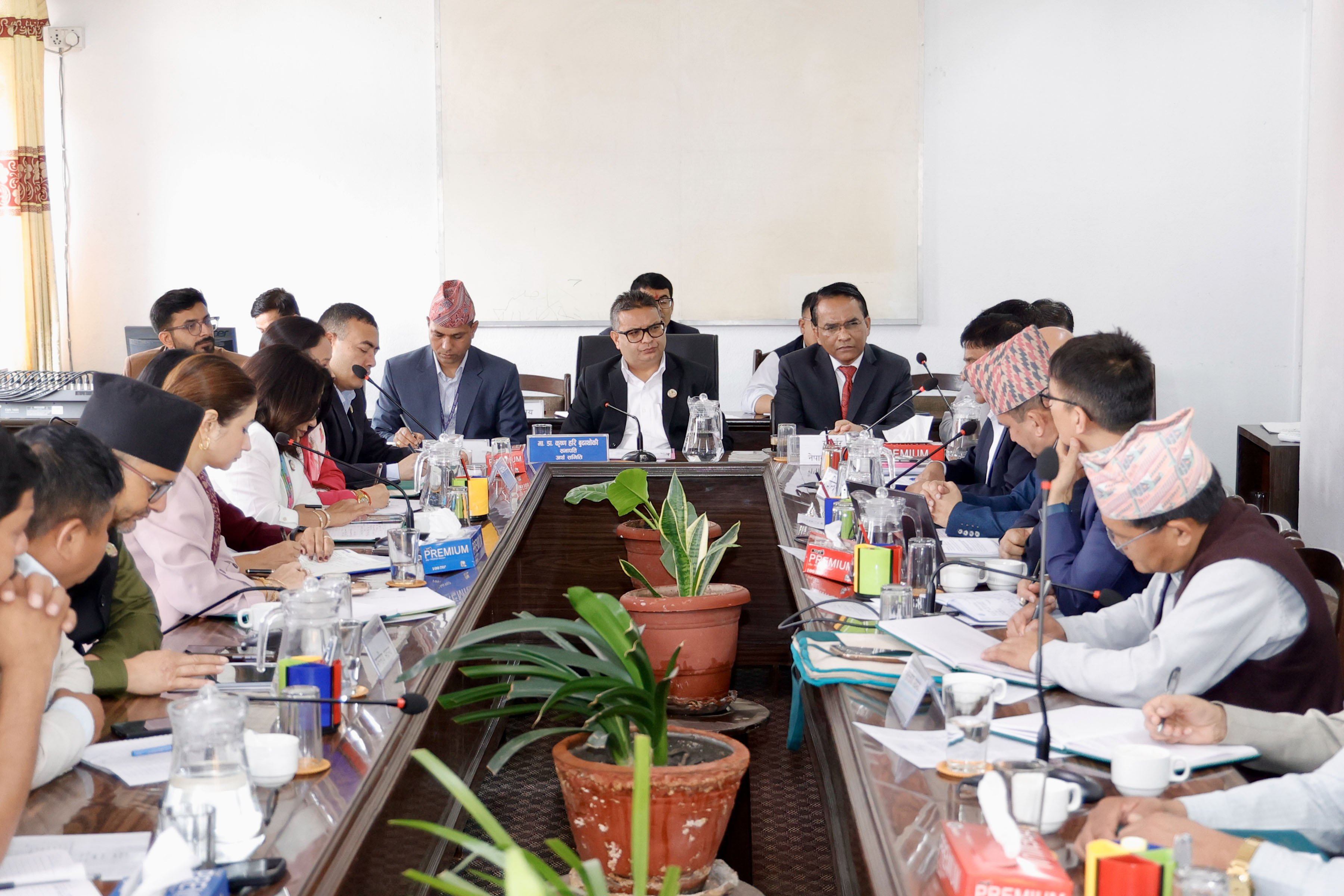
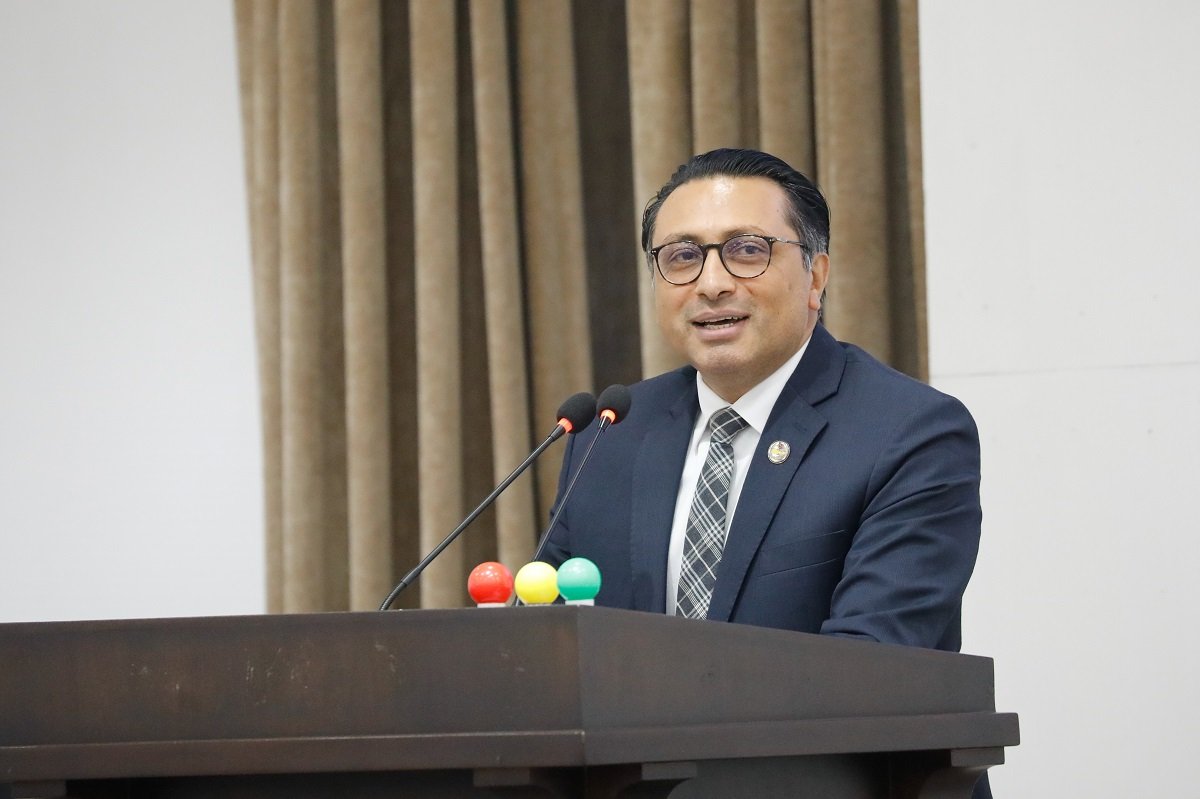
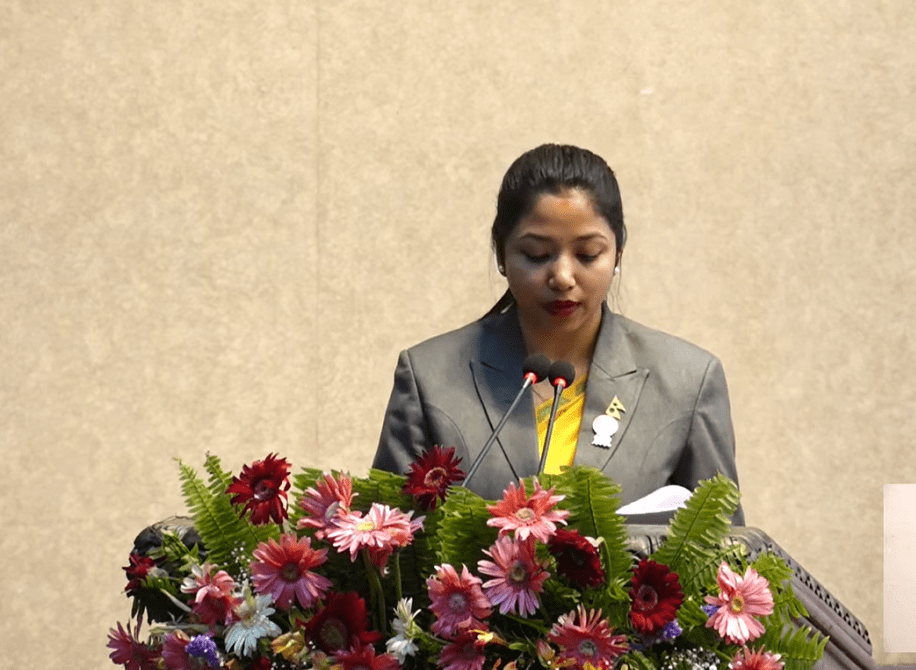
Kathmandu. Finance Minister Dr. Swarnim Wagle has stated that tax policies have been modified to bring the country's economy into the formal sector and to strengthen a liberal economy with social justice. He expressed this view on Friday while responding to questions raised by MPs on the economic bill in the House of Representatives meeting. Finance Minister Wagle clarified that according to the principles of public finance, revenue collected from various sources of tax is deposited in the consolidated fund and the government mobilizes it judiciously as needed. Citing examples where taxes collected in the name of environmental pollution or infrastructure are being spent on the development and compensation of those sectors, he said that the government is also ready to do 'ear marking' for specific purposes as per the directive of the parliament. 'Taxes can be collected from hundreds, thousands of sources, and ear marking can be done to use taxes collected in this way only for this purpose. But along with that, administrative and legal complexities also arise,' he said, 'Secondly, taxes collected from thousands of places are deposited in the same consolidated fund, and the government with a mandate from the people uses it judiciously. The government will use the tax without administrative and legal complexities.' He gave the example of 43 billion distributed as compensation for Budhigandaki from the tax collected for infrastructure, saying, 'There may not be a need to create a separate basket for Budhigandaki. Similarly, taxes collected in the name of pollution are reflected in the budget of the Ministry of Environment, Department of Environment, Ministry of Health, and that allocation. Another special budget is also arranged. The sovereign parliament has the task of directing it.' Clarifying about the tax imposed on the education sector, the Finance Minister informed that a 3 percent tax is currently imposed on private schools. He also stated that a facility has been provided to deduct up to 25,000 rupees of education expenses from tax to provide relief to middle-class families. He termed the exemption of income up to 10 lakh rupees annually from income tax as a revolutionary step. 'On one hand, income tax of lakhs has been exempted, and on the other hand, those who can afford to spend on expensive private schools have been brought under the tax net. This is part of a progressive tax system,' he said. Discussing the investment and achievements in the electricity sector, the Finance Minister said that the time has come to bring this sector under the tax net as well. He mentioned that private sector investment in electricity generation, which accounts for 80 percent, will be encouraged in trade and transmission line expansion. Claiming that policies have been made in electricity tariffs without burdening consumers, he said, 'We are studying the issue of tax only for those who consume more than 85 to 150 units. A large investment is needed to fulfill the ambition of electrification by changing transformers and building transmission lines. We are also discussing the option of adjusting tariffs during the monsoon so that consumers do not have to bear additional burdens.' Speaking about the fluctuations in the capital market, the Finance Minister analyzed that investors are in a 'wait and see' mode due to the ongoing investigations into some past irregularities. 'There may be some fear due to the stern steps taken for good governance and investigations. But we are confident that the private sector will be encouraged once the correct direction taken by the budget and the results of the reforms start to be seen,' he said. Finance Minister Wagle also urged the MPs not to be misled, stating that the current government has prioritized the formalization and modernization of the economy with a long-term vision rather than short-term popularity.
This specific news has been automatically translated by AI. As a result, there may be some inaccuracies or language errors.