MP Ghanshyam Rizal Criticizes Government's 3% Electricity Tax Policy

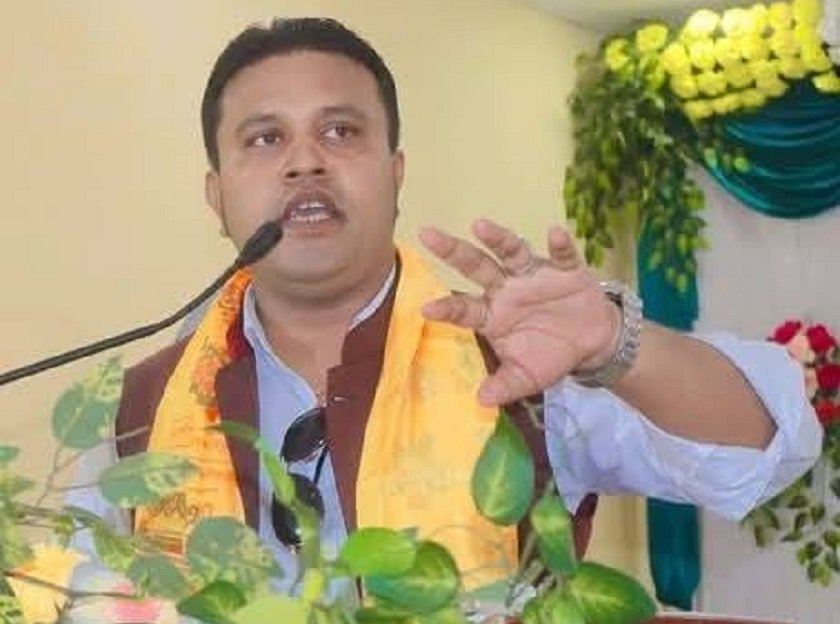
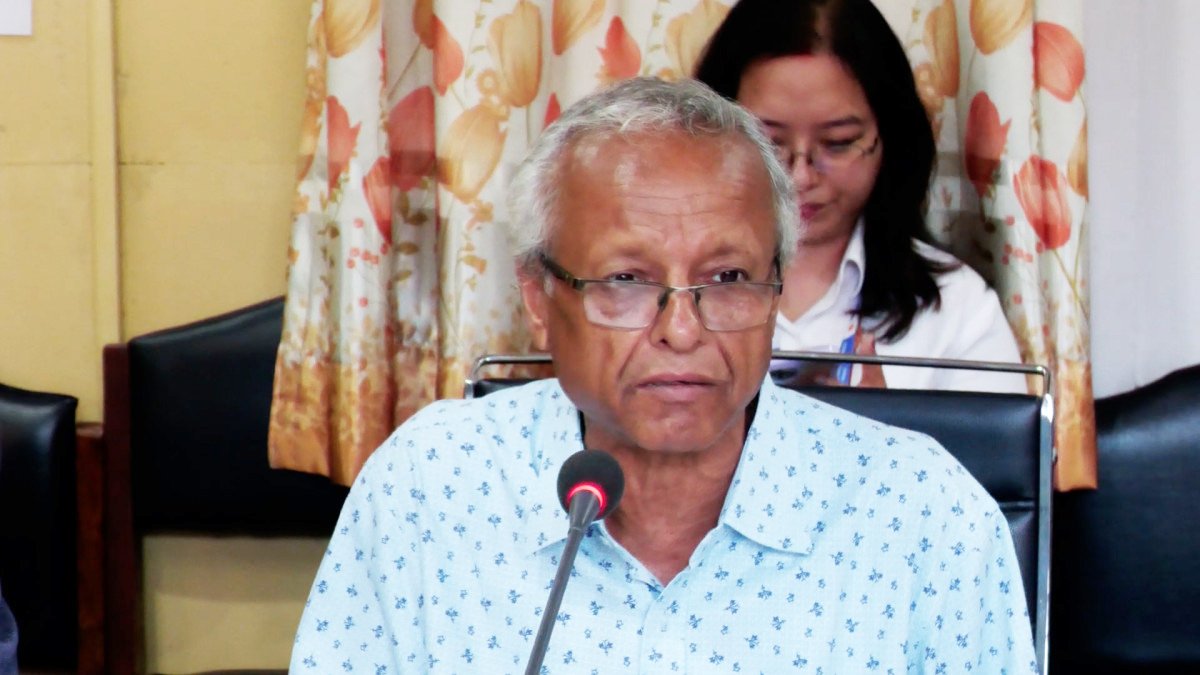
Kathmandu. Nepali Communist Party MP Ghanshyam Rizal has commented that the government's policy of imposing a 3% tax on electricity consumption exceeding 50 units is against public interest.
Speaking at a meeting of the Development, Economic Affairs and Good Governance Committee under the National Assembly on Friday, he made such a comment.
He strongly objected to the policy of imposing an additional tax on consumers instead of providing relief in electricity consumption, even though Nepal is one of the richest countries in the world in terms of water resources. He also commented that the decision to impose value-added tax (VAT) on consumers who consume more than 50 units of electricity is an insult to the voters who voted for Rastra Swatantra Party on February 21.
Expressing his views at the meeting, Rizal said, 'We are among the richest in the world in the field of hydropower. Our goal was to provide electricity to consumers for free. If not, it should be maintained. But we have imposed VAT on consuming more than 50 units of electricity, Minister. This is injustice, Honorable Minister. It may not be appropriate to say, but is the government insulting the citizens who voted on February 21? Where did this anti-public interest thing come from. This is unjust.'

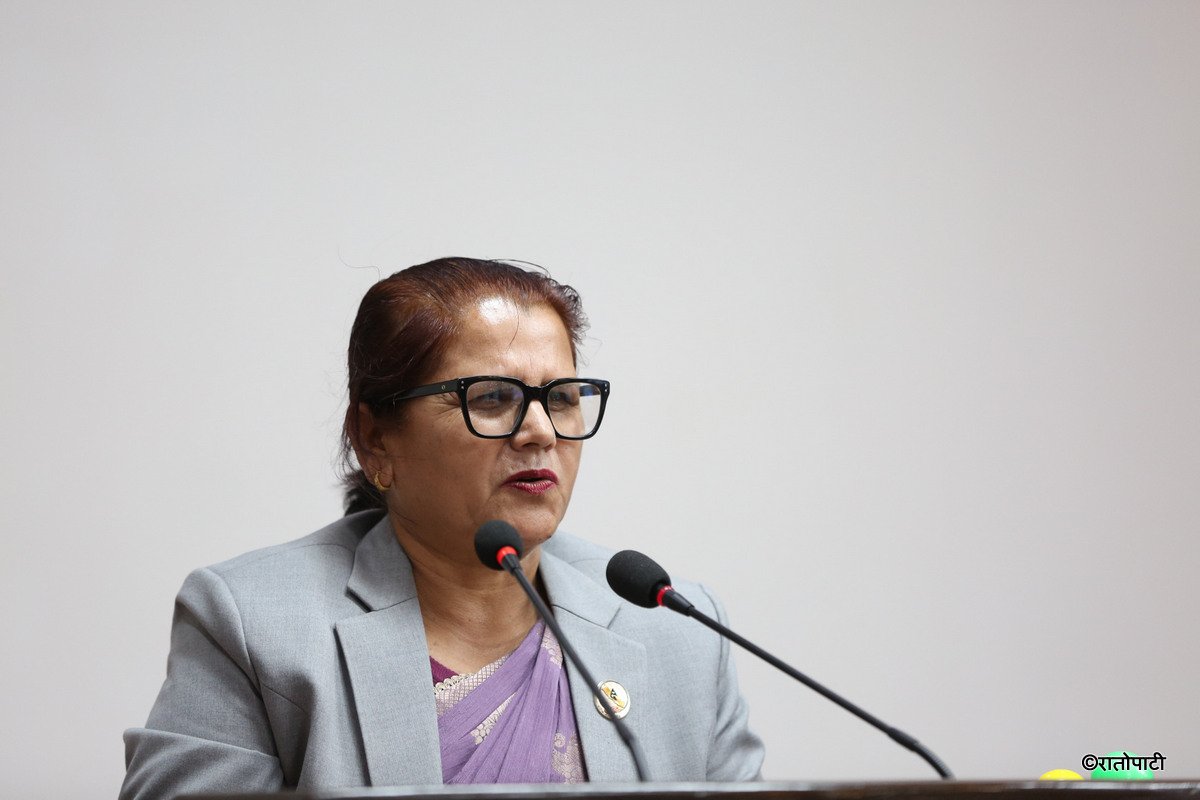
Similarly, at the meeting, CPN (UML) MP Samjhana Devkota said that the agricultural sector is being severely affected due to the lack of proper utilization of water resources. Mentioning that even though rivers are nearby, arable land has to be left fallow due to lack of irrigation, she pointed out the need to advance water resource management in a multi-dimensional way. She emphasized that the government should focus on building large dams, as the construction of reservoir-based projects will contribute significantly to electricity production as well as irrigation, fisheries, and tourism promotion.
MP Devkota said, 'There is a river flowing near us. But still, our fields have to be left fallow due to lack of irrigation. We have not been able to utilize the water resources we have in sufficient quantities. For this, it is necessary to work in a multi-dimensional way. The most important thing is to build dams. I think our attention should go there as it will be good for fish farming and tourism promotion.'
Most of the MPs who spoke at the meeting expressed the view that the situation where farmers have to depend on rain water should end, despite being a country rich in water resources. They have especially emphasized that the government should arrange reliable irrigation throughout the year in all areas with arable land by coordinating strongly with local and provincial governments.
This specific news has been automatically translated by AI. As a result, there may be some inaccuracies or language errors.