Rastriya Swatantra Party MPs Question Governor on Credit Growth and Regulation

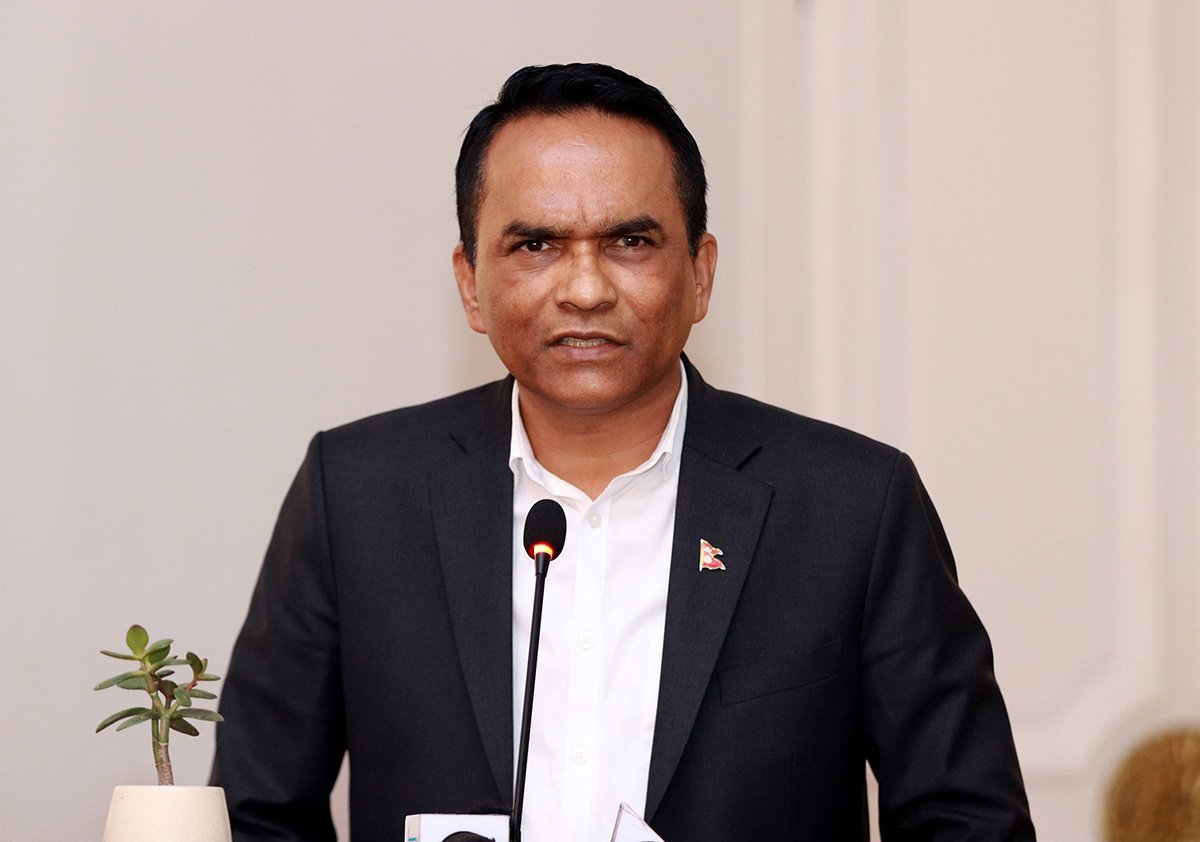
Kathmandu. In a discussion held in the Finance Committee of the House of Representatives on Friday, MPs from the ruling party Rastriya Swatantra Party (RSP) demanded an explanation from Nepal Rastra Bank Governor Dr. Bishwanath Poudel regarding why credit expansion has shrunk despite ample liquidity in banks and declining interest rates.
They questioned the Governor, asking if the private sector's morale has not improved due to excessive regulation by the central bank, even with a two-thirds majority government that has introduced a private sector-friendly budget and policy reforms.
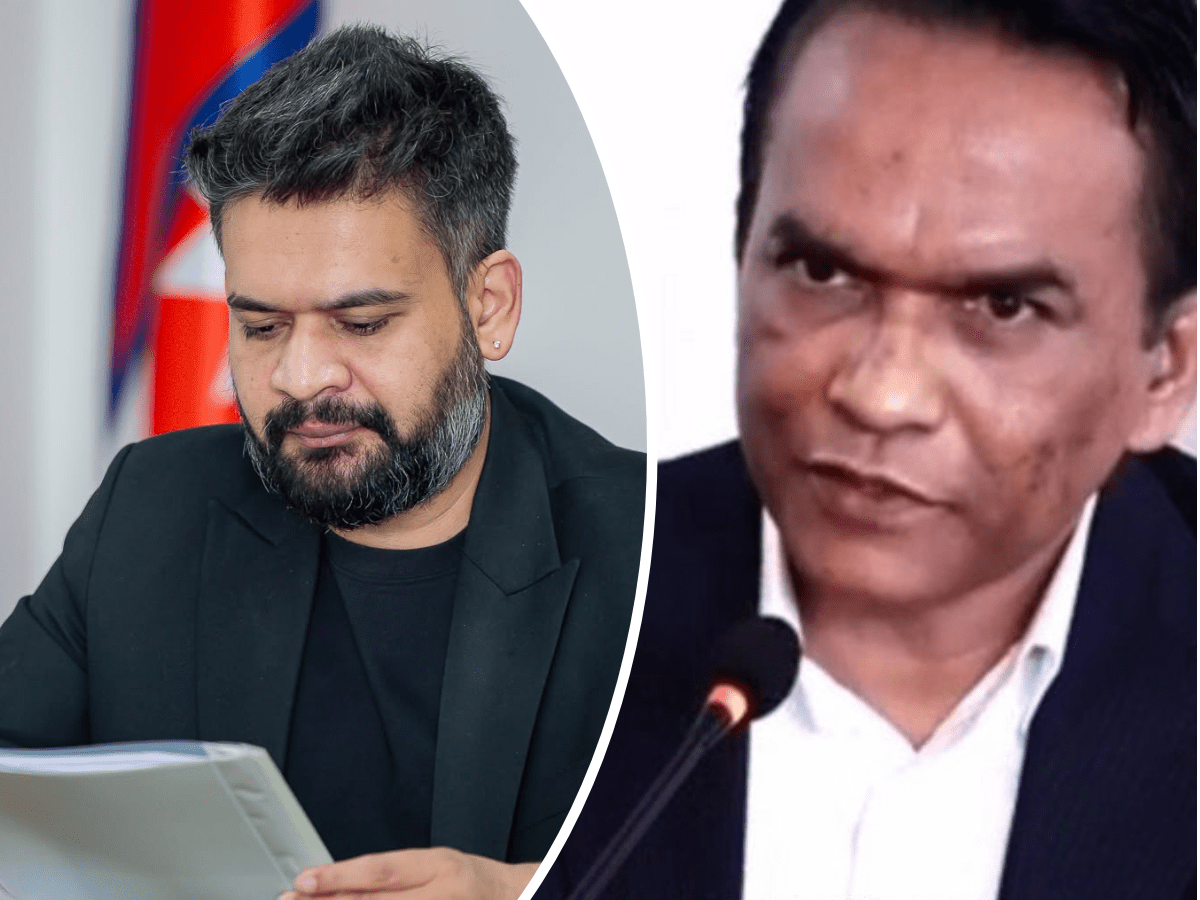
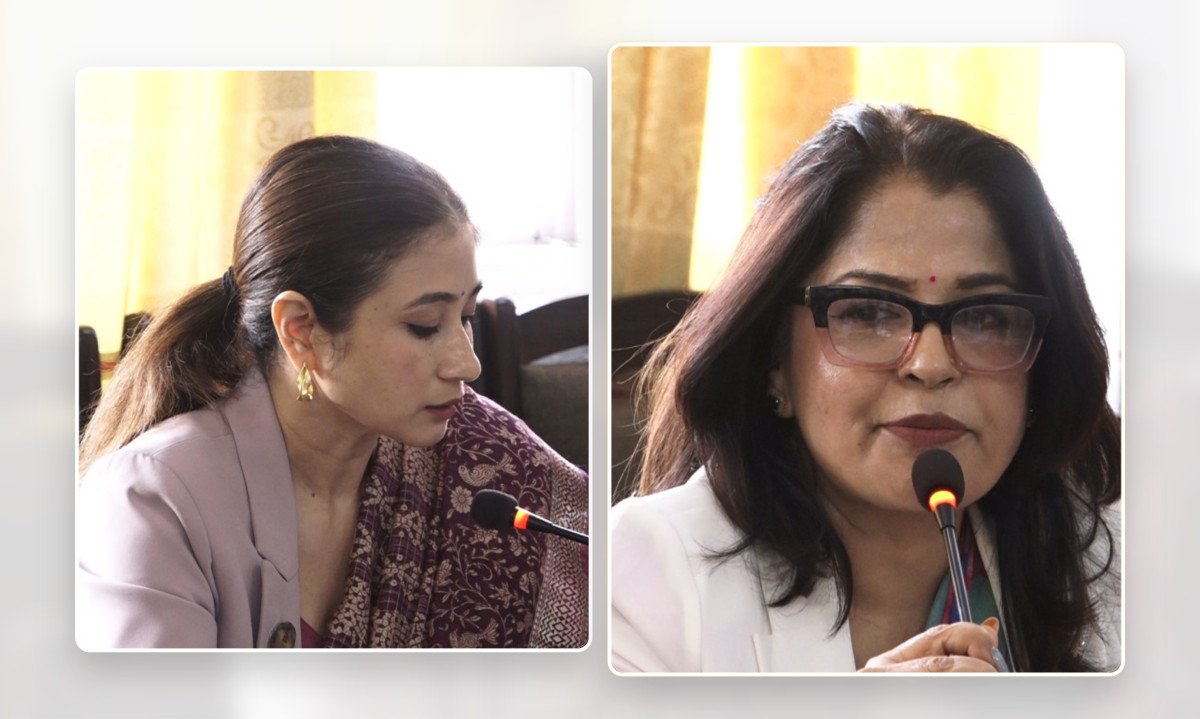
In the meeting, MP Lima Adhikari sought an explanation from the Governor about the reason for the higher non-performing loans (NPL) in state-owned banks compared to private banks and its solution. She inquired about the monetary policy's provisions to bridge the significant gap between expected and actual credit flow.
She said, 'There is a two-thirds majority government now. The government has introduced a private sector-friendly budget and amended obstructive laws. Despite this, a common question has arisen whether excessive regulation from the central bank is hindering the improvement of private sector morale. Why are the non-performing loans of banks owned by the Nepal government higher than those of private banks for the past three years, and what is the central bank doing about it? Who needs to do what to bridge the large gap between projected and actual credit flow to the private sector?'
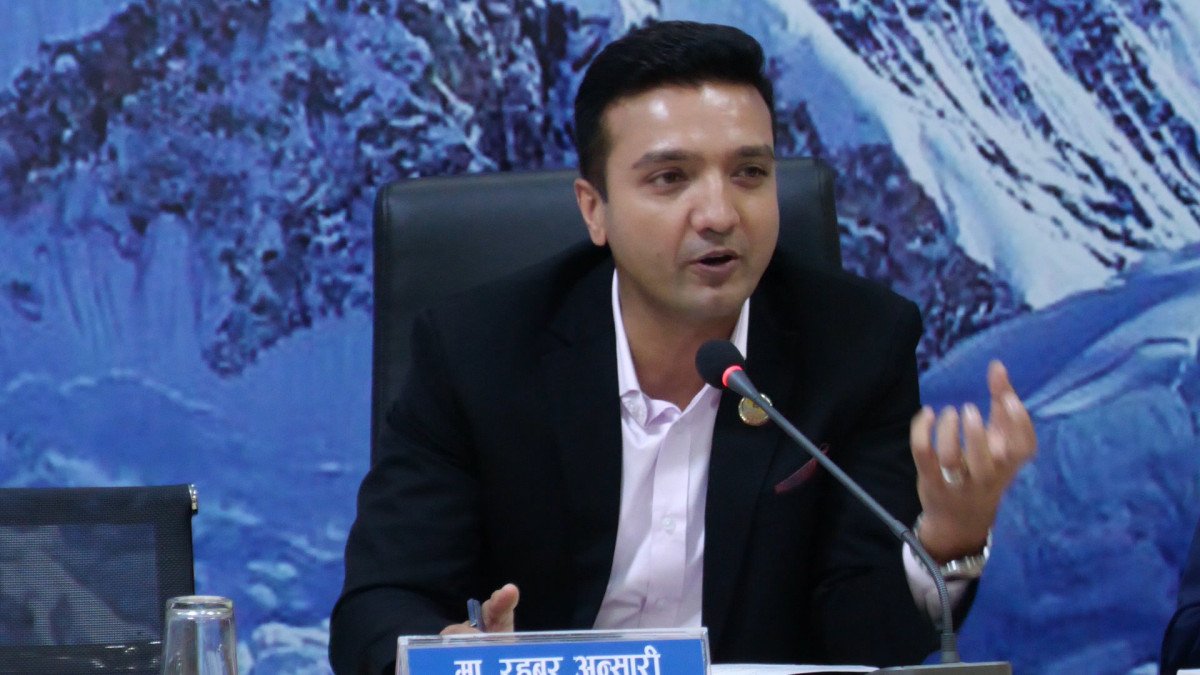
Similarly, MP Bidushi Rana questioned the monetary policy's preparations for providing further concessions on interest rates, working capital, and regulatory arrangements to increase investment in productive industries. She stated the need for practical arrangements for loan restructuring and rescheduling for industrialists and businessmen facing temporary cash flow problems.
She said, 'What preparations are in the central bank's monetary policy regarding providing further concessions to increase investment in productive industries? Is there a plan to create arrangements for restructuring and rescheduling for businessmen facing cash flow problems? What is the main problem, in the central bank's view, for the lack of increase in private sector investment and credit flow despite high liquidity and reduced interest rates in the banking system, and what steps are being taken for its solution?'
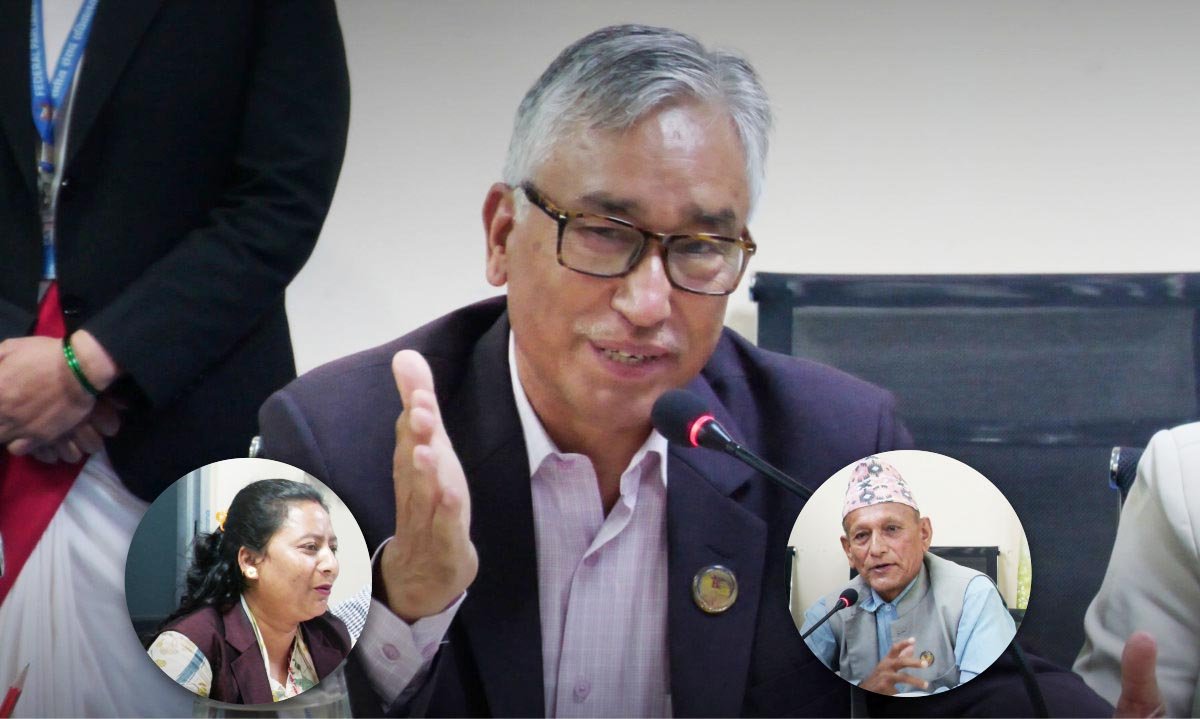
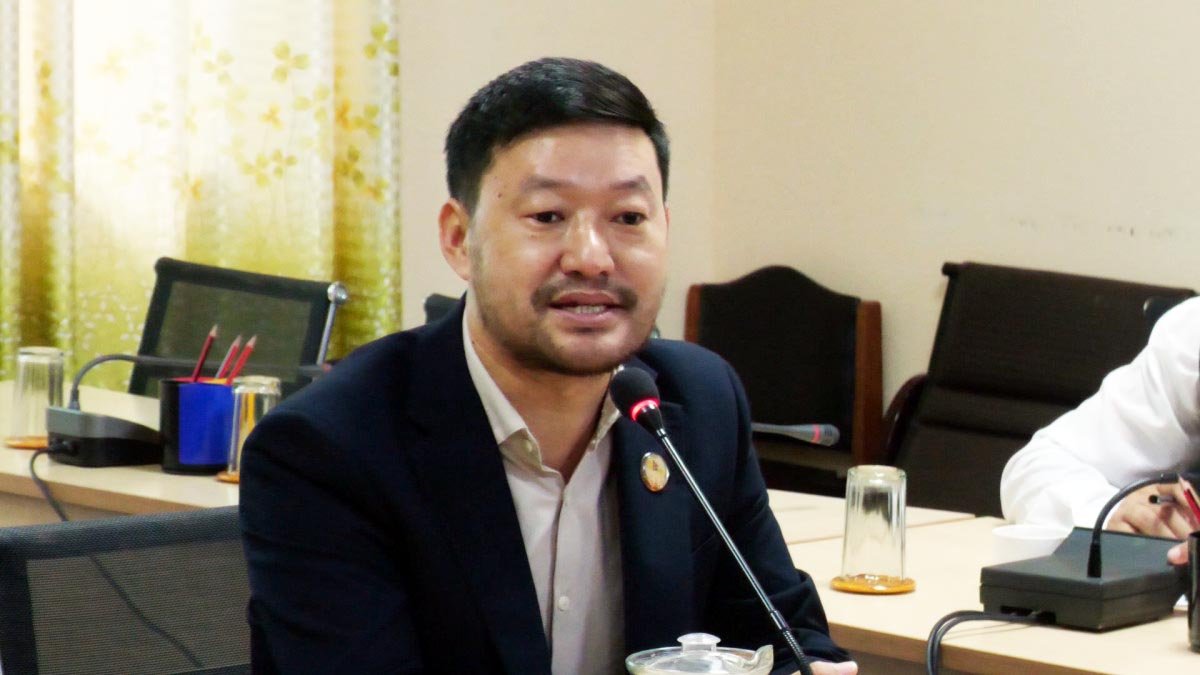
CPN MP Parshuram Tamang commented that the economy is in a crisis, and despite the availability of both resources in banks and entrepreneurs, economic activities are not moving. He drew Governor Poudel's attention to the suffering of the general public due to problems in the cooperative and banking sectors, and the impact on real estate businessmen and share investors.
He said, 'There are resources in the banks, and there are entrepreneurs and businessmen, but neither is working. Why have the resources not become dynamic? People are forced to sell their land and hide. Real estate businessmen are spending days in jail, and many people have fled after being ruined in the stock market. The government may not see this as a crisis, but I see it as a crisis. What is the central bank doing to solve this?'
Most MPs speaking in the meeting commented that the main reason for the lack of increase in credit demand and private sector morale, despite ample liquidity in banks, is excessive regulation by the central bank.
This specific news has been automatically translated by AI. As a result, there may be some inaccuracies or language errors.