Internal Party Conflicts Intensify After Election Setbacks
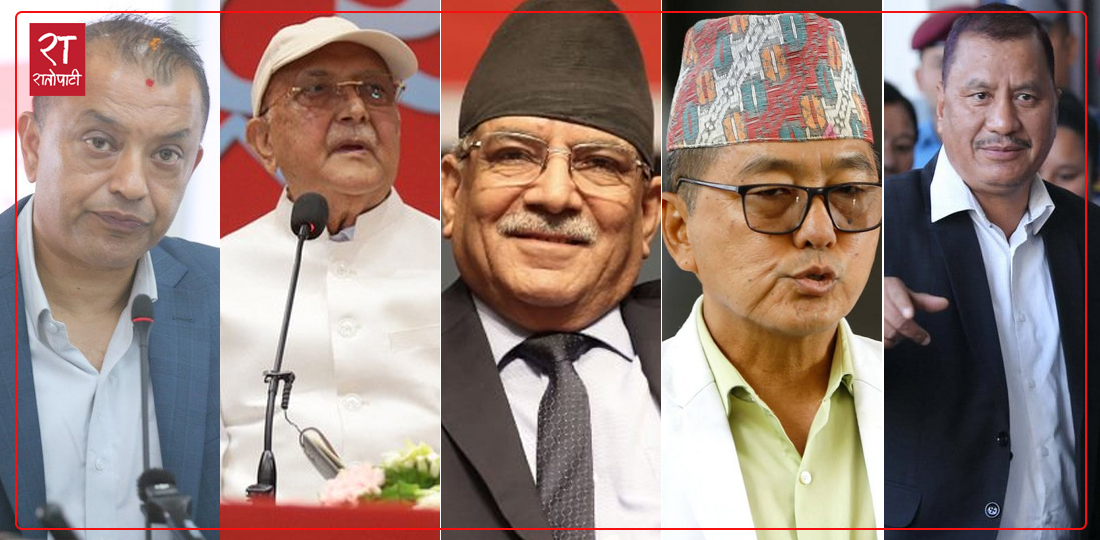
KATHMANDU. Internal disputes have reached their peak in the smaller opposition parties that suffered a blow in the House of Representatives elections held last February. The opposition Nepali Congress, CPN-UML, CPN (Maoist Centre), and other parties, which have been continuously in power and influence since the establishment of a federal democratic republic in 2065 BS, are trapped in a vicious cycle of internal contradictions.
Last year in Bhadra, the Congress-UML coalition government collapsed due to the Genji movement. Genji youth had launched a movement against corruption and malpractices, raising demands for party transformation. In the elections, Congress was reduced to 38 seats, UML to 25 seats, CPN (Maoist Centre) to 17 seats, and RPP to five seats, while the new political party Rastriya Swatantra Party (RSP) secured 182 seats, nearing a two-thirds majority.
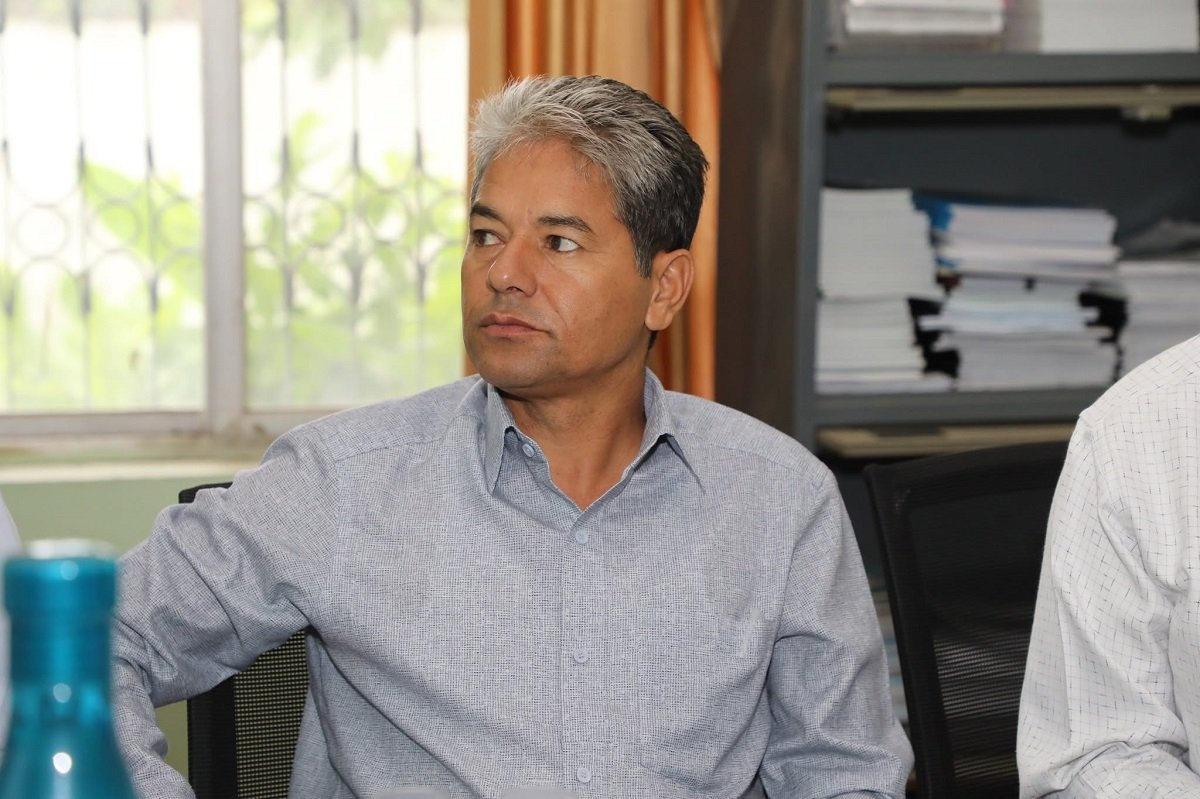
In the old parties that have lost both power and influence simultaneously, internal contradictions have intensified with demands for party policy, leadership transformation, and reorganization. CPN (Maoist Centre), which has become the fourth largest party in the House of Representatives, is publicly experiencing internal conflict. Former Prime Minister and senior leader Jhalanath Khanal, expressing anger over the non-compliance of previous agreements, sent a 36-point accusation letter of 24 pages to Chairman Pushpa Kamal Dahal 'Prachanda'.
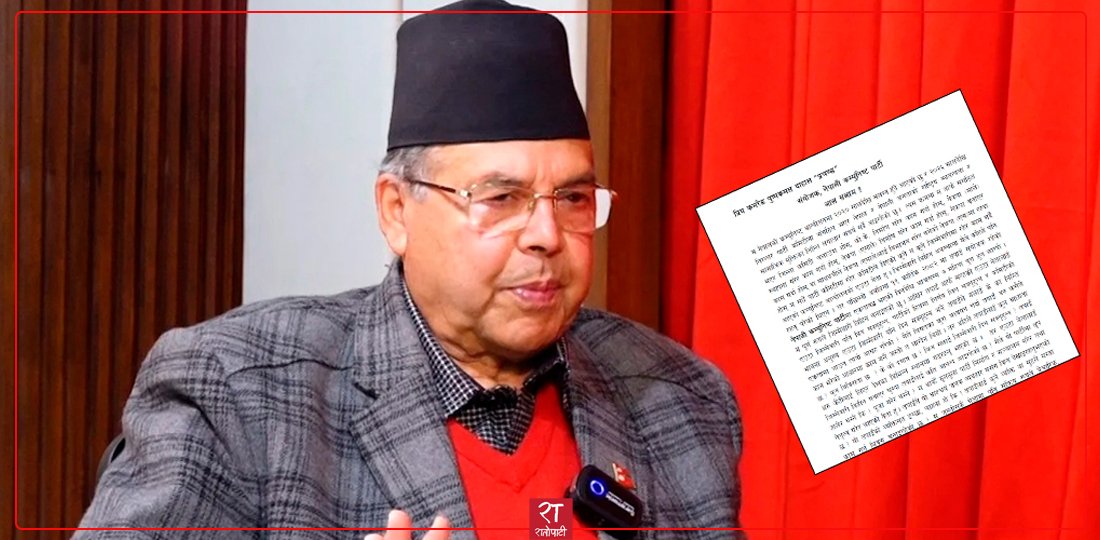
Khanal has also made serious accusations against Co-Chairman Madhav Kumar Nepal. Concluding that neither leader can lead, he has expressed the intention that they should step down for party reorganization. In a conversation with Ratopati, he argued that the communist movement cannot be protected and socialism cannot be reached under the current leadership.
'Prachanda and Madhav have deviated from communist ideology, principles, and policies. The communist and socialist movement cannot be protected by them. To reorganize the party and build a broad communist force, the leadership must step down,' Khanal said.
CPN (Maoist Centre) was formed last year on Kartik 17th by the merger of 25 components including the then CPN (Maoist Centre), CPN (Unified Socialist), and others. However, after the unexpected election results, pressure is mounting from within the party for Prachanda and Madhav to step down from leadership and assume a guardianship role.
To make decisions on issues such as election review, division of responsibilities among leaders, and preparation for the general convention, Prachanda had called a central coordination committee meeting on Chaitra 19. The meeting, which lasted for seven to eight consecutive days, could not find a solution to the problems. The meeting decided to hold a unification general convention in the second week of Mangsir, including the division of responsibilities among leaders, but leaders including Khanal, senior leader Bamdev Gautam, and Dr. Bhim Rawal expressed dissatisfaction over the division of responsibilities. Prachanda had assured Khanal of the position of Head of the Foreign Department, but the meeting gave the responsibility to Parmesh Hamal, which has angered Khanal, according to sources close to Prachanda.

'Jhalanath had claimed the position of Head of the Foreign Department. Even when he was in the CPN (Unified Socialist), he was not in that position. After he sent a written letter, the Chairman said that the internal issues should be resolved through mutual understanding,' said a close associate of Prachanda. 'However, after he took internal matters outside and made them public, there is no point in discussing them further. He has been engaging in parallel activities with former leaders like Haribol Gajurel, Janardan Sharma, and Kul Prasad KC, preparing to leave the party.'
Bilateral Clash in Congress
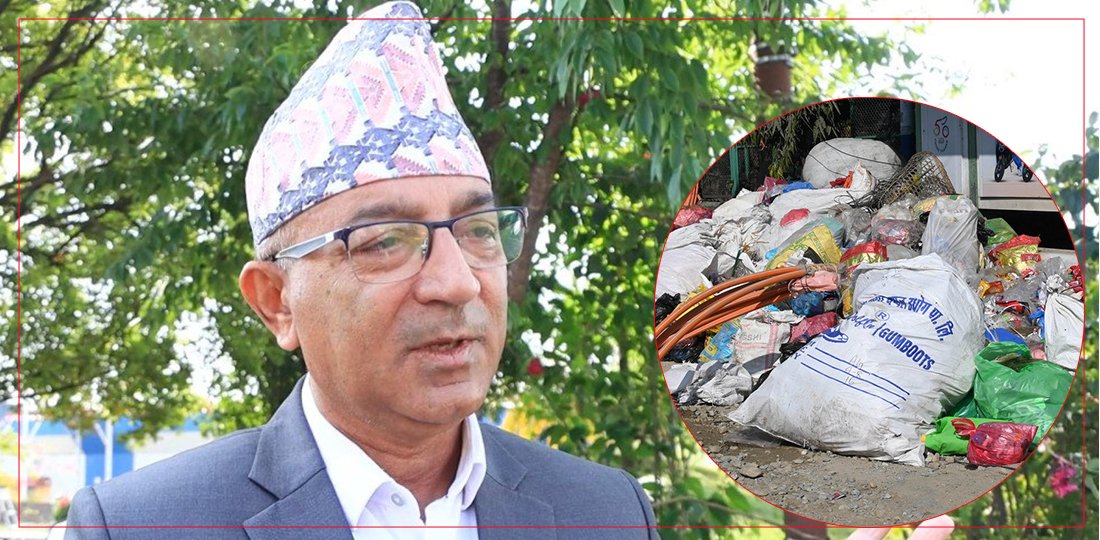
Meanwhile, the internal conflict within the Congress and UML, the two main partners of the previous government, is becoming increasingly complex. Last year in Poush, Gagan Thapa and Bishwa Prakash Sharma captured the party by calling a special general convention. This has not been accepted by the faction of former President Sher Bahadur Deuba. Deuba was removed from his post as party president because the Election Commission and the Supreme Court recognized the new working committee led by Gagan.

If politics had not taken a new turn due to the Genji movement, Deuba would have become Prime Minister for the sixth time this month. The movement, angered by the government's brutal suppression of the Genji movement, led to the downfall of the government. Deuba and his wife were severely beaten at their residence. They flew to Singapore for treatment follow-up on the eve of the elections and have not yet returned. Even in Deuba's absence, there is a fierce battle within Congress between supporters of the regular general convention and supporters of the special general convention.
Congress has a legal obligation to hold its 15th general convention by Mangsir. To make that convention fair, impartial, and free from fraud, it has been stated that a convention organizing committee should be formed by merging the committee that came after the special convention and the central working committee elected from the 14th general convention. The current committee led by Thapa is not agreeing to form such a committee.
There is also a dispute over the 'active membership update' of another party. The establishment has decided that the active membership must be updated digitally for the 15th general convention. The active membership management committee led by General Secretary Pradip Paudel had given time for membership updates from Baishakh 1 to Jestha 28, 12 AM midnight. Leaders and cadres affiliated with the Deuba and Shekhar factions have not updated their memberships, arguing that it is inappropriate to trouble those who had already renewed their memberships in Poush for the 15th general convention.
Oli Under Siege
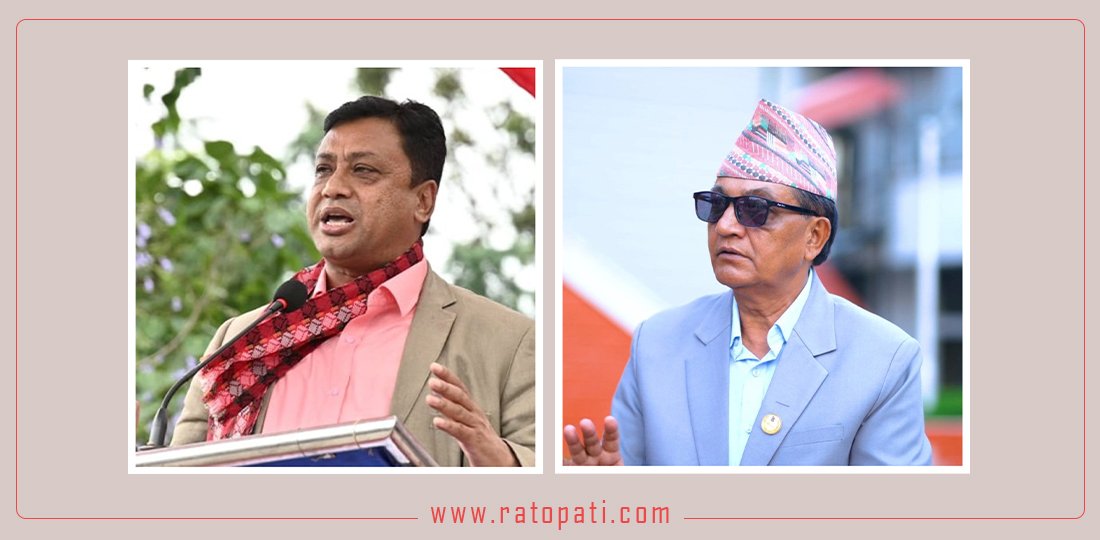
In UML, the largest communist party, pressure is mounting on KP Oli to step down as he has failed in his role in government and party leadership. Leaders close to Oli himself are pressuring him to step down, stating that Oli has caused great damage to the country and the party. In the secretariat meeting held in the first week of Jestha, long after the elections, leaders pressured him to step down on moral grounds.

Leaders like Vice-Chairman Bishnu Paudel and Shankar Pokharel, who are trusted aides of Oli, suggested that he should pave the way for party reorganization. Young leaders of UML have launched a signature campaign to increase pressure on Oli, but despite the widespread pressure, Oli does not appear ready to resign on moral grounds.
He has expressed his intention to deal with those demanding his resignation, stating that he was elected chairman from the 11th general convention. On Jestha 31, in Gundu, Oli referred to Vice-Chairman Paudel and General Secretary Pokharel, who represent Bagmati Province, as 'greedy sinners' and stated that they could split the party, further escalating the internal conflict.
The constitution was amended to allow Oli, who has served as Prime Minister four times, to easily come to the party leadership for a third time, by revising the two-term limit and the 70-year age limit. The decision made at the general convention held in Bhadra last year to stop the membership renewal of former Vice-President Bidya Devi Bhandari had displeased former Senior Vice-Chairman Ishwar Pokharel, Vice-Presidents Yuvraj Gyawali, Astalaxmi Shakya, and other leaders.
Dhawal Opens Fire Against Leadership
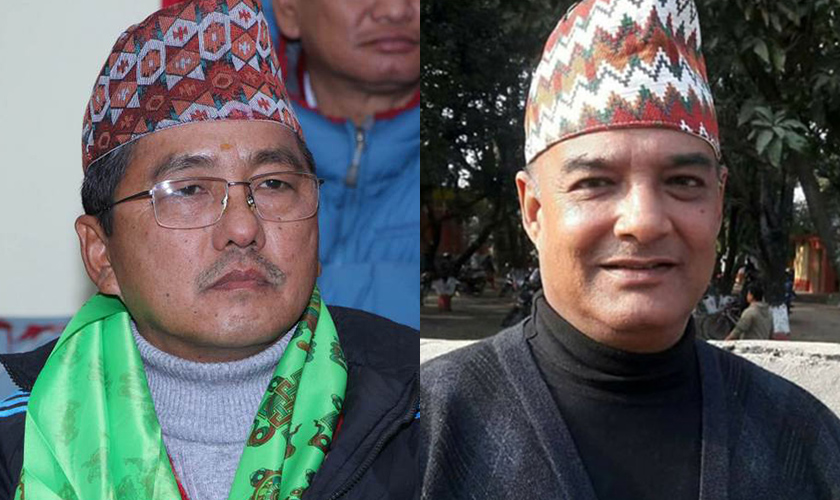
RPP, which won five seats in the parliament, has also split. The faction of former General Secretary Dhawal Shamsher Rana, who did not participate in the elections, proposed to Chairman Rajendra Lingden to call an immediate general convention. Concluding that the nationalist force cannot move forward under the current chairman, the Rana group separated from the party on Jestha 17.
Rana is currently preparing to form a new party in collaboration with medical businessman Durga Prasai. RPP, which was formed after the political change in 2046 BS, has split a dozen times due to power and self-interest.
Maoist and ProloPa's Situation is Similar
Not only RPP, but Biplav-led CPN (Maoist Centre) and Pragatisheel Loktantrik Party (ProloPa) have also been divided due to internal contradictions.

The Maoist party, which has split three times since the elections, has removed Uma Bhujel, a famous jailbreaker, from all responsibilities, accusing her of acting against the party's interests. The secretariat meeting held on Asar 1 decided to relieve Bhujel of her responsibilities. Prior to that, Karna Jit Budhathoki, Chiranjibi Pun, and Chiranjibi Dhakal's group had separated from the party.
Leaders such as former Prime Minister Dr. Baburam Bhattarai and Sudhan Kirati have left the Pragatisheel Loktantrik Party.
This specific news has been automatically translated by AI. As a result, there may be some inaccuracies or language errors.