Seven Provinces Prioritize Forest, Environment, Watershed Protection, and Climate Adaptation in Budgets

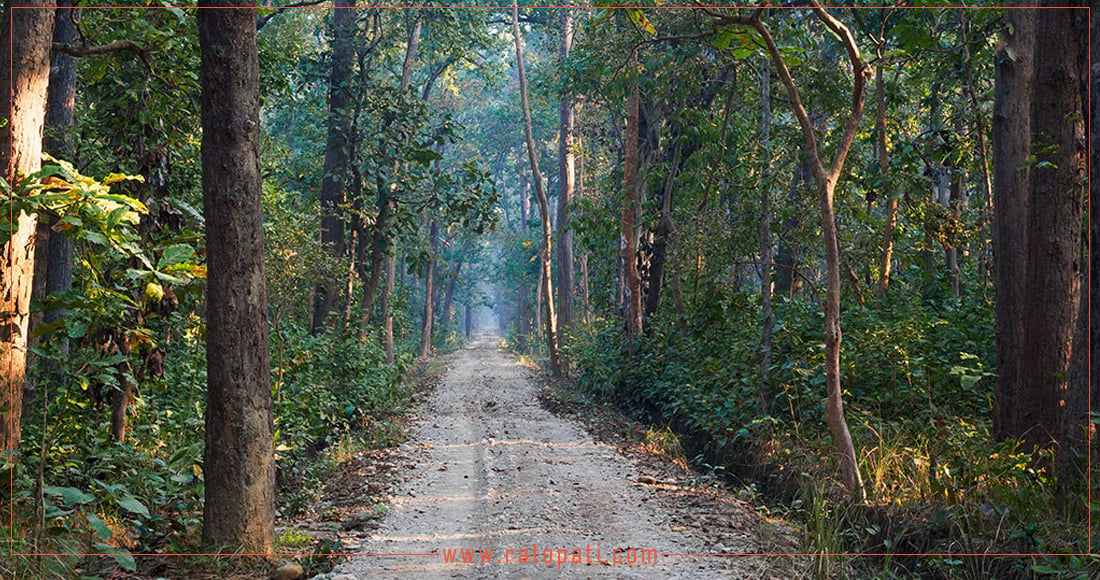
Kathmandu. All seven provincial governments have prioritized forest, environment, watershed protection, and climate change adaptation in their budget statements for the fiscal year 2083/84. The provincial budgets clearly show a policy of sustainable use of natural resources, environmental conservation, and making forest areas a source of employment and economic income. Moving beyond traditional conservation-oriented policies, all seven provinces aim to create green employment through scientific forest management, ecotourism development, and promotion of non-timber forest products and medicinal herbs, thereby mitigating the adverse effects of climate change. The budgets have put forward innovative and technology-friendly programs for biodiversity conservation and human-wildlife conflict mitigation.
Koshi: Soil of Chure for Chure, Clean Water for All Koshi Province government has presented a budget focused on slogans for the development of forest, environment, and ecotourism sectors. A budget of Rs 3.49 billion has been allocated under the Ministry of Tourism, Forest, and Environment. Koshi Province has adopted a policy of sustainable forest management and commercialization of timber by making the use of local timber mandatory in public construction works. To conserve biodiversity and develop ecotourism, Rs 15.04 million has been allocated for the 'Capacity Building Project for Sustainable Management of Forest, Land, and Biodiversity' to be operated in five hilly districts of the province. Rs 18.92 million has been allocated for ecotourism development, establishment of wildlife conservation and rescue centers, and Chure conservation in the Ramdhuni area of Sunsari under the campaign 'Soil of Chure for Chure, Clean Water for All', emphasizing biodiversity conservation. The Koshi Province budget mentions that special programs will be conducted to promote the cultivation of Amriso, medicinal herbs, and high-value non-timber forest products within forest areas.
Madhesh's Forest with Enterprise Budget The Madhesh Province government has allocated a total of Rs 3.496 billion for ecotourism, forest, and environment to conserve the Chure region, promote forests, and maintain environmental balance. Madhesh Province has put forward a vigorous 'One Tree Destruction, Ten Trees Development' campaign along with intensive afforestation and forest promotion programs. The policy of Madhesh Province is to actively involve local communities in forest fire control and prevention of forest encroachment, and to establish forest product-based enterprises. Programs for check dam construction and conservation of small ponds will be operated for controlling soil erosion in the Chure region and recharging groundwater. The Madhesh Province budget emphasizes promoting non-timber forest products and medicinal herb cultivation for forest conservation and the income generation of local landless and homeless communities.
Baghmat: 'Green Forest, Means of Prosperity' Salak as Provincial Pride Animal The Bagmati Province government has adopted a strategy to effectively implement the 'Green Forest: Means of Prosperity' policy by allocating a total budget of Rs 6.7177 billion under the Ministry of Agriculture, Livestock, Forest, and Environment. Bagmati Province has placed special emphasis on forest product-based enterprises, green employment, ecotourism, and sustainable use of timber and medicinal herbs. The budget mentions that the price determination system for forest products and timber will be revised by making the use of domestic timber mandatory in government construction works. A special forest area management program will be implemented to conserve the endangered wildlife 'Salak' as the province's pride animal. The Bagmati Province budget mentions that 'REDD-Plus' and agroforestry programs will be implemented with priority, using biological adaptation and bio-engineering technologies for climate change adaptation and environmental conservation.
Gandar: Budget to Build Ponds in Community Forests The Gandaki Province government has allocated a budget of Rs 1.21 billion for the forest and environment sector to build a 'Green Gandaki, Clean Environment'. Gandaki has prioritized sustainable forest management based on forest conservation systems, biodiversity conservation, and watershed area management. Through the 'One Community Forest: One Pond' program for soil erosion control and watershed conservation, groundwater recharge and water sources for wildlife will be ensured. Forest fires, encroachment, and invasive species will be managed to maintain ecological balance. Gandaki Province has put forward integrated environmental conservation programs to minimize 'Triple Planetary Crisis' (climate change, biodiversity loss, and pollution) by planting fruit trees within forests for human-wildlife coexistence.
Lumbini's Emphasis on Forest Product Cultivation The Lumbini Province government has adopted a policy of sustainable forest conservation and ecotourism promotion by allocating a budget of Rs 1.7247 billion for the Ministry of Forest and Environment. Lumbini Province has put forward programs to expand scientific forest management in 50 community forests and 3 block forests and to implement an electronic bidding system to make the timber sales and distribution system transparent. The goal is to increase the income of local communities by promoting the cultivation of medicinal herbs and non-timber forest products (Satuwa, Tejpat, Timur, Pashanbhed, etc.) in hilly and Terai forest areas. Rs 20 million has been allocated for the conservation of important and endangered species like Vijayasal, Satisal, and Sal, as well as for the establishment of ambulance services and rescue centers for the rescue and conservation of injured and sick wildlife.
Karnali: Promoting Medicinal Herbs, Conserving Himalayan Wildlife The Karnali Province government has allocated a total of Rs 2.4647 billion under the Ministry of Forest and Environment for the sustainable conservation of its natural resources and promotion of medicinal herbs. Karnali Province has allocated Rs 73.7 million to create opportunities for sustainable forest management and forest-based green employment. Rs 19 million has been set aside for the promotion, collection, and processing of valuable medicinal herbs found in high Himalayan and hilly regions. Special programs will be conducted for the conservation of snow leopards, red pandas, and musk deer found in the Himalayan districts. In Surkhet and other areas, Rs 40 million has been specially allocated for watershed conservation, soil erosion control, and watershed restoration, emphasizing environmental adaptation.
Far-West's Budget: Stopping Chure and River Erosion, Medicinal Herb Industry in Hills The Sudurpashchim Province government has allocated Rs 3.496 billion in the forest and environment sector, giving top priority to ecotourism, forest, and watershed management. Sudurpashchim Province has adopted a strategy to mobilize community forest groups for scientific forest management, sustainable ecotourism, and conservation of medicinal herbs. Rs 40 million has been allocated for the use of bio-engineering technology for soil erosion control, riverbank protection, and watershed conservation in the Chure and lower coastal areas. Enterprises for the collection and processing of valuable medicinal herbs will be established in the Himalayan and hilly regions, and the budget of Sudurpashchim Province mentions that the conservation of endangered wild animals and the management of relief for crop and human life damage caused by wildlife will be made effective.
Budget Connecting to Green Employment The forest and environment budgets of all seven provinces appear to have adopted a policy of connecting the forest sector with green employment, making it a strong pillar of the rural economy rather than just conserving it. Koshi, Karnali, and Lumbini provinces have jointly emphasized the promotion of non-timber forest products and high-value medicinal herb cultivation. Koshi Province's policy and Karnali Province's medicinal herb promotion project aim to discourage leaving land fallow and promote the commercial cultivation of Tejpat, Rudraksha, Bodhichitta, and Amriso on vacant community and government forest land.
Wildlife Conflict and Forest Fires as Common Challenges The forest and environment budgets of all provinces acknowledge human-wildlife conflict mitigation, forest fire control, and watershed conservation as common environmental challenges. Gandaki Province's 'One Community Forest: One Pond' program and Bagmati Province's 'Biodiversity Conservation' program emphasize creating a favorable environment within forests for wildlife. Madhesh and Koshi provinces have introduced integrated watershed conservation programs by linking Chure conservation with the conservation of water sources in the lower coastal areas. Although these progressive policies and programs brought by the provincial budgets for the forest and environment sector are positive, there are some technical and administrative challenges in their successful implementation. Mobilizing the actual participation of the community in forest fire control and prevention of forest encroachment and coordinating with local levels is challenging. There is still a lack of a suitable environment and policy to attract private sector investment for the establishment of medicinal herb collection, storage, and processing industries in remote and Himalayan regions.
This specific news has been automatically translated by AI. As a result, there may be some inaccuracies or language errors.