Government to Establish Handicraft Development Board to Address Sectoral Issues

Kathmandu. The government is to establish a Handicraft Development Board to solve the problems of the handicraft sector.
In a discussion held on Wednesday with the officials of the Nepal Handicraft Federation, Prime Minister Balen Shah agreed to move forward with the process of forming the board in coordination between the government and the private sector.
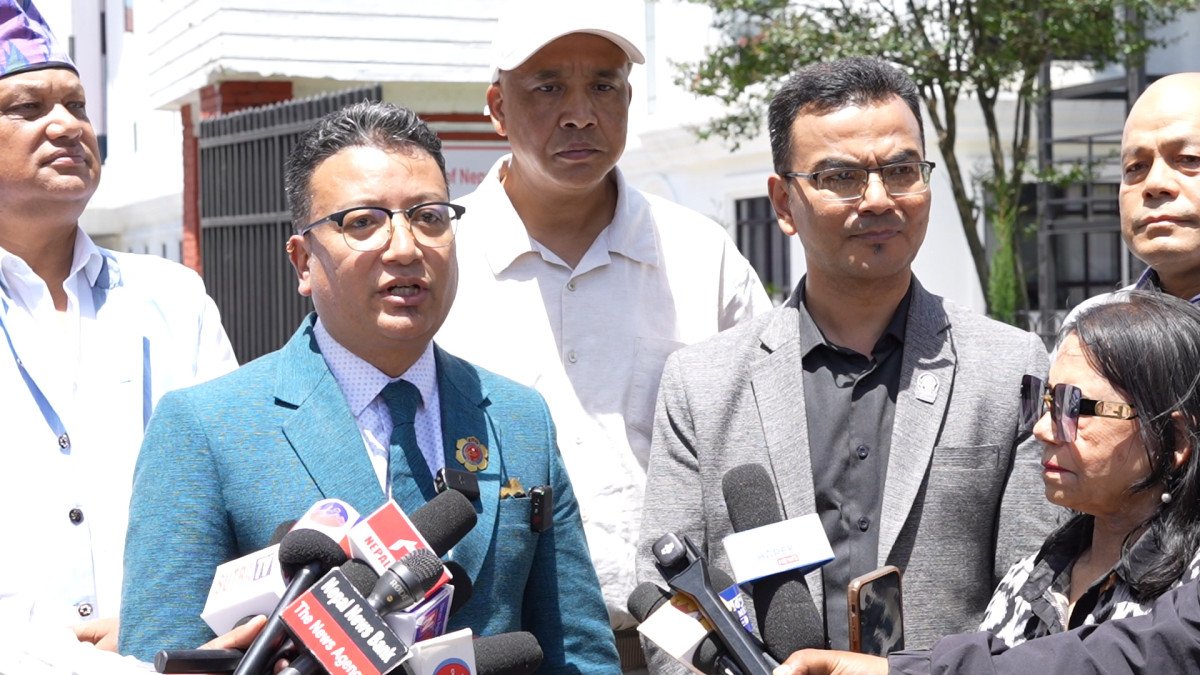
Talking to journalists after the meeting with the Prime Minister, Federation Chairman Rabindra Shakya informed that an agreement has been reached on the concept of establishing a Handicraft Development Board in coordination between the government and the private sector to solve the problems of the handicraft sector. He stated that this will assess the overall challenges of the handicraft sector and take policy initiatives for solutions.
According to him, Prime Minister Shah has pledged to prioritize the handicraft sector and move towards policy reforms and institutional structure development. Chairman Shakya said that the Prime Minister has also committed to moving forward with the necessary process through the relevant bodies regarding the Federation's proposal to give national recognition to Handicraft Day, which has been celebrated for the past 15 years.
Discussions were held with the Prime Minister on issues such as promoting the export of handicraft products, cash grants, VAT-related problems, identification management of handicraft workers and artists, operation of the inactive SAARC Handicraft Development Centre, and the need for a separate policy arrangement for handicrafts. Prime Minister Shah stated that the government is committed to policy related to the handicraft business, art conservation, job creation, and handicraft generational transfer.
According to Chairman Shakya, the Prime Minister said that the government is positive about moving forward with the plan to create employment by establishing handicraft villages in all seven provinces and increasing the use of Nepali handicrafts in public structures. Prime Minister Shah also committed to working as per the suggestion of the businesspersons to make the valuation of invoices mandatory when exporting handicraft materials. Currently, businesspersons export materials based on self-declaration.
"The discussion with the Prime Minister was very positive," said Federation Chairman Shakya, "In our experience, such an in-depth discussion has not happened before. The Prime Minister has a passion for the country's development and is serious about creating employment."
Stating that only practical matters were discussed, he added, "We requested that the Handicraft Day, which we have been celebrating for the past 15 years, be nationalized, and he immediately said that he would take initiative with the relevant bodies and make a positive decision."
He said that the most important outcome of today's discussion was the concept of establishing a Handicraft Development Board. "We have jointly succeeded in creating the concept of establishing a Handicraft Development Board to comprehensively evaluate and resolve the problems, challenges, and opportunities in the handicraft sector," Shakya said, "The board will be established in coordination between the Government of Nepal and the private sector."
He also informed that discussions were held regarding carving, cash incentive, VAT, artist identification, and the operation of the pending SAARC Handicraft Development Centre. "Regarding cash incentives and VAT, the procedure is currently being developed, and the Prime Minister has said that we will resolve it through positive coordination," he said, "There was also a positive discussion on making a new type of policy that looks specifically at handicrafts, removing the provision of making policies along with other goods."
Speaking about the use of handicrafts in provinces and public structures, he added, "He has a passion for creating employment by establishing handicraft villages in all seven provinces. It is the government's concept and our demand that public and non-governmental bodies should be more artistic and handicraft-oriented when constructing structures."
The Prime Minister has also committed to continuing the 5 percent amount that businesspersons should receive when exporting handicraft materials. The Federation stated that this amount has been withheld for the past three years. Chairman Shakya said that Prime Minister Shah has shown special interest in establishing a handicraft village in the valley and opening skill training centers related to handicrafts in all seven provinces. The Prime Minister is also positive about an agreement between the two parties for constructing artistic structures in collaboration with construction entrepreneurs.
Nepal's handicraft industry exports goods worth approximately 27 to 28 billion rupees annually. The Federation stated that 82 types of Nepali handicraft products are currently exported to 60 countries. It is seen that the handicraft sector can contribute even more to export, revenue growth, and job creation if online market expansion, youth participation, and a favorable policy environment can be created.
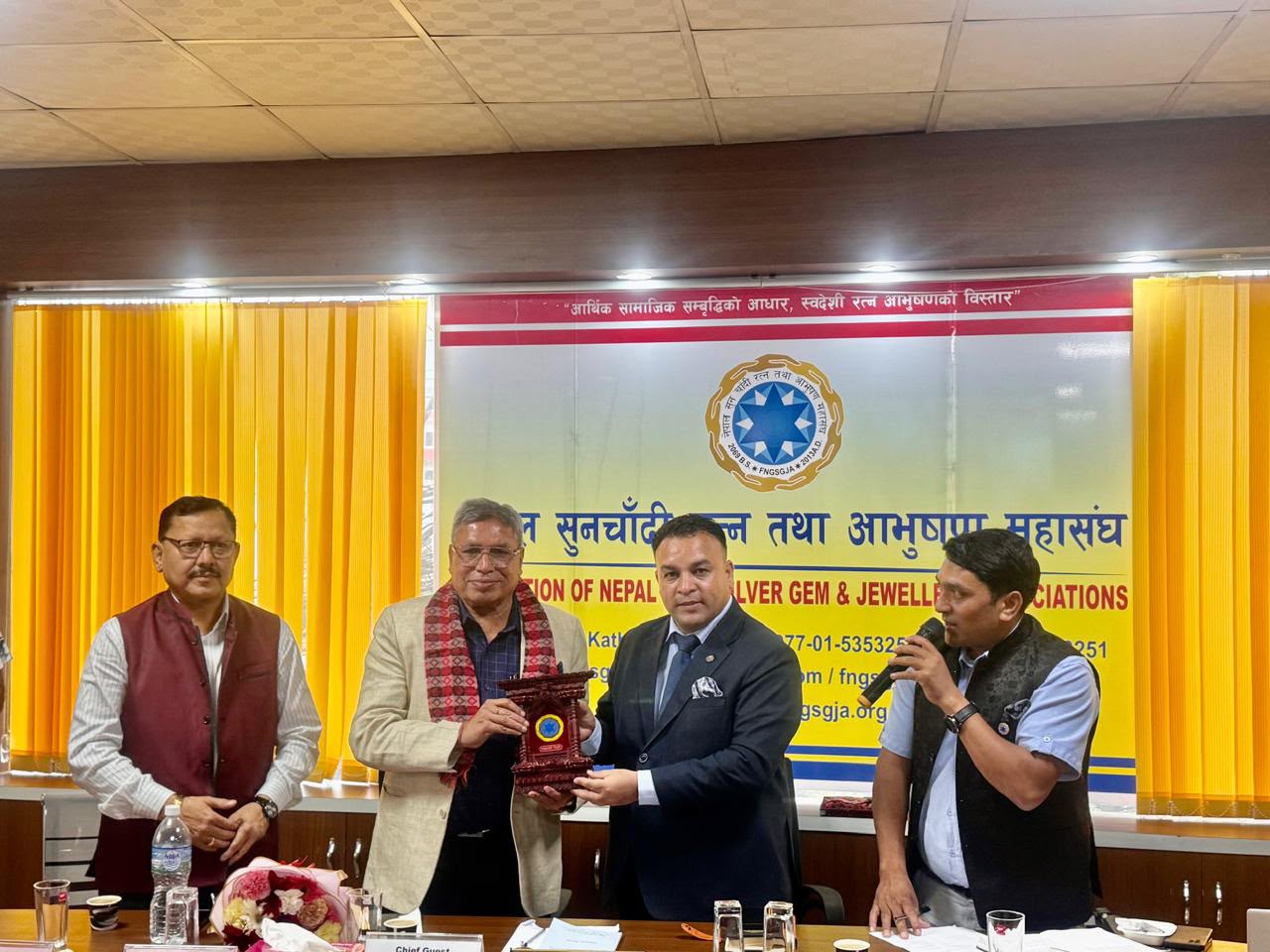
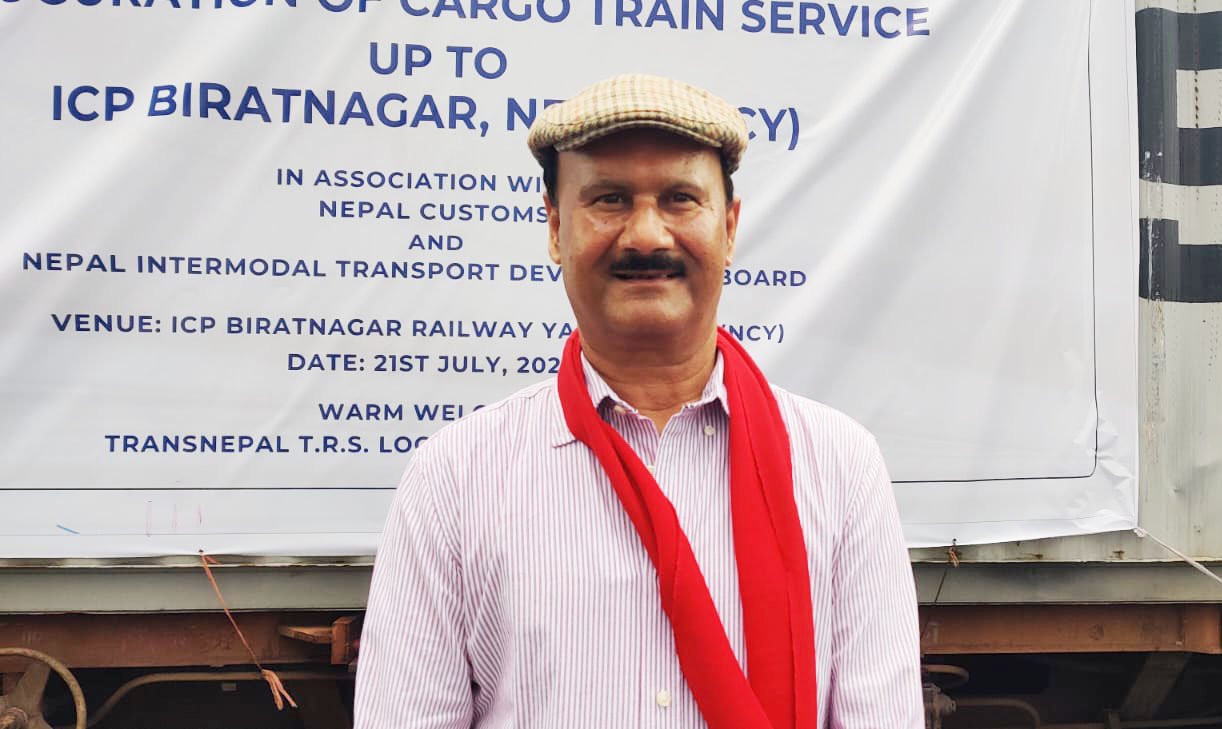
Along with Federation Chairman Shakya, Senior Vice Chairman Rajman Bajracharya, Vice Chairman Kiran Kumar Sthapit, Advisor Bikram Ratna Dhakhwa, and top exporter Maheshwar Shrestha participated in the discussion with the Prime Minister.
This specific news has been automatically translated by AI. As a result, there may be some inaccuracies or language errors.