Drug Abuse and Trafficking a Growing Problem in Nepal

Kathmandu. Drug abuse and trafficking have emerged as a complex problem in Nepal. The latest survey shows that the number of drug users in the country is increasing, with individuals aged 19 to 45 being particularly affected.
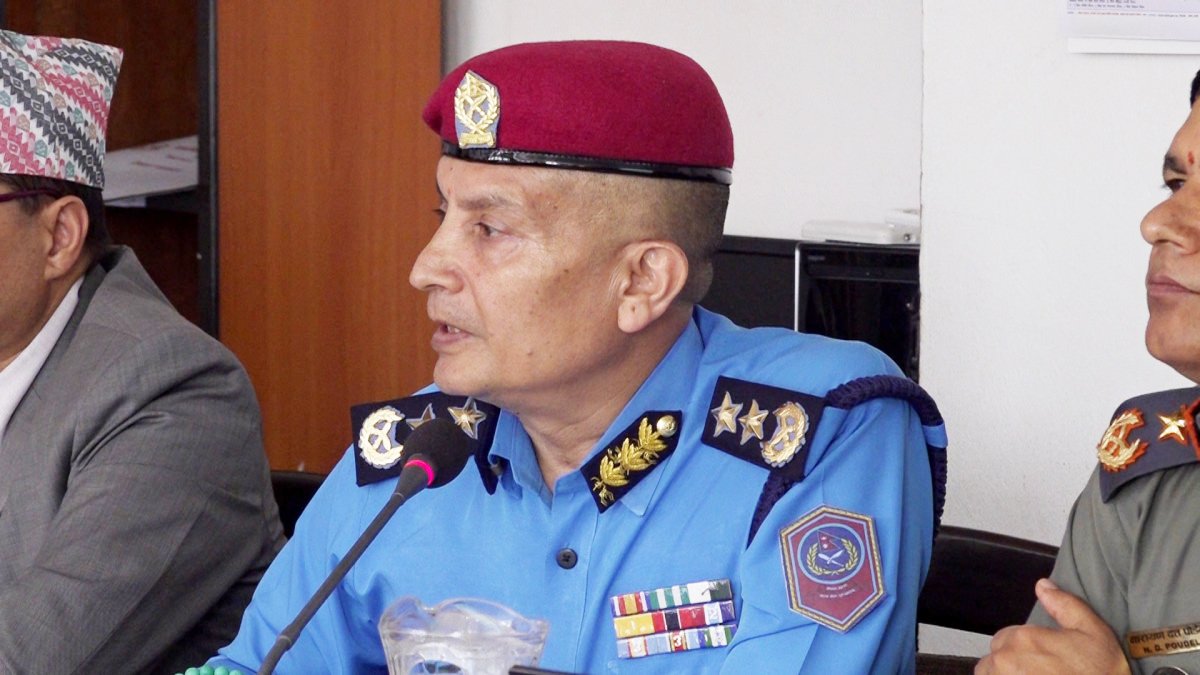
Speaking at a meeting of the State Affairs and Good Governance Committee held at Singha Durbar on Thursday morning, Inspector General of Police Dan Bahadur Karki stated that the pressure of prisoners related to drug cases in jails is high and that the problem has spread from the Terai to the Himalayas.
According to statistics, the Narcotics Control Bureau registered 814 cases in the fiscal year 2080/81, and this number increased to 1,132 in the fiscal year 2081/82. So far, 837 cases have been registered in the current fiscal year. Although the number of Nepali citizens arrested has decreased slightly, the involvement of foreign nationals is increasing. Last year, 177 foreign nationals were arrested, while this year, 174 have already been arrested.
The Bureau has been recovering large quantities of drugs such as marijuana, hashish, heroin, and cocaine. The police have been successful in controlling cocaine, which is often transported through Nepal from South American countries. Recently, 60 tablets were recovered from a Senegalese national who was smuggling drugs hidden inside his stomach. According to Inspector General Karki, the use of semi-synthetic drugs such as ampoules, nitrogen, Corex, and MDMA, in addition to marijuana and hashish, is also increasing.
Established in 2049 BS, the Bureau currently operates through 15 units across the country. Despite a sanctioned staff of only 78, 215 personnel have been deployed due to the workload. After three decades, the Bureau still lacks its own building, resulting in millions of rupees spent annually on rent, while budget and technology shortages remain major challenges. The allocation of only Rs 5 lakh each for operations and information collection is considered extremely low. Furthermore, investigations are being hampered by a lack of 'lapase' testing equipment, X-ray machines, and skilled technical personnel.
To address these challenges, the Bureau has put forward a special action plan for the next three years (2083-2086). This includes the goal of implementing an 'Integrated Narcotic Intelligence Management System' in coordination with the Ministry of Home Affairs, Immigration, and Customs. The plan involves conducting a comprehensive survey in all 77 districts to identify pocket areas and control them through 'Intelligence Led Policing'. The police believe that investigating drug crimes by linking them to organized crime and money laundering will help bring the country out of the financial crime 'grey list'.
The police have proposed amending the Narcotics Control Act, 2033, to make it more time-appropriate. A strategy has been adopted to destroy illegal cultivation of marijuana and opium in hilly and mountainous regions, and to prosecute landowners where such cultivation occurs from now on. The police claim this will enable control at the source. Additionally, surveillance has been increased at Terai border crossings, citing the use of ambulances and private vehicles.
'High Risk Passenger Profiling' and the deployment of a 'Targeting Squad' at the airport will be implemented to break international networks. To reduce addiction, the police will initiate efforts for awareness programs at the school level, monitoring of pharmacies, and the establishment of counseling centers at the local level. Embracing technology, the police plan to utilize X-ray scanners, urine test kits, and high-level surveillance devices. This detailed action plan is expected to significantly reduce illegal drug trafficking and use in Nepal within the next three years.
This specific news has been automatically translated by AI. As a result, there may be some inaccuracies or language errors.

_18aawmzmsd_sTzy83VQGv.jpg)