World Food Programme Warns of Worsening Famine Risk Due to Iran Conflict
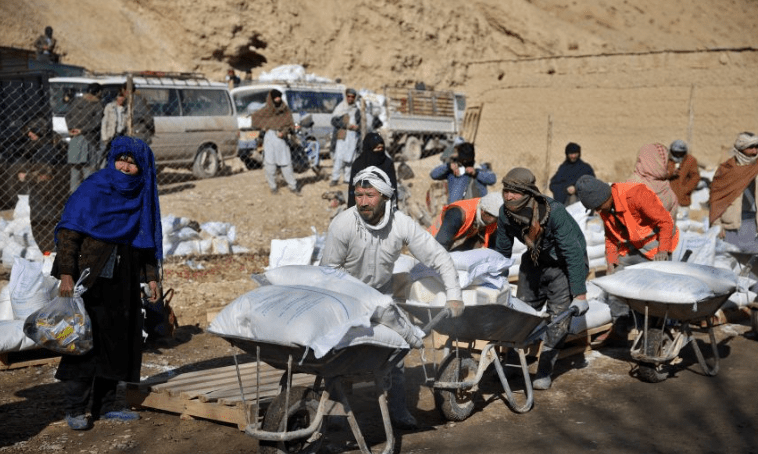
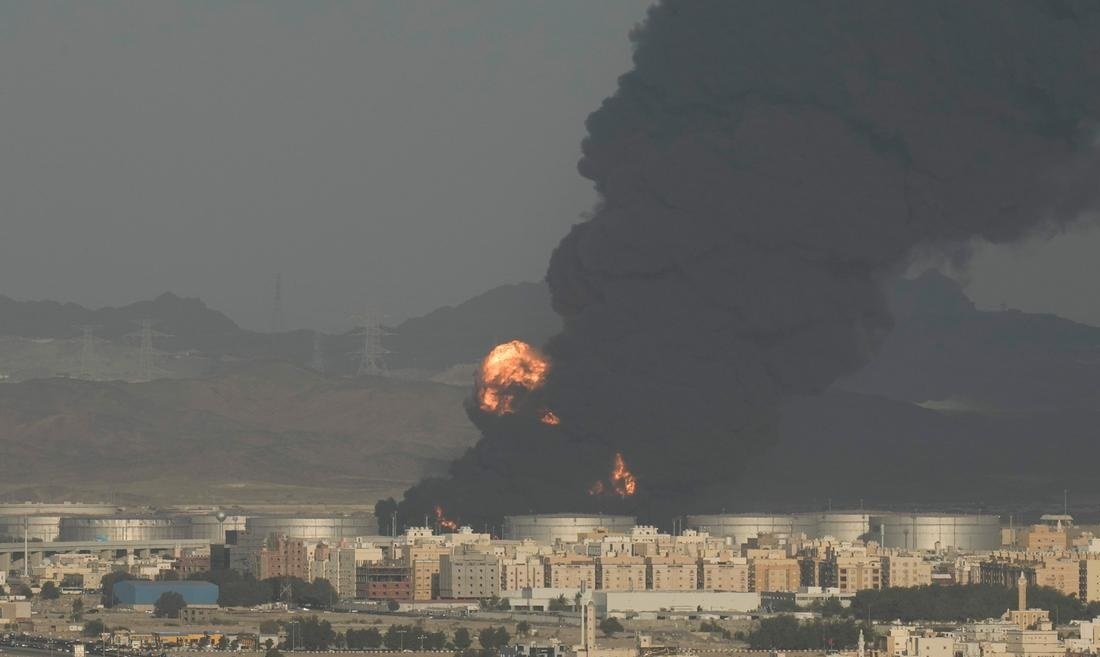
New York. The World Food Programme (WFP) has warned that the risk of famine is rapidly increasing among highly vulnerable communities worldwide due to the ongoing war with Iran. WFP Executive Director Carl Schou, speaking to the American news agency CNN, stated that the effects of the war could push millions more people into a state of critical food shortage.
According to him, the closure of the Strait of Hormuz has caused fuel prices to skyrocket, significantly increasing the cost of operating WFP's relief and food distribution programs. As fuel becomes more expensive, the prices of food worldwide are also rising.
Fertilizer supply, exported from the Gulf region, has also been affected by the war. The WFP has indicated that this is creating difficulties in providing the necessary fertilizer for agricultural production, especially in countries like Sudan.
This situation has become even more challenging for the WFP, which was already struggling with financial shortages. WFP operates with the support of various governments. However, its donor support has seen a significant decline in recent years. Notably, support from the United States, its largest donor, has decreased substantially.
According to the WFP, US aid for 2026 is only about 731 million US dollars. In 2024, this amount was over 4 billion US dollars. Carl Schou explained that when food prices increase by 20-30 percent in poor nations, people are forced to reduce their consumption by almost the same amount. He warned that this carries a risk of exacerbating malnutrition and famine.
The WFP had already warned in March that if oil prices remained above 100 US dollars per barrel, an additional 45 million people could face severe food crises by July.
According to Schou, even if the Strait of Hormuz reopens immediately, the effects of the current crisis will persist for a long time. He stated that the impact on supply chains, agricultural production, and food markets is unlikely to disappear quickly.
This specific news has been automatically translated by AI. As a result, there may be some inaccuracies or language errors.