Senior Advocate Shakya: Weakening Indigenous Rights Through Constitution Amendment Unacceptable

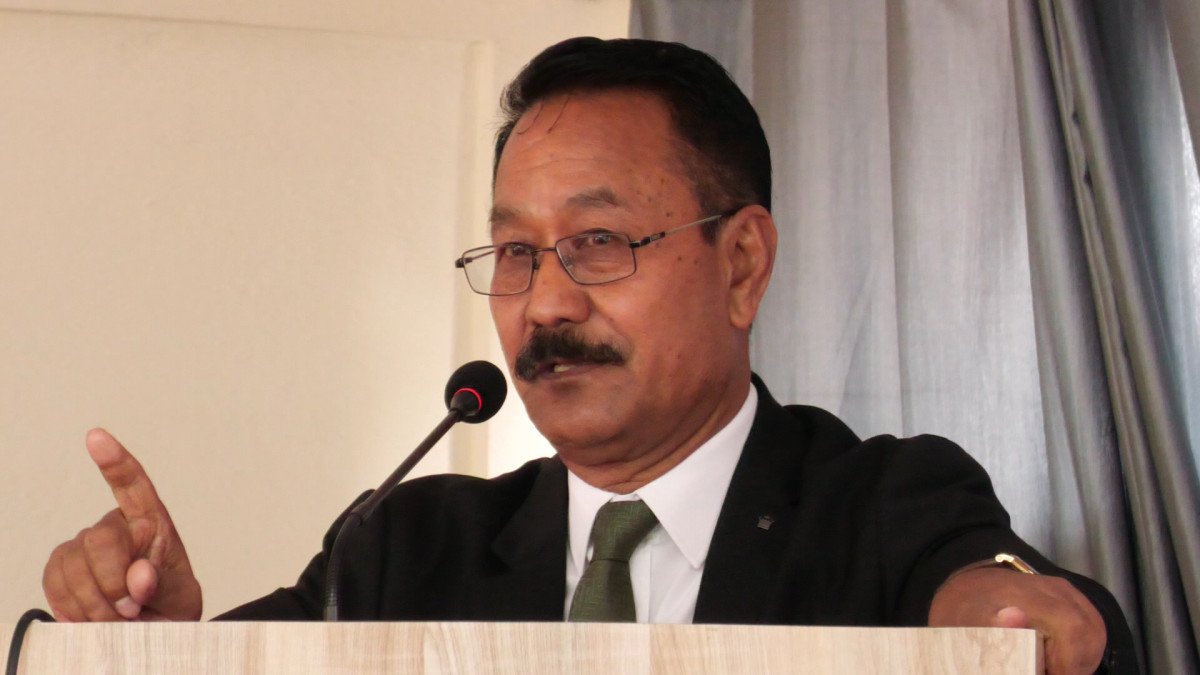
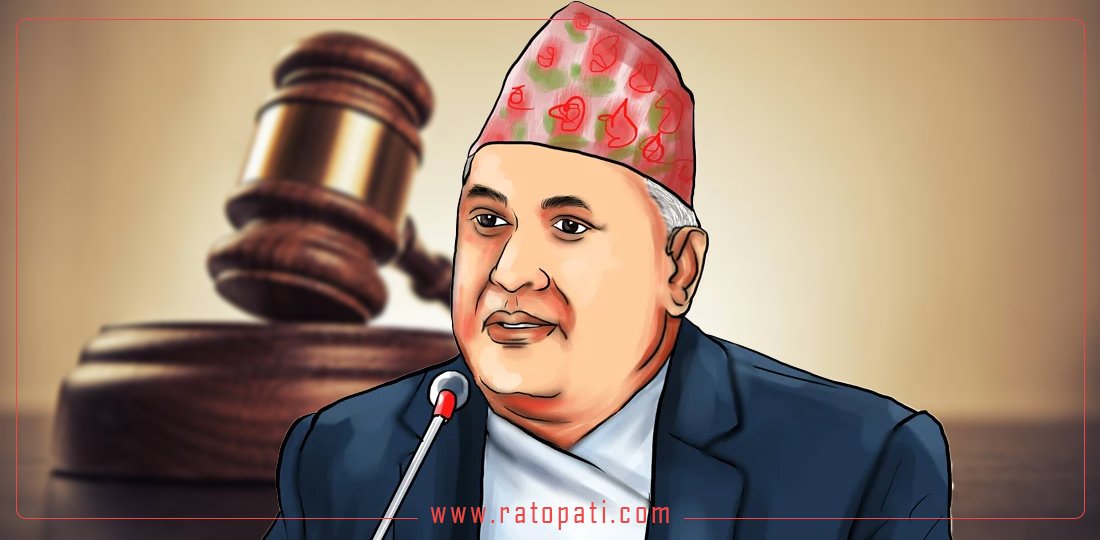
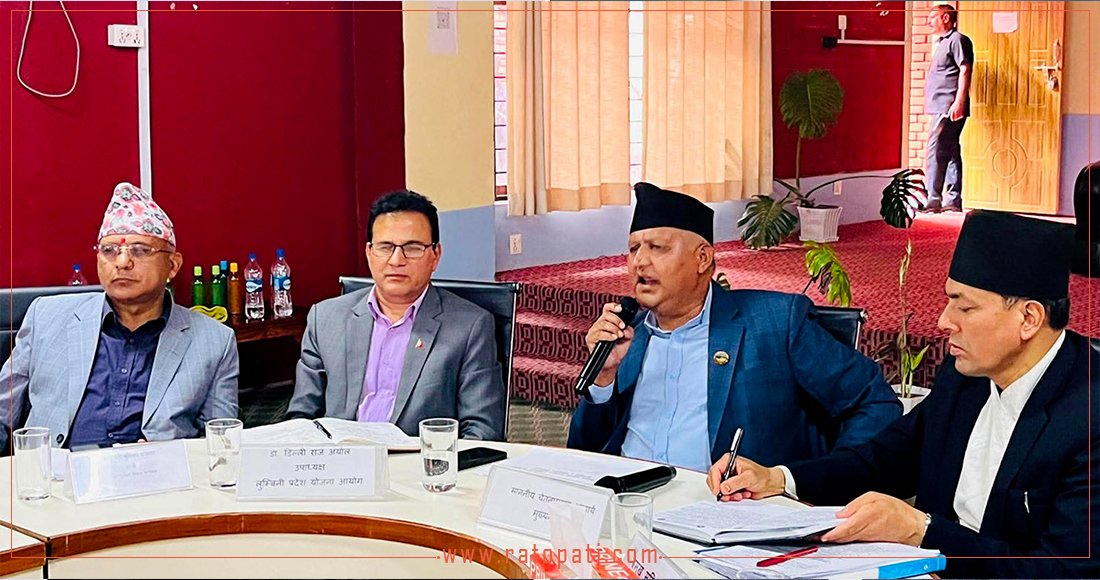
Kathmandu. Senior advocate Purnaman Shakya has stated that attempts to weaken the rights of indigenous peoples in the name of constitutional amendment are unacceptable. He said this at an interaction program on 'Indigenous Peoples' Issues in Constitutional Amendment' organized by the Nepal Bar Association Indigenous and Tribal Lawyers Concern Committee.
He mentioned that the main challenge at present is to protect the rights given to indigenous peoples by the current constitution. He urged that there is no need to discuss further rights when the rights given by the constitution have not been fully implemented, and instead, focus should be on protecting the current rights.
Accusing that attempts are being made to curtail the rights given by the constitution, he said that constitutional amendment is not a simple legal amendment but a serious matter connected with the country's social structure, cultural diversity, linguistic identity, regional expectations, and the upliftment of historically oppressed communities, and therefore the government must be serious about it.
He clarified that the basic structure, core values, and principles of the constitution cannot be changed in the name of amendment. According to him, amendment is a process of correcting weaknesses. He warned that if the basic structure and values of the constitution are changed, it would not be an amendment but a new constitution writing, and doing so could become a subject of constitutional challenge. He also mentioned that the current government does not have a mandate to write a new constitution.
Speaking at the program, he said, 'We are in a situation where we have to protect what has been given to us by this constitution, and we must all be aware of it. This is not like discussing a simple act or law, this is a serious matter.' He commented that the government of Rastriya Swatantra Party, which has a near two-thirds majority, is unable to feel from within how the history of Nepal has developed.
Clarifying the limits of amendment, he added, 'When amending the constitution, wherever there is a difficulty, it should be corrected. But you cannot change its basic structure, basic values, and principles.' He said that if the basic structure is sought to be changed, it would not be an amendment but the writing of a new constitution, and that would be beyond the scope of amendment rights. In such a situation, there could be a need for a constitutional challenge, he said.
Speaking at the program, Nepal Bar Association President Prof. Dr. Vijay Prasad Mishra accused the government of not being serious about constitutional amendment. He commented that the government has not shown the necessary political consensus and sensitivity in the constitutional amendment process and is trying to move forward without ensuring the necessary two-thirds support. He mentioned that any amendment that has a long-term impact on federalism, inclusivity, and the core provisions of the constitution should be based on national consensus.
Bar President Mishra said, 'I did not feel that the government was truly sensitive during the process of constitutional amendment. Otherwise, it should have moved forward after extensive political consultation.' He mentioned that the constitution requires a two-thirds majority and stated that the government does not have a two-thirds majority in both houses of parliament. He argued that although the government formed due to the movement of August 23-24 has no question about its validity, its legitimacy is periodic. He clarified that a periodic government cannot say it will uproot federalism and throw it away, but can correct its shortcomings, except for making changes that have a long-term impact on the country.
Nepal Bar stated that it will give its opinion only after the draft of the constitution comes from all sides, and emphasized that representation should be ensured by protecting indigenous peoples, tribal peoples, and all classes and sections.
This specific news has been automatically translated by AI. As a result, there may be some inaccuracies or language errors.
-(2)_QJLjKxR87n.jpg)