Lumbini Province Government Delays Ministry Reduction Plan

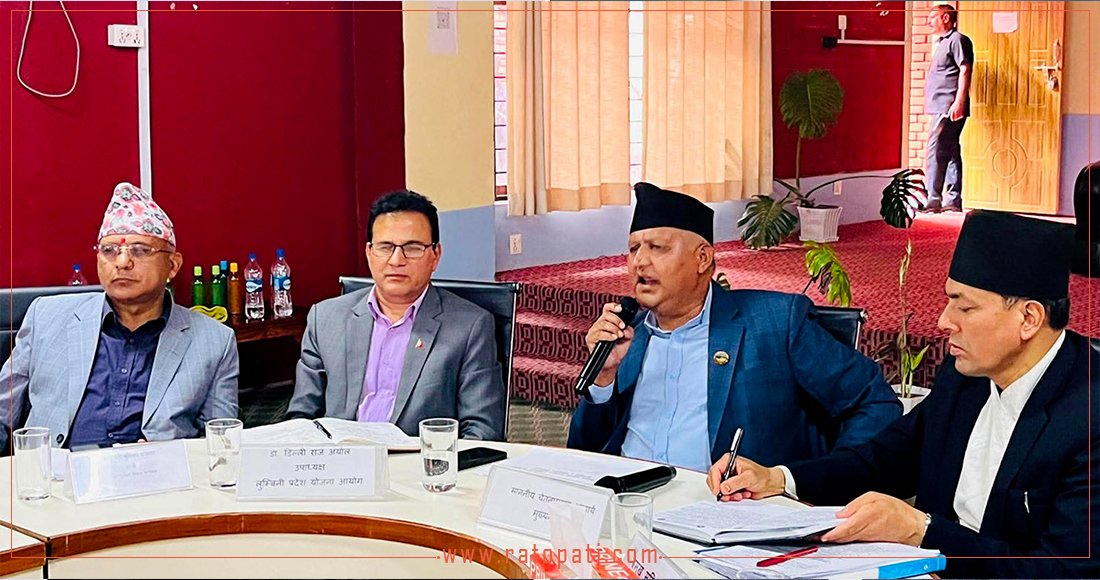
Butwal. The Lumbini Province government's decision to reduce the number of ministries from 12 to 8, effective from the beginning of the new financial year (July 17), is likely to be delayed in implementation. The Council of Ministers had decided to reduce the number of ministries in a meeting held in May. The province government's policy and program also include a plan to reduce the number of ministries.
A committee was formed under the convenership of Chief Secretary Krishnaprasad Kapri to implement the decision, with the responsibility of preparing a draft including necessary amendments to the Province Government (Work Division) Regulations, 2079. The target was to implement the new structure from July 17 by adjusting the ministries based on the committee's report.
However, it has not yet been decided which ministry will be merged with which. The implementation is also expected to take time due to the need for political consensus, as reducing the number of ministries would lead to the dismissal of some current ministers.
Chief Minister Chetanarayan Acharya indicated to Ratopati that the ministry restructuring would not be implemented from July 17. He stated that discussions are ongoing at both formal and informal levels regarding the reduction of ministries.
'Reducing ministries will require some current ministers to step down. Therefore, political consensus is also necessary. On the other hand, it has not yet been decided how and which ministries will be merged. We will finalize this process within the month of July,' said Chief Minister Acharya.
The government has stated its goal of controlling administrative expenses, improving performance, and streamlining government structures by reducing the number of ministries. However, the decision cannot be implemented until political consensus and organizational restructuring are completed.
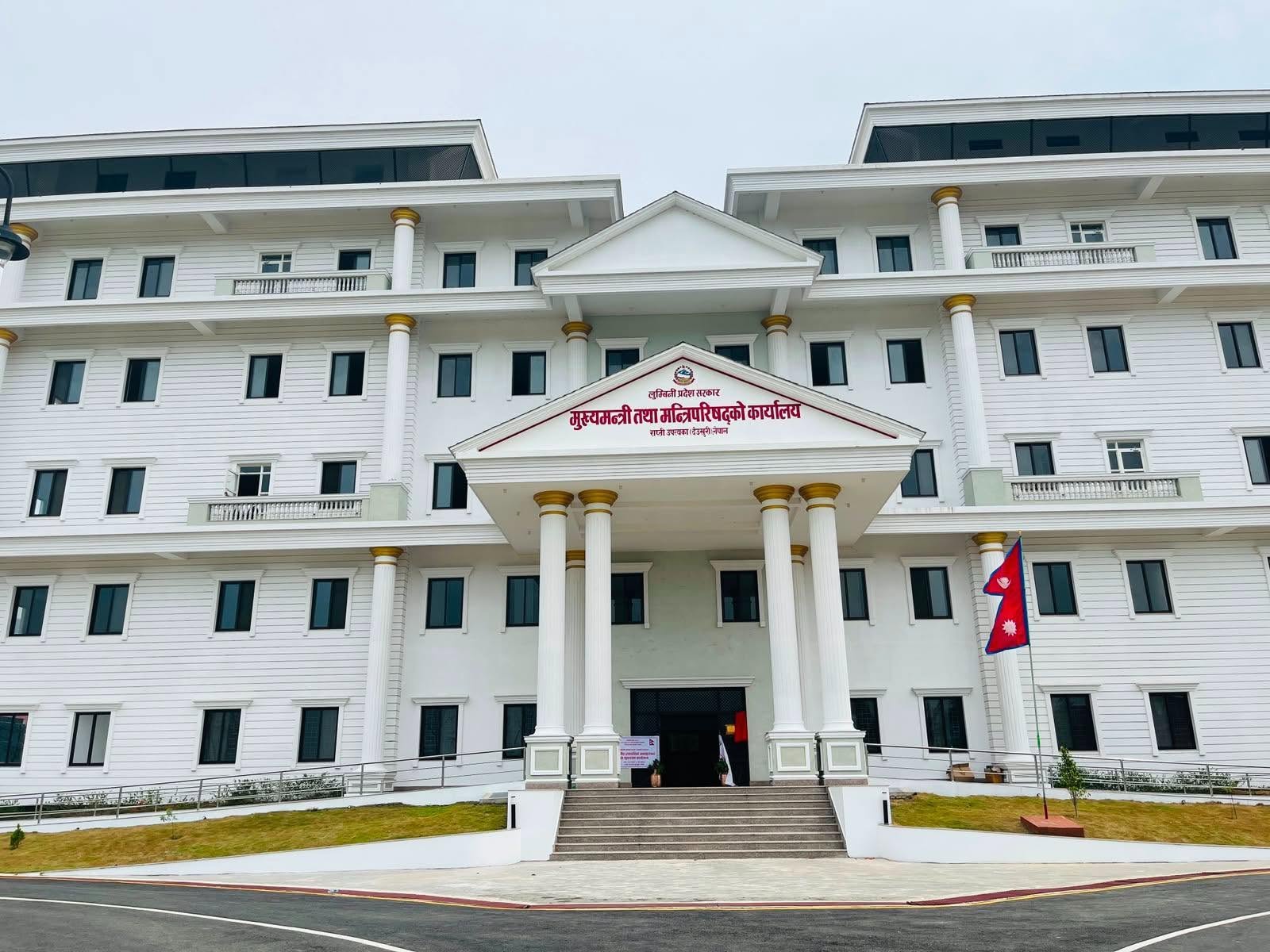
- How many ministers under which Chief Minister?
When the province was established, administrative work in Lumbini began with 6 ministries. Since then, the number of ministries has changed from time to time with changes in government. The first Chief Minister of the province, Shankar Pokharel, initially worked with 6 ministries.
He later increased the number of ministers to 10. Among those who had the most ministers is Kul Prasad KC, whose cabinet had 17 members.
At the beginning of the second term of the Provincial Assembly, then Chief Minister Lila Giri reduced the cabinet to 10 members. After that, Dillibahadur Chaudhary made it 9, and Jokbahadur Mahara made it 12. The current Chief Minister Chetanarayan Acharya has been leading a 12-member cabinet. His cabinet has decided to reduce the number of ministries in the province to 8.
According to government sources, with the reduction of ministries, there is a plan to merge the Ministry of Urban Development and Water Supply into the Ministry of Physical Infrastructure Development, and also bring the Ministry of Energy, Water Resources and Irrigation under the Ministry of Physical Infrastructure Development, and adjust the Ministry of Youth and Sports into the Ministry of Social Development. However, a final decision on how and which ministries will be merged has not yet been made.
Lumbini Province's Minister of Social Development, Janamjay Timilsina, said that reducing the number of ministries will naturally reduce administrative expenses, including ministers, secretariat, vehicles, security, and staff management.
Mahendra Pandey, former chairman of Transparency International Nepal, Rupandehi, and an advocate, said that more important than the number of ministries is how effectively decisions and work are done for the benefit of the province's residents. According to him, reducing the number of ministries is necessary not only to reduce expenses but also to send a message that the government is committed to thrift, transparency, and good governance.
This specific news has been automatically translated by AI. As a result, there may be some inaccuracies or language errors.
-(2)_QJLjKxR87n.jpg)