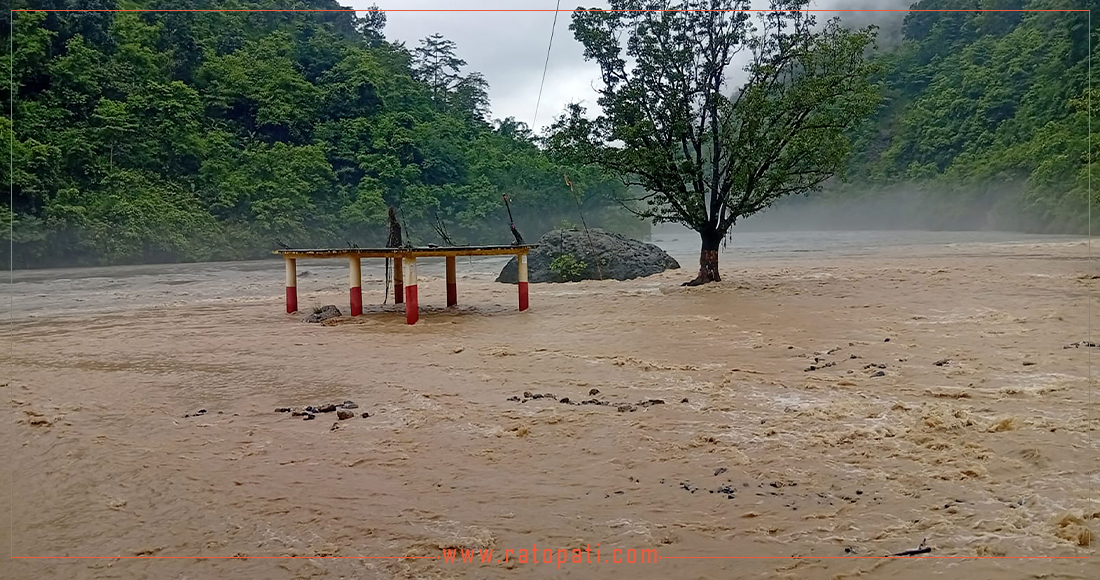
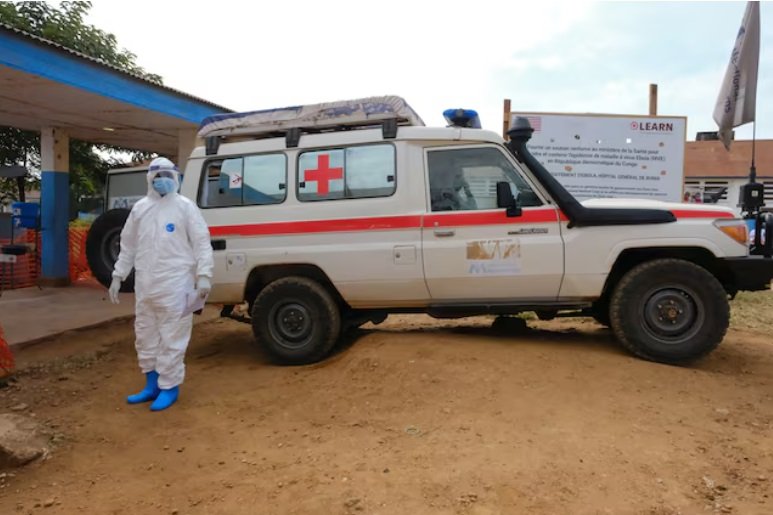
The rapidly strengthening El Niño weather system could cause severe floods, disease outbreaks, and droughts in the world's most vulnerable communities in East Africa and Asia, an international humanitarian aid organization has warned. The International Rescue Committee (IRC) said in a report released on Monday that Kenya, Uganda, Somalia, Bangladesh, Pakistan, and Afghanistan are the countries at highest risk. Many of these countries are already grappling with humanitarian crises. Bob Kitchen, IRC's director of emergencies, said, 'We are seeing multiple crises developing simultaneously. The places least able to cope with another major shock are the ones most at risk right now.' According to an assessment released by the US Climate Prediction Center on July 9, El Niño has been strengthening rapidly. There is an 81 percent chance it will become one of the strongest El Niños since 1950, with its effects expected to peak between October and December. Similarly, the UN's World Meteorological Organization (WMO) had predicted in early July that El Niño conditions had already developed and that its effects would intensify from July to September. Climate scientist Daniel Swain said, 'The temperature of the equatorial Pacific Ocean has reached its highest level for this time of year. Its global impact will be enormous.'
- Communities already in crisis are at greater risk
Many areas affected by El Niño are already weakened by drought, conflict, and cuts to international aid budgets. Humanitarian organizations say that in such a situation, the capacity to cope with another natural disaster is significantly weakened. El Niño is a natural change in Pacific Ocean temperatures that typically recurs at intervals of two to seven years. As the trade winds weaken, warm ocean water spreads eastward, causing widespread changes in rainfall and temperature patterns worldwide. Its effects vary in different regions of the world. Some areas experience excessive rainfall, while others experience reduced rainfall and drought. East Africa typically experiences a dry mid-year and excessive rainfall between October and December. Meteorologists say this effect could be intensified this year due to rising temperatures in the Indian Ocean.
- Rising risks from Somalia to Pakistan
In Somalia's capital, Mogadishu, heavy rains this year have caused repeated floods. The US-funded Famine Early Warning Systems Network (FEWS NET) has warned that if this year's floods are as severe as those in 1997 or 2023, the risk of famine will increase again in southern Somalia. At that time, millions of people were displaced, and vast agricultural areas were submerged. Kenya's Meteorological Department has also indicated an 80 to 82 percent chance that El Niño will persist throughout the year. With forecasts of heavy rainfall in October-December, the government has activated its national disaster preparedness plan. In Bangladesh's Cox's Bazar, at least 15 people have died and more than 10,000 have been displaced due to landslides and floods in the Rohingya refugee camps since early July. While Pakistan is expected to experience below-average rainfall, there is an increased risk of glacial melt and flash floods in the northern Himalayan region.
- Serious impact on food security
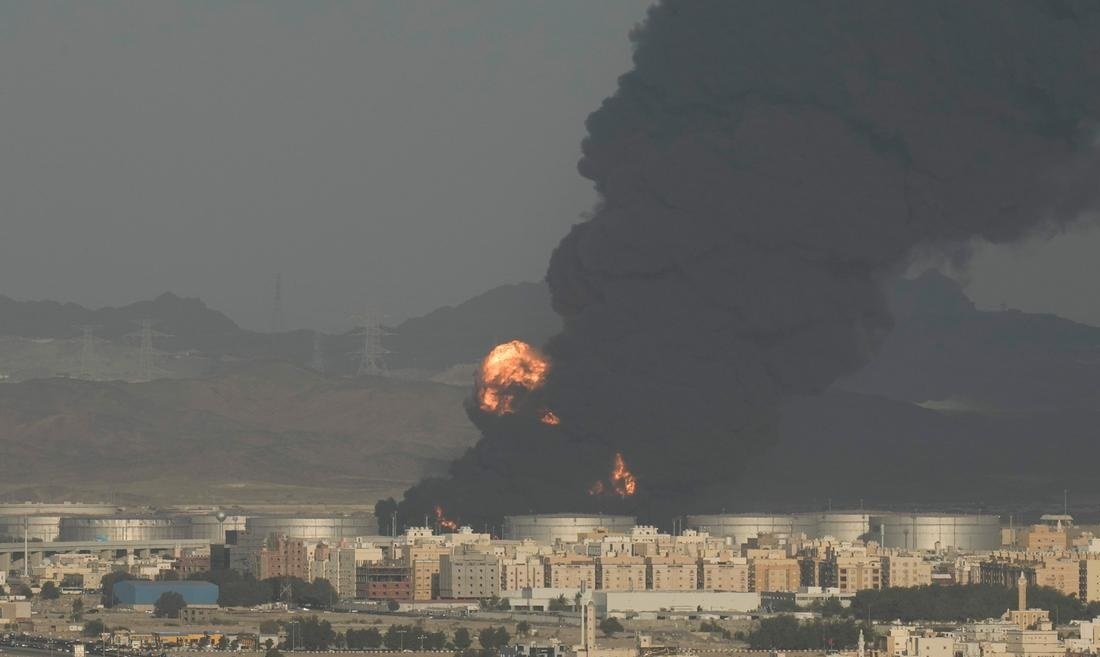
The World Bank has warned that if El Niño fully develops, rice production in the most affected areas of South Asia and East Africa could decrease by 20 to 50 percent. Since rice is the basis of food security for millions of people in these regions, its direct impact will be on the food crisis. Analysts say that due to the growing tension between the US-Israel and Iran, the Strait of Hormuz, a major route for global energy and fertilizer supply, is becoming unstable again. This has already significantly increased fertilizer prices, which could further pressure agricultural production and food prices.
- Urged to prepare before disaster strikes
Various aid organizations, including the International Rescue Committee, have urged international donors to invest in prevention and preparedness programs now, rather than providing relief after a disaster strikes. They say that timely preparation can save millions of lives and mitigate potential humanitarian crises. (Source: Al Jazeera)