Chure Range Faces Severe Crisis Due to Political Interference and Uncontrolled Exploitation, Warns Expert

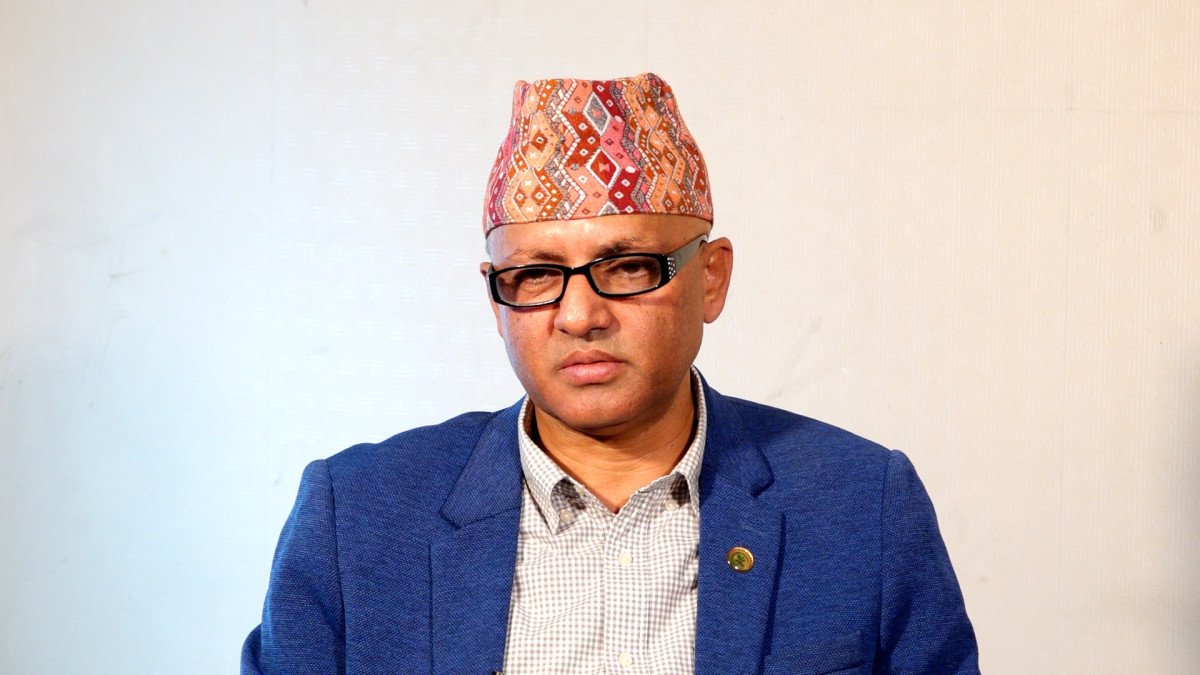
Kathmandu. The Chure range, considered the 'water tower' of Nepal's southern plains and India's vast Ganges plain, is in serious crisis due to extreme political interference and uncontrolled exploitation.
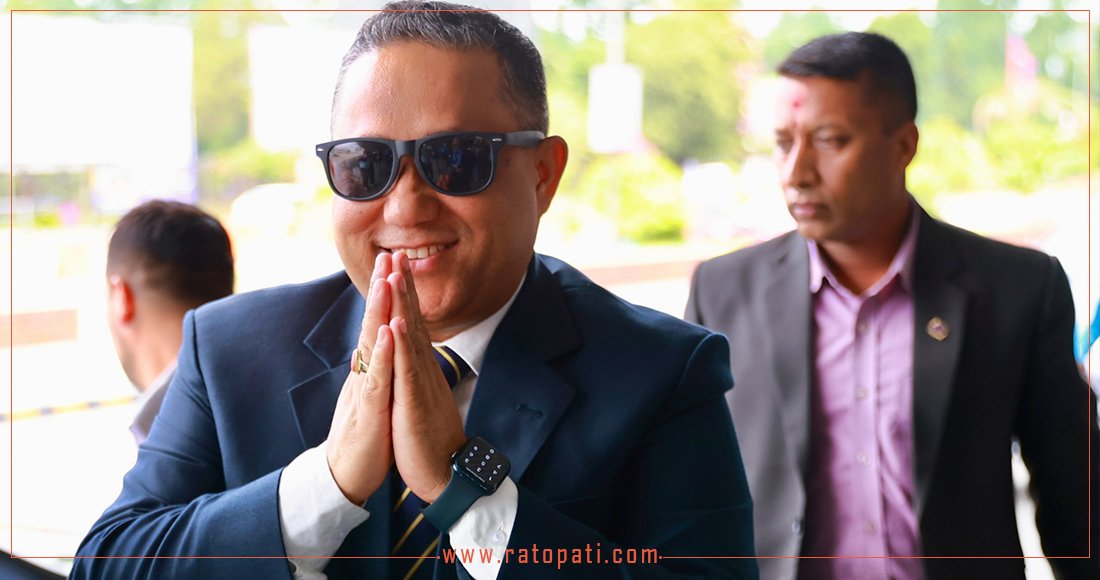
Dr. Kiran Poudel, National Program Coordinator of the Chure Resilient Project under the Global Agriculture and Food Program and former Chairman of the President Chure Conservation Development Committee, has warned that if the Chure is not freed from party politics, Nepal's food granary will turn into a desert within the next decade.
Poudel stated that it is the biggest mistake to view the Chure as limited only within Nepal's administrative borders. This youngest, softest, and most sensitive mountain range in South Asia plays a key role in sustaining the underground water reserves of the lower riparian areas. 'If the deforestation and soil erosion in the Chure region continue like this, it is certain to dry up the underground water sources not only of Nepal's southern plains but of the entire Ganges basin area,' Poudel said.
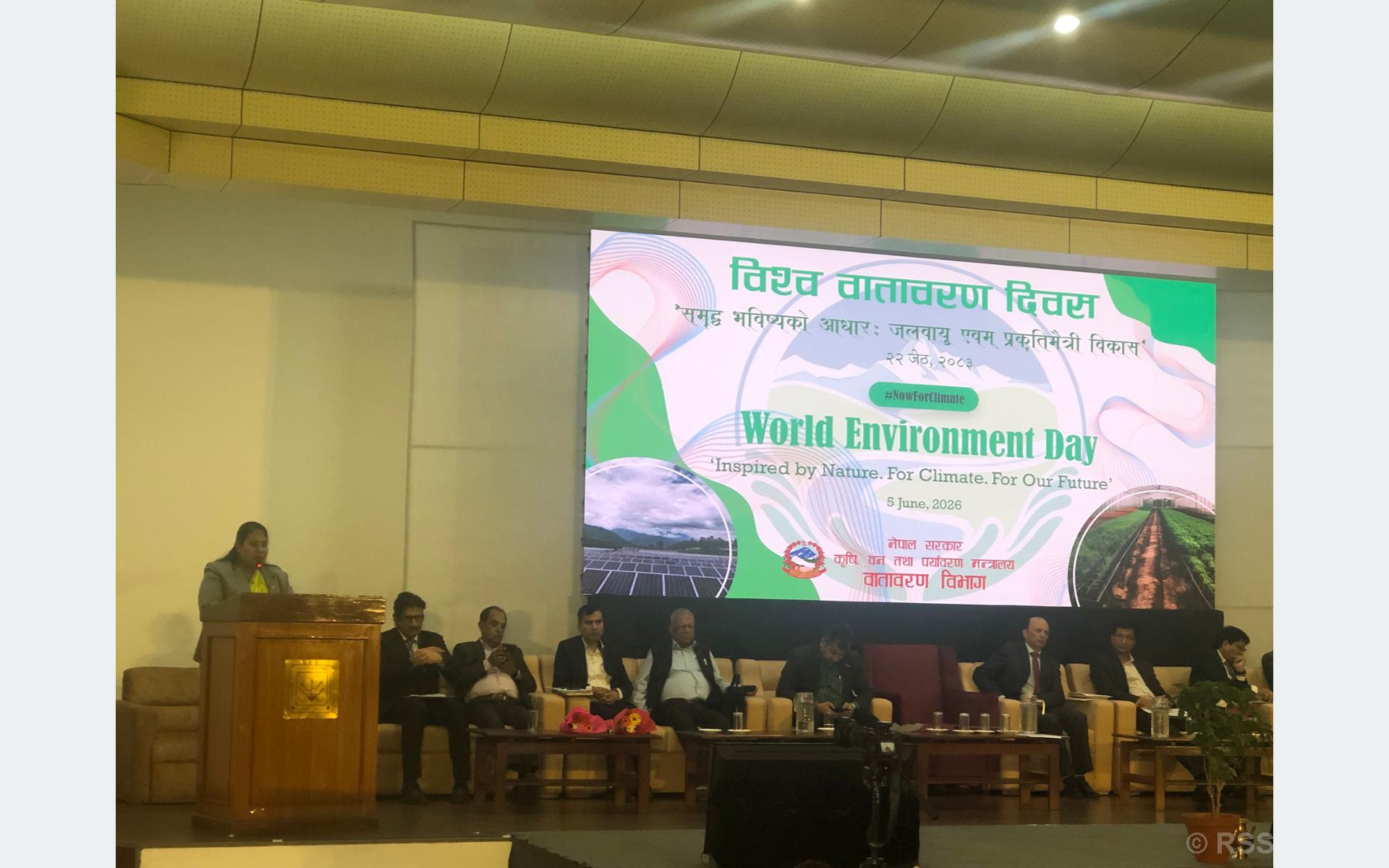
He said that the marginalized communities, landless farmers, and especially women in the lower riparian areas will be directly affected by this. Every year on World Environment Day, attractive slogans of 'Climate-friendly and Nature-friendly Development' resonate, but in practice, local governments have made the exploitation of riverine materials (stones, gravel, sand) from the Chure their main source of internal revenue.
According to Poudel, local levels, under financial pressure after going federal, are carrying out uncontrolled excavation without standards as a means of easy and quick income. He said, 'Policies are made excellent on paper, but the lower bodies that implement them have neither the technical capacity nor the political will to understand environmental sensitivity.' To stop uncontrolled exploitation, he suggests moving towards sustainable economic models like eco-tourism and agro-forestry by making local communities guardians.
Poudel claimed that the President Chure Conservation Development Committee, the leading body for Chure conservation, has become a victim of party quotas and political interests in recent years. He stated that the institution's policy direction has become confused due to the political appointment of individuals without subject matter knowledge in an institution that requires technical and scientific sensitivity.
'Due to party quotas, master plans prepared over years have been shelved, budgets have been wasted, and the credibility of donor agencies has decreased,' he said. He demanded that the committee be freed from the practice of being a means to provide jobs to political cadres and be handed over to autonomous and expert leadership.
Poudel emphasized that the Chure will not be saved by policy debates held in Kathmandu alone and that local communities must be integrated into the mainstream of conservation. He revealed that the Chure Resilient Project he is leading is working with landless, Dalit, indigenous, and women at the center.
He informed that the model of constructing local water ponds and planting local bamboo species for gully control under the restoration of ecological systems in 26 river systems has been successful. He has experienced that in places where local communities participate, political interference is less, and conservation results are sustainable.
Poudel warned that if the state does not become serious about Chure conservation and continues to promote political interference, an irreparable human and environmental crisis will occur in the next decade. He said that millions of people will be displaced from the Terai and inner Madhesh due to drinking water crises, internal conflicts will increase in the country, conflicts between wildlife and humans will become severe, and floods will cause billions in damage. Clarifying the steps the state must take immediately to avoid this, he said, 'Legal provisions must be made to completely free the President Chure Conservation Development Committee from the shadow of political parties and hand over leadership only to experts based on open competition, only then will the Chure be saved from destruction.'
This specific news has been automatically translated by AI. As a result, there may be some inaccuracies or language errors.