Congress MP Ranjit Karna Suggests Reforms in Public Procurement Act


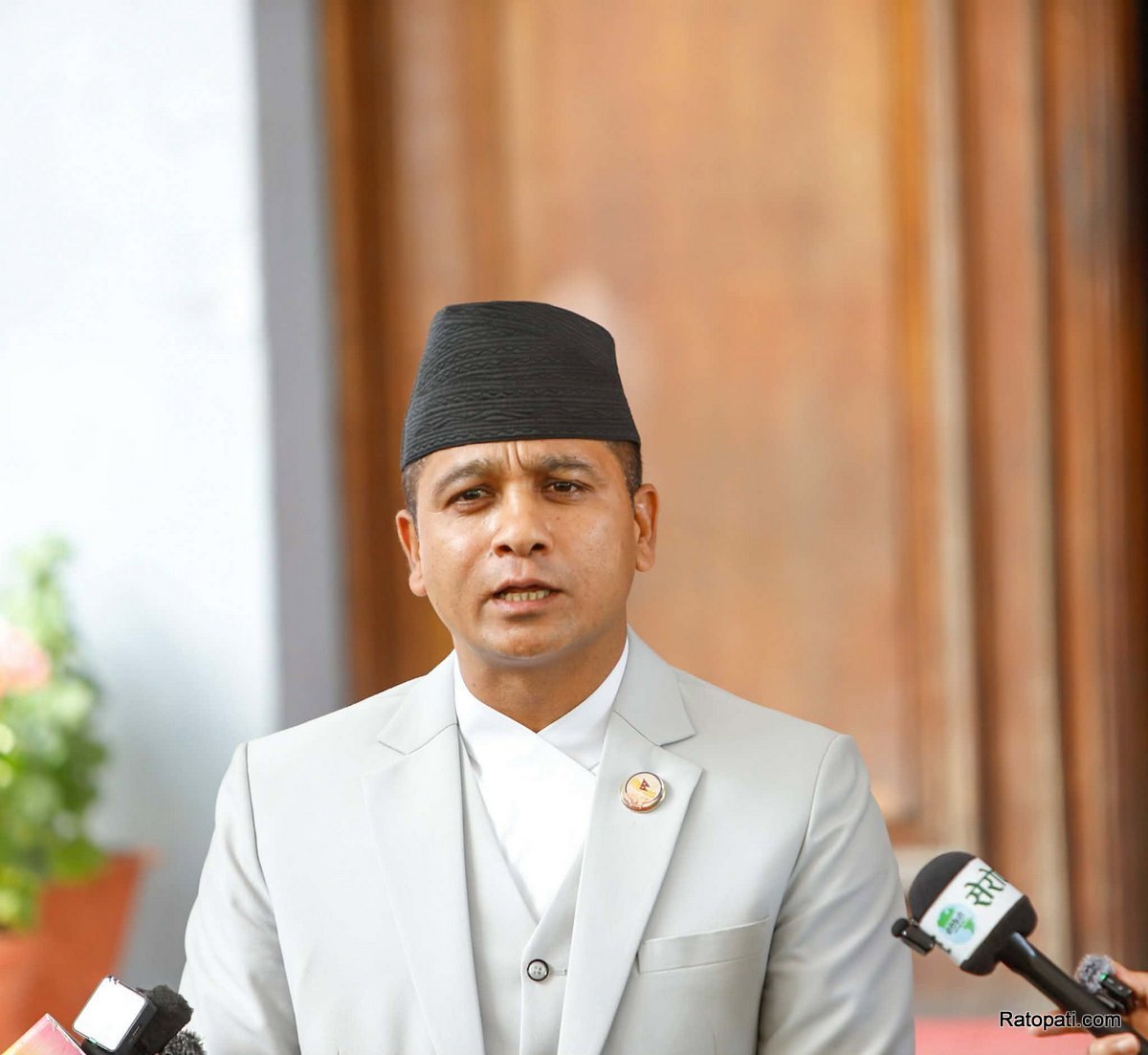
Kathmandu. Nepali Congress MP Ranjit Karna has suggested the government to immediately amend the Public Procurement Act and make extensive reforms in the country's contract system.
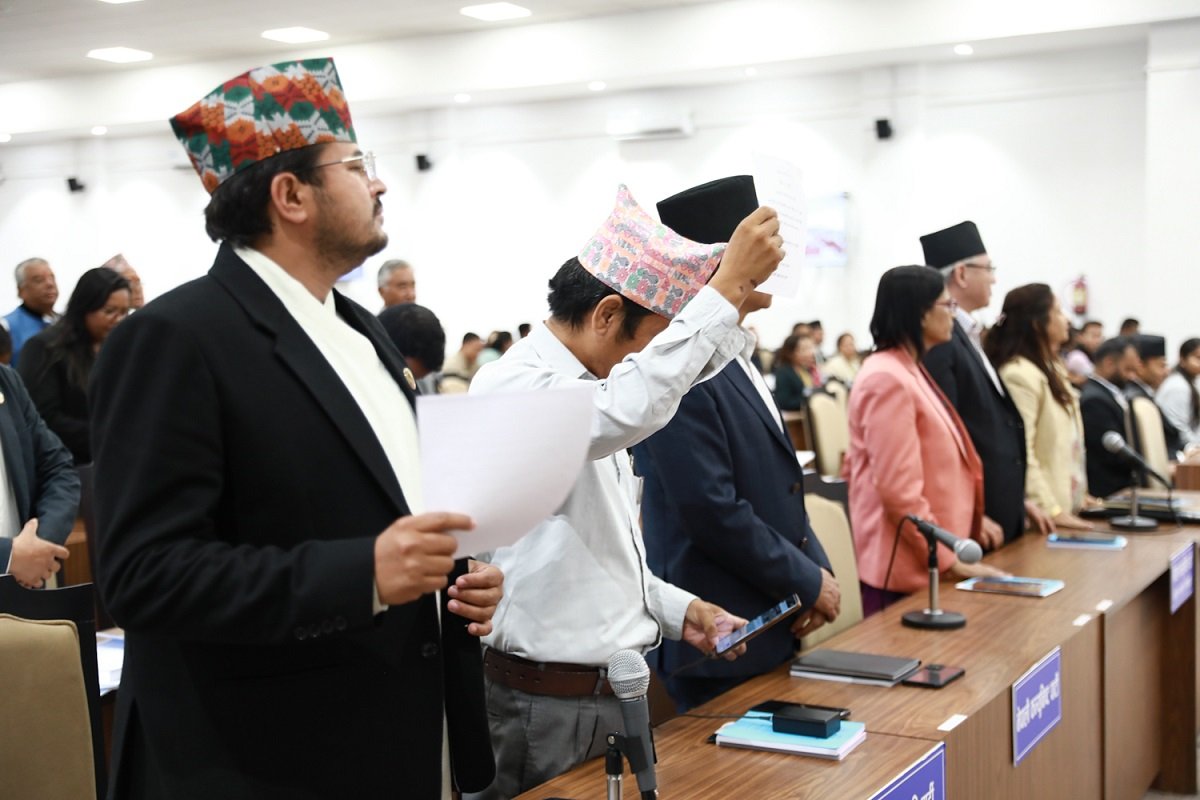
Participating in the discussion on the principles and priorities of the Appropriation Bill in the National Assembly meeting held on Tuesday, he stated that instead of awarding contracts based on the lowest bid, contracts should be awarded only based on the technical capacity, financial condition, and past performance track record of the construction entrepreneur.
He said that only by doing so can the distorted trend of repeatedly extending deadlines and increasing costs in national pride projects be stopped. Pointing out the need for extensive reforms in the budget system, he also urged for the complete elimination of small projects worth less than one crore rupees at all three levels – federal, provincial, and local.
MP Karna commented that the principles and priorities of the Appropriation Bill presented by the government are not realistic. He claimed that although this document appears attractive and creative on paper, it does not align with Nepal's actual economic situation. Mentioning that the government has put forward ambitious goals of 7 percent economic growth, $3,000 per capita income, and an economy of 100 trillion, he said that such goals are far from reality.
MP Karna also accused the current government's policies, programs, and budget priorities of being anti-Madhesh. According to him, although Nepal's average per capita income is $1400, if only the Madhesh province is considered, it is limited to about $900. He stated that special policies to uplift Madhesh, which is economically the most backward, are needed, but the budget priorities have not been able to touch Madhesh at all.
MP Karna also accused the current government of ruining the country's overall business and investment environment. He said that the tendency to arrest established industrialists and businessmen without any concrete evidence has created extreme fear among investors. He warned that such governmental interventions without clear basis will further weaken the economy.
Stating that approximately 12 trillion rupees of liquidity are currently piled up in the banking system, he presented the reality that banks are reluctant to invest in loans and businessmen are reluctant to take loans due to a lack of confidence in the market. He mentioned that while the stock market has also reached a very weak state, the government is preparing to bring an overly ambitious budget, ignoring the reality of the market.
This specific news has been automatically translated by AI. As a result, there may be some inaccuracies or language errors.