Nepal's Two-Day Weekend Policy Faces Widespread Local Resistance


Kathmandu. The government's decision to implement a two-day weekly holiday, aimed at reducing fuel consumption and preserving foreign currency reserves, has not been fully implemented. While the federal government mandated a two-day public holiday (Saturday and Sunday), several local levels have rejected the move, labeling it 'impractical'.
The defiance of the Cabinet's decision by local governments highlights a significant lack of coordination between federal and local authorities. The decision, made on चैत २२ गते, was intended to apply to government offices and educational institutions.
Widespread Rejection
Ignoring the federal directive, local levels from Taplejung to Dolpa and Jumla have decided to keep offices and schools open on Sundays. Their argument is that the geography of Kathmandu differs significantly from that of rural areas.
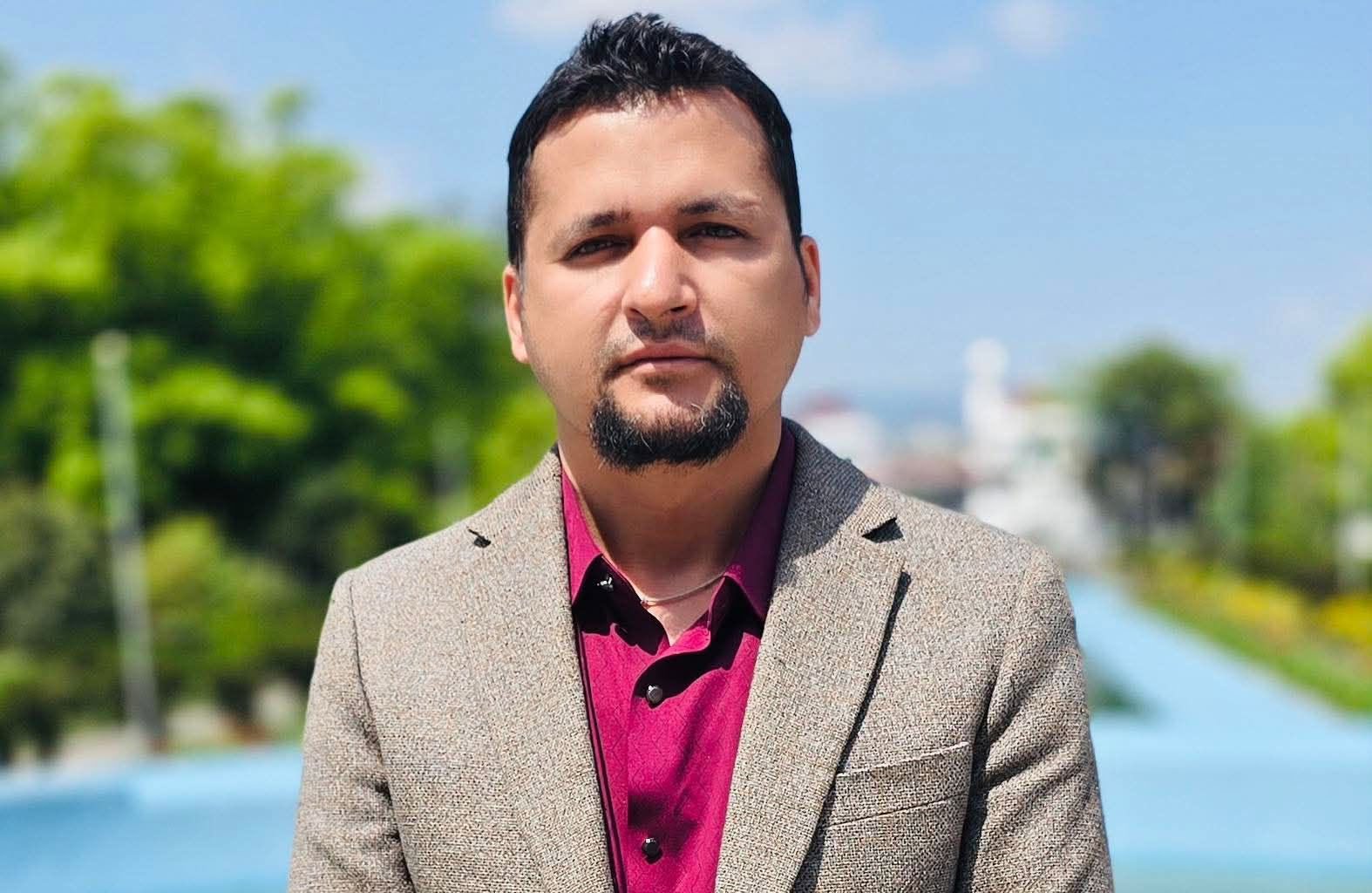
Dipendra Pomu, Chairman of Aathrai Triveni Rural Municipality in Taplejung, states, 'Fuel might be the primary concern in Kathmandu, but our service seekers walk for 3 hours to reach the office. Here, human labor and time are more valuable than petrol. The federal government suggests opening offices at 9 AM, but how can children walk to school at 7 AM?'
Similarly, Chhatrakot Rural Municipality in Gulmi issued a formal letter stating that the Sunday holiday negatively impacts educational quality and has drawn widespread complaints from parents, leading them to continue operating schools under the old schedule.
How to Reach 220 Days?
Education has become the primary reason for local levels defying the federal decision. According to the Education Regulations 2059, schools must operate for at least 220 days in an academic session. Badimalika Municipality in Bajura wrote to the Ministry of Education, stating, 'With the two-day holiday, festivals, and other breaks, it appears there will only be 170-180 days of instruction. This prevents the curriculum from being completed on time and lowers student learning outcomes.'
Kanakasundari Rural Municipality in Jumla and Thulibheri and Mudkechula in Dolpa have also rejected the two-day holiday. In the Himalayan region, there is a 45-day winter break due to cold. These municipalities argue that when winter breaks and weekly holidays are combined, students have no time to study, and thus they have kept schools open on Sundays.
Exercising Constitutional Autonomy
Local levels have linked their stance to constitutional rights. The Constitution of Nepal 2072 grants full authority over basic and secondary education to local levels. Using this authority, Bhaktapur and Changunarayan municipalities ignored the federal government's directive to start the academic session after वैशाख १५ and began classes from वैशाख १. Bhaktapur Municipality argues, 'Education falls under the exclusive jurisdiction of local levels, so the federal government's holiday decision is not mandatory here.'
While some supporters of federalism call this move by municipalities 'courageous and practical,' others have commented that it signals growing anarchy in federalism. According to the National Association of Rural Municipalities and the Municipal Association of Nepal, service seekers in remote areas appear pleased.
They believe it ends the situation where those traveling to the municipality on Sundays for work had to return empty-handed.
'Federal Government Made a Hasty Decision'
Although the federal government used the holiday as a tool to save fuel, it appears they failed to assess the impact on local government performance and the academic calendar. 'The fact that local levels are openly defying the federal decision makes it clear that policies imposed from the center cannot be applied uniformly everywhere,' says Aathrai Triveni Rural Municipality Chairman Dipendra Pomu.
Federalism experts suggest this move by local governments sends a strong message to Singha Durbar. 'When making policies, look at the geography and reality, not just the city seen from the windows of Singha Durbar,' says political science student Subas Shahi. 'Regardless, this dispute is certain to spark new legal or policy debates regarding jurisdiction and holiday management between federal and local governments in the coming days.'
According to him, the decisions made by municipalities regarding their rights will further strengthen federalism.
This specific news has been automatically translated by AI. As a result, there may be some inaccuracies or language errors.