Tensions Flare at Nepal-India Border in Sarlahi Over Vehicle Seizures


Sarlahi. A tense situation emerged on Friday afternoon near Indarwa village in the Sonbarsa police station area of India, located along the Nepal-India border adjacent to Sarlahi district. The dispute began after the Armed Police Force (APF) seized the motorcycle of an Indian citizen who was traveling toward his farmland located on the Nepali side.
Following the incident, outraged Indian citizens retaliated by seizing motorcycles belonging to Nepali citizens, further complicating the situation. Security personnel from both Nepal and India held immediate discussions to control the rising tension. Local sources reported that the situation returned to normal after the APF returned the seized motorcycle following the talks.
According to locals, residents of India's Indarwa and Sonbarsa regions own hundreds of bighas of land in the Nepali areas of Sakhuawa, Nokailwa, Parsa, and Pipra Sareh, where they have been farming for years. Daily cross-border movement has become an integral part of their lifestyle.
However, the dispute has surfaced recently as Nepali security personnel have begun tightening restrictions on the movement of vehicles with Indian license plates. Under existing customs and border security regulations, foreign-registered vehicles must obtain temporary permits (customs passes) to enter Nepal. The enforcement of this rule has impacted residents living in the border areas.
Meanwhile, incidents of Indian locals stopping and pressuring Nepali citizens in retaliation for the customs crackdown have also been reported. A resident of Haraiya in Haripur Municipality, Sarlahi, was reportedly detained for some time in the Sonbarsa area while returning from his in-laws' home in Sitamarhi, India, with locals demanding he force the release of their vehicles in Nepal. He was later able to return to Nepal through local coordination.
Victims have complained that the Nepali security apparatus failed to take effective initiative during this incident. Videos circulating on social media also show some individuals on the Indian side making derogatory remarks against Nepali security personnel.
Amidst this episode, serious concerns regarding citizenship and land ownership have emerged. Some individuals on the Indian side are claiming ownership of several bighas of land within Nepal. During an investigation by Ratopati, a journalist from the Indian side claimed that some Indian citizens have obtained Nepali citizenship and hold land titles within Nepal.
Videos on social media show some individuals in the border area openly claiming to possess Nepali citizenship. If these claims are proven true, it raises serious questions regarding the citizenship system, land management, and national security.
Locals note that while the open border has facilitated marital relations, farming, and movement for years, recent events have increased unease and distrust in the border region.
Stakeholders have pointed out the need for a deep investigation into the citizenship distribution process, land records, and the situation at the border. No formal investigation by the concerned authorities has been announced yet.
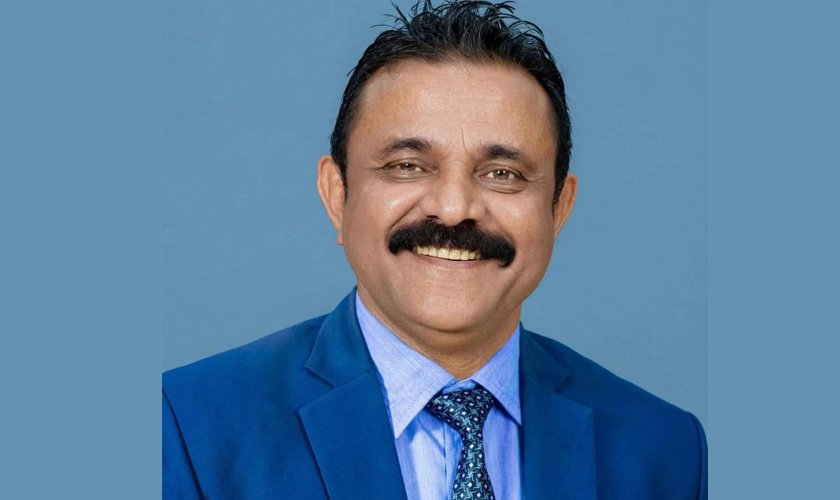
Meanwhile, Madhesh Province Police Chief, Deputy Inspector General (DIG) Govinda Thapaliya, has issued strict instructions to subordinate units not to cause unnecessary hardship to the public at border crossings.
DIG Thapaliya has explicitly ordered an immediate end to unnecessary harassment by police or other relevant parties regarding common goods brought for household use.
He emphasized maintaining peace, security, and citizen-friendly behavior in the border area, urging personnel to be sensitive and ensure that the implementation of rules does not affect the daily lives of the public.
DIG Thapaliya's directive is being viewed as significant, given the growing complaints of public hardship due to recent customs crackdowns at border points.
This specific news has been automatically translated by AI. As a result, there may be some inaccuracies or language errors.