From Classroom to Fields: A Former Teacher's Journey into Modern Agriculture


- Nischal Raj Gautam/ Nepal Photo Library
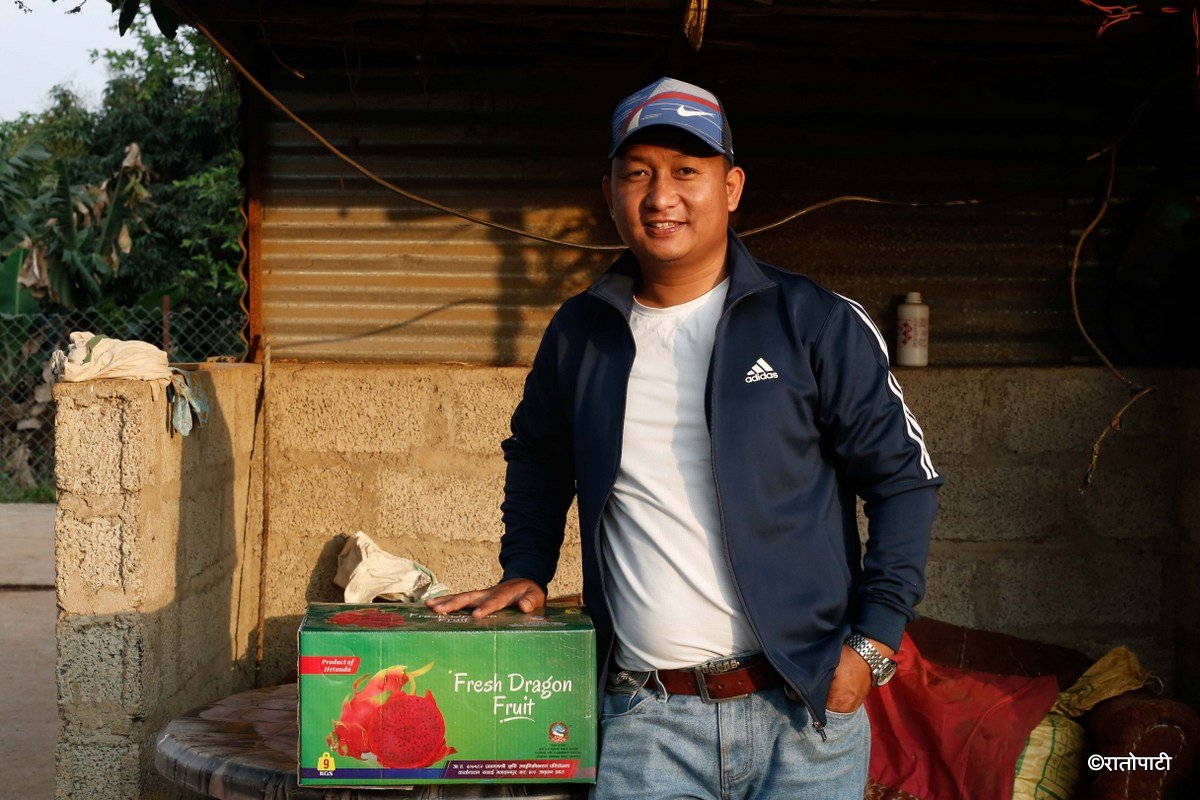
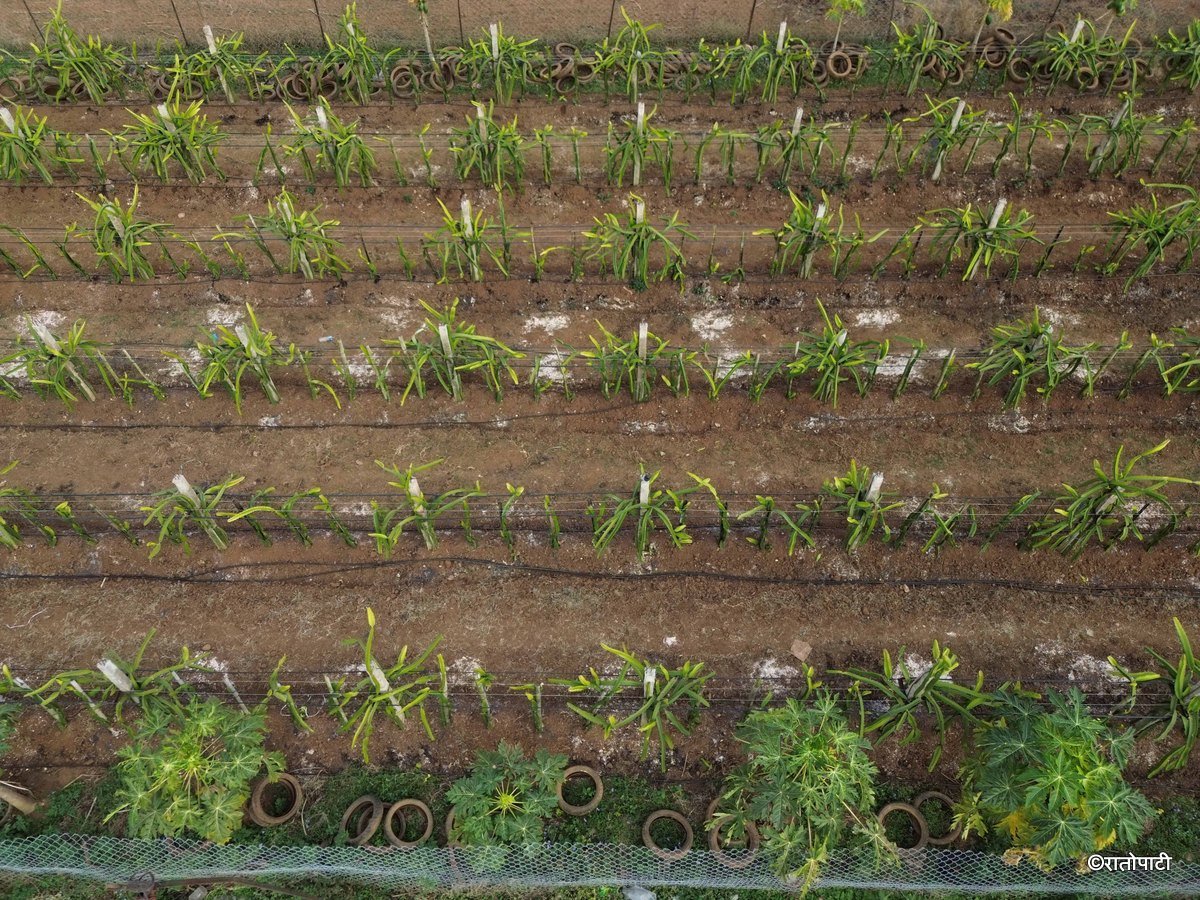
Makwanpur. On a quiet evening in Padampokhari-13, Hetauda, Phenchu Lama observes his dragon fruit plants. Sometimes he is meticulously inspecting the plants, and other times he is giving instructions to his workers.
His demeanor reflects a firm self-confidence—a confidence gathered not just by experience, but by his own resolve. Until a few years ago, he was enjoying his time with students in a classroom; today, he is sharing his experiences with the soil of the field.
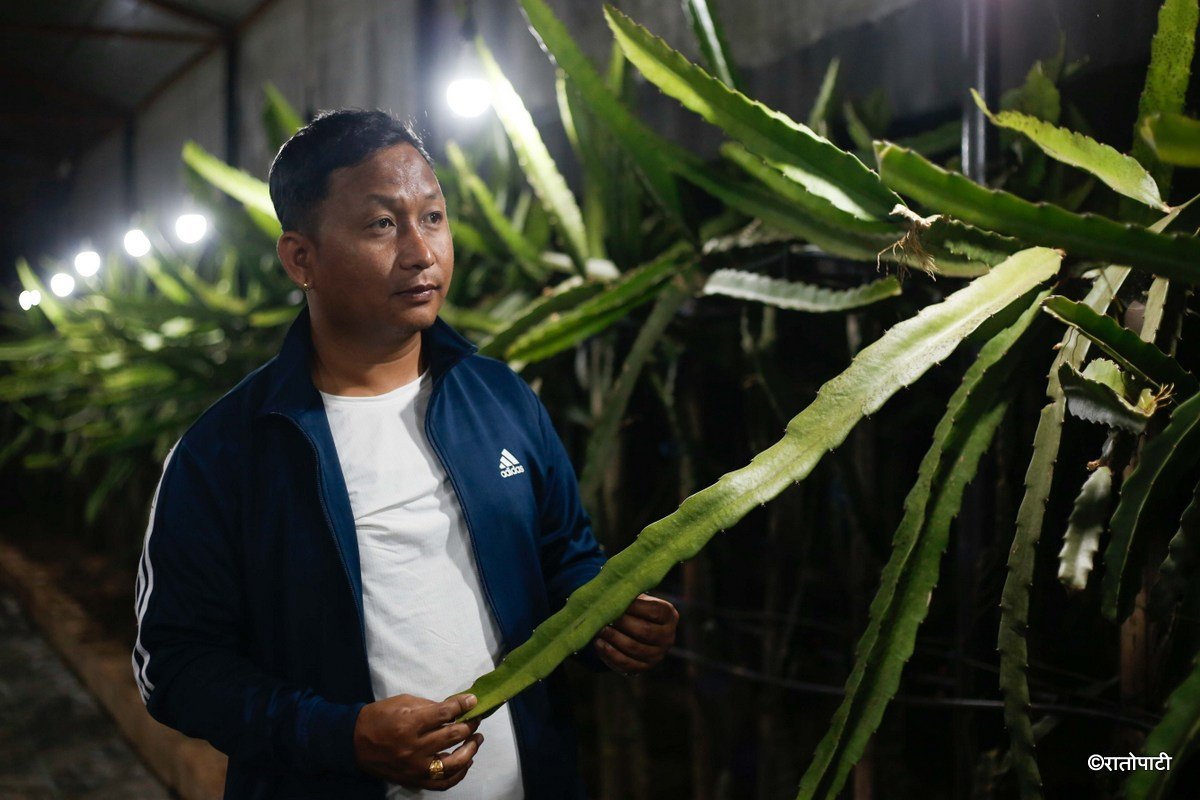
"It has been seven years," says Lama, "Before this, I was in the service sector as a mathematics teacher. Now, I am a farmer."
His journey from teacher to agricultural entrepreneur did not happen suddenly. It is the result of long experience and deep observation. At its center was his father's agrovat shop at Padampokhari Chowk, where farmers would always come seeking solutions to their problems.
"When I sat in the shop, I used to listen to the farmers," he recalls, "Then I started to feel that we must move towards production. Nepal is completely dependent on imports. If we only consume imported goods and do not engage in production, how will change come to the country?"
This question kept nagging him. After spending a long time in the service sector, his urge to do something in the productive sector grew. He was looking for new opportunities. At that time, he saw potential in the agricultural sector—the high value of dragon fruit, improved breeds of Boer goats, and the growing demand for marigold flowers. "If there is demand in the market, why shouldn't we produce it?" he asks.
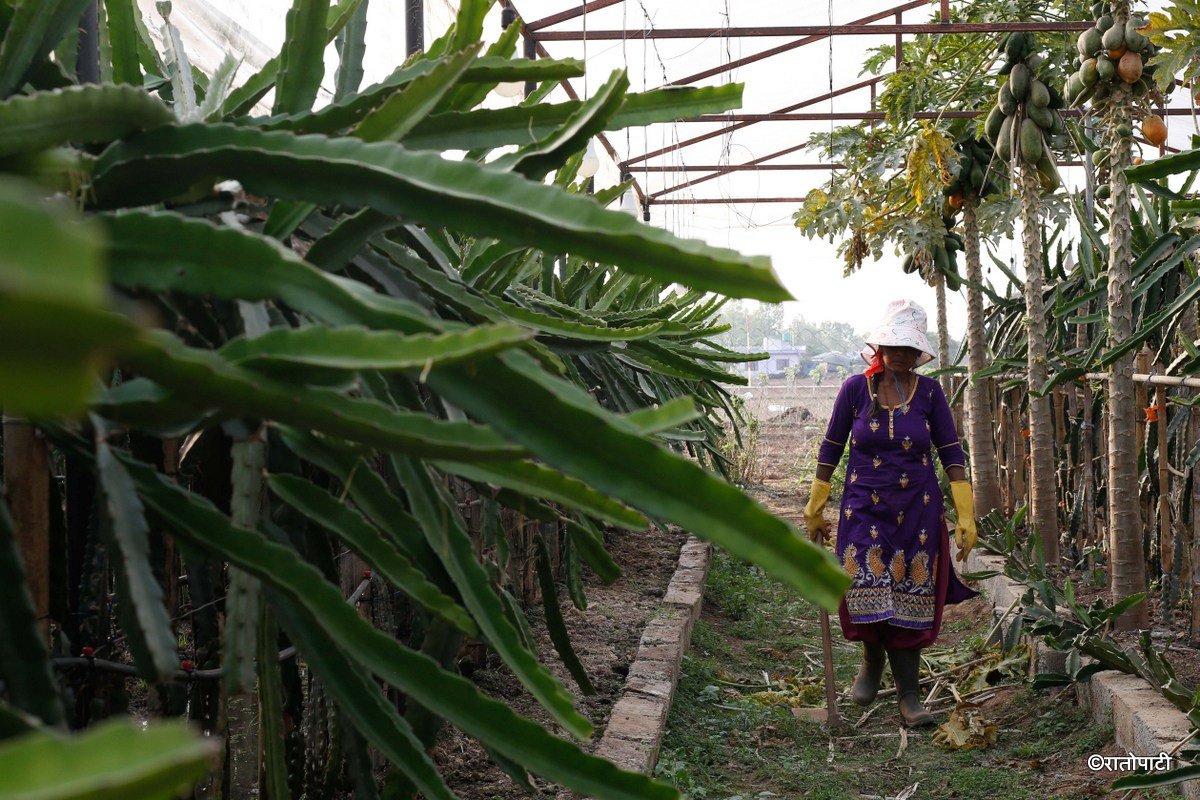
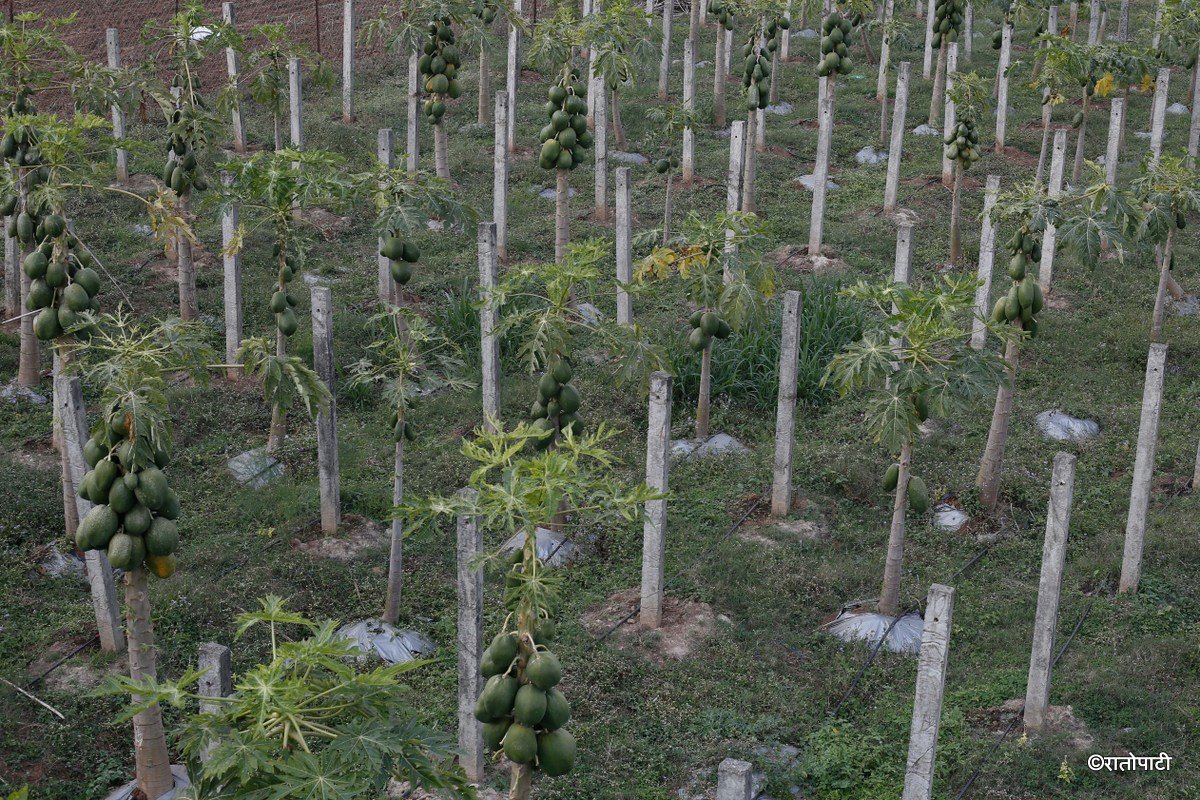
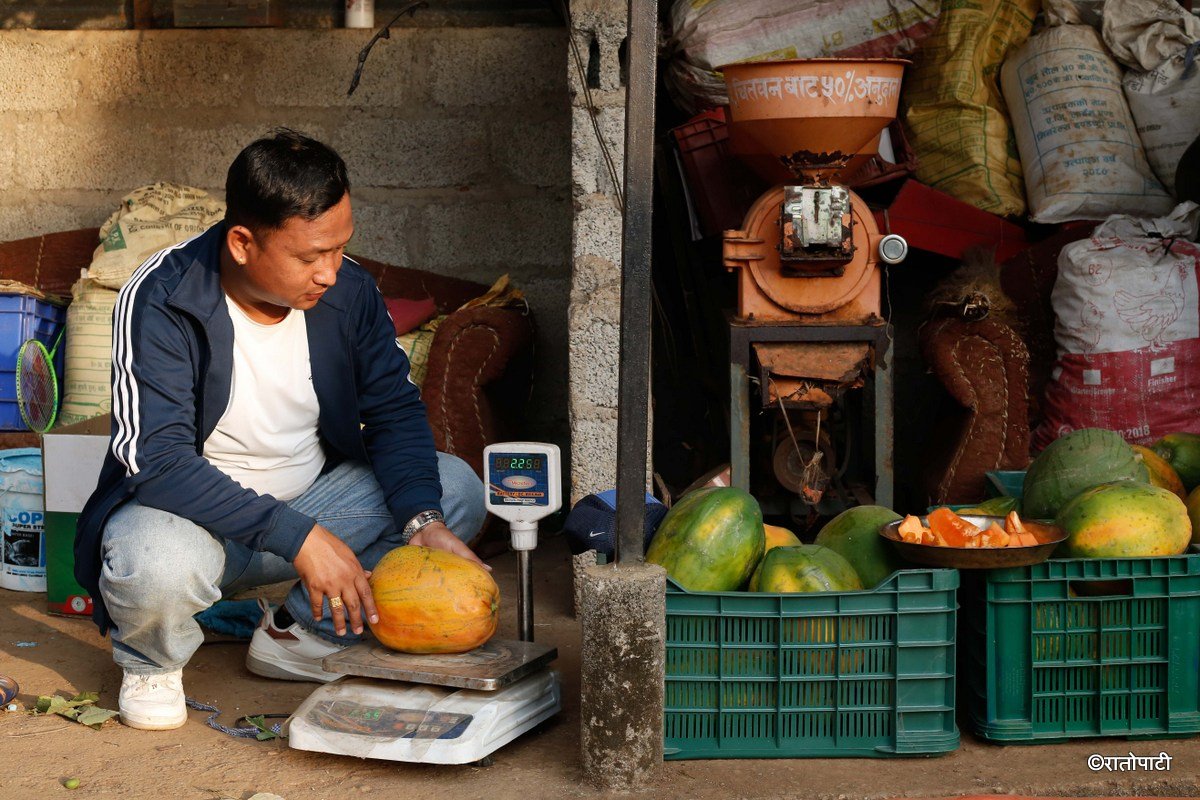
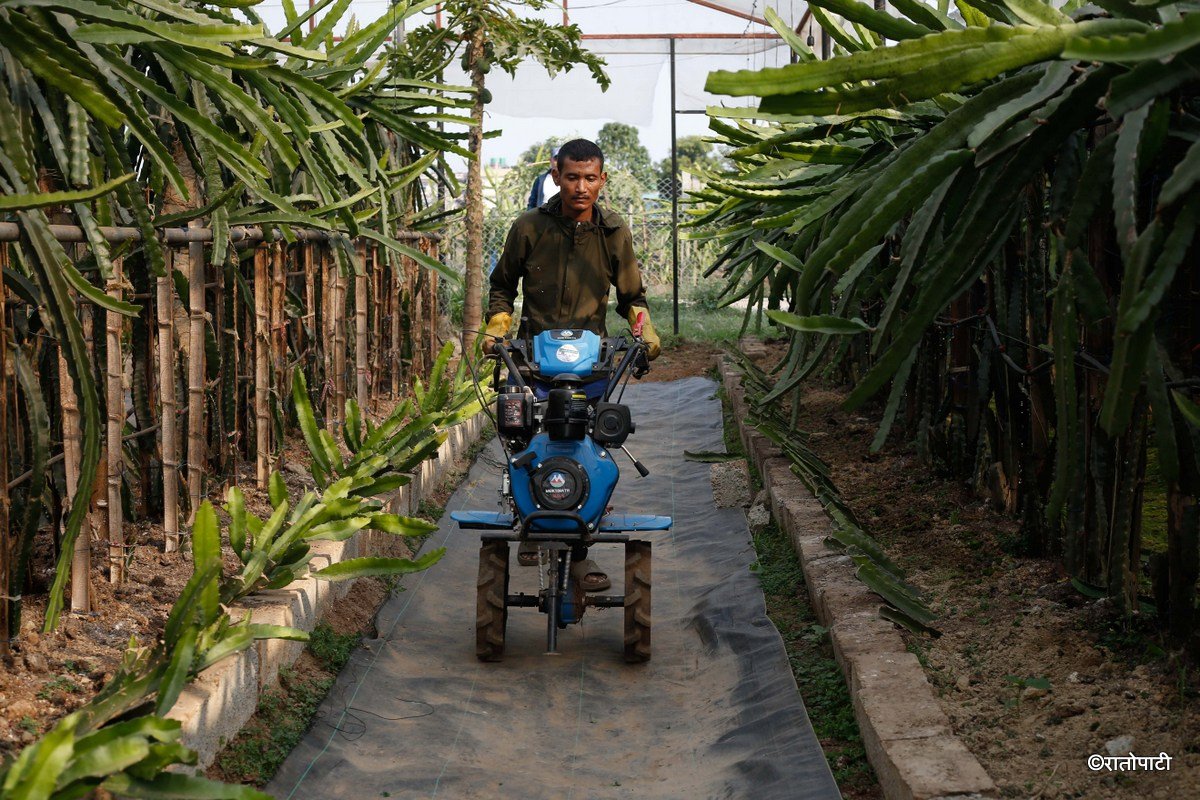
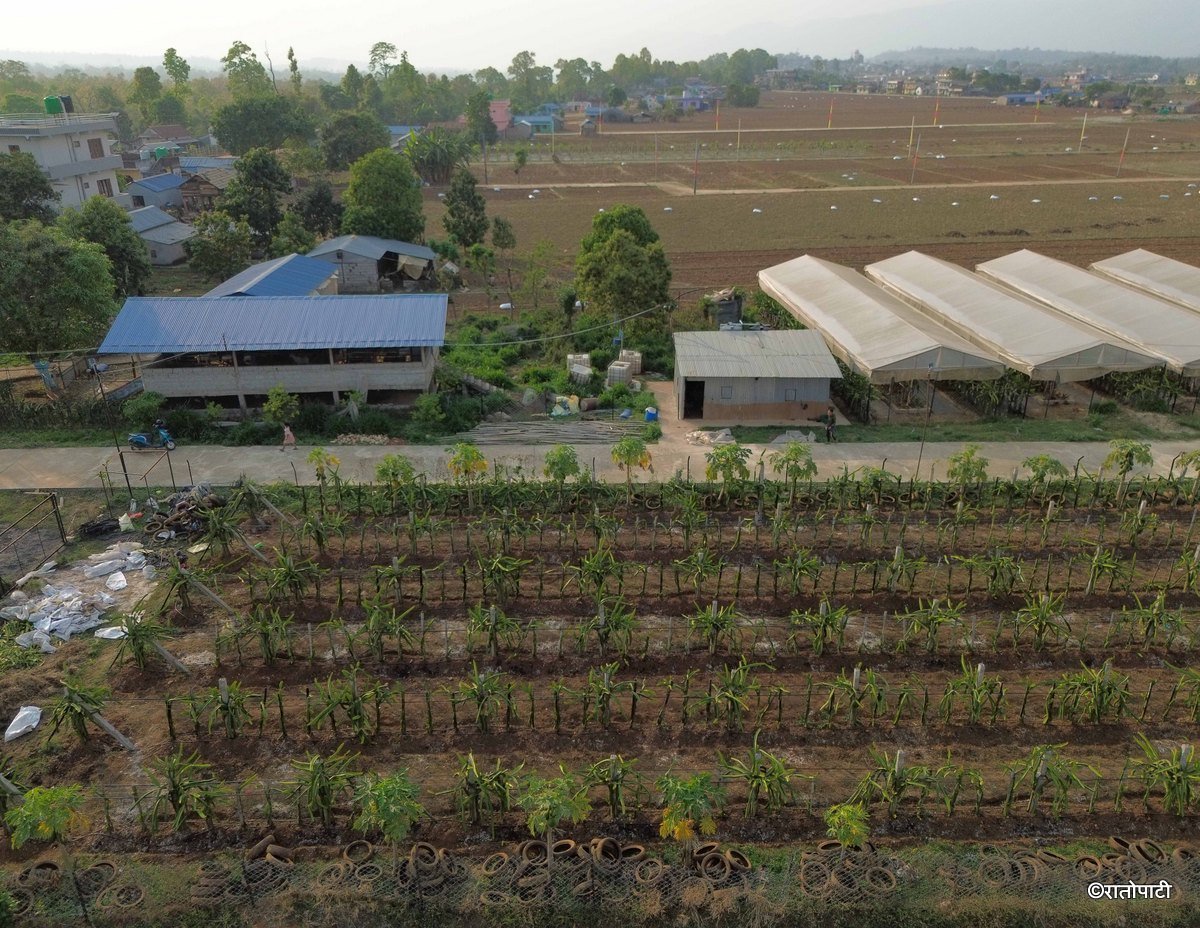
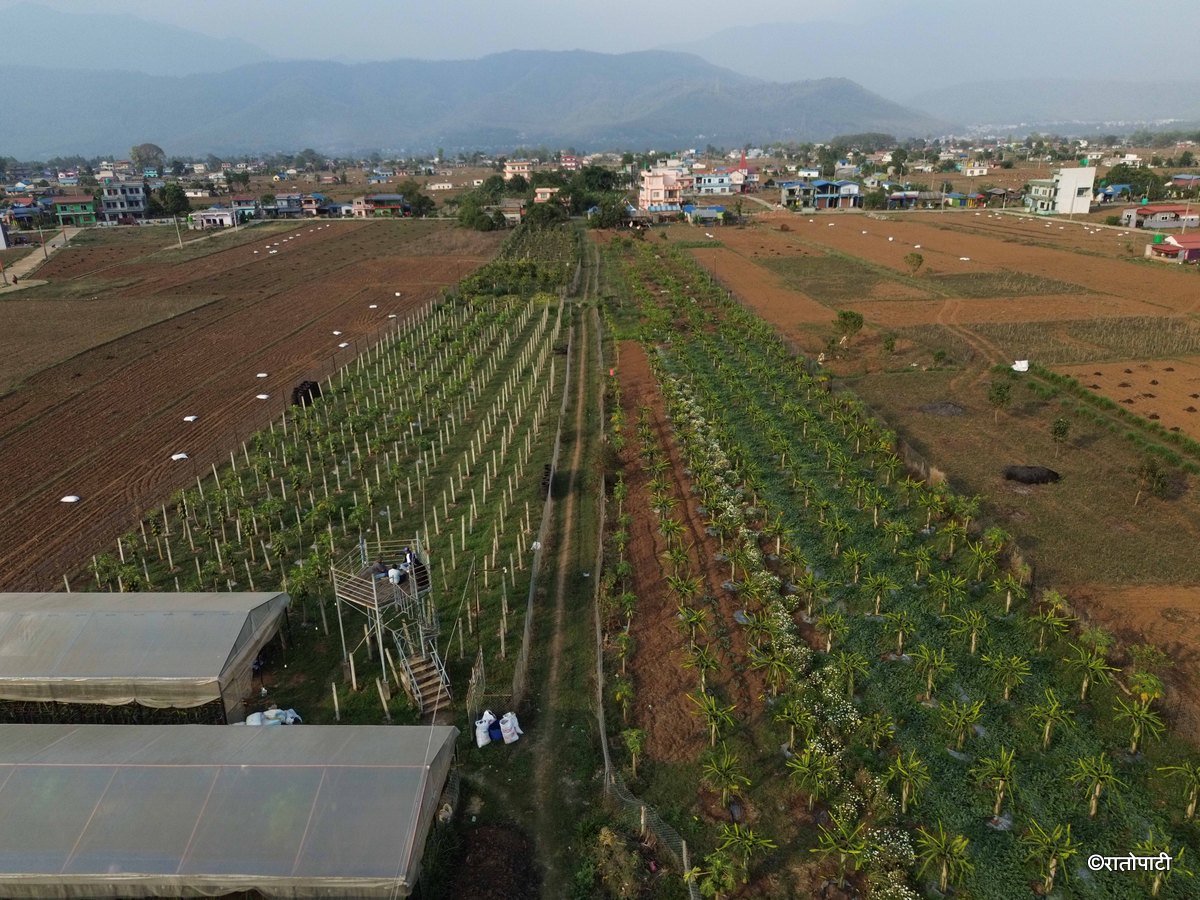
As a result of that positive thinking, 'M.N.S. Agro Pvt. Ltd.' was born. Spread over about 1.5 bighas of land, this farm now commercially produces dragon fruit, papaya, watermelon, and marigold flowers, in addition to goat farming. What started as a small effort has now turned into an organized agricultural enterprise. The main source of income for this farm, which has an investment of about 40 million rupees, is dragon fruit.
However, Lama's farming is not limited to traditional crop production; it is also a successful exercise in new experiments and building modern systems.
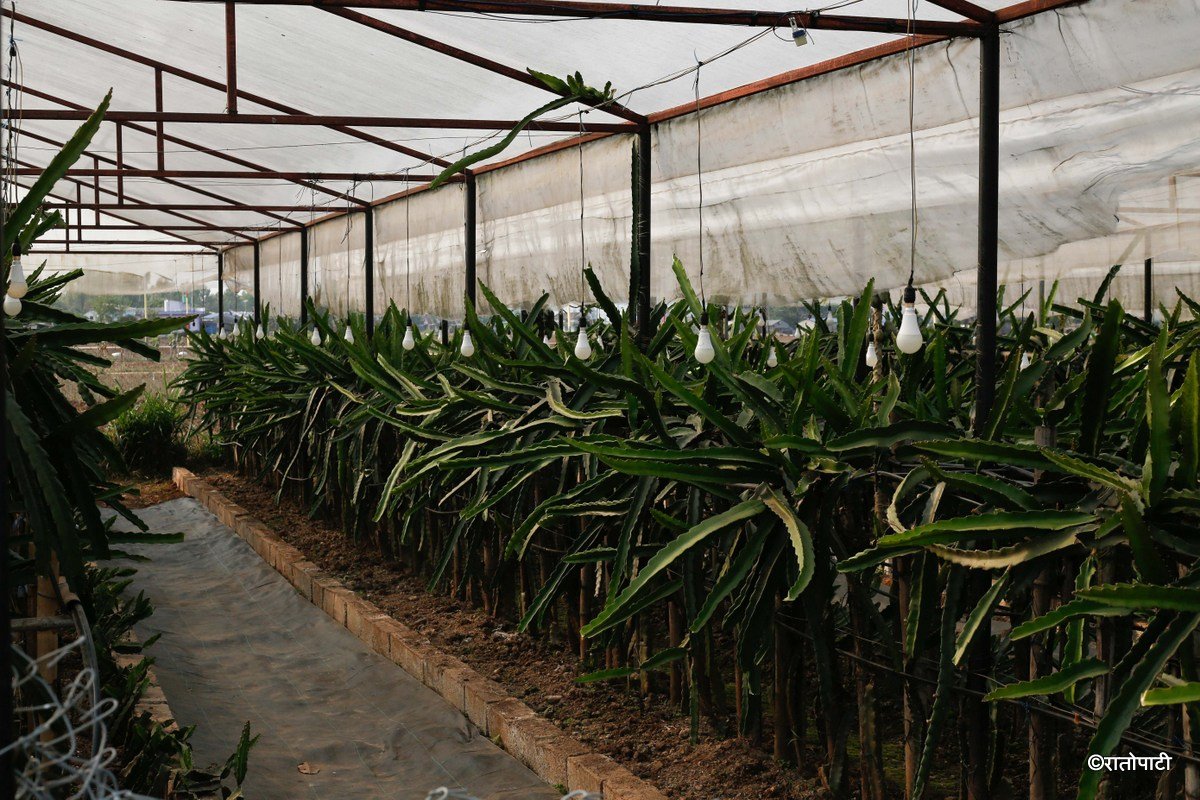
He has adopted innovative technology in dragon fruit farming. Artificial lights are used to increase production even in the off-season. An automated system has been set up where lights turn on and off by themselves through sensors. Additionally, he is gradually transforming the cultivation from the traditional 'pole' system to a 'trellis' system, which improves both production and management. "Even a small technical change makes a big difference," he says.
However, this journey was not as easy as he thought. It takes at least five years of patience to get commercial production from a crop like dragon fruit. Natural risks are equally high. Birds cause up to 10 percent damage when the fruit is ripening, and some serious fungal disease outbreaks are also seen. He has faced problems like plants turning yellow, stunted growth, and reduced fruit production due to diseases. Facing these challenges, he says, "We are managing this; 'bird nets' are being used to protect from birds and 'bagging' is being done to keep the fruits safe."
This farm is entirely based on family manpower and knowledge. His father is active in it with technical experience, while his wife has studied agriculture. After completing his master's degree, Lama himself studied JTA and took special training related to agriculture. Apart from the family, there are four permanent workers on the farm, and additional daily wage workers are hired during the main season. "This is not my effort alone," he says, "We have also trained others to become skilled enough to work in agriculture."
Lama's tireless hard work has also gained good recognition. He has received various excellent farmer awards from the local level to the provincial and national levels. Every encouragement has become an inspiration for him to start new work.
In the coming days, he plans to move towards processing rather than just production. "Juice, candy, and wine can be made from dragon fruit," he says, "Nothing produced should go to waste."
However, he is also aware of the systemic problems in the agricultural sector. Not getting fertilizer on time, lack of quality seeds, the hassle of agricultural insurance, and the lack of a stable market are still the main challenges for farmers today. He points out that government policies to protect farmers, setting a minimum support price for agricultural produce, and access to digital markets are urgently needed.
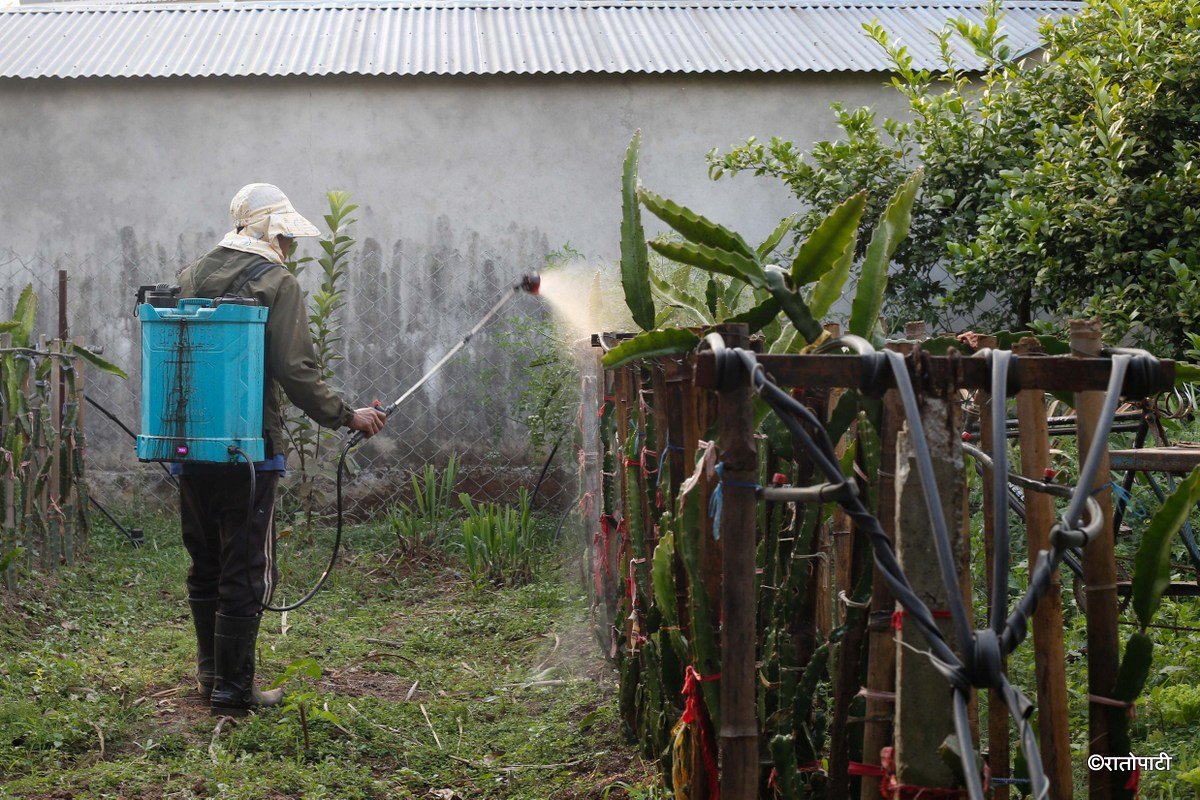
Lama does not want to be just an example of individual success. He emphasizes that all youth should realize the true meaning of the 'agricultural country' that the Nepali soil carries. "The state should pay special attention to the agricultural sector," he is clear, "I worked in the service sector for many years, now I want to spend my remaining energetic time in the soil and agricultural work."
This specific news has been automatically translated by AI. As a result, there may be some inaccuracies or language errors.
_jxKX1kXOlf.jpg)

_htFaNqpIDJ.jpg)