FNCCI Vice President Hemraj Dhakal Urges Two-Year Delay in Nepal's LDC Graduation

_xwO5O9rRXe.jpg)
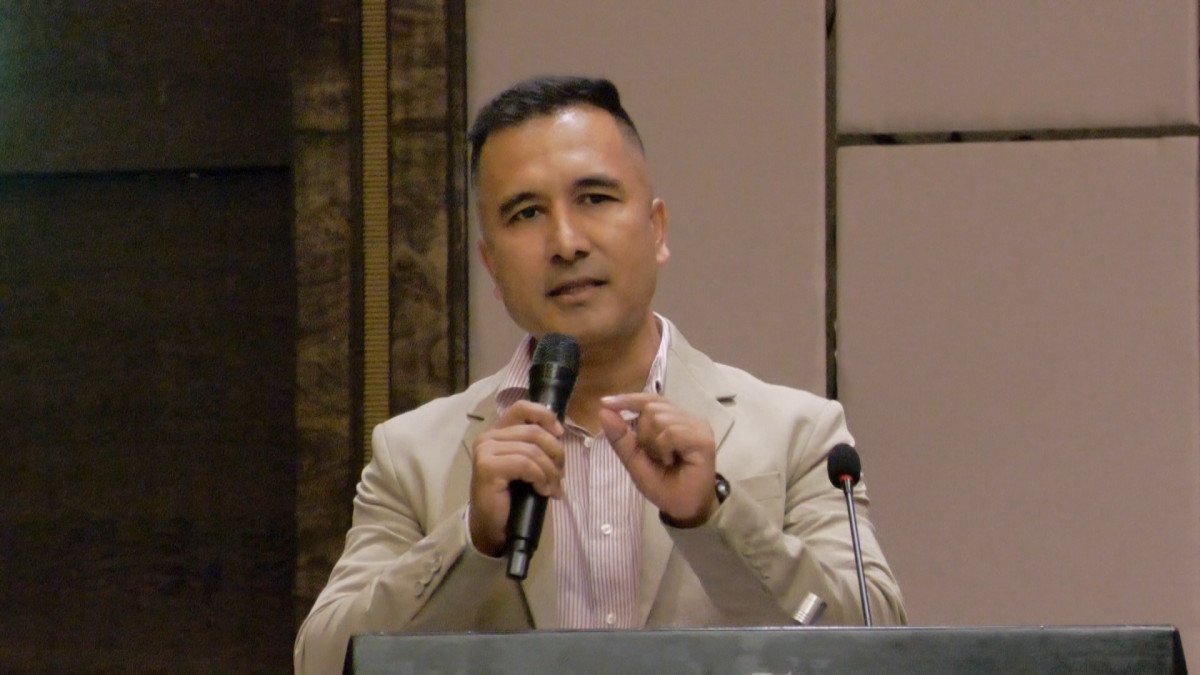
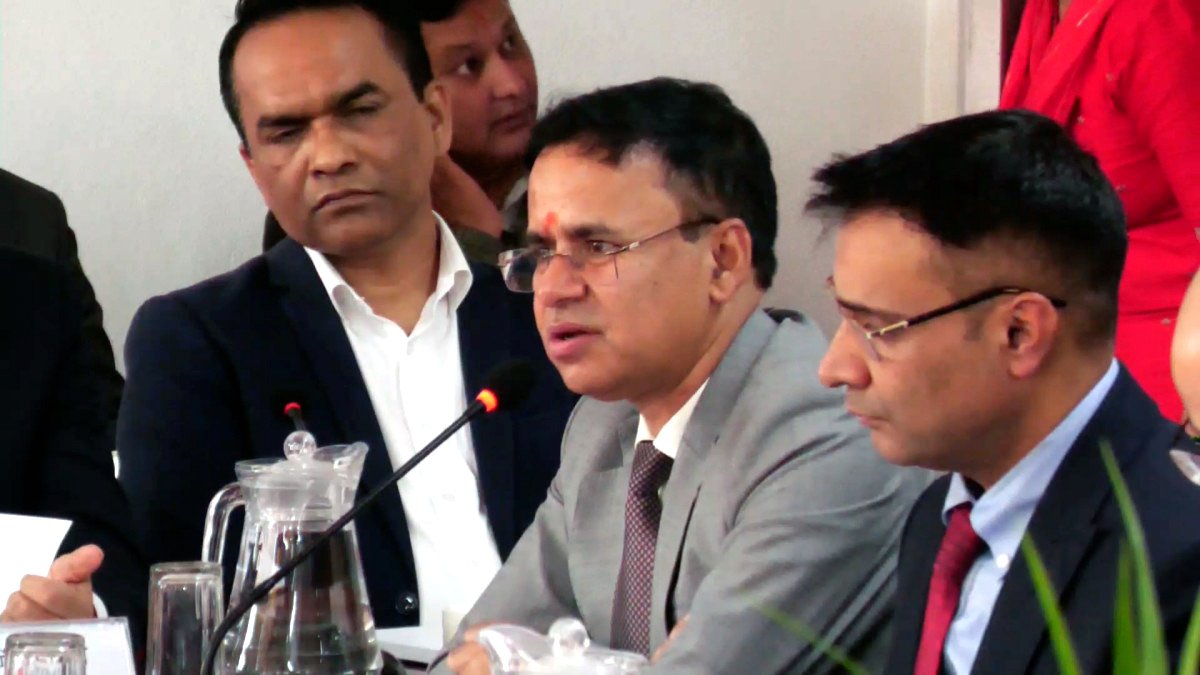
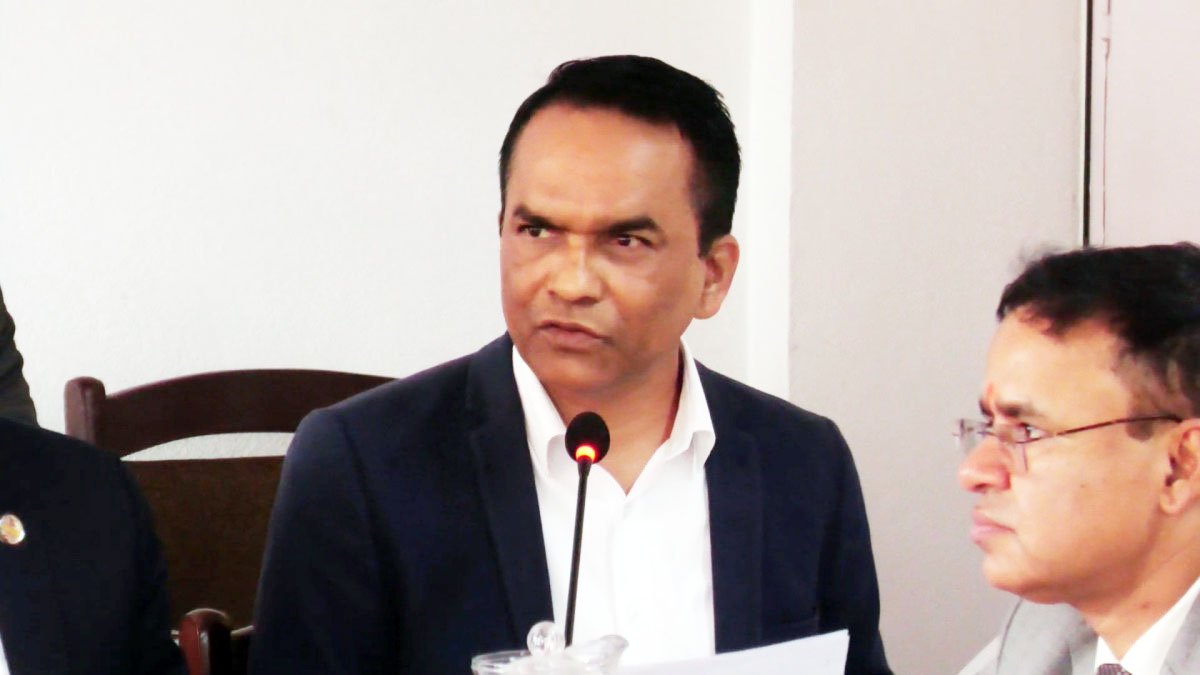
KATHMANDU. Hemraj Dhakal, Vice President of the Federation of Nepalese Chambers of Commerce and Industry (FNCCI), has called for a two-year postponement of Nepal's graduation from the Least Developed Country (LDC) status. He warned that due to political instability and a lack of internal preparedness, the private sector and the overall economy would face significant challenges if the graduation proceeds as scheduled.
Speaking at an event organized by the Nepal Garment Association, Dhakal emphasized that Nepal should follow the path of Bangladesh, which has already applied to defer its graduation. He identified the lack of infrastructure for export promotion and high logistics costs as the primary obstacles.
He expressed concerns over the ineffective warehouse and scanning services at the international airport, cumbersome customs procedures for exhibition goods, and exorbitant transportation costs. Vice President Dhakal pointed out the lack of subsidies, incentives, and professional customs services for export-oriented industries.
He noted that while Nepal has export potential in sectors ranging from cement, stone, and gravel to high-value agricultural and food products, the government has failed to establish clear routes and policies. He stated, 'Due to our political instability, we are not prepared, so the government must take the initiative to postpone this by two years. Currently, we have to pay $3 per kg for cargo shipping; if we had a large airport like Nijgadh, this cost could drop to $1. While neighboring countries have already built Asian Highways, we are just starting. This has made our cost of doing business expensive. We are not ready ourselves. We have to graduate sooner or later, but both the government and the private sector must be well-prepared before doing so.'
Referring to the upcoming FNCCI elections, he urged the private sector to remain united rather than divided to engage in dialogue with the government. He emphasized the need for special protective policies to safeguard sectors like pashmina and garments, which provide significant employment and generate foreign currency, even after graduation.
Additionally, he stressed the need to further empower the Trade and Export Promotion Center (TEPC) and continue prestigious programs like 'CIP' to encourage exporters.
This specific news has been automatically translated by AI. As a result, there may be some inaccuracies or language errors.