CNI President Warns of Challenges for Nepal's Garment Industry Post-LDC Graduation


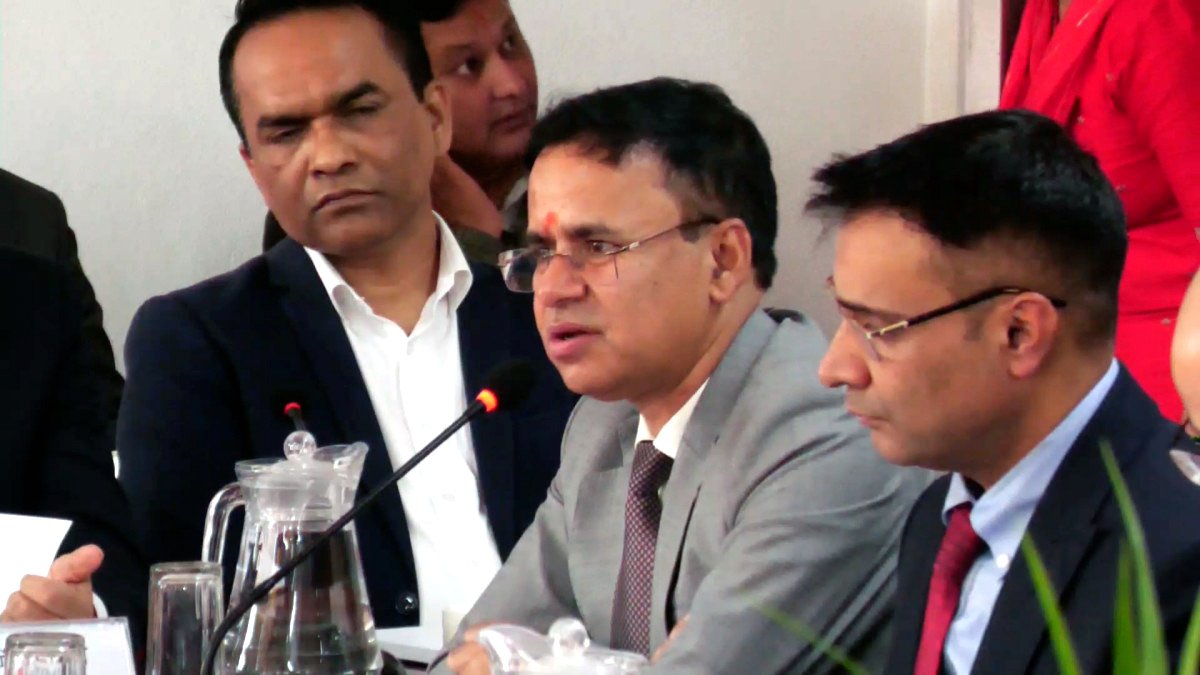
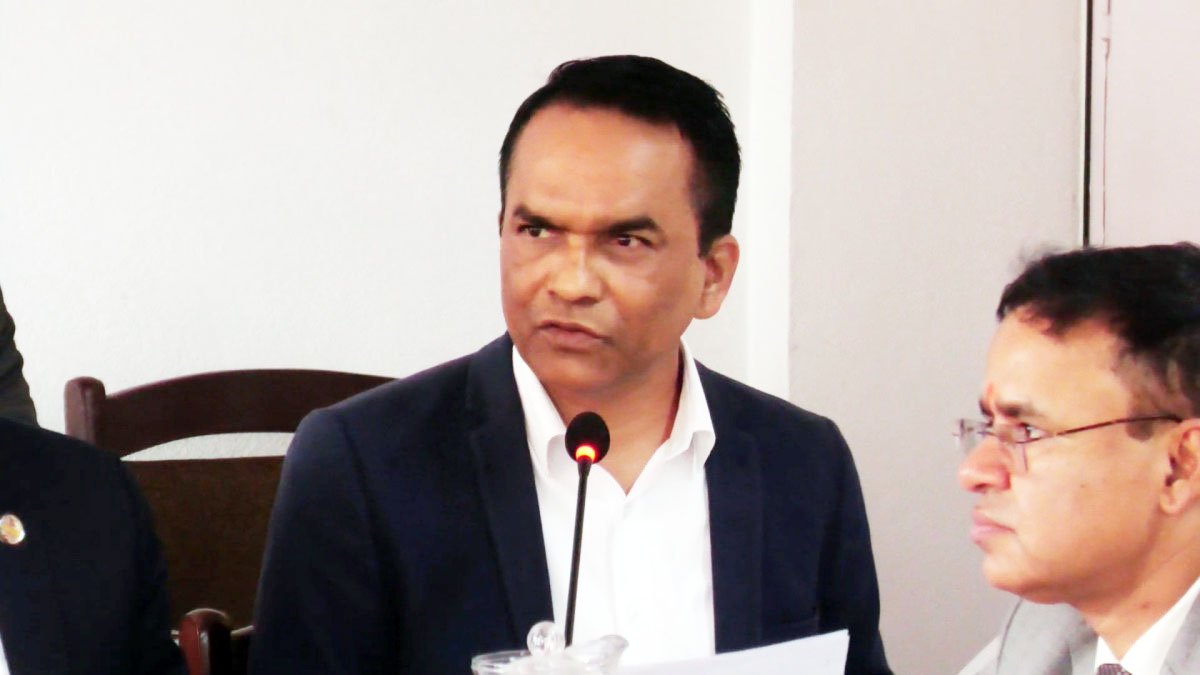
Kathmandu. Confederation of Nepalese Industries (CNI) President Birendraraj Pandey has stated that Nepal's garment industry will face serious challenges following the country's graduation from the Least Developed Country (LDC) status.
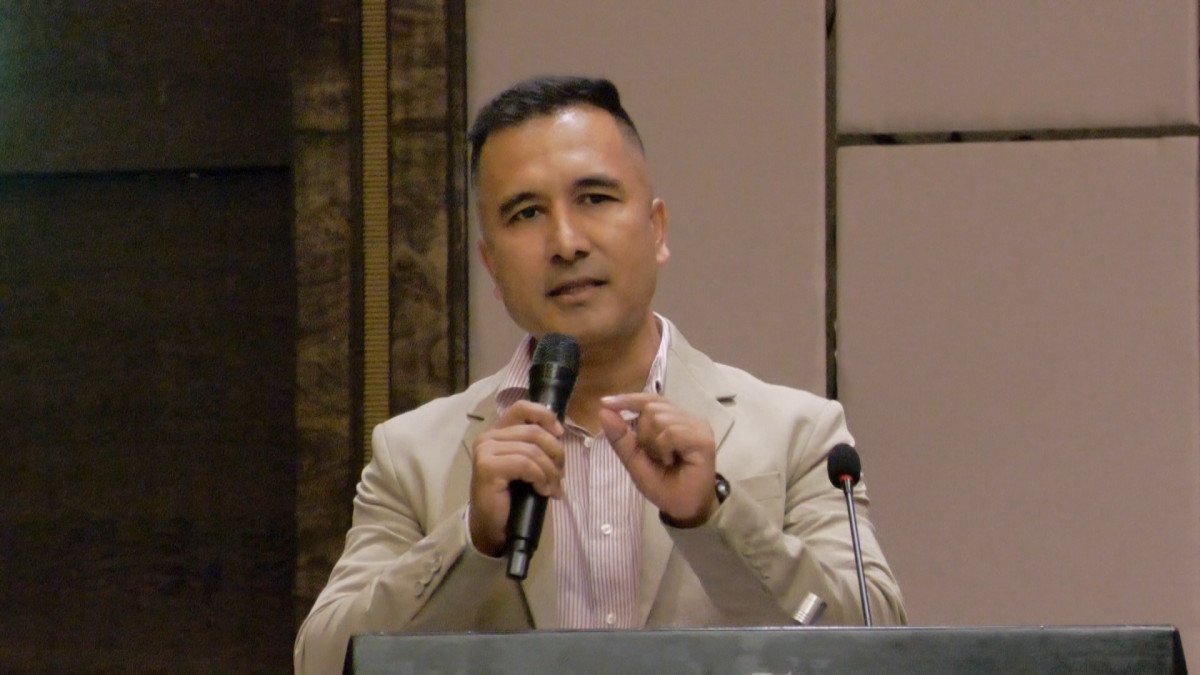
Speaking at an interaction program titled 'Challenges and Opportunities for Garment Export Promotion After LDC Graduation' organized by the Nepal Garment Association, President Pandey expressed deep concern regarding Nepal's industrial state and its preparedness for the transition. He noted that the manufacturing value-added component in Nepal's Gross Domestic Product (GDP) remains below 5 percent.
He argued that the manufacturing sector's share of employment at only 7 percent indicates weak formal job creation. He also contended that Nepal lags significantly in terms of cost competitiveness. He pointed out that while logistics costs in Nepal reach 28 to 30 percent of product value, they are only 14-16 percent in India and 10-12 percent in Vietnam.
Questioning Nepal's readiness for LDC graduation, Pandey cited the example of Bangladesh. He warned that the Free Trade Agreement (FTA) being negotiated between India and the European Union (EU) would significantly impact Nepal. The textile sector accounts for 75 percent of Nepal's total exports to the EU, and he stated that if India secures zero-tariff access to the EU, Nepali products will be unable to compete.
Furthermore, he highlighted that shifts in trade relations between India and the United States would also affect Nepali exports. Pandey noted that despite Nepal developing a 'Smooth Transition Strategy' (STS), there has been little progress in increasing productivity, reducing costs, and improving the business environment.
President Pandey urged the government and stakeholders to move forward with national resolve and create an environment where no industrial sector is adversely affected by the graduation.
This specific news has been automatically translated by AI. As a result, there may be some inaccuracies or language errors.