Lawmakers emphasize national unity and parliamentary effectiveness in House session

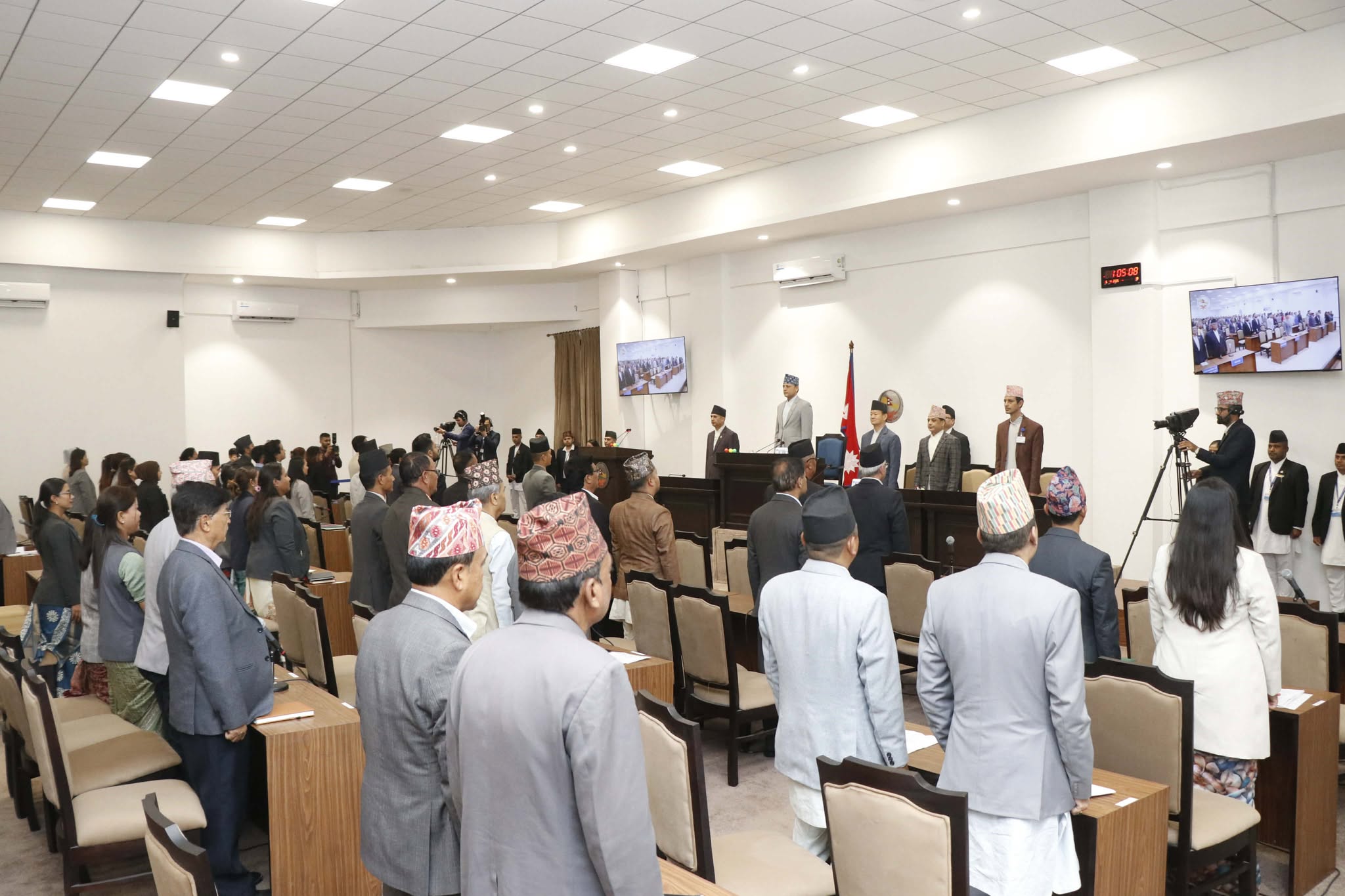
Kathmandu. Lawmakers from both the ruling and opposition parties have emphasized the need to set aside ideological differences and stand united in favor of national interest.
During the special session of the House of Representatives today, members from both sides stated that the Parliament should be developed as a platform to amplify the voices of the people.
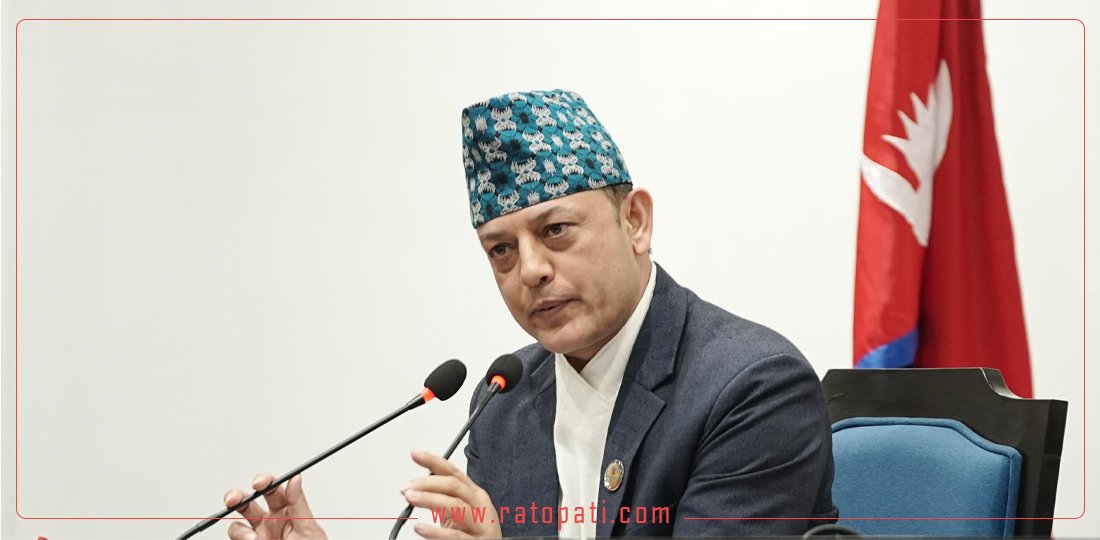
Rastriya Swatantra Party (RSP) lawmaker Kabindra Burlakoti expressed confidence that the Speaker would play a pivotal role in strengthening the House, the government, and the overall system. "The House not only has new faces but also lawmakers with the determination to transform the country. I hope the House, under the leadership of the newly elected Speaker, will be able to fulfill public expectations," he said.
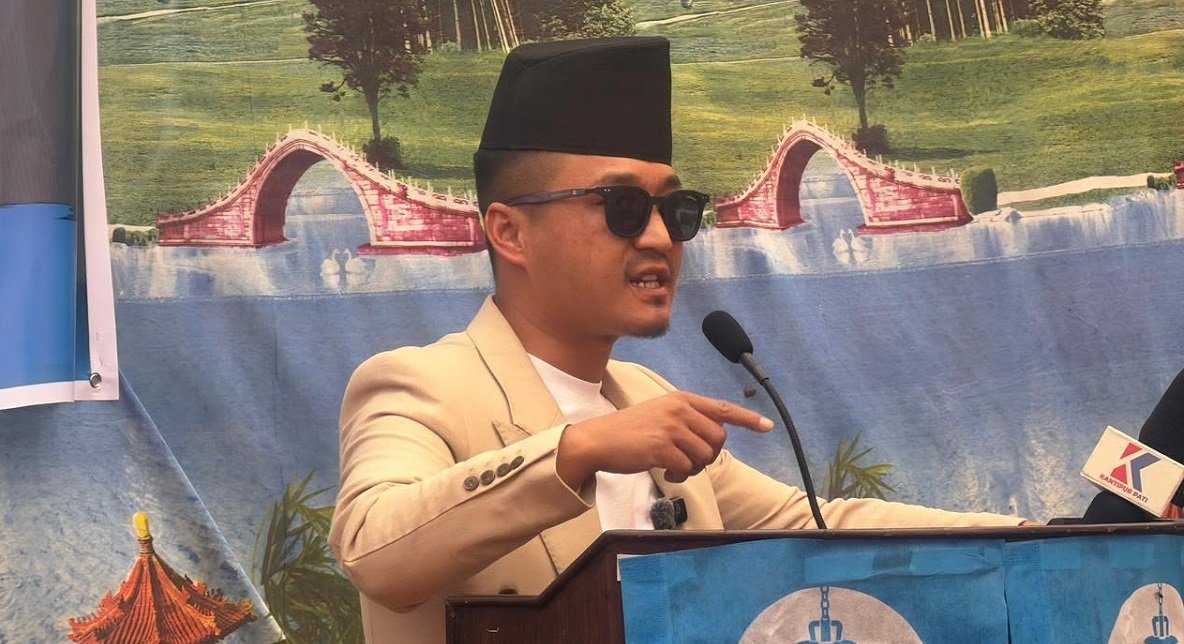
RSP lawmaker Manish Jha emphasized that the Parliament should function as a gurukul and a university rather than just a tea shop, urging lawmakers to play an active role on behalf of the public. "If the people's questions do not exist in the House, the people themselves will enter the House, as we witnessed on Bhadra 24," he said. "I urge everyone to fulfill their responsibilities by acknowledging the rebellion of the new generation."
Nepali Congress lawmaker Arjun Narsingh KC stated that the more effective the Parliament becomes, the stronger democracy will be. "Democracy remains vibrant only when the voice of the opposition is strong, effective, and constructive," he said.
Lawmaker KC noted that democracy is a process of debate and dialogue, adding that the bitterness of ideological differences should not be viewed as enmity. He said, "Regardless of our individual views and perspectives, we are all committed to our parties, but nationality is greater than any party, and there is a need to be united on that front now."
CPN (UML) lawmaker Ain Bahadur Mahar urged the government to rectify its decision to dissolve student organizations that advocate for student rights. Citing the presence of student organizations in prestigious universities worldwide, he argued that by banning them, the government is attempting to display authoritarianism. UML lawmaker Bishnumaya BK drew the government's attention to the need for a plan to reduce violence against women through digital platforms.
CPN (Maoist Centre) lawmaker Yubaraj Dulal suggested that the Speaker develop the Parliament into a venue that works for the people. Noting that the new generation has campaigned to change the country's situation, he said the government should focus on establishing a socialism-oriented state system.
Shram Sanskriti Party lawmaker Dhurba Raj Rai stated that the government, formed under the leadership of a party that received nearly two-thirds of the vote, must be able to fulfill the public's aspirations for development and prosperity. Rastriya Prajatantra Party lawmaker Khusbu Oli demanded that the government inform the House about the large amount of concessional loans accepted from the Asian Development Bank and the World Bank for the 'Digital Nepal Transformation Project' and 'Sustainable and Inclusive Finance'.
RSP lawmaker Ganesh Parajuli stated that the government should not be stingy in its efforts to listen to and address the voices of the people. RSP lawmaker Nisha Dangi mentioned that the public gave an unprecedented mandate to the RSP due to a strong desire for change, and that the party must move forward by respecting that mandate.
RSP lawmaker Ram Lama stated that the public mandate expressed through the election is not just political support but a clear message of accountability, and that they must work to fulfill public expectations. RSP lawmaker Khagendra Sunar stated that the situation where citizens lose their lives unnecessarily due to caste-based discrimination must now come to an end.
This specific news has been automatically translated by AI. As a result, there may be some inaccuracies or language errors.