Escalating Middle East Conflict Triggers Global Economic Alarm

Kathmandu. As the ongoing war in West Asia intensifies, military strikes, counter-strikes, and economic repercussions are escalating simultaneously. The conflict, spreading across Israel, Iran, Lebanon, and the Gulf region, has created severe pressure not only on regional security but also on the global economy.
Following Iran's missile strike toward Israel on Thursday morning, Israeli air defenses reportedly attempted to intercept the projectiles. Some impacts were reported in central Israel, leaving at least four people with minor injuries. Previously, Israeli emergency services reported that 14 people, including an 11-year-old girl, were injured in an attack near Tel Aviv.
To the north, the Lebanon-based Hezbollah group claimed to have launched drone and rocket attacks on northern Israel. The Israeli military confirmed that sirens were sounded in border areas, though no major damage or casualties have been reported yet. The rising tension on the Lebanese border signals the activation of a separate front.
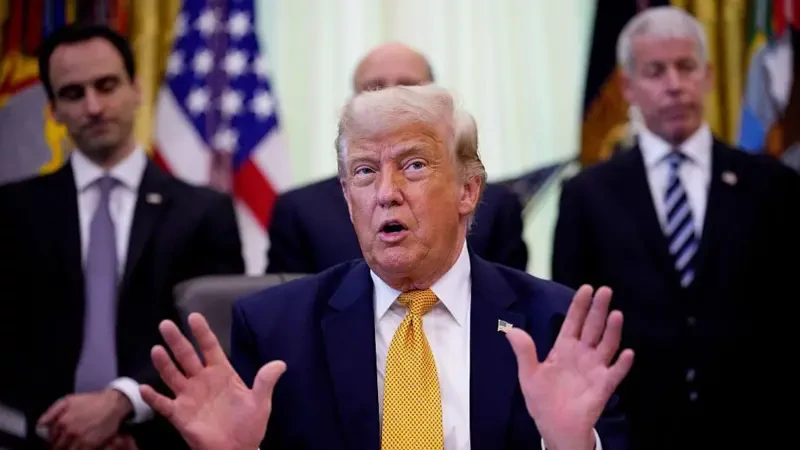
Meanwhile, U.S. President Donald Trump has announced that military operations against Iran will be intensified. He warned that 'extremely severe' attacks would continue for the next two to three weeks, threatening to target energy infrastructure if Iran does not reach an agreement. This stance has drawn criticism, with concerns that such attacks could violate international law.
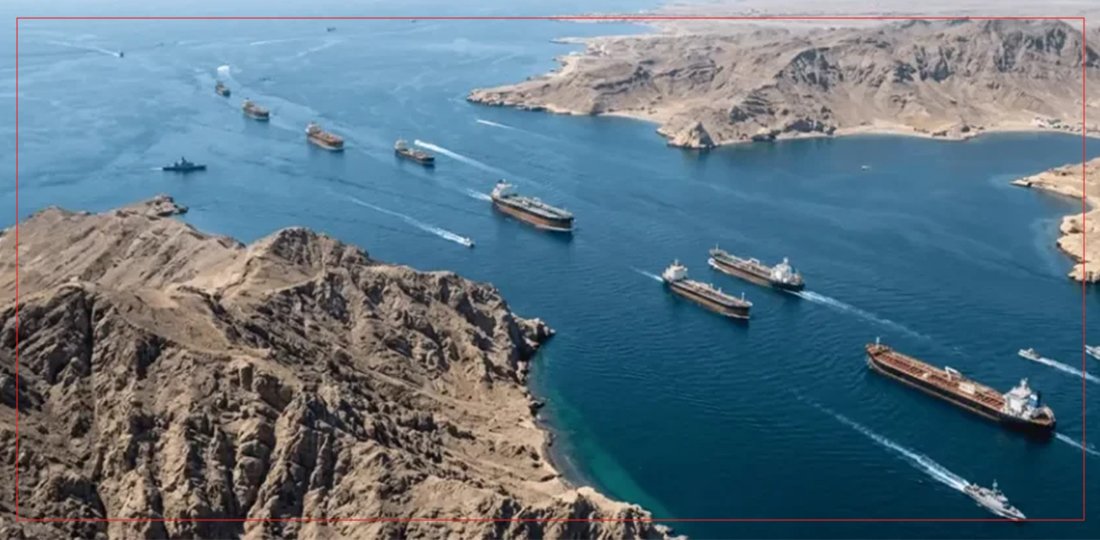
The impact of the war is directly visible in energy markets. Brent crude oil prices rose by nearly seven percent to $108.15 per barrel, while West Texas Intermediate increased by more than five percent to $105.65. Analysts suggest that uncertainty surrounding the Strait of Hormuz has triggered further volatility in global markets.
Iran has rejected U.S. demands, labeling them 'maximalist and irrational.' A spokesperson for the Iranian Foreign Ministry clarified that while messages have been exchanged through various intermediaries, there have been no direct talks with the U.S. Iranian President Masoud Pezeshkian questioned whose interests the 'America First' policy truly serves and accused the U.S. and Israel of war crimes.
The Gulf region is also caught in the conflict. The United Arab Emirates stated that its air defenses are responding to missile and drone threats. Since the war began, Gulf nations have been at risk of Iranian counter-attacks, adding further challenges to regional stability.
Australian Prime Minister Anthony Albanese remarked that there is no clear 'end point' to the war. He noted that while initial objectives were claimed to be met, it remains unclear what is being sought now. He warned that as the war drags on, its impact on the global economy will deepen.
In this context, the World Bank has expressed serious concern regarding the impact on inflation, employment, and food security. Efforts are reportedly underway to manage the crisis through increased cooperation between the World Bank, the International Monetary Fund, and the International Energy Agency.
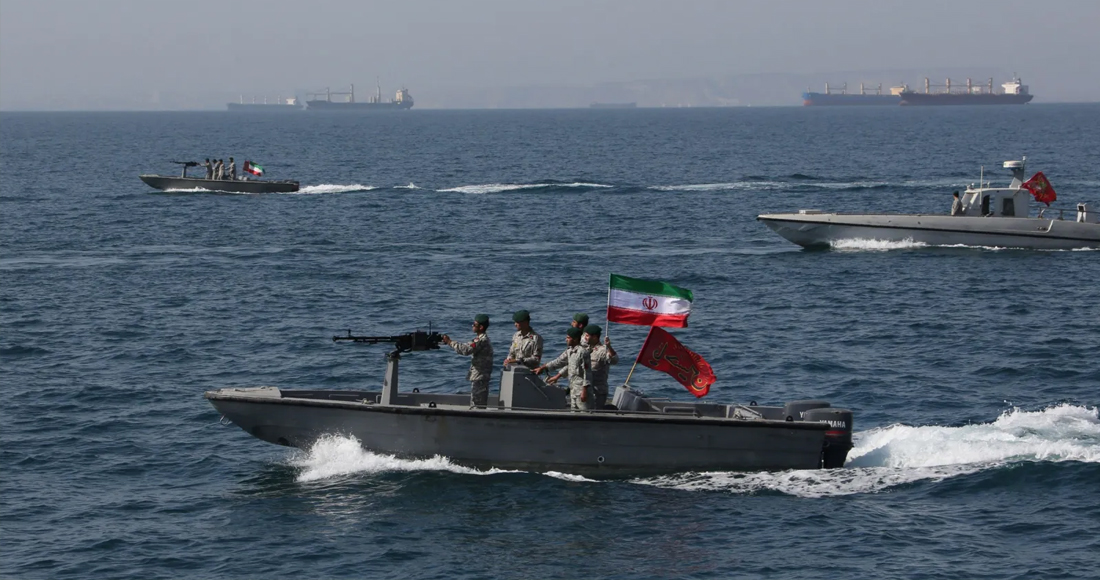
Iran's Revolutionary Guards have reiterated their stance that the strategic Strait of Hormuz will remain 'closed to enemies.' This route's reopening is reportedly one of the U.S. conditions for a ceasefire.
This specific news has been automatically translated by AI. As a result, there may be some inaccuracies or language errors.