Elderly Gandharva Couple Sustains Livelihood by Playing Sarangi on Public Transport


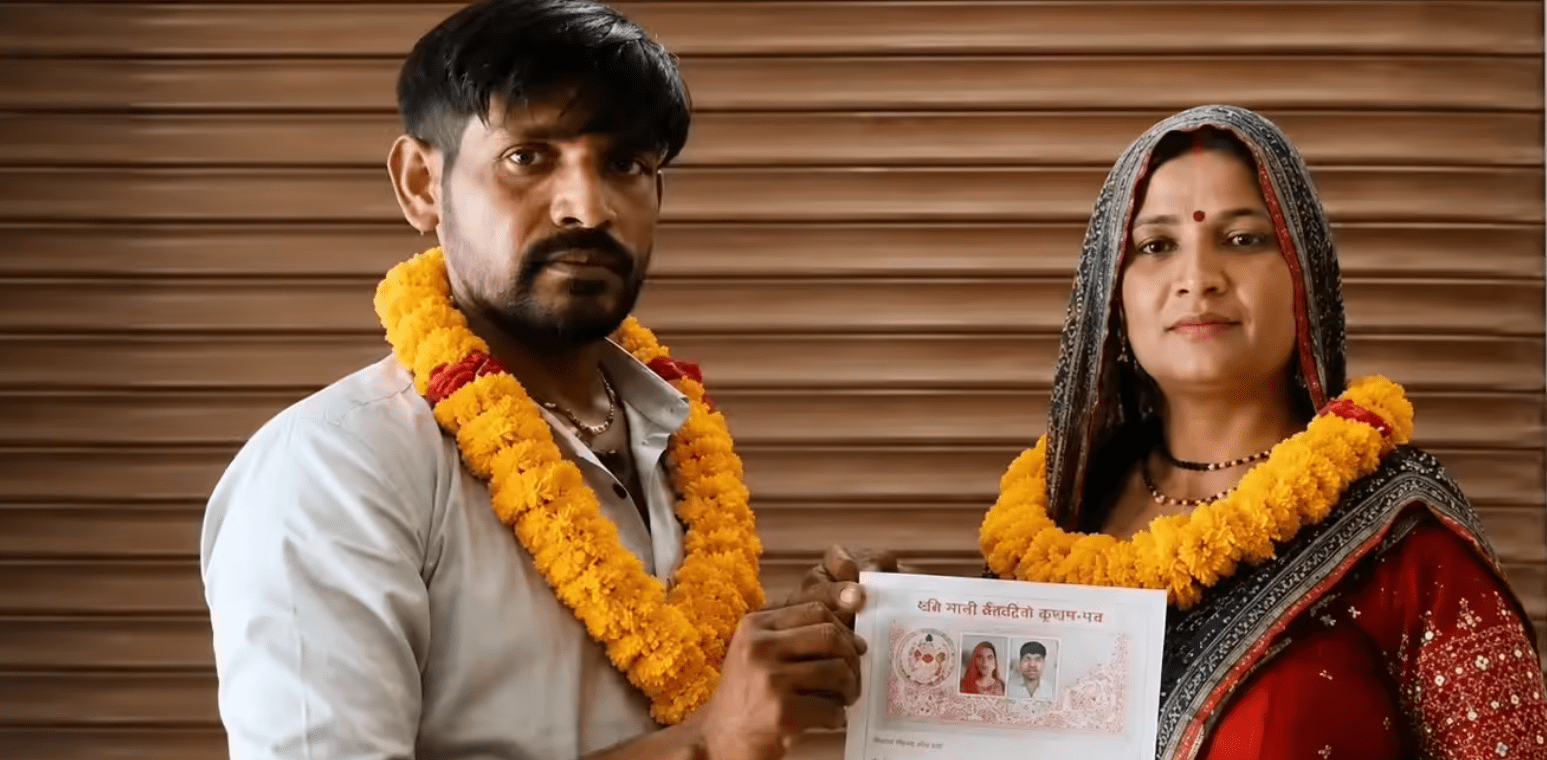
Tanahun. Lok Bahadur Gandharva, 73, who resides in Butwal, and Dalli Gandharva, 60, whose maternal home is in Bhanu Municipality-1, Tanahun, travel to various places playing the Nepali Sarangi. This couple, belonging to the traditional Gandharva community, has spent the majority of their lives singing to the melodious tunes of the Sarangi.
For years, their daily routine has been distinct: leaving home early in the morning and presenting songs to passengers while boarding different vehicles. Traveling on buses, microbuses, or other public transport, they play the Sarangi and sing folk songs. Their voices and melodies often move passengers to tears, sometimes immersing them in memories of their hometowns, families, and the past.
The money they receive voluntarily from passengers, who praise their songs, is their main source of income. "Sometimes we earn very well; this is what runs our household," said Lok Bahadur. According to him, although daily earnings are not stable, consistent hard work makes it manageable to cover household expenses.
They have four children. They raised their children with the income earned from this profession. "We have been able to support our family through our own hard work; that is the most important thing," says Dalli Gandharva. They have traveled to various districts across the country while singing. Their lives have been spent traveling on roads from east to west, seeing new places, and meeting people.
Amidst the changing forms of entertainment due to the development of modern technology, traditional instruments like the Sarangi and the profession of the Gandharva community are facing a crisis. Lok Bahadur states that as the new generation is attracted to alternative professions, the risk of such indigenous arts becoming extinct is increasing. "This is our identity, this is our culture. We will continue doing this as long as we can," he said. The story of the Gandharva couple is not just a tale of earning a living; it is also a story of struggle, self-respect, and cultural preservation.
This specific news has been automatically translated by AI. As a result, there may be some inaccuracies or language errors.


_bsx4jxibxx_utGr3H06yP.jpg)