Nepal's Himalayas Face Escalating Climate Crisis with Rising Avalanche and Glacial Lake Outburst Risks

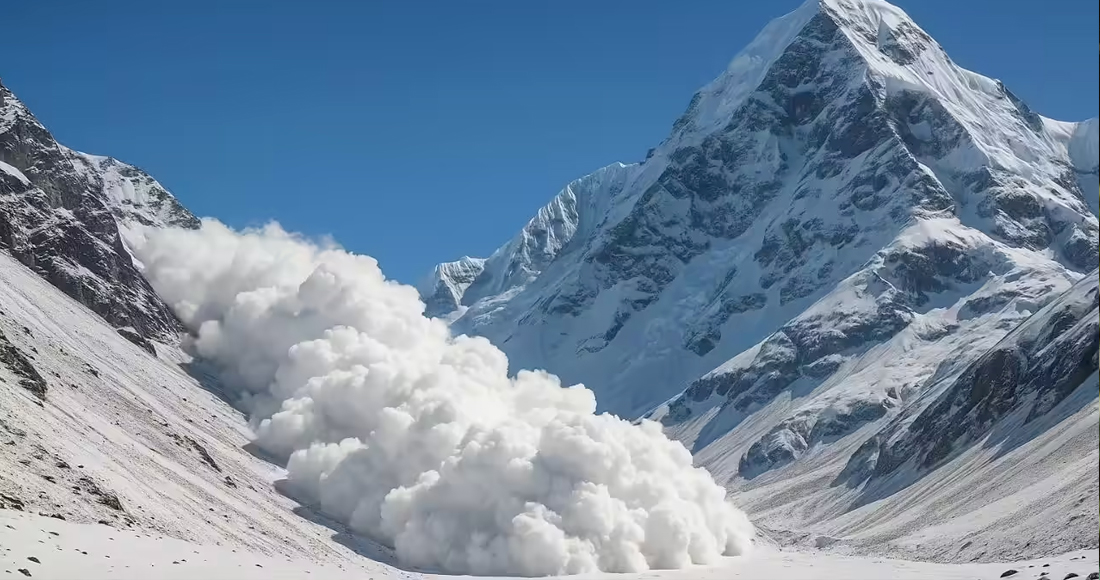
Kathmandu. The silvery white Himalayas visible on Nepal's northern horizon are no longer just symbols of beauty. They are becoming witnesses to rapidly occurring environmental disasters and potential explosive dangers.
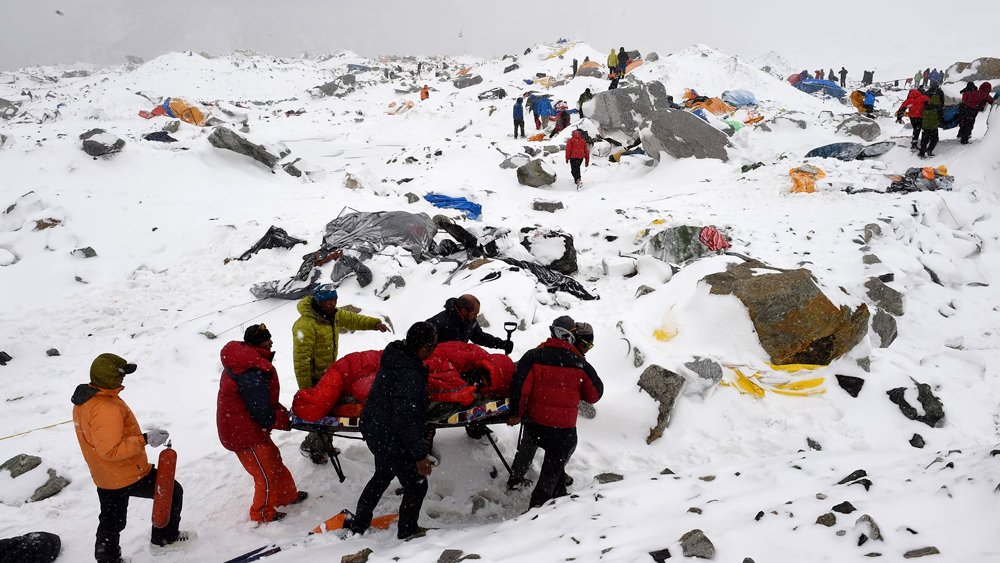
On November 3, 2024, a group of 15 foreign and domestic guides were caught in an avalanche at the base camp of Ylungri Peak in the Rolwaling Himal range, Gaurishankar Rural Municipality-9, Dolakha. Three people died as a result.
In recent times, serious questions have begun to arise about Nepal's Himalayan tourism and its ecological system. This incident is merely a representative scene; in reality, our Himalayas are currently becoming invisible but terrifying battlegrounds, where humans are losing their lives unnecessarily in the struggle between nature and climate change.
Last year's avalanche in Thasang, Manang, and the massive flood caused by a glacial lake outburst in Rasuwa further confirm the insecurity in the Himalayan region. In recent years, small and large avalanches and blizzards have become almost regular occurrences in the Himalayan region.
- Budget Neglect, Government Fails to Understand the Cycle
While settlements at the foot of the Himalayas and the climbers who go there are battling death, the government's policies and budget in Singh Durbar have not addressed the plight of the Himalayas. Every year, the damage to life and property due to avalanches and floods is increasing, but the government is absolving itself of responsibility by merely labeling it as a 'natural disaster,' says Chhiring Dorje, a Himalayan conservation activist.
'The government's tendency to show immediate concern when an incident occurs and consider helicopter rescue as an achievement has led to consistent parsimony in the budget for the mitigation and long-term solution of the Himalayan crisis,' he said.

Looking at the policy and program for the upcoming fiscal year (2026/27), there have been grand pronouncements about mitigating the effects of climate change. Terms like groundwater recharge, rainwater harvesting, and spring conservation have filled policy documents. However, when it comes to the budget statement, these programs are limited to pond construction and embankments in the Terai and Chure regions.
Climate change activists say that the allocated one billion rupees will be like 'water in the sand' due to the government's failure to understand the cycle of melting Himalayas causing Terai floods and droughts in the hills.
The budget for climate change adaptation under Sustainable Development Goal-13 has been reduced compared to the previous year. The allocation for this heading was 13.25 billion in the current fiscal year (2025/26), but only 10.75 billion has been set aside for the upcoming fiscal year (2026/27), clearly indicating how indifferent the government is to the Himalayan crisis.
'If you look at the budget, it's only 0.51 percent. How can a country on the front lines of global climate risk survive with such investment?' Dorje questions.
- 45 Incidents in the Last 14 Years, 62 Dead, 31 Missing
The data from the National Disaster Risk Reduction and Management Authority shows the dire situation in the Himalayan region. According to the authority, 45 major avalanche incidents have been recorded in Nepal in the 14 years from 2051 BS to 2082 BS. 62 people lost their lives and 31 are still missing. These incidents, which injured 64 people, show that although the number of avalanches may seem low, the human cost is very severe. Not only trekkers, but communities that have lived in the high Himalayan regions for generations are now living under the shadow of insecurity.
- Blizzards Cause Significant Havoc
Not only avalanches, but blizzards are also causing immense destruction. In the last 14 years, 10 major blizzards have claimed the lives of 17 people, most of whom were trekkers and shepherds. This pile of statistics does not just provide death tolls; it also indicates how at risk Nepal's tourism sector, considered the backbone of the Himalayan economy, is.

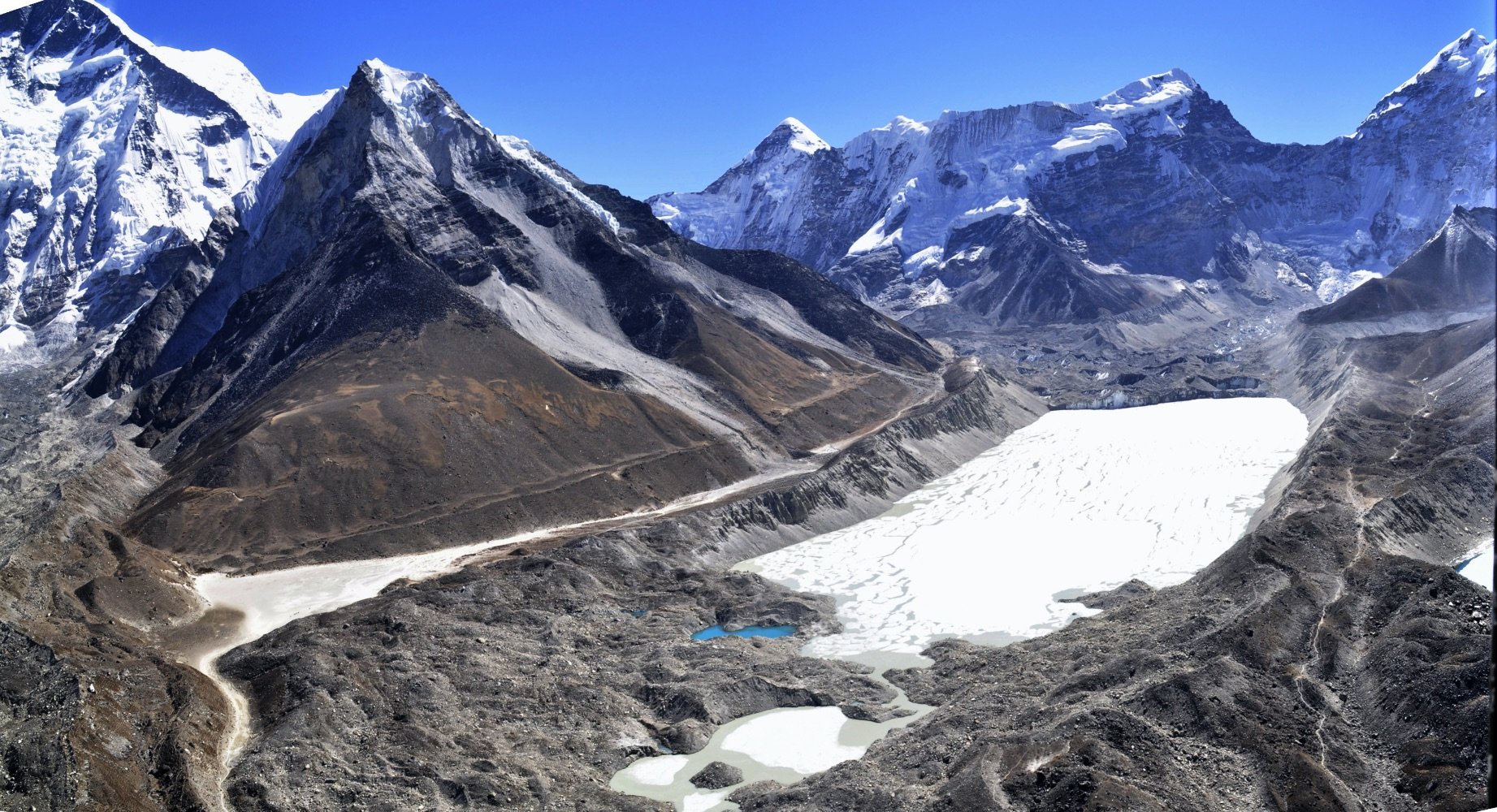
Another major and terrifying form of Himalayan disaster is glacial lake outburst floods. The devastating flood in Melamchi in 2078 BS has shown what kind of catastrophe environmental changes in the Himalayan region can bring to downstream areas. According to studies by the authority and ICIMOD, there are 3,624 glacial lakes in the Koshi, Gandaki, and Karnali river basin systems of Nepal. Among them, 47 lakes are such that they can burst at any time and are listed as 'very high risk.' What is even more concerning is that 25 of these lakes are in China's Tibet region.
If those lakes in Tibet burst, it will directly affect over 3,000 households along the banks of rivers like Bhote Koshi, Sun Koshi, Tamakoshi, and Trishuli in Nepal. These settlements are currently in the direct path of 'explosive bombs,' but there is still a lack of an effective mechanism to protect them or provide early warnings.
- 3,000 Households at High Risk of Glacial Lake Outburst
According to Nitesh Khadka, a researcher studying glacial lakes and glacial flood risks at the Chinese Academy of Sciences, there are thousands of glacial lakes in Nepal's major river systems. If these lakes in Tibet burst, it will certainly have a direct and devastating impact on settlements along the banks of rivers like Bhote Koshi, Sun Koshi, Tamakoshi, and Trishuli in Nepal.
According to the study, more than 3,000 households are directly in the path of the mud and flood that would result from the bursting of those lakes.
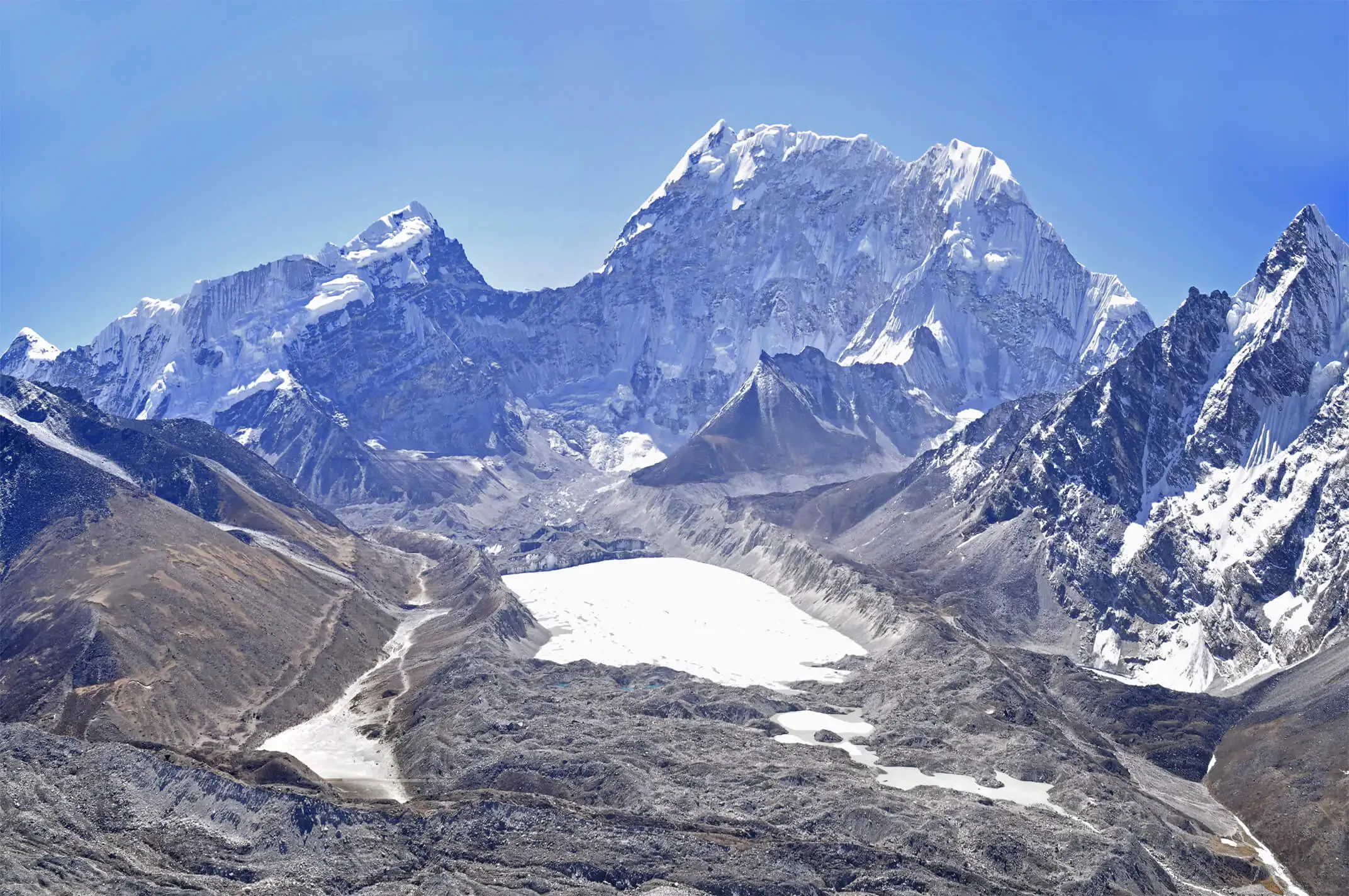
According to Khadka, the risk is not only from large and identified glacial lakes. Temporary 'supraglacial' lakes forming on the surface of glaciers are proving to be even more dangerous recently. The sudden flood in Solukhumbu's Thame last year is a representative example of this.
'Our satellite studies and image analysis show that while many believe only large lakes cause damage, the reality is different. Temporary 'supraglacial' lakes forming on the surface of glaciers are equally dangerous. Due to rising temperatures, when such small lakes burst suddenly, a large debris flow flood occurs downstream,' Khadka told Ratopati.
He stated that more than 3,000 houses in Nepal are directly within the risk zone of such lakes. He also warned that if proper precautions are not taken, the loss of life and property could be irreparable.
According to experts, the risk of glacial lake outbursts poses a significant challenge not only to human settlements but also to Nepal's national economy and infrastructure. Billions worth of physical structures in Tatopani and Kerung, the main trade routes connecting Nepal and China, are now at high risk. Roads along riverbanks, concrete bridges, and under-construction and operational hydropower projects can be swept away by floods at any time. Experts warn that if a large lake in Tibet bursts, it will cause irreparable damage to Nepal's hydropower sector, and billions of investments will be lost. This will have a long-term impact on Nepal's energy security and foreign trade.
Although efforts to reduce the water level of lakes like Imja and Chho Rolpa have been somewhat successful, the management of more than 45 other lakes at risk remains. Khadka suggests that prioritizing the relocation of residents from risk-prone areas, installing effective early warning systems along riverbanks, and strengthening cross-border coordination with China should be the focus now.
- What is the History of the Last Century?
Looking back at history, the risk of avalanches in Nepal has increased rapidly in recent decades. According to a report published in the 'Journal of Tourism and Adventure,' 372 people died in 60 major avalanches from 1922 to 2020, a period of one century. Of these, 324 deaths occurred in the Everest region alone.
The incidents of 15 deaths in Manaslu in 1972, 48 deaths in the Khumbu region in 1995, and the avalanche that claimed 59 lives in Manang-Mustang in 2014 are still fresh in the minds of Nepalis.
In 2015, 23 people died in an avalanche at Everest Base Camp following the earthquake. This report shows that Nepal's Himalayas are no longer as stable and safe as they used to be. Climate change has weakened the grip of snow, and the rocks on the mountains are becoming exposed.
According to Associate Professor of Environmental Science, Sudeep Thkuri, the change in rainfall patterns in the Himalayan region has caused an even greater crisis. Places that used to receive only snow are now experiencing torrential rain. Sudden rainfall on dry and steep slopes often leads to flash floods. The floods in dry Himalayan deserts like Manang and Mustang are a result of this.
Due to Nepal's geographical location, with China's Tibet in the upper riparian zone and Nepal in the lower zone, the risk of transboundary water disasters is equally high. 'Any environmental disturbance in China directly impacts Nepal. In such a situation, it is too late to reconsider the safety of settlements along riverbanks. However, the government has neither brought a plan to relocate those settlements nor strictly enforced the standards to be followed when constructing infrastructure in risk-prone areas,' Thkuri told Ratopati.
The 'Climate Change Study Report, 2082 BS' prepared by the Sustainable Development Subcommittee of the National Assembly revealed even more alarming facts. The subcommittee, chaired by Dr. Anjan Shakya, concluded that Nepal is currently facing a 'multidimensional crisis' not only environmentally but also economically and humanly, but the government does not seem to have taken it seriously. According to the report, the temperature in the Himalayan region is increasing at a rate of 0.06 degrees Celsius per decade. This has led to a decrease in agricultural productivity by up to 40 percent in the Himalayan region. Apple-growing areas are now experiencing pest infestations, and water sources for agriculture are drying up.
According to the report's projections, two-thirds of the Himalayan glaciers will disappear by the year 2100. In the last three decades alone, the area of glaciers has decreased by 25 percent.
The report states, 'Nepal contributes only 0.056 percent to the world's total carbon emissions, but the price it has to pay is disproportionate and unjust. While discussions about climate funds and compensation are held in international forums, these funds do not reach the actual victims.'
The government has not achieved significant success in benefiting from carbon trading or strengthening climate diplomacy. The parliamentary committee's recommendation to operate adaptation programs by integrating traditional Himalayan knowledge with modern science is also not being taken seriously by the bureaucracy and political leadership.
This specific news has been automatically translated by AI. As a result, there may be some inaccuracies or language errors.




_cvUCBlwFTZ.jpg)