New Study Finds Cannabis Use Does Not Alleviate Mental Health Issues

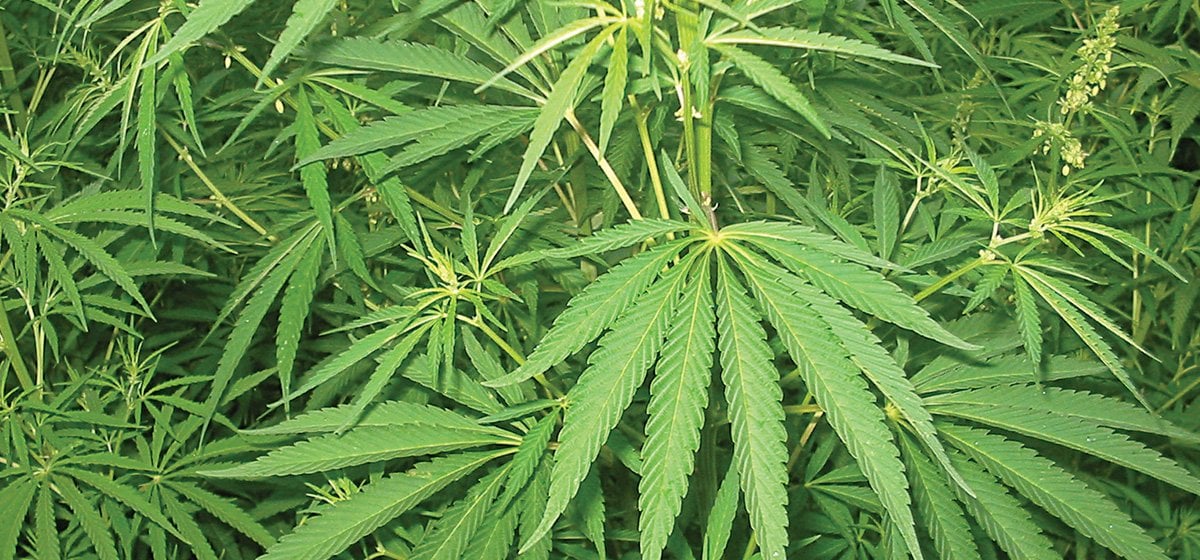
A new study has shown that the use of cannabis for health or recreation does not reduce mental health-related problems. According to a long-term study and a 'gold standard' analysis, there is no evidence that the main components found in cannabis, cannabidiol (CBD) and tetrahydrocannabinol (THC), bring significant improvement to anxiety, depression, or other mental illnesses.
The study, led by Jack Wilson, head of the research team at the University of Sydney in Australia, was published in The Lancet Psychiatry. This analysis reviewed 54 randomized controlled trials (RCTs) published between 1980 and 2025, which is considered the most reliable method in medical research.
'We found no evidence that any form of cannabis was effective for problems such as anxiety, depression, or post-traumatic stress disorders,' Wilson said. The study showed that cannabis use also failed to improve other mental conditions. These include anorexia nervosa, bipolar disorder, obsessive-compulsive disorder, and schizophrenia.
The cannabis medicines used in the research were mostly in the form of capsules, sprays, or oils. However, it is stated that the actual effect is proven to be even less because most users in real life consume cannabis in the form of smoke. Another study led by psychiatrist Deepak Cyril Dsouza of Yale University in the US reached similar conclusions.
According to him, there is no strong evidence to recommend cannabis or its components as a mental health treatment. Despite the lack of scientific evidence, the use of cannabis is rapidly increasing in countries like the US and Canada.
It is estimated that about 27 percent of people aged 16 to 65 have used cannabis for medicinal purposes, with nearly half using it to improve mental health. According to experts, in some cases, even doctors are recommending cannabis without sufficient evidence, which raises questions about the effectiveness of the treatment.
This specific news has been automatically translated by AI. As a result, there may be some inaccuracies or language errors.