Rastriya Swatantra Party's Biraj Bhakta Shrestha Wins Kathmandu-8 Seat, Forfeiting Deposits of Rivals
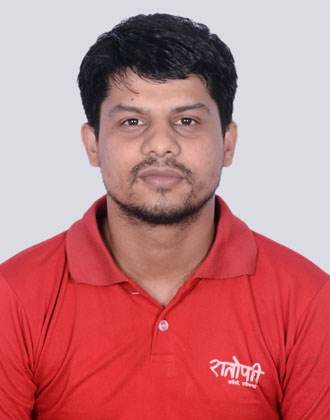

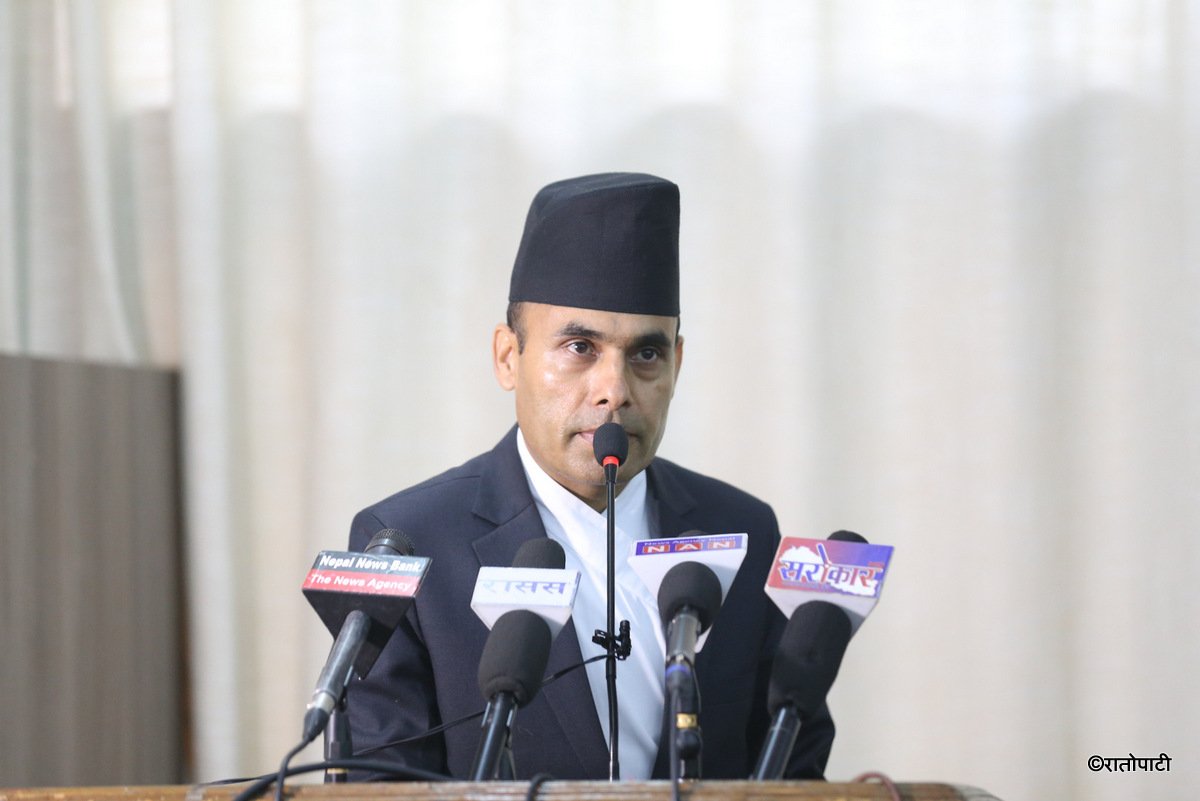
Biraj Bhakta Shrestha of the Rastriya Swatantra Party (RSP) has won the House of Representatives election from Kathmandu Constituency No. 8. Shrestha, who secured victory by causing the forfeiture of the deposits of all competing candidates, has entered parliamentary politics for the second time from Kathmandu-8.
Shrestha, a former Minister of Youth and Sports, also won the House of Representatives seat from the same constituency in the 2079 elections. The heritage and environmental conservation activist secured 24,512 votes in the recently concluded polls. He registered the win by limiting his closest competitor, Suman Sayami, to 3,217 votes, and Congress candidate Sapana Rajbhandari to 2,835 votes.
- Shrestha: A Rebellious and Creative Nature
A combination of rebellious nature and creative working style is rarely seen in Nepali politics. However, throughout his journey from the Bagmati Provincial Assembly to the Federal Parliament, MP Biraj Bhakta Shrestha has established himself as a strong figure of rebellion and alternative politics.
He always dares to speak the truth against power based on 'facts and logic'. Shrestha has attempted to establish a strong 'precedent' of accountability not only within the RSP but in overall parliamentary politics. Whether in government or outside, his demeanor remains the same.
Shrestha, who prefers a simple lifestyle, represents the Basantapur area of Kathmandu, a center of heritage. It is his daily routine to sit at a square, drink tea, and mingle with youth, the elderly, and children. His specialty is presenting himself according to the atmosphere. In his free time, he is found playing guitar and singing songs at a square or roaming the neighborhood in simple attire.
His rebellious style is clearly evident even when holding an official responsibility. He does not hesitate to strongly present the demands of ordinary citizens and to rebel as a shield for the citizens when the state power tries to push forward. He has also become synonymous with accountability and responsibility. Active in collective work, he has established himself strongly in the fields of finance, politics, environment, and sports.
_aYULkIEOgh.jpg)
- The Lone Rebel of the Bagmati Provincial Assembly
Biraj Bhakta Shrestha's political foundation was built in the Bagmati Provincial Assembly. He entered politics through the then Bibeksheel Nepali Dal. When he joined the campaign of the late Ujjwal Thapa, he had no intention of entering politics. But, he ended up immersed in politics during the campaign.
Bibeksheel, born from Thapa's campaign, brought forward figures like Biraj Bhakta. In the 2074 elections, Bibeksheel contested and succeeded in winning 3 seats in the Bagmati Provincial Assembly, with Ramesh Poudyal, Shobha Shakya, and Shrestha being elected as MPs.
With his stubborn nature, he was always ready to question. His questions were sharp, demanding not just answers but decisions. While in the Bagmati Provincial Assembly, he was the lone dissenting MP who strongly opposed the decision to cut trees for constructing a new building on the premises of the then Education Directorate. He made environmental conservation, disaster management, and sustainable development his main agenda. Despite representing a party with only 3 MPs, he was actively involved in the full implementation of the assembly regulations and the law-making process.
During the formulation of laws such as the Forest Act, Higher Education Act, and Madan Bhandari Health Science Act, he defended the interests of the citizens by presenting a rebellious stance against the ruling party. Due to his logical ability and grasp of statistics, he was always the center of attention in both the house and committees. The then government immediately fulfilled his demand to manage the drainage system in front of the Provincial Assembly building.
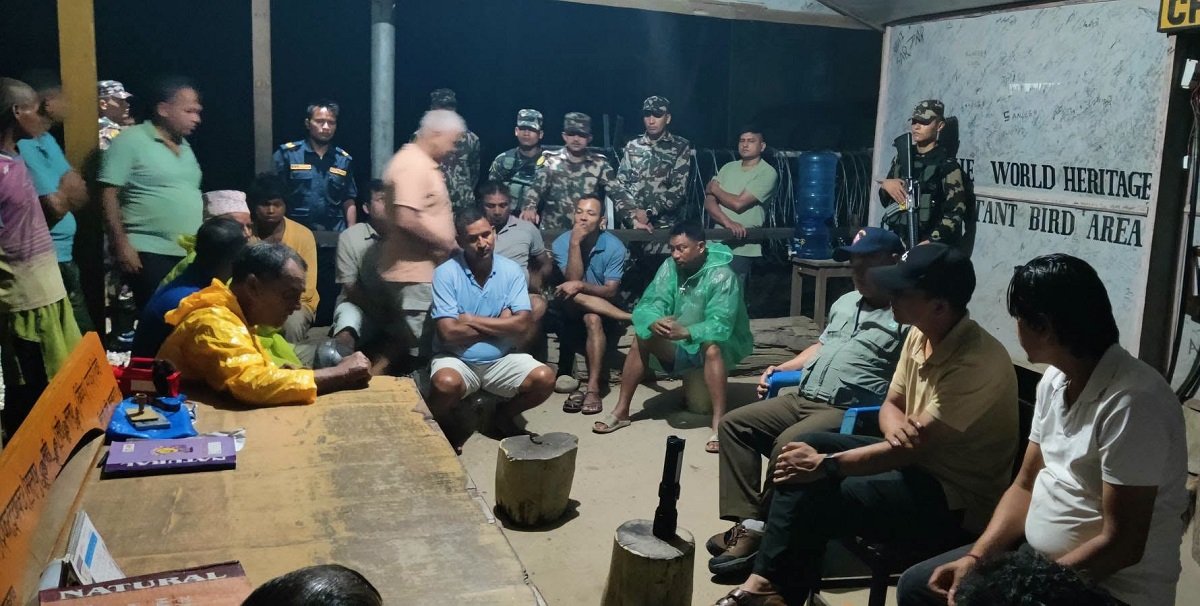
He was equally active in heritage conservation and management. Despite facing pressure from the ruling party due to his party's weak numerical strength in the assembly, he played a significant role in the conservation of various heritage sites in Kathmandu-8 during his tenure. He initiated efforts for the restoration of the Dably (platform) at Indrachowk in Kathmandu through the Provincial Government's budget. After the Dably, which fell in the middle of the road, was encroached upon, it was restored with budget provided by the Provincial Government through his initiative.
- Thapa's Schooling and the Foundation of Transparency
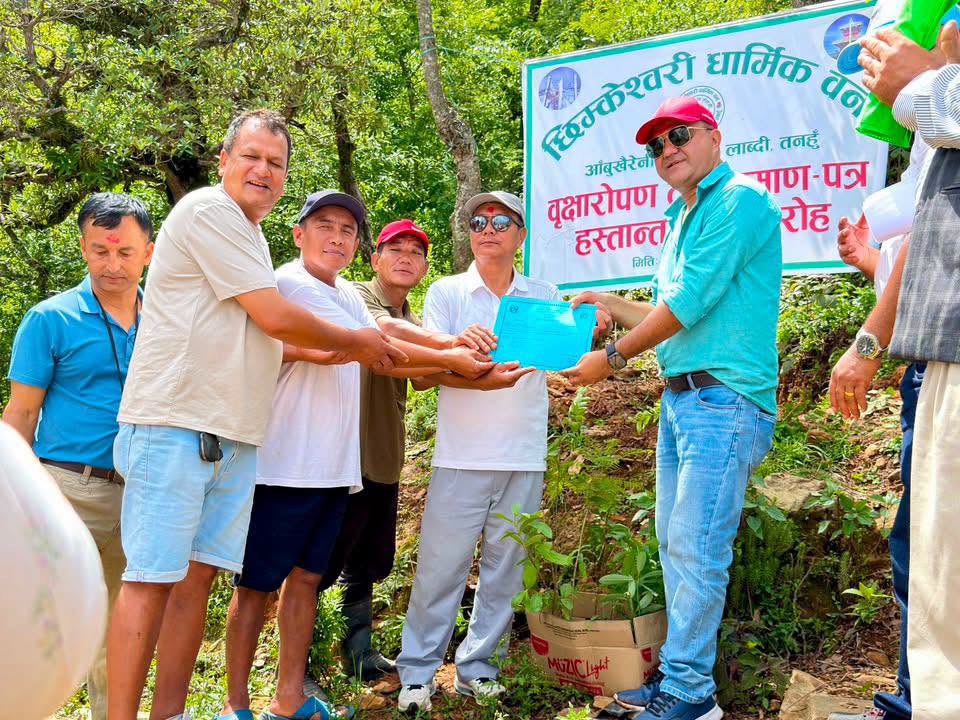
After the 2072 earthquake, Shrestha, who was active in relief and rescue, operated health camps in impoverished settlements in Mustang and Bardibas. Dedicating himself to the service of the common people, he joined the Bibeksheel campaign alongside the late Ujjwal Thapa. He was also active in environmental conservation through the One Tree-My Responsibility campaign.
Resigning from the Bibeksheel Sajha Party citing a lack of transparency and democratic practice within the party was another example of his political ethics. Following the unification of Bibeksheel and Sajha Party, in 2078, the then Chairman Rabindra Mishra attempted to take action against him due to his rebellious nature. He was warned of disciplinary action due to disagreements over party organization management, leadership principles, and ideology.
At that time, he always said, 'There must be consensus and open dialogue within the party. Getting entangled in internal strife is contrary to public responsibility.'
Subsequently, he resigned from the party and focused on his constituency for some time. For the upcoming elections, he reached every alley of Kathmandu-8. He also conducted surveys at the grassroots level with a small group. As the 2079 elections approached, he was preparing to contest as an independent candidate for the House of Representatives. Around that time, he participated as a speaker at an RSP rally held at Bhrikutimandap, which further strengthened his campaign.
After the local elections, there was a wave of independent candidates in Kathmandu. In that situation, it was almost certain that he would also become an independent candidate. However, with a strategy to be safer, he moved forward in collaboration with the RSP. Initially, there was an understanding that he would contest using the RSP's election symbol without becoming a member of the party.
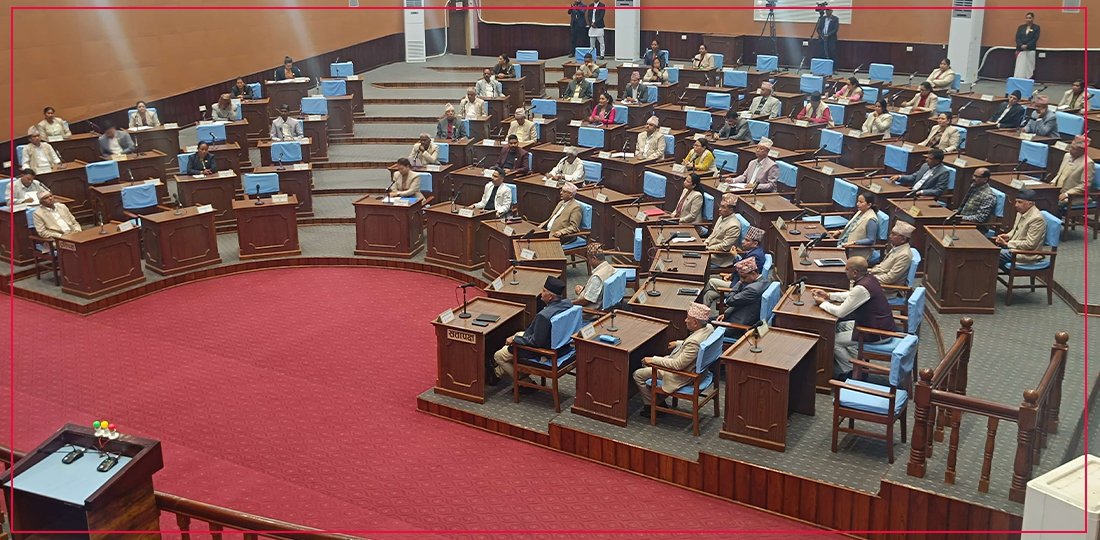
After being elected to the House of Representatives from Kathmandu-8, he continued his creative style in the Federal Parliament. He was also elected as the Deputy Leader of the RSP Parliamentary Party. Having learned about parliamentary roles from the Provincial Assembly, he reached the Federal Parliament and helped his colleagues become accustomed to this role.
He played a significant role within the RSP and the entire parliament in establishing the practice of constructive protest, raising points of order, and expressing support or dissent based on issues in parliament. He strongly pushed to make bills more pro-people by submitting amendment proposals on serious matters such as the financial procedure, Education Bill, and Anti-Money Laundering Bill.
His five-month tenure as the Minister of Youth and Sports was very effective. He initiated a systematic approach in the sports sector through actions such as publishing the first annual sports calendar, protecting the controversial land of Nepal Scout, and forming an 'Anti-Doping Agency'.
_dJIBx4zr0M.jpg)
- Continuity of Accountability
He has further refined the tradition of publishing an annual report, which he started in the Bagmati Provincial Assembly, upon reaching the Federal Parliament. Envisioning a responsible parliament, he has also attempted to make the government accountable.
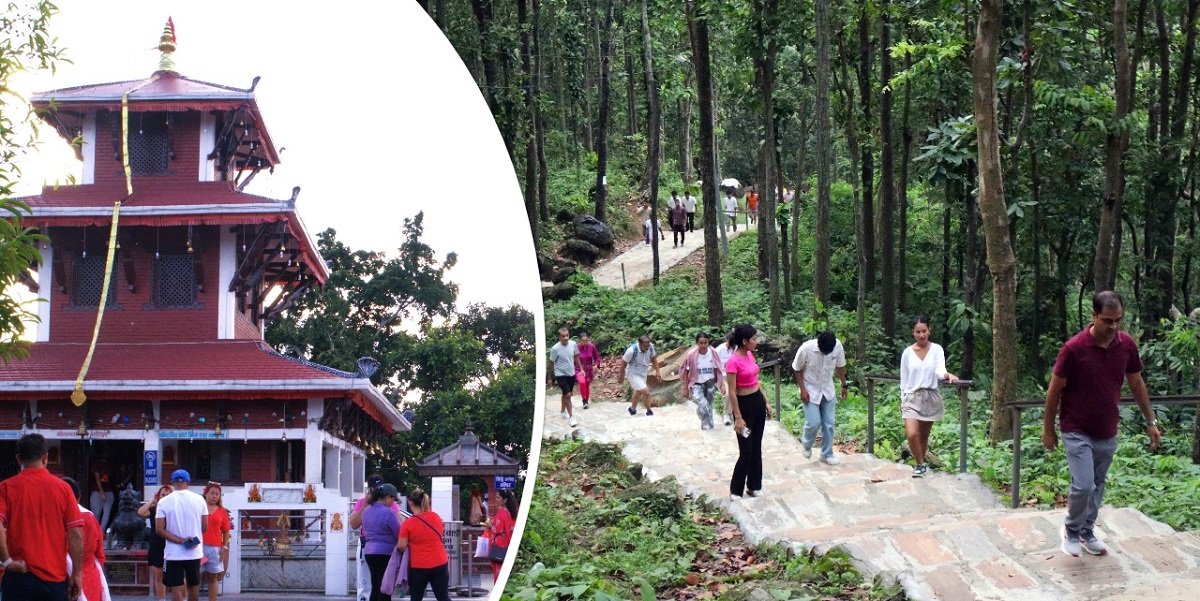
His local initiatives, ranging from pressuring the house to return a stolen idol from Chapagaun, Lalitpur, to establishing a residential post for six police officers for the security of the Swoyambhu area, have made him more popular among voters.
As praised by Speaker Devraj Ghimire and Deputy Speaker Indira Rana, Biraj Bhakta Shrestha has set a standard for what a people's representative should be. Shrestha, who views politics as a series of moral dilemmas, has established a precedent of publishing annual reports and maintaining transparency that is likely to serve as a guide for other RSP MPs and future generations. He has established the narrative that in parliament, 'agenda and ethics' carry more weight than numbers.
This specific news has been automatically translated by AI. As a result, there may be some inaccuracies or language errors.