Dhangadhi Mayor Challenges Provincial Law in Supreme Court, Citing Infringement on Local Government Rights

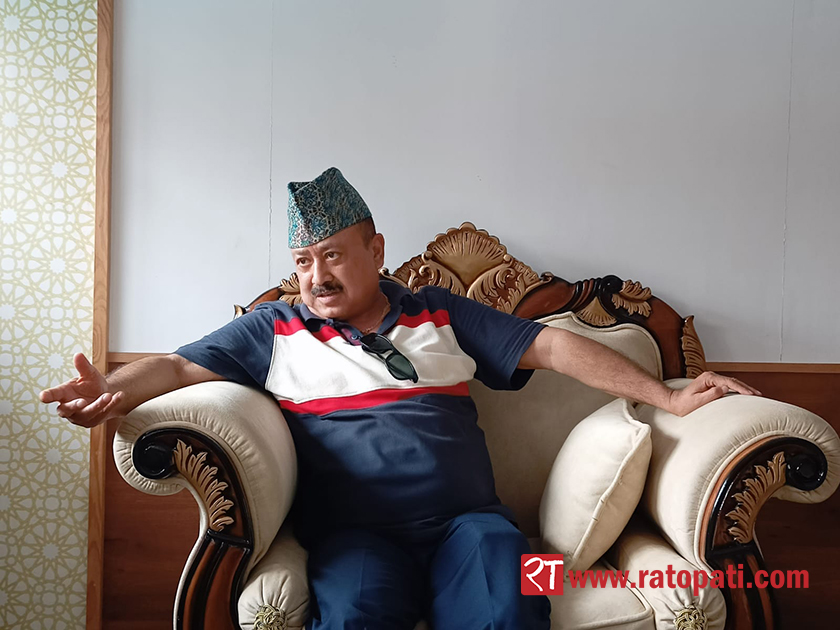
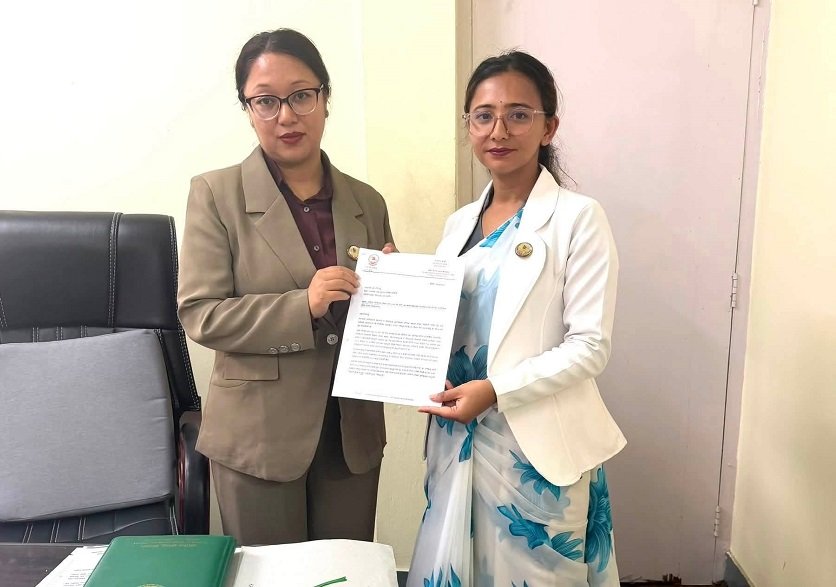
Dhangadhi Sub-Metropolitan City Mayor Gopal Hamal has approached the Supreme Court, arguing that the 'Sudurpashchim Province Local Service (Formation and Operation) Act, 2081' enacted by the Sudurpashchim Province government violates the constitutional rights of local levels.
The Supreme Court's Constitutional Bench has agreed to hear the writ petition filed by Mayor Hamal with priority.
Senior Advocate Jyoti Baniya, representing Hamal in the Constitutional Bench of the Supreme Court, claimed that the Sudurpashchim Province Local Service related Act hinders 88 local levels, including Dhangadhi Sub-Metropolitan City, from hiring contractual employees.
Local levels urgently need to hire technical, health, and non-gazetted staff on contract to ensure service delivery due to staff shortages. However, the new Act stipulates that contractual employees cannot be hired without the 'mandatory consent of the Ministry.'
This situation is likened to tying the hands and feet of the representatives of the 88 local levels and forcing them to run. Baniya argued, 'If the Dhangadhi Municipality has to look to the province to decide how many gardeners, sweepers, or technicians it needs, what is the relevance of local government?'
Mayor Hamal filed the writ petition in the Constitutional Bench of the Supreme Court, claiming that the Sudurpashchim Province Local Service (Formation and Operation) Act, 2081, contradicts the Constitution of Nepal and federal laws.
'Management of Local Service' is listed in Schedule 8, serial number 5 of the Constitution as the exclusive authority of the local level. However, Hamal claims that the Act issued by the Sudurpashchim Province government vests the appointment, transfer, promotion, and administrative control of local level employees in the Chief Minister and Council of Ministers Office (Ministry) of the Province.
The word 'Ministry' in Sections 3, 4, 8(4), 14, 15, 24, and Section 13(2) of the Provincial Act attacks the autonomy of the local level. It is claimed that Section 3 of the Provincial Act makes the Province's Ministry the 'main body' for the operation of local level administration, which is contrary to Articles 221 and 226 of the Constitution.
It is asserted that the provision preventing local levels from hiring contractual employees according to their needs, or requiring provincial permission to do so, obstructs the performance of local government functions.
Another serious issue raised in the writ is the authority for employee transfer (Section 24). The provision allowing the province to transfer employees from one local level to another based on a rotational system increases the risk that employees will be more accountable to provincial ministers and secretaries than to their local government. This is termed the 'Theory of Pleasure' in the writ, claiming it will lead to the politicization of employee administration and render local accountability zero.
Petitioner Hamal also claims that this Act violates the principle established by the Supreme Court's Constitutional Bench in the case of 'Arbind Yadav versus Birgunj Metropolitan City,' which held that the management of local service is the authority of the local level itself.
This specific news has been automatically translated by AI. As a result, there may be some inaccuracies or language errors.