Trade Promotion Executive Stresses Need for Customs Reforms to Reduce Costs and Time


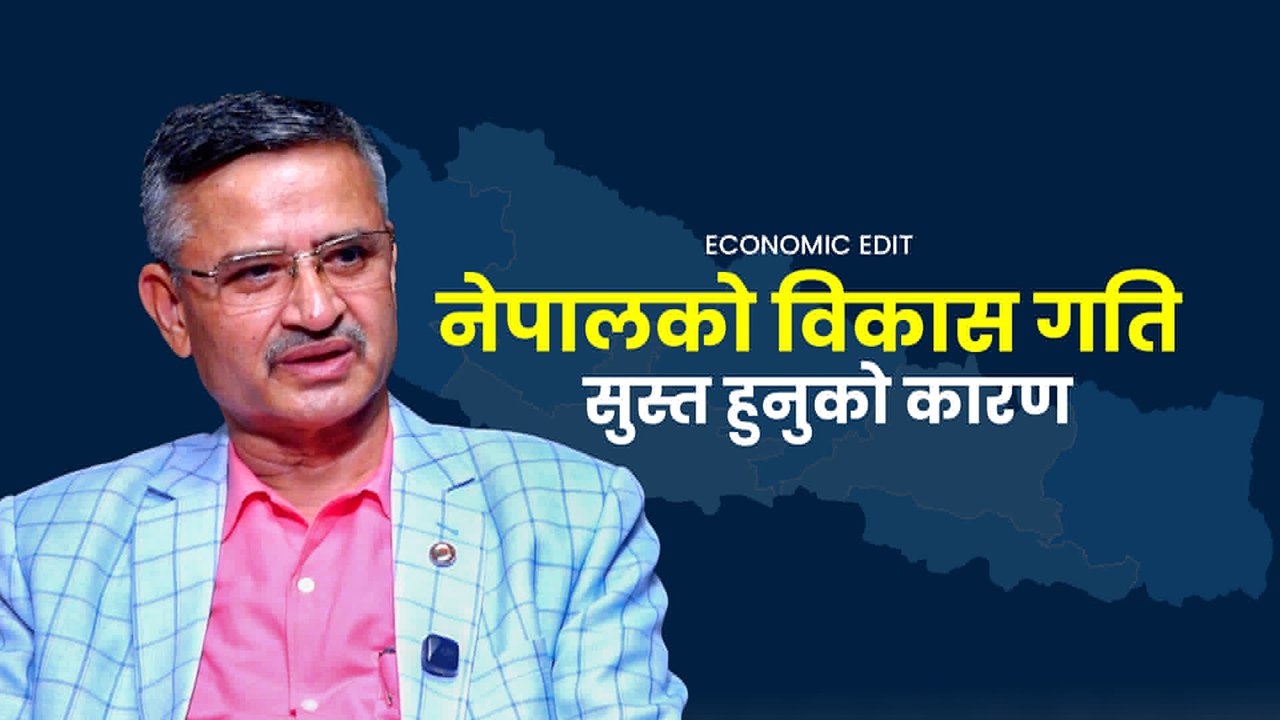
Kathmandu. Sharad Bikram Rana, Executive Director of the Trade and Export Promotion Center (TEPC), stated that customs reforms are necessary to reduce costs in line with trade timelines.
Speaking at a program organized by the Nepal Ready-made Garment Association regarding potential areas to be included in the proposed seventh phase of customs reform to promote exports, he mentioned that attention must be paid to improving procedural delays that have increased costs for businesses.
He also clarified that customs should not demand unnecessary documents with the intention of harassing businesses. Referring to the fact that some businesses approach the TEPC for recommendations for exports, Rana stated that since the only facility the center provides is the GCEP (General System of Trade Preferences), businesses that have already utilized this facility do not need to visit the center again for unnecessary recommendations.
Rana urged businesses to confidently raise their issues at the Trade Facilitation Committee under the Ministry of Commerce if problems arise during exports. According to Rana, there is significant representation from the private sector in this committee, so there is no need to hesitate.
Furthermore, reminding that there is also a Trade Facilitation Committee within Customs, which also includes private sector representation, Rana expressed concern that businesses are not adequately raising the issues related to trade problems and costs in those forums. He stated that if businesses raise the real problems they face in such committees, it will be easier for state agencies to find solutions.
At the program, Pashupati Dev Pandey, President of the Nepal Ready-made Garment Association, emphasized the need to ensure the easy and low-cost import of quality raw materials and auxiliary materials for export-oriented industries. He stated that delays at border crossings when attempting to export, lack of inter-agency coordination, double testing, inadequate physical infrastructure, and procedural complexities are creating problems in the production cycle and supply chain, directly affecting overall exports. Pandey expressed confidence that customs reforms centered on trade facilitation will provide significant relief in both time and cost for industrialists, allowing Nepali products to reach international markets in large volumes. Stating that the digital transformation, institutional strengthening, and strategic pillars put forward by the Customs Department are directly linked to export businesses, Pandey opined that Nepali exports can take a significant leap forward with effective system implementation, risk-based inspection systems, renewed use of digital systems, inter-agency coordination, and adoption of international practices.
During the discussion program, Bharat Mani Pandey, Deputy Director General of the Customs Department, informed that the Customs Reform and Modernization Plan is currently in the process of formulation. He stated that suggestions provided by businesses will be discussed in depth, and detailed discussions will move forward regarding how to address these issues over the next five years.
Participants stated that collaboration between the private sector and the state is necessary to focus the proposed seventh phase of customs reform on making exports friendly, timely, and cost-reducing.
This specific news has been automatically translated by AI. As a result, there may be some inaccuracies or language errors.