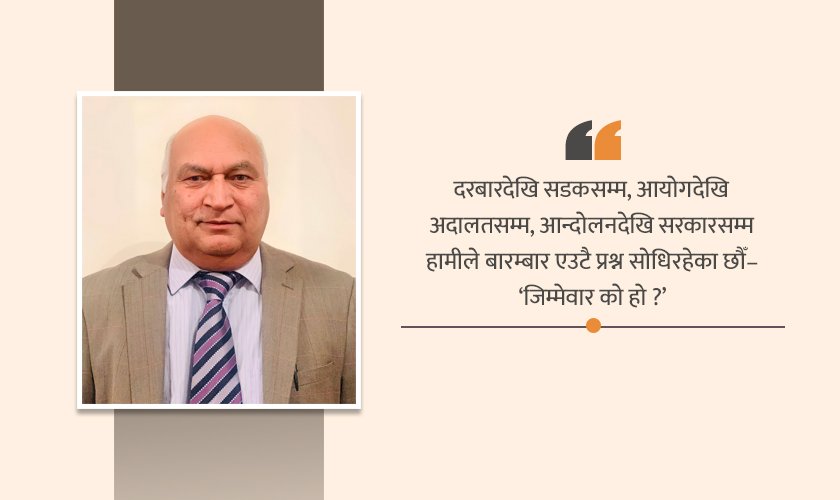
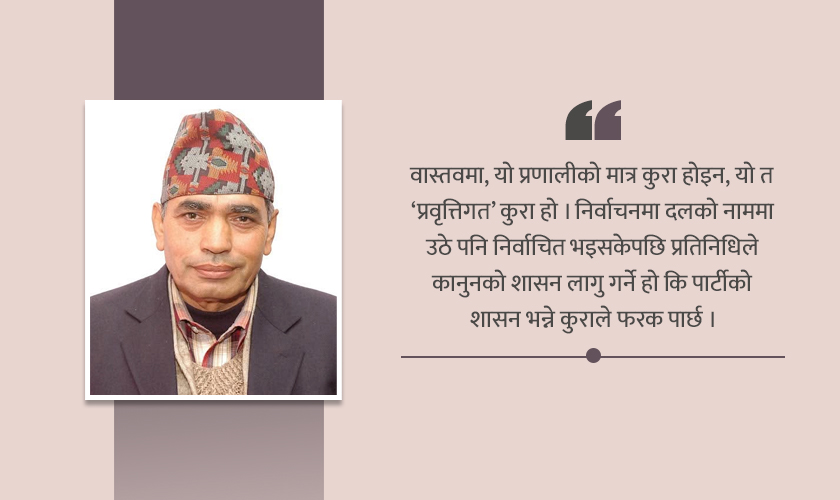
Professor Khagendra Khanal on Nepal's Stagnant Political Leadership


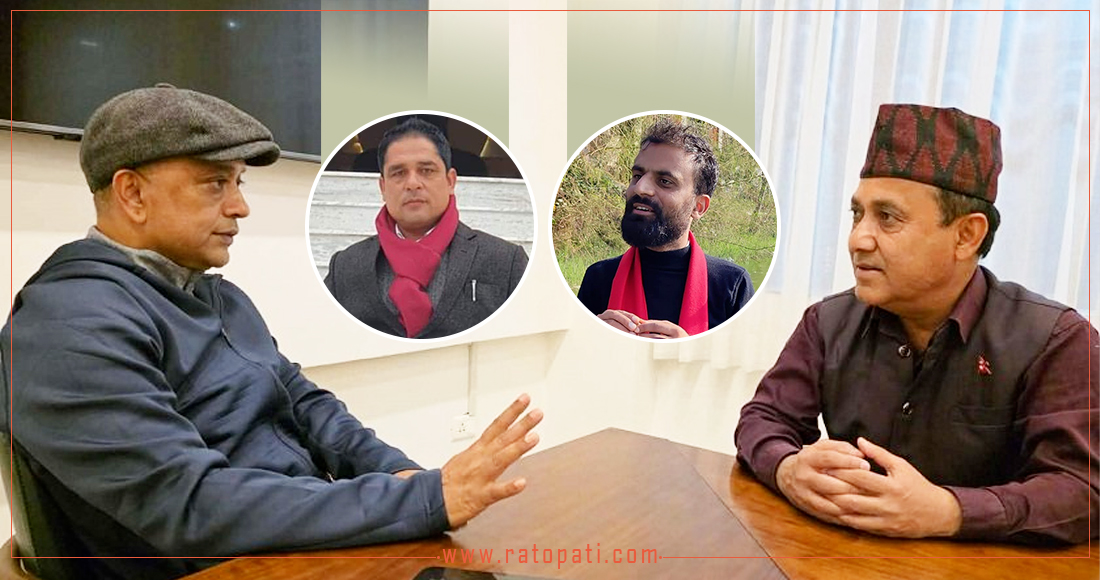
In a discussion, political science professor Khagendra Khanal shared his views on the lack of leadership change in Nepal's major political parties. He explained that the same senior leaders have remained in power for decades, creating a sense of stagnation and frustration among the public and younger party members.
The Problem of Stagnant Leadership
Professor Khanal noted that the top leaders of the main parties, such as Sher Bahadur Deuba, K.P. Sharma Oli, and Pushpa Kamal Dahal (Prachanda), have been dominant figures for a very long time. He compared the leadership to water that has frozen in place, refusing to flow. This has prevented new, younger leaders from rising to top positions. The professor argued that this lack of change is not because these leaders are old, but because the system within the parties does not allow for competitive leadership change. Party conventions often re-elect the same leaders unanimously, even when the party's public vote share decreases in elections.
The Disconnect with Voters
A major issue is the growing disconnect between the top leaders and the ordinary voters. Khanal stated that the leaders' continuous presence has made the public tired of seeing the same faces. More importantly, voters are not satisfied because they do not see these leaders delivering on their promises or bringing about significant transformation in the country. Even when parties lose elections, the same leaders often remain in charge, which he sees as an insult to the voters who rejected them.
The Need for a New System and Culture
The professor emphasized that politics should be a periodic responsibility, not a lifelong career. In mature democracies, leaders step down or are replaced by their own party if they lose public support. This creates space for new ideas and leaders. He suggested that Nepal needs to develop a culture where leaders gracefully make way for others after a certain time or after electoral defeats. This would allow for fresh energy and ideas to address the country's many challenges.
Challenges from New Voters and Technology
Khanal pointed out that nearly 2.9 million new young voters will be added in the next election. These new voters are not influenced by old party ideologies and are more connected to global trends through the internet and social media. Traditional parties are struggling to connect with this generation, which thinks differently and is more focused on immediate issues and results rather than old political doctrines.
Conclusion: The Path Forward
The core solution, according to Professor Khanal, is to establish a system of periodic and competitive leadership change within political parties. Leadership should be based on public trust demonstrated through elections, not on staying power. If a leader loses the popular vote, they should make way for new leadership. This would make parties more responsive to the people and better equipped to handle Nepal's complex social and economic problems. Establishing this cycle of renewal is essential for the health of Nepal's democracy.