The Girl Who Came Back to Build a Better Future
How Neha Karki Is Changing Rural Nepal, One Trout at a Time

Coming Home to the Hills
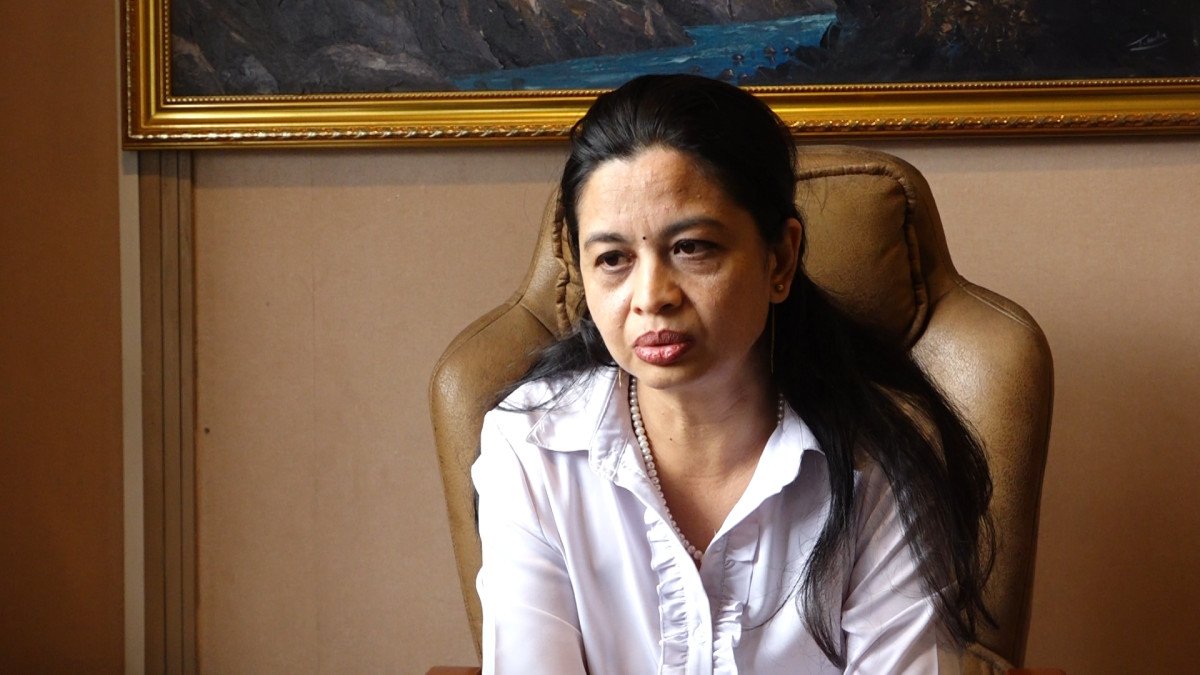
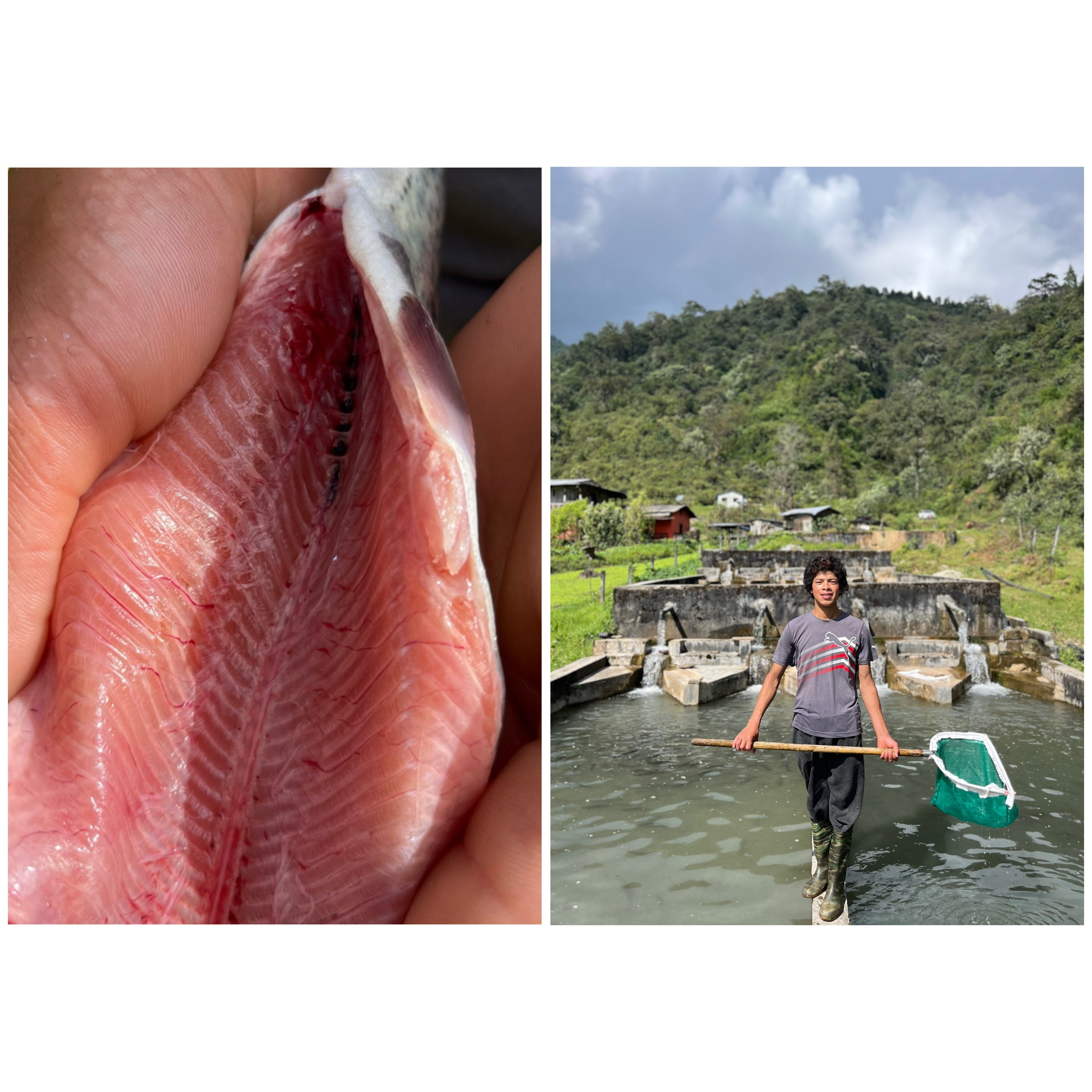
High up in the fresh, pine-scented hills of Jiri, where cold streams wind through lush green forests, 27-year-old Neha Karki is proving that young Nepalis don’t need to leave their villages to succeed.After studying in Australia and Costa Rica, Neha returned home to her family’s land with a clear vision: to show that rural Nepal can prosper, not with outside help, but through local innovation and leadership.
“I call myself a farmer now,” she says with a smile, overlooking the terraced slopes of her family’s trout farm. “No diploma could teach me what this land has.”What began as her father’s small experiment in 2069 B.S. has grown into one of Nepal’s most trusted sources of premium rainbow trout. Under Neha’s leadership, Jiri Tea and Trout Farm has earned a reputation among Kathmandu’s top chefs, many of whom now refer to her product as “Himalayan salmon” because of its clean taste, rich texture, and signature pink color.
Why Trout? Why Jiri?
When asked why she chose trout and why she stayed in Jiri Neha explains:
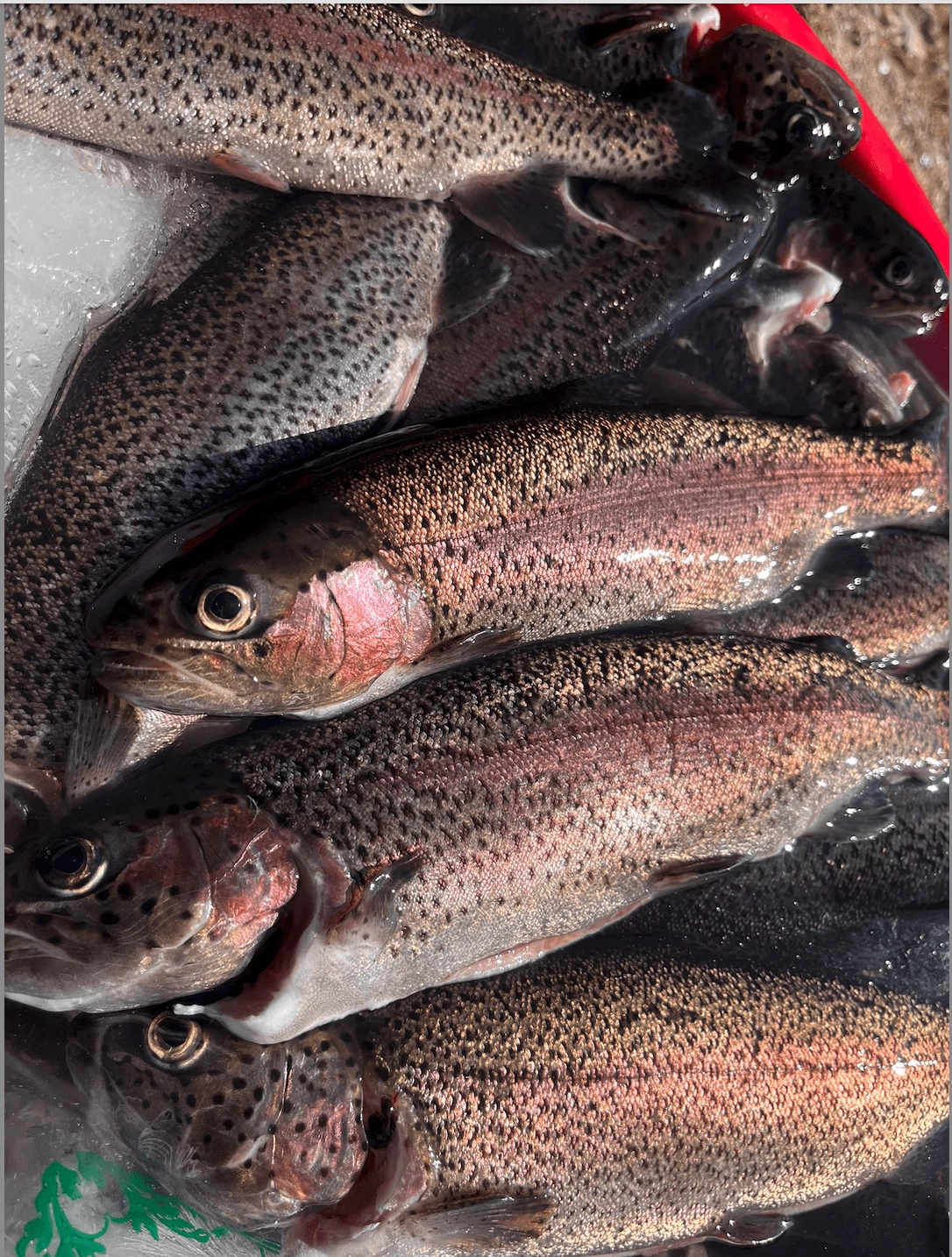
“Because it made sense in the most natural way. Jiri, with its clean, cold spring water at just the right temperature, was quietly showing us what it was meant for. Trout wasn’t just a business idea, it was a response to the land itself. We didn’t try to change the environment; we respected it. Nature already knew what would thrive here. All we did was listen and follow its lead.”
With the guidance of a Japanese aquaculture specialist, Neha began combining modern farming methods with the local ecosystem.
“We use high-quality, nutrient-rich imported feed, check the water daily, and never overcrowd the ponds,” she explains. “It’s simple: when you treat the fish well, the quality speaks for itself.”
Why Is Your Trout Pink?
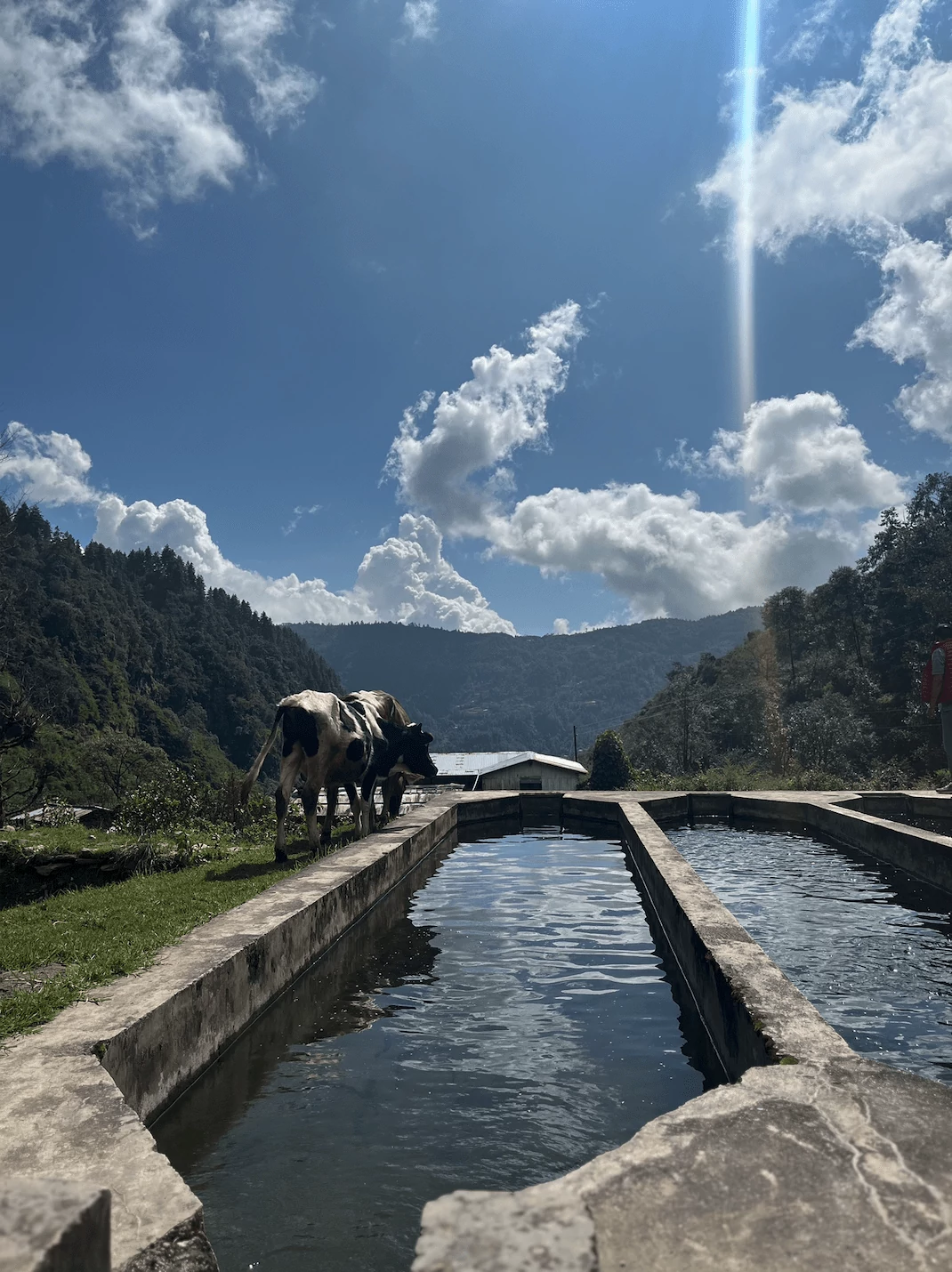
One of the first questions chefs and customers ask is about the striking pink color of her trout, a rarity in Nepal.
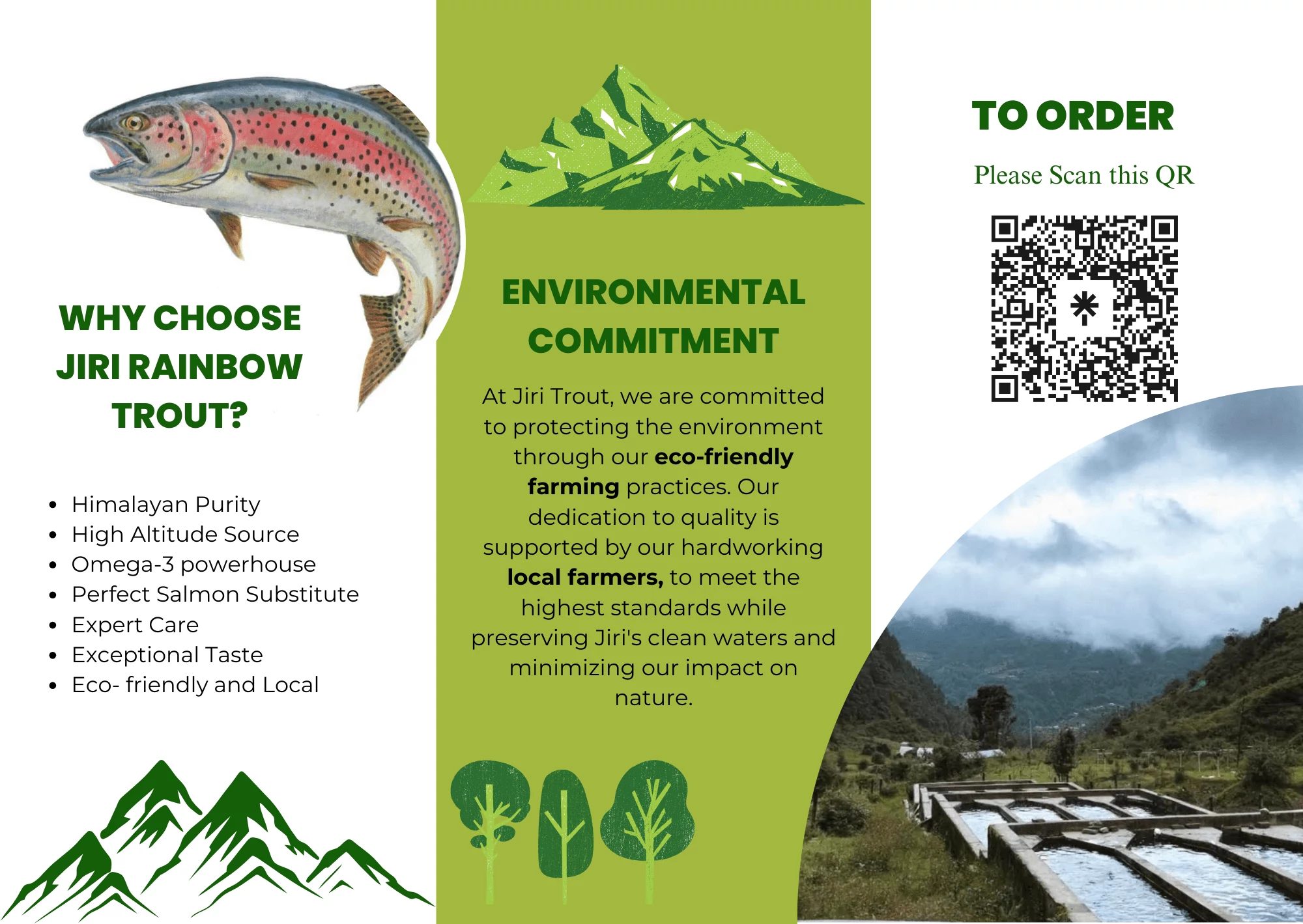
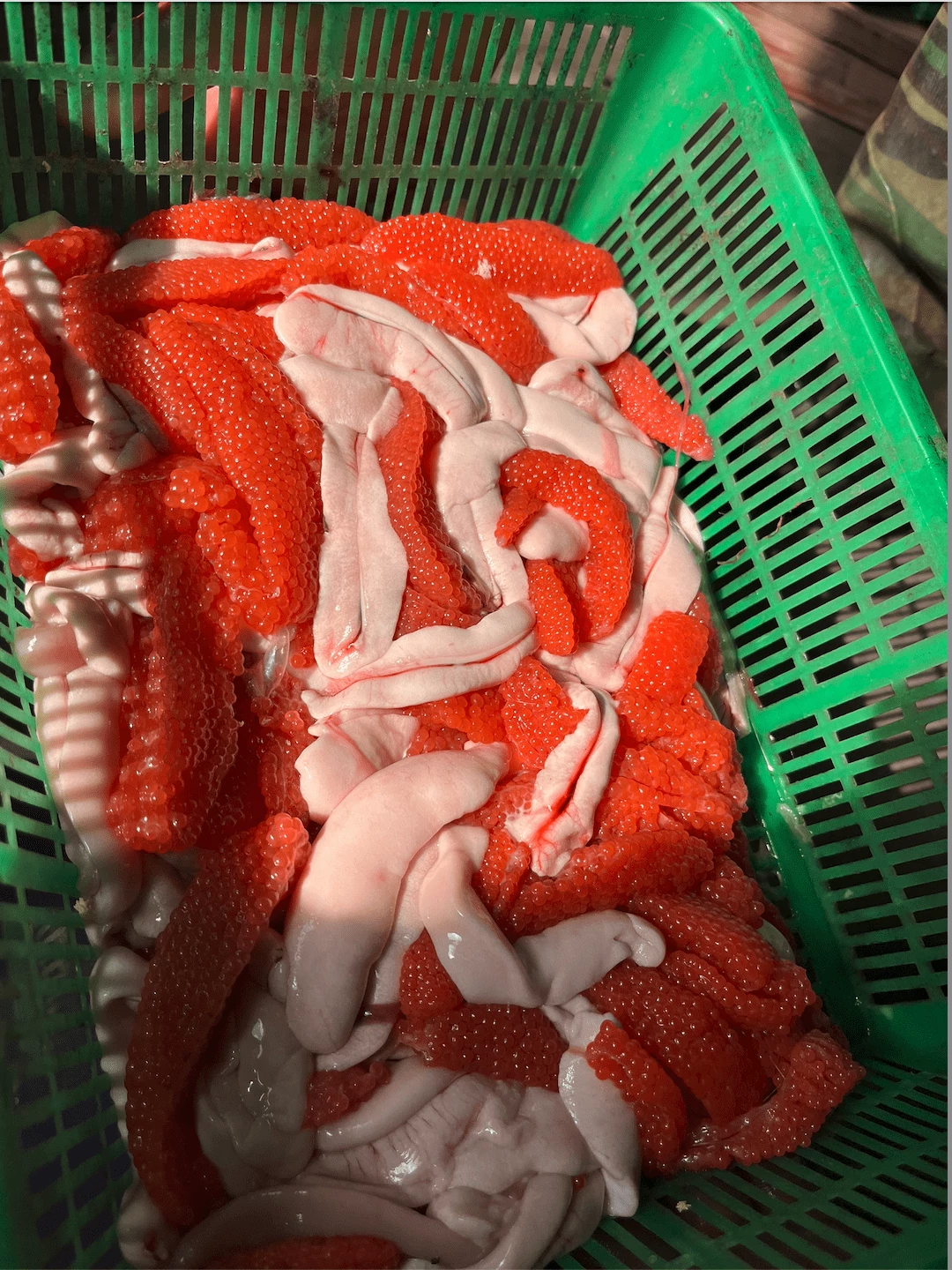
“Most farmed trout in Nepal turn out pale. But pink is how it’s supposed to be, naturally,” Neha says. “We studied the fish closely. With fresh spring water, low-stress environments, premium feed, and proper space, the trout develops rich color and flavor, no additives, no shortcuts.”
She credits this achievement to years of research and working closely with Japanese trout experts, as well as letting nature take the lead. “Pink isn’t just a color. It’s a sign of health, nutrition, and care. Our fish reflect the environment they grow in clean, calm, and cared for.”
Building a Market
Neha didn’t just grow fish, she built a brand. “In the beginning, we carried fish in coolers and went door to door, asking chefs in Kathmandu to try it,” she recalls. “Now they’re the ones calling us.”From boutique restaurants to five-star hotels like Le Sherpa, Dusit Princess, Hokkaido, Tusa Dining and Mercure, etc. her trout is now a top choice for kitchens that value freshness and traceability. The Jiri Tea and Trout Farm label has come to represent not just quality, but also sustainability and ethical farming. But Neha insists the real success lies in what the business has done for the people around her.
Changing Minds, Not Just Lives
In a country where many young people believe the only future lies abroad, Neha is changing the conversation. “Not with speeches but with proof,” she says. “We pay fair wages, train our workers in modern farming, and support them in starting side ventures like vegetable gardens and poultry. If people see a future here, they’ll stay.”
What direction do you see your business taking in the near future?
“In the near future, I hope to take this product beyond Nepal and enter the export market. Nepal isn’t just a random country on the map, it’s home to the highest peaks in the world, fresh spring water, untouched nature, and incredibly hardworking people. I want consumers abroad to know exactly where their food is coming from, to connect with its origin and story, and to recognize Nepal as a source of premium, traceable produce. While trout is my main focus, I’m also growing a kiwi farm, nurturing a pheasant farm, and beginning to explore mushroom cultivation. On top of that, there’s a 25-year-old tea estate in Jiri, where my family and other local residents are deeply involved. I see all of this coming together to represent a new kind of agricultural identity for Nepal, rooted in tradition, but ready for the global stage."
One young worker once told her....
“Didi, I used to think leaving the country was the only way forward just like my brothers did. I imagined myself somewhere abroad too. But deep down, I never truly wanted to leave Nepal or be far from my family. And somehow, life gave me the chance to stay and build something right here.”
That quiet moment captures something bigger than fish or farming. Neha is building more than a business, she’s creating a blueprint for rural revival. In a country where thousands leave every year in search of opportunity, her trout farm stands as living proof that quality jobs, pride in work, and global-standard products can be created right here in the hills of Nepal.
By combining science, sustainability, and local commitment, Jiri Tea and Trout Farm has redefined what’s possible in rural agriculture. It’s not just about keeping people home and it’s about making home worth staying for.