Detailed Analysis of Controversial Provisions in the Land Bill
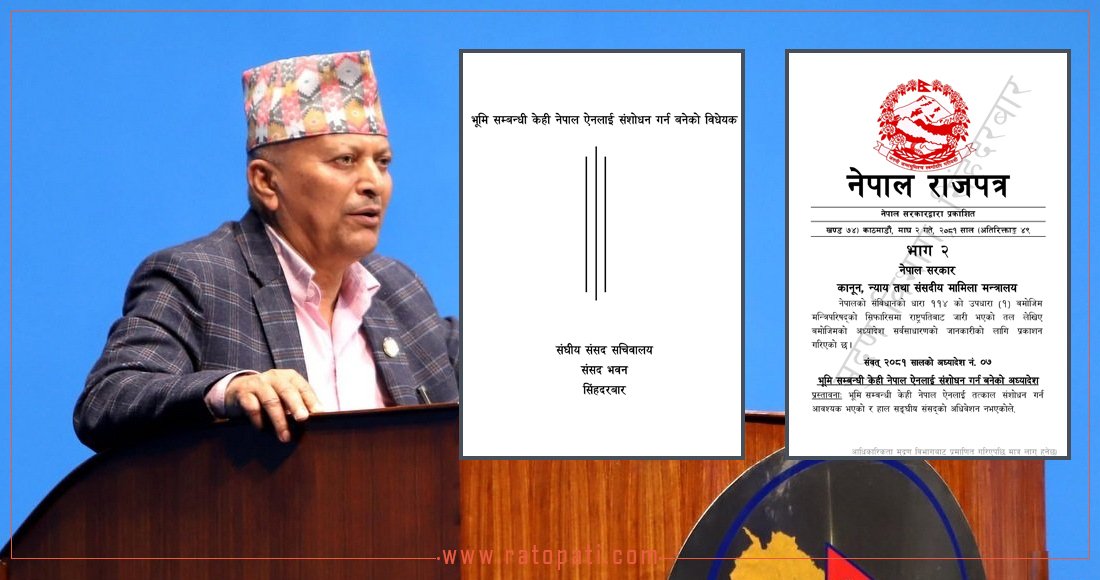
The "Bill to Amend Some Nepal Land-Related Acts, 2082" currently under intense debate in Nepal's Parliament contains several controversial provisions that have sparked significant discussion.
Key Controversial Provisions in the Land Bill
1. Exemption on Land Ceiling for Housing and Apartment Businesses (Section 12(Chha))
The bill proposes allowing companies engaged in housing and apartment businesses to develop and sell land beyond the legally prescribed ceiling if approved by a government-notified order. Critics argue this could encourage uncontrolled urbanization and benefit real estate developers at the cost of agricultural land. Environmental impact assessments (EIAs) and detailed project reports (DPRs) are no longer mandatory, raising concerns about haphazard construction and ecological damage.
2. Distribution of Land to Landless Dalits and Squatters (Section 52(Kha) and 52(Ga))
The bill allows the government to allocate land to landless Dalits and squatters, even in restricted zones (such as public land, riverbanks, national parks, and forests) if they have been occupying it since before the first land survey (around 1964). While intended to provide justice to marginalized communities, this provision risks legalizing encroachments on ecologically sensitive areas. The amendment also introduces "intermediate zones" (previously only forest areas were restricted), potentially opening up more land for redistribution.
3. Changes in National Park and Forest Laws
The bill permits the reclassification of land recorded as "forest," "forest area," or "pastureland" in official records to be removed from protected status and registered under the government’s name. This could lead to the privatization or redistribution of forest land, raising concerns about deforestation and loss of biodiversity. Environmentalists fear this will weaken conservation efforts and encourage illegal settlements in protected areas.
4. Opposition from Lawmakers
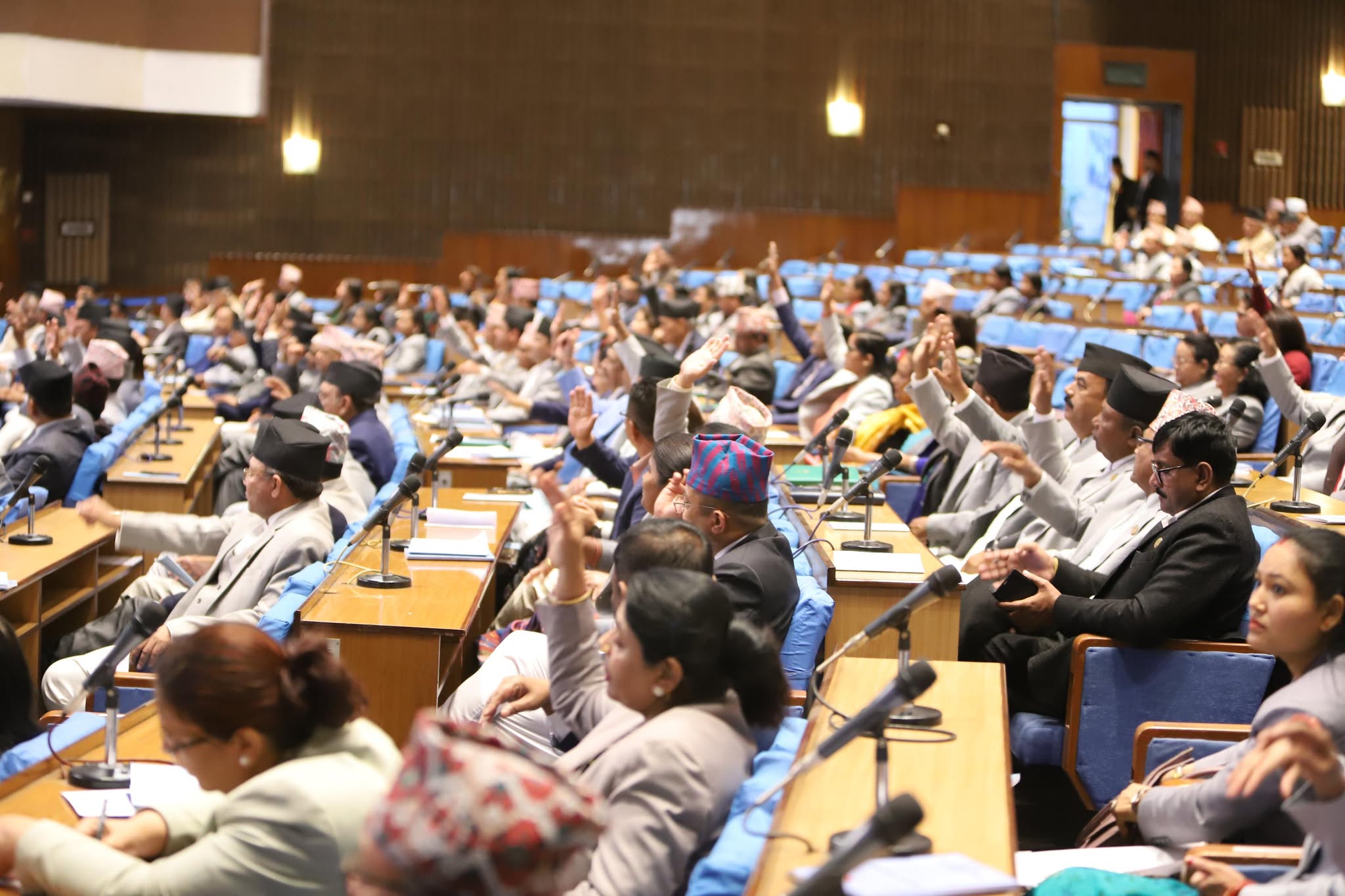
Several Nepali Congress MPs, including Gagan Thapa and Bishwa Prakash Sharma, have proposed amendments to prevent misuse of land ceiling exemptions, particularly by real estate companies. Some MPs demand stricter protections for forest land and separate provisions for landless Dalits and squatters to avoid legalizing illegal encroachments. Lawmakers like Sita Mijar and Pratima Gautam argue that the bill should undergo proper committee scrutiny rather than being rushed through Parliament.
Potential Impacts
Real Estate Boom: Relaxed land ceiling rules may boost housing projects but could also lead to unchecked construction and land speculation. Environmental Risks: Removing EIA requirements and allowing settlements in forest areas could harm Nepal’s fragile ecosystems. Social Justice vs. Legal Chaos: While helping landless communities, the bill may also encourage further illegal land grabs.
Conclusion
The bill attempts to address land distribution and housing shortages but risks favoring business interests over environmental and legal safeguards. Proper debate in parliamentary committees is essential to balance development, social justice, and environmental protection.