Squatters Face Uncertainty Three Months After Eviction

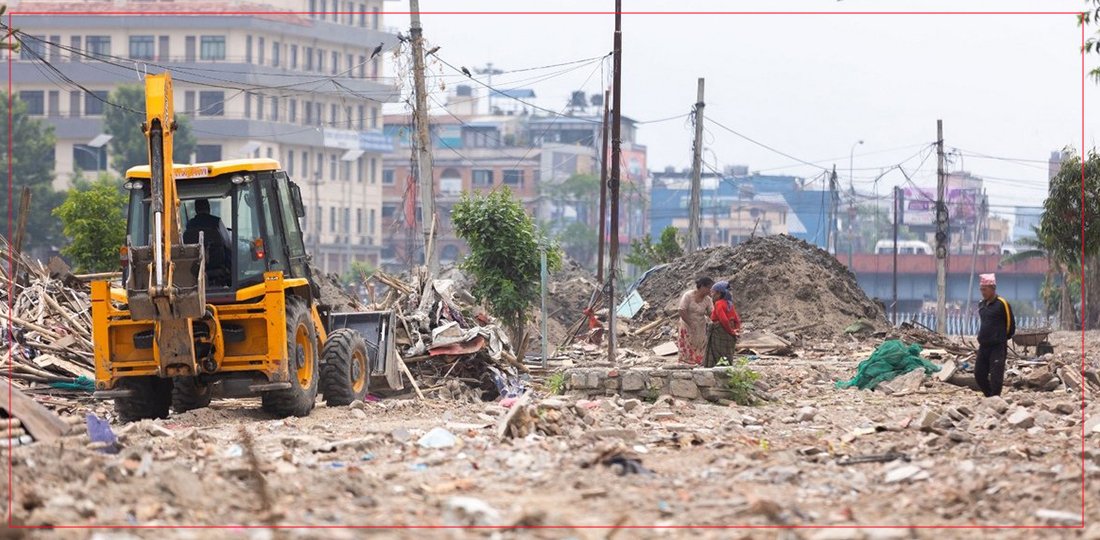
Kathmandu. Exactly three months have passed since the state's bulldozer ran over squatters and unorganized residents who have been living on the banks of rivers in the Kathmandu Valley for years.
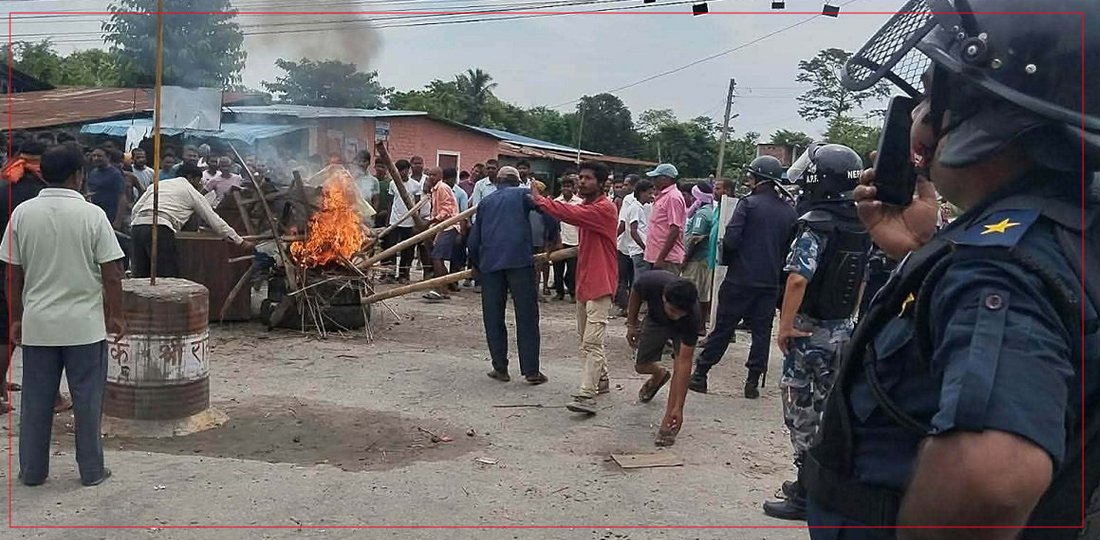
The campaign to clear the river corridors was launched on Baisakh 12, under the direct supervision of Prime Minister Balen Shah (Balen). Hundreds of families displaced by the removal of unauthorized settlements along various river banks, including the Bagmati, were temporarily moved to various 'holding centers' in and around Kathmandu.
Ninety days have passed since the settlements were demolished and people were moved to temporary shelters, but the issue of their sustainable resettlement and permanent management remains uncertain.
State's Assurance Proves Hollow
The concern, sensitivity, and assurances shown by the government and local administration at the beginning of the riverbank clearing process have proven hollow. Displaced individuals, housed in 'holding centers' designated as Red Cross, Satsang, and training centers in various districts to avert a humanitarian crisis, are now at the center of extreme suffering, deprivation, and despair.
Squatters who were initially given the impression of great protection are now enraged by the state's duplicitous behavior of ultimately depriving them of basic necessities and leaving them stranded on the streets. Victims spending their days in holding centers complain: 'The government pretends to care but then neglects us.'
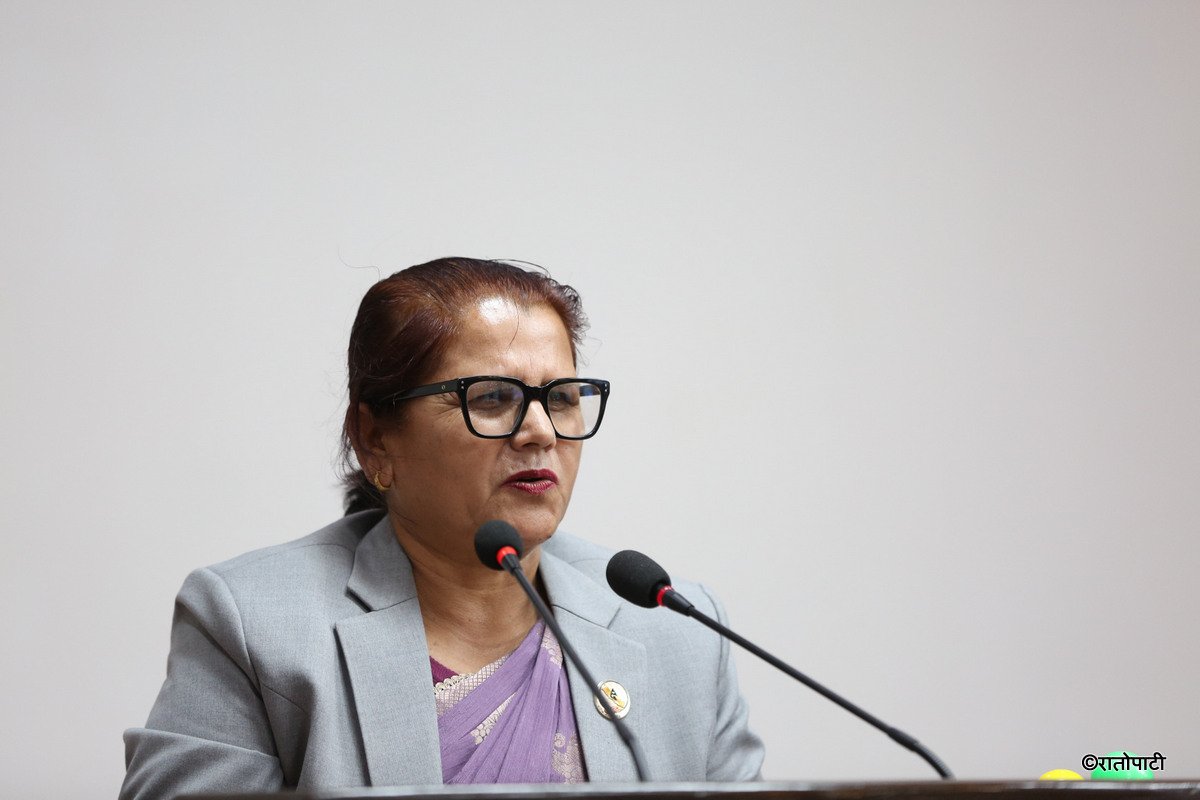
The government, on the other hand, cites the uncertainty and dual mindset of the displaced families as a major reason for the delay in squatter management. According to Dr. Anand Singh Bhat, Executive Director of the Empowered Bagmati Civilization Integrated Development Committee, the government has already provided Rs 25,000 as initial relief to leave Kathmandu or rent rooms elsewhere. Most families had left the holding centers after signing a written agreement to manage themselves with this amount. However, the committee claims that some individuals who rented rooms after receiving the relief amount are returning to the holding centers and demanding food and other assistance, creating new disputes and complications in management.
_5abzenEAHF.jpg)
The committee's understanding is that squatters who have moved once fear that the government might forget them later or deprive them of their right to land. Because of this fear, even after renting rooms, they maintain their presence in the holding centers.
Some people stay in rented rooms at night and come to the holding centers during the day or at intervals to claim government food, making it difficult for administrative bodies to distinguish between genuinely suffering individuals and those who have already received relief. Executive Director Dr. Bhat argues that the process of identifying and recommending genuine landless individuals is becoming more complicated as those who have already received relief seek double benefits.
'The Government Itself Has Committed Injustice'
On the other hand, the views of activists advocating for squatters' rights and the displaced are entirely different and much more distressing than the government's claims. According to Jitendra Mahato, who has been working for the rights of squatters since their settlements were bulldozed, claiming that providing Rs 25,000 fulfills the state's responsibility is extreme irresponsibility.
In the current high cost of living in the Kathmandu Valley, Rs 25,000 is almost impossible to cover three months of rent, advance deposit for the landlord, water, electricity bills, and daily food expenses. Moreover, landlords are reluctant to rent rooms to anyone identified as a 'squatter' or 'person removed from riverbanks' in Kathmandu. Due to the social prejudice and contempt prevalent in society towards squatters, they are forced to hide their identity to find rooms or return empty-handed to the streets due to lack of accommodation.
_rlgp73Vnhs.jpg)
Thus, on one hand, amidst social discrimination and on the other hand, economic hardship, the constitutional and legal rights of the displaced PCA have been limited to paper. Article 37 of the Constitution of Nepal guarantees the 'right to adequate housing' as a fundamental right for every citizen.
Similarly, national and international laws related to the right to housing clearly stipulate that no citizen should be forcibly displaced from their dwelling without proper and permanent alternative arrangements. The Supreme Court has also issued clear directive orders to the government and local bodies on several occasions regarding the eviction of settlements on riverbanks, stating, 'Remove the settlements only after identifying the genuinely landless and squatters and ensuring their proper and dignified resettlement.' However, in practice, government bodies are disregarding the court's orders and the spirit of the constitution by first using bulldozers to push citizens onto the streets and then looking for paperwork.
Government Trying to Send Them Back to Their Home Districts
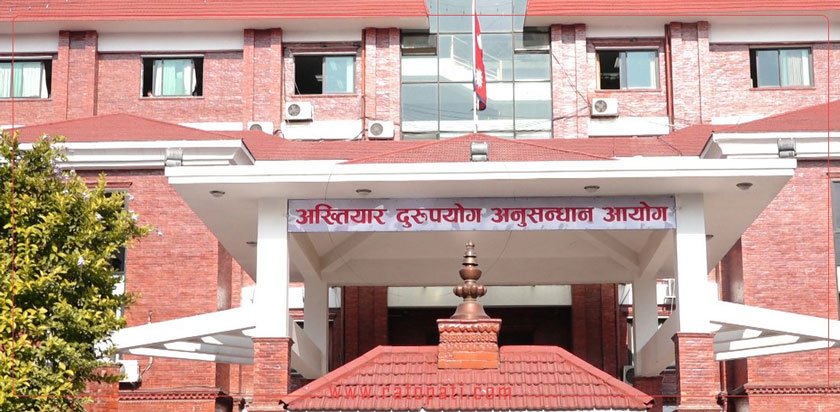
The Land Problem Resolution Commission and the Empowered Bagmati Committee have stated that they are coordinating for the permanent management of squatters. As per the decision of the Ministry of Land Management, Cooperatives, and Federal Affairs, the Empowered Bagmati Committee has put forward a plan to send squatters back to their home districts based on the digital data collected.
According to the details prepared by the committee, in the initial phase, identified families have been issued notices to contact the local ward or district land problem resolution committee in their home districts. Their digital details, applications, and documents have been sent to the respective district committees for providing land in their home districts, including Sindhuli, Sarlahi, Kathmandu, Sunsari, Dhankuta, Morang, Sindhupalchok, Mahottari, Jhapa, and Bhojpur.
According to Sanjeev Kumar Sah, Chief Survey Officer and Information Officer of the Land Problem Resolution Committee, the investigation process for squatter families in holding centers is currently being expedited. So far, the applications and details of approximately 60 to 65 families have been meticulously reviewed and sent to the respective district land problem resolution committees for final decision. The central committee will review the documents and evidence and send recommendations, and the district committee will make the final legal decision on where, how, and how much land to provide to these families.
Land Found After Sending Files as Squatters to Districts
During the initial investigation, some individuals claiming to be squatters and staying in holding centers have been found to own land in their home districts. Upon inquiry by sending files to districts like Taplejung, it was found that some applicants' families have registered land in their own names in their home districts. According to prevailing laws, individuals who can arrange their own living arrangements based on their economic or family status cannot be considered squatters.
_rlgp73Vnhs.jpg)
Therefore, the commission has clarified that individuals found to have land in their home districts or who do not qualify as squatters according to legal frameworks will not be provided land, and their claims will be rejected according to the law. Clarifying the squatters' complaint about being harassed by demanding too many documents and property details, Information Officer Sah stated that details of immovable property are requested to ensure the identification of genuine landless individuals through legal procedures.
An integrated database has been prepared and handed over to the commission for the long-term settlement of the displaced. According to Dr. Bhat, Chairman of the Bagmati Committee, the committee's task was to clear the riverbanks and collect initial data, which has been completed. Now, the 'Land Problem Resolution Commission' will take full legal responsibility for their long-term land and housing management. Although the government decided to provide an additional house rent support of Rs 15,000 to genuine squatters whose land has been verified, the committee has stated that this amount could not be disbursed by the end of Asar due to the concerned individuals failing to submit complete documents on time. Preparations are underway to hand over this amount to genuine squatters who have submitted the required documents immediately after the second phase of investigation is completed.
Government Preparing to Bring an Integrated Package
The government has also claimed to be bringing an integrated package of employment, education, and health, not just housing and land, to facilitate the livelihoods of squatters living in temporary rented accommodations. The committee has stated that for this purpose, forms are being filled out in coordination with the Ministry of Labor and Employment to provide employment according to their skills, capabilities, and desires. The government claims that in coordination with the Ministry of Health, free health insurance will be provided to displaced families, and their children will be enrolled in nearby community schools. The government's strategy is to make them self-reliant through these alternative measures until permanent land is acquired.
How Many Squatters Are in Holding Centers?
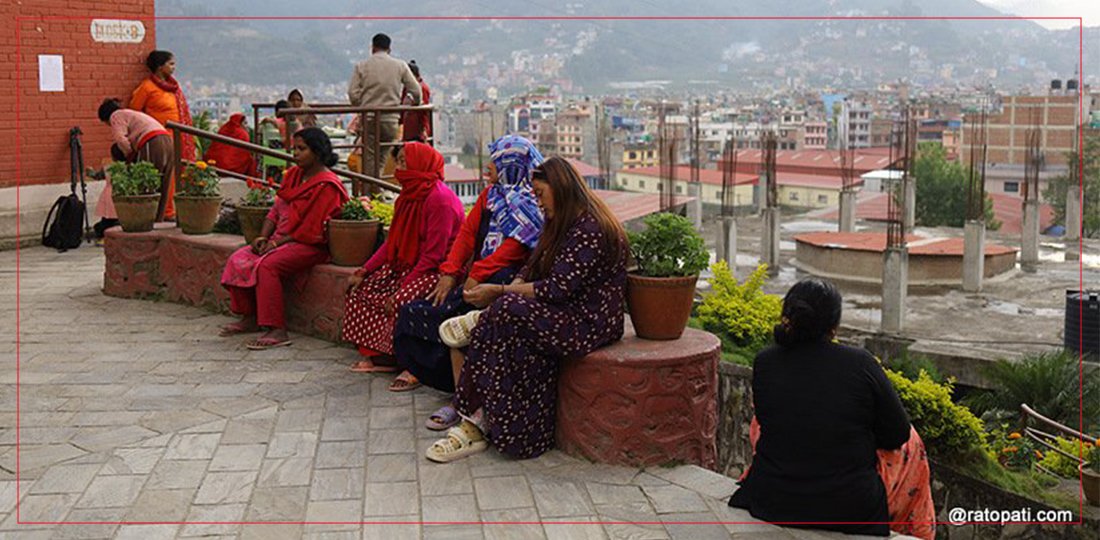
In the initial days after the bulldozers ran, the holding centers were crowded with displaced families. Although more than 388 families were housed in various centers in the early days, most families have moved out over the three-month period. According to the latest updated details, 46 families (more than 100 people) are residing in the holding center at Kharipati, Bhaktapur, 41 families in Ichangun Narayan, Kathmandu, and 23 families (67 people) in Bodhi Satsang.
_A63XLI3D0n.jpg)
The holding center at the Red Cross Training Center in Banepa, Kavre, has been completely emptied, and 3-4 genuinely troubled individuals who were there have been moved to Ichangun Narayan. Although the centers are gradually emptying, the future of the remaining and departed people remains uncertain.
On the other hand, the Bagmati Committee has rapidly advanced the work of managing and beautifying the land along the riverbanks after the squatter settlements were cleared. Construction work on the remaining sections of the river corridor, which had been stalled for years due to the settlements, has begun. A master plan is being prepared for the construction of drainage systems, green parks, and public open spaces on the cleared riverbank lands. The committee is preparing to start the construction of permanent infrastructure through tenders soon by investing the budget.
This specific news has been automatically translated by AI. As a result, there may be some inaccuracies or language errors.